
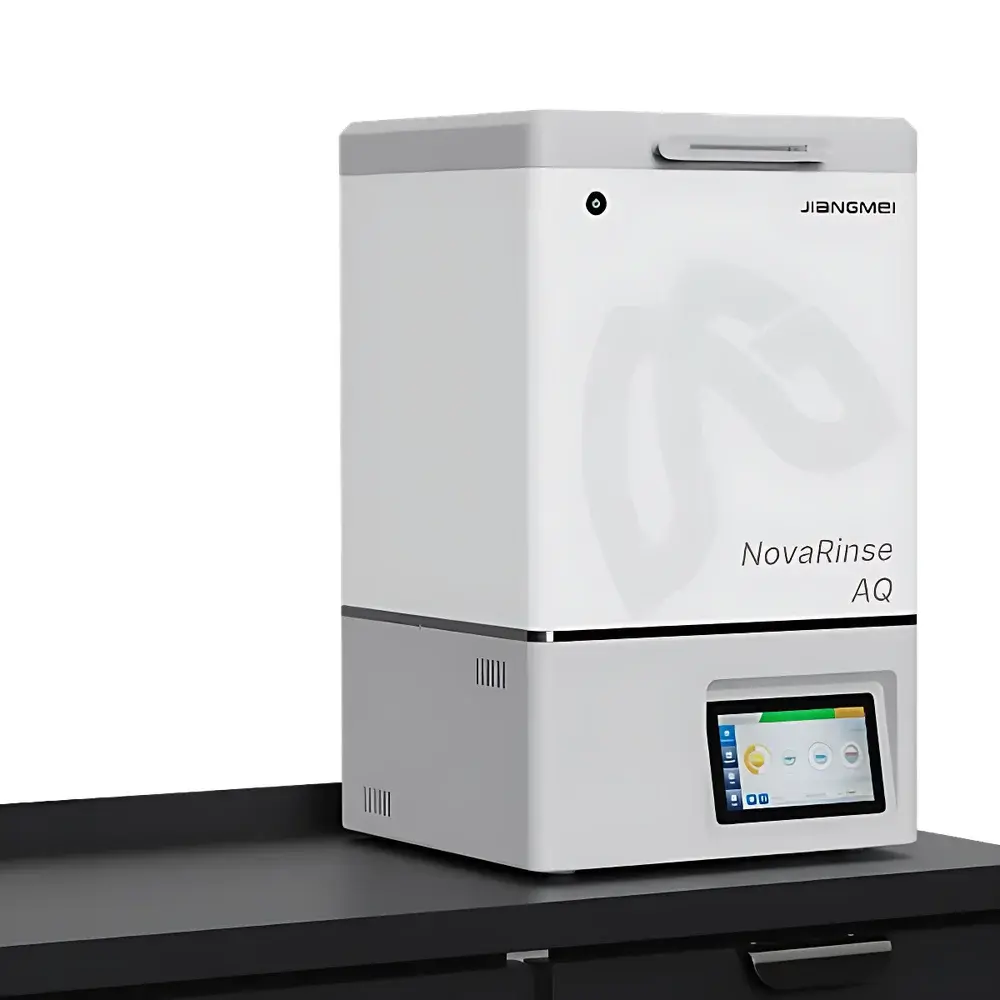
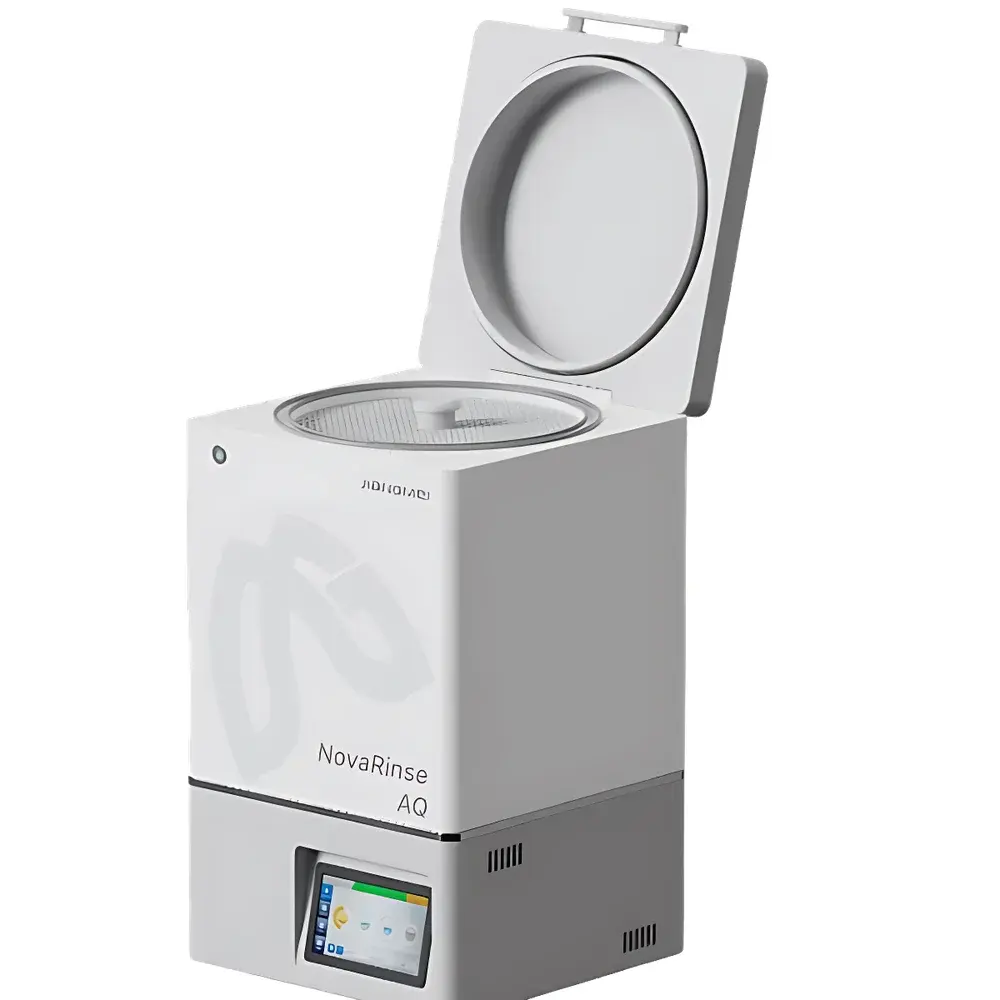
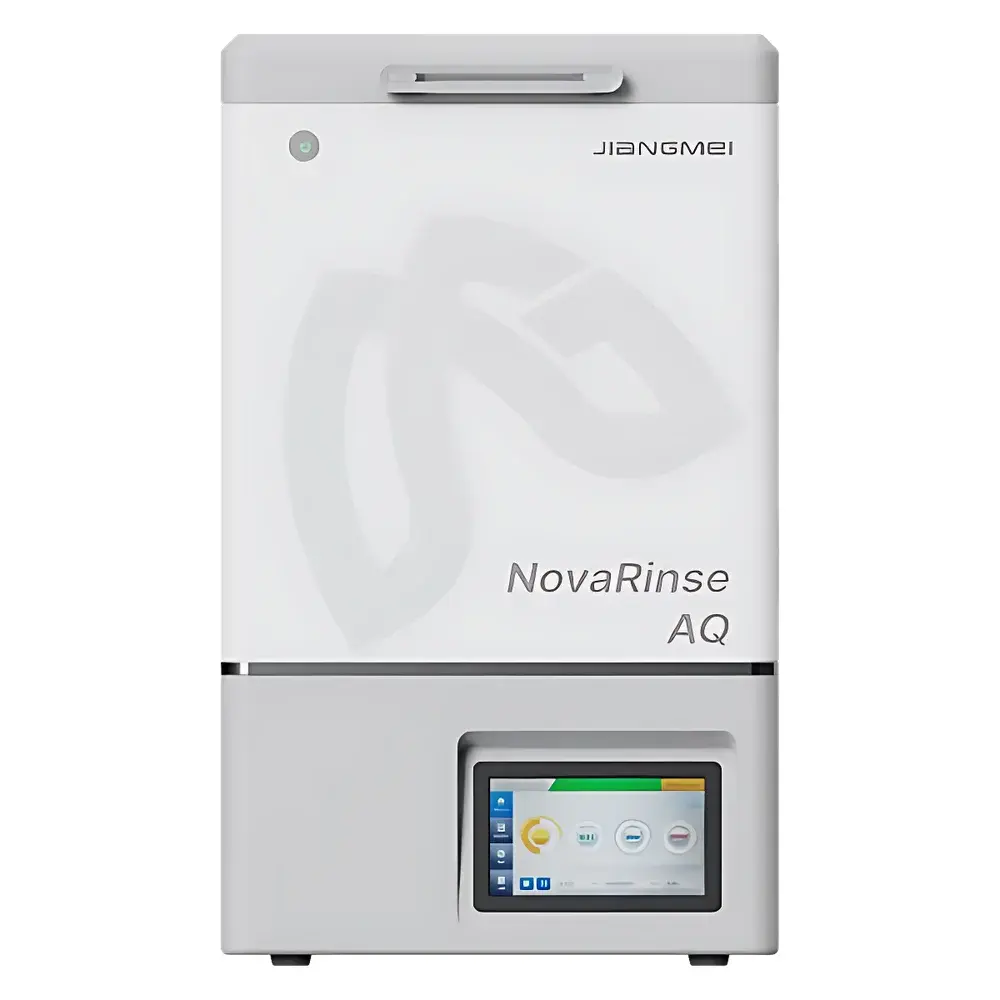
JIANGMEI NovaRinse AQ Ultra-Clean Acid Counterflow Cleaning System
| Brand | JIANGMEI |
|---|---|
| Origin | Zhejiang, China |
| Model | NovaRinse AQ |
| Automation Level | Fully Automatic |
| Cleanliness Level | PPT-grade (parts-per-trillion) |
| Cycle Time | 2–4 hours per batch |
| Throughput | 80 digestion vessels or 40 × 50 mL volumetric flasks per batch |
| Temperature Range | 0–180 °C |
| Temperature Sensing | Direct liquid-surface contact probe |
| Power Consumption | 1600 W |
| Compliance | Designed for ISO/IEC 17025-accredited laboratories and GLP/GMP-aligned sample preparation workflows |
| Safety | Fully enclosed acid vapor containment, zero operator exposure to acidic fumes |
Overview
The JIANGMEI NovaRinse AQ Ultra-Clean Acid Counterflow Cleaning System is an engineered solution for trace-metal analysis laboratories requiring rigorously contamination-free sample preparation hardware. It employs a dual-stage, temperature-controlled acid counterflow principle—combining high-temperature hot acid rinsing (Acid1) with sub-boiling ultra-pure acid treatment (Acid2)—to achieve PPT-level residue removal from quartz, fluoropolymer, and borosilicate glassware used in ICP-MS, ICP-OES, and HR-ICP-MS workflows. Unlike conventional ultrasonic or static soak methods, the NovaRinse AQ utilizes dynamic vertical counterflow circulation, ensuring uniform acid contact across all vessel surfaces while minimizing acid consumption and thermal degradation of sensitive components. Its sealed architecture eliminates operator exposure to corrosive vapors, fulfilling occupational safety requirements under OSHA 29 CFR 1910.1200 and EU CLP Regulation (EC) No. 1272/2008.
Key Features
- Fully automated operation with programmable method storage, real-time process monitoring, and on-screen dynamic rotation visualization of cleaning progress
- Dual-stage acid cleaning protocol: Stage 1 uses heated high-purity nitric/hydrochloric acid (up to 180 °C) for organic and particulate removal; Stage 2 applies sub-boiling ultra-trace-grade acid for final passivation and leachate elimination
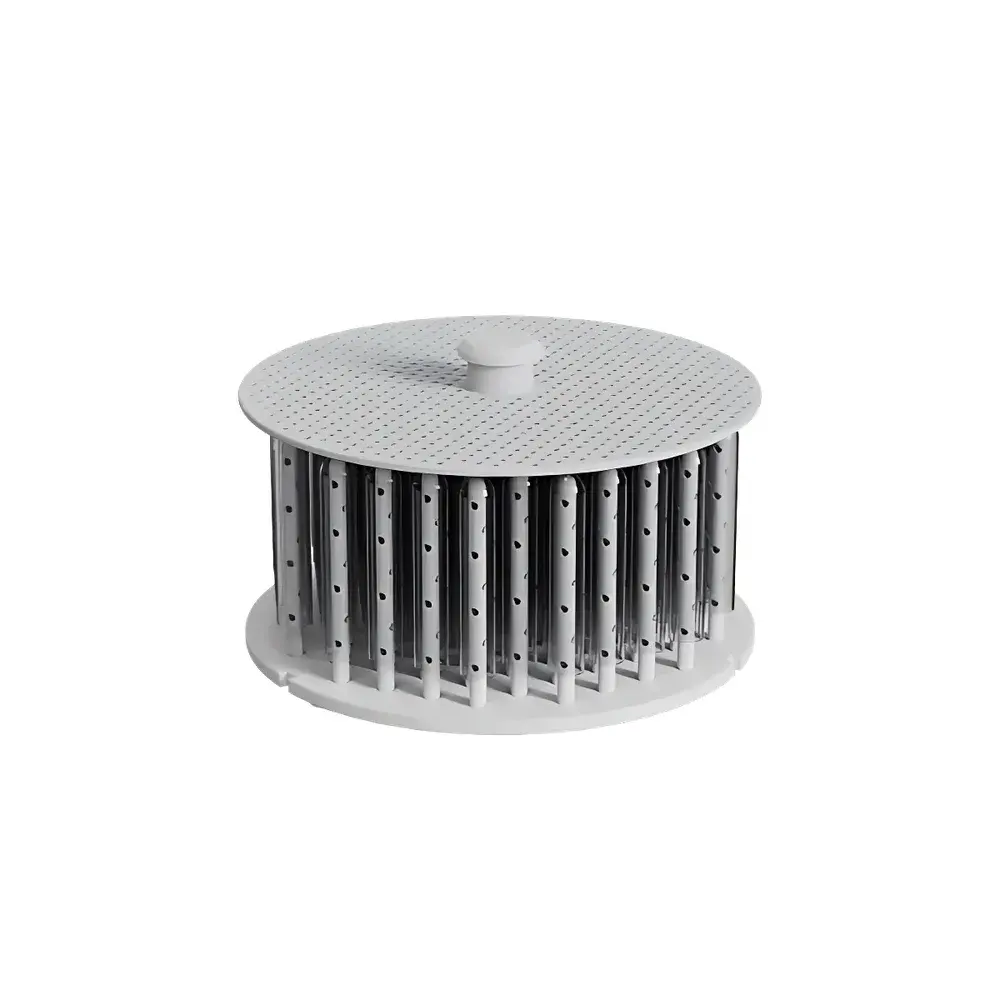
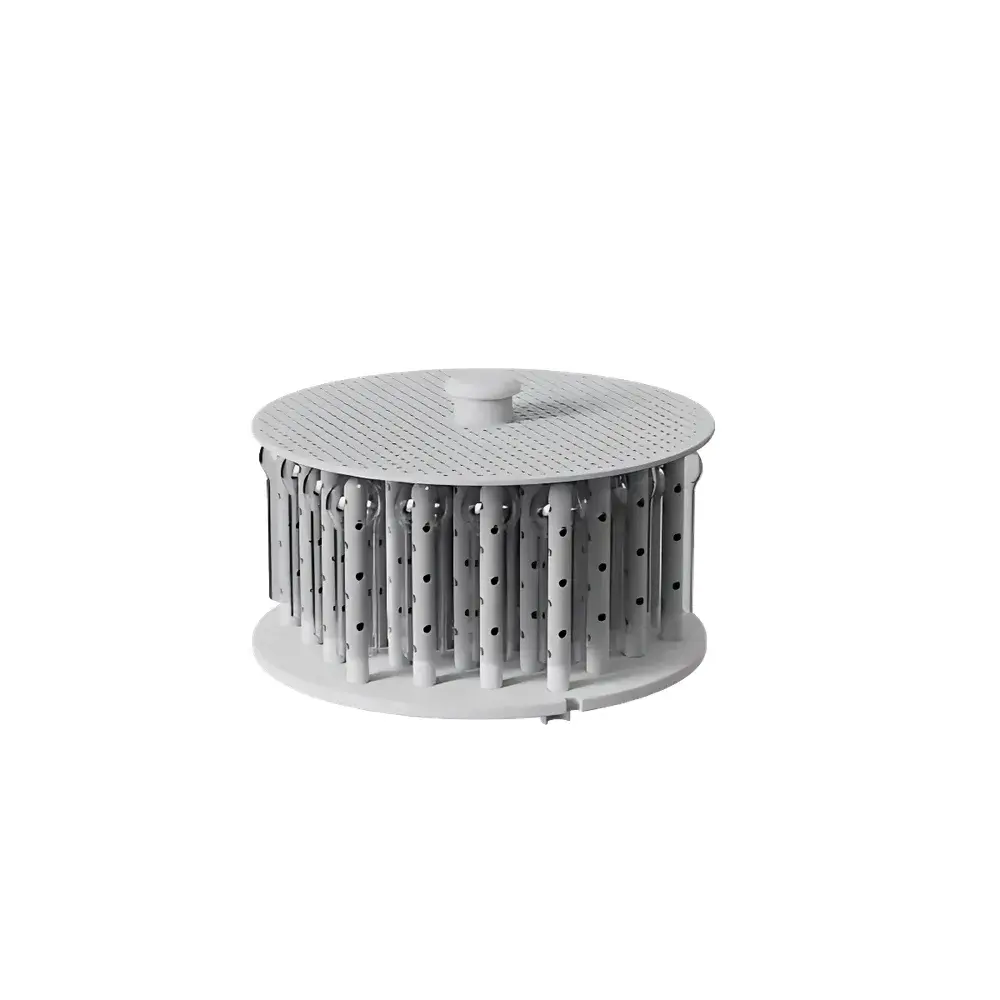
- 80-position high-throughput chamber compatible with standard microwave digestion vessels (e.g., Milestone ETHOS, CEM Mars), scalable to 120 positions using optional fine-bore fixtures
- Integrated direct-contact liquid-surface temperature sensing ensures precise thermal control within ±0.5 °C across full operating range (0–180 °C)
- All-wetted surfaces constructed from PTFE, PFA, and FEP—certified to ASTM D4894 and USP Class VI standards—to prevent metal ion leaching during cleaning cycles
- Zero-fume enclosure with dual-stage acid vapor condensation and neutralization module compliant with ISO 14644-1 Class 5 cleanroom-compatible exhaust specifications
Sample Compatibility & Compliance
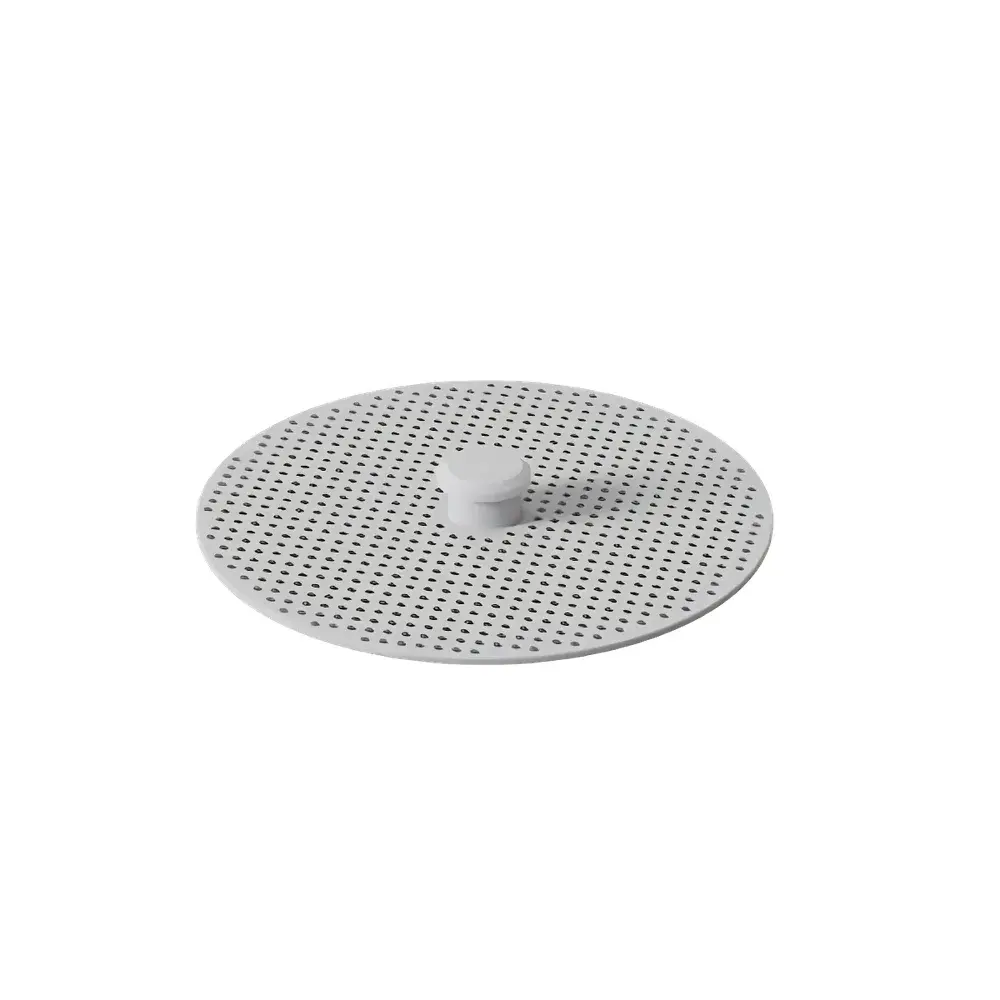
The NovaRinse AQ accommodates a broad range of laboratory consumables, including but not limited to: Teflon®-lined microwave digestion vessels (up to 100 mL capacity), 50 mL volumetric flasks, quartz cuvettes, borosilicate glass pipettes, AA spectrometer nebulizers, and PTFE-coated autosampler vials. Optional fixtures—including universal (≤40 mm ID), fine-bore (≤20 mm ID), jumbo (≤80 mm ID), and modular mesh racks—enable validation-grade cleaning of heterogeneous component sets. The system supports documentation required for ISO/IEC 17025 Clause 6.4.3 (equipment verification), FDA 21 CFR Part 11 (electronic records integrity), and EU Annex 11 (computerized system validation) when integrated with validated LIMS or ELN platforms.
Software & Data Management
The embedded control interface provides full audit trail functionality, including timestamped cycle logs, parameter change history, user authentication (role-based access), and exportable CSV reports compliant with GLP Annex 15 and ALCOA+ principles. All method files are digitally signed and version-controlled; firmware updates follow IEC 62304 Class B software lifecycle protocols. Remote diagnostics via encrypted TLS 1.3 connection allow certified service engineers to perform predictive maintenance without compromising data sovereignty.
Applications
This system is purpose-built for laboratories performing regulatory-compliant elemental analysis in environmental monitoring (EPA Method 6020B, 6025A), clinical toxicology (CLIA-certified heavy metal panels), semiconductor material purity screening (SEMI F57), and nuclear fuel cycle QA/QC (ASTM C1607). It directly addresses root-cause failure modes identified in interlaboratory proficiency testing—particularly those linked to residual Cr, Ni, Cu, and Pb contamination from inadequately cleaned glassware, which accounts for >30% of non-conformances in NIST SRM-based calibration verification.
FAQ
What acid types are compatible with the NovaRinse AQ?
Nitric acid (HNO₃), hydrochloric acid (HCl), and hydrofluoric acid (HF)—when diluted and handled per manufacturer-specified concentration limits—are supported. All acid delivery paths are chemically resistant to concentrations up to 65% HNO₃ and 40% HF at 180 °C.
Is the system suitable for cleaning quartzware used in ultra-low detection limit applications?
Yes. The sub-boiling Acid2 stage operates at controlled vapor-phase temperatures below boiling point, eliminating thermal shock and preserving quartz integrity while achieving ≤0.1 pg/cm² residual metal surface loading as verified by blank analysis per ISO 17294-2.
How is cleaning efficacy validated?
Users may run method-specific blanks (e.g., 2% HNO₃ rinse followed by ICP-MS analysis) and compare against established procedural detection limits (PDLs); system performance qualification includes daily acid blank verification and quarterly fixture wear assessment per SOP-QC-027.
Does the NovaRinse AQ meet regulatory requirements for pharmaceutical QC labs?
It supports GMP Annex 15 lifecycle validation activities—including IQ/OQ/PQ—and generates raw data compliant with FDA 21 CFR Part 11 when deployed with approved electronic signature modules and time-stamped audit trails.



