
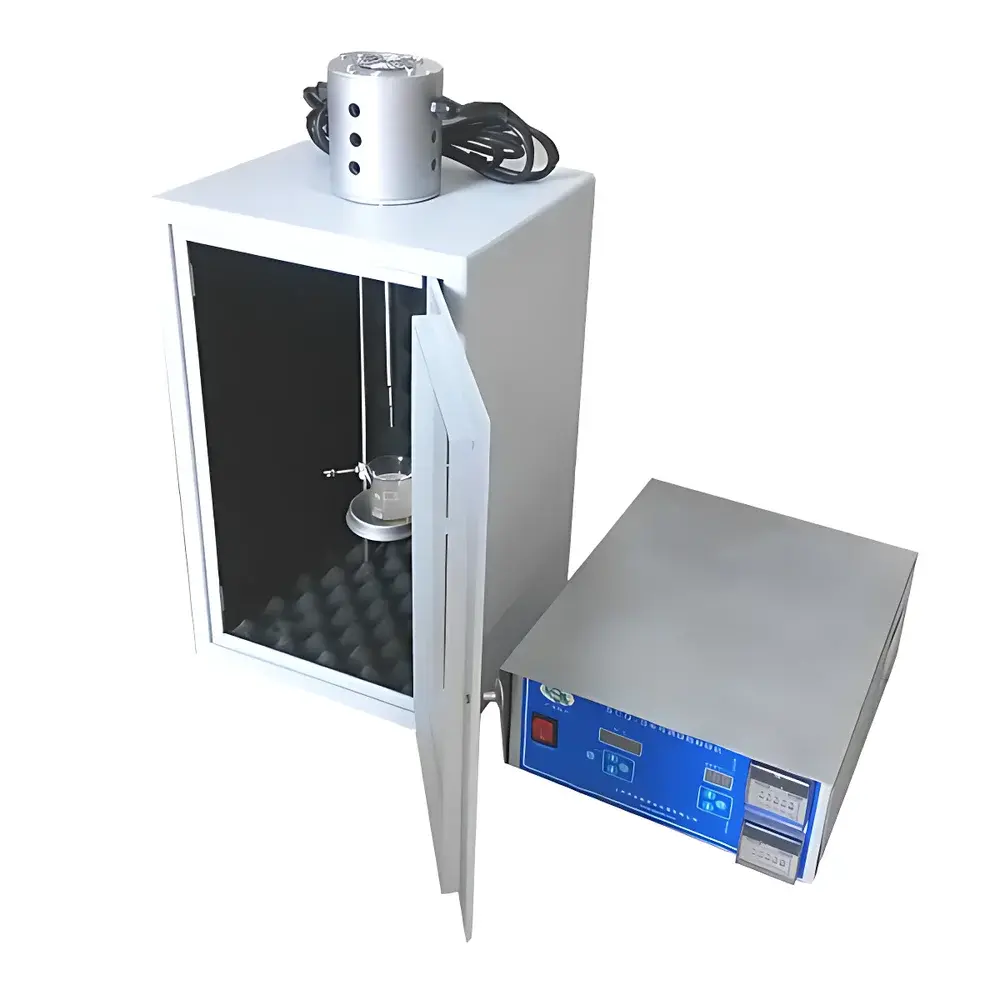
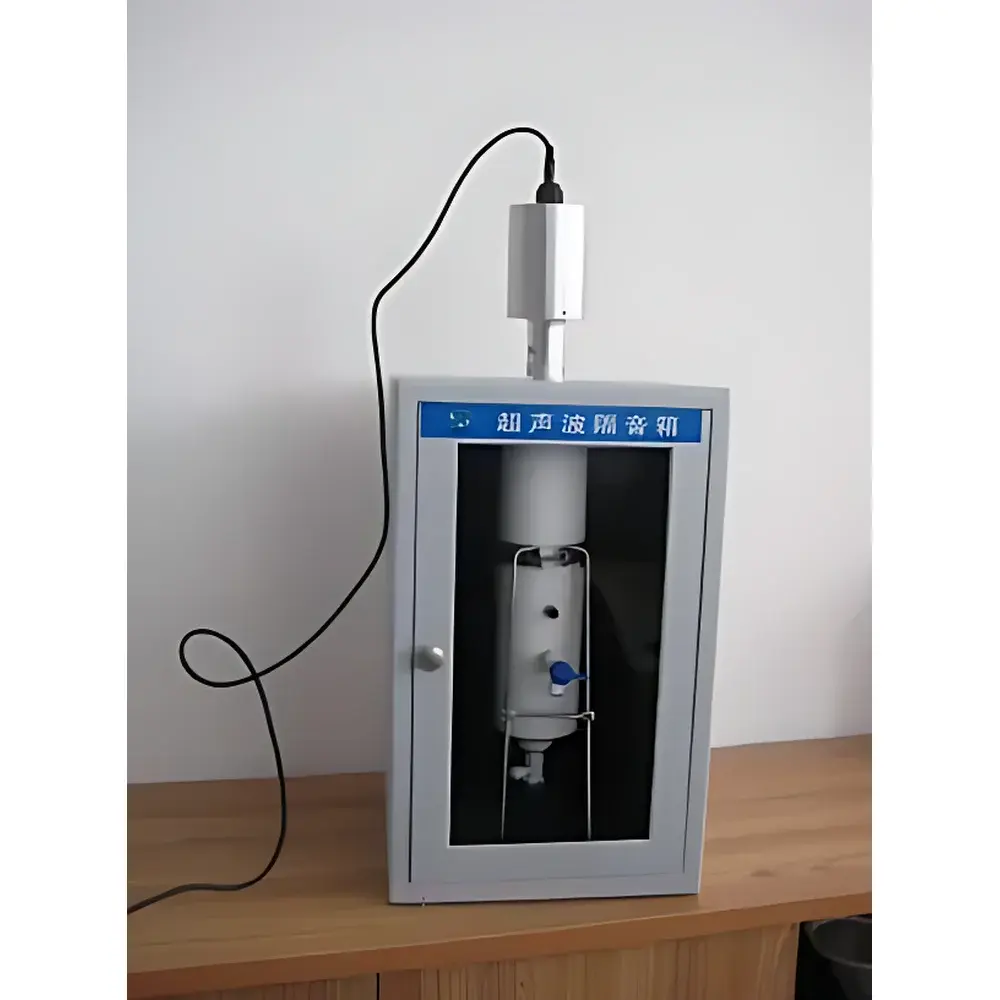
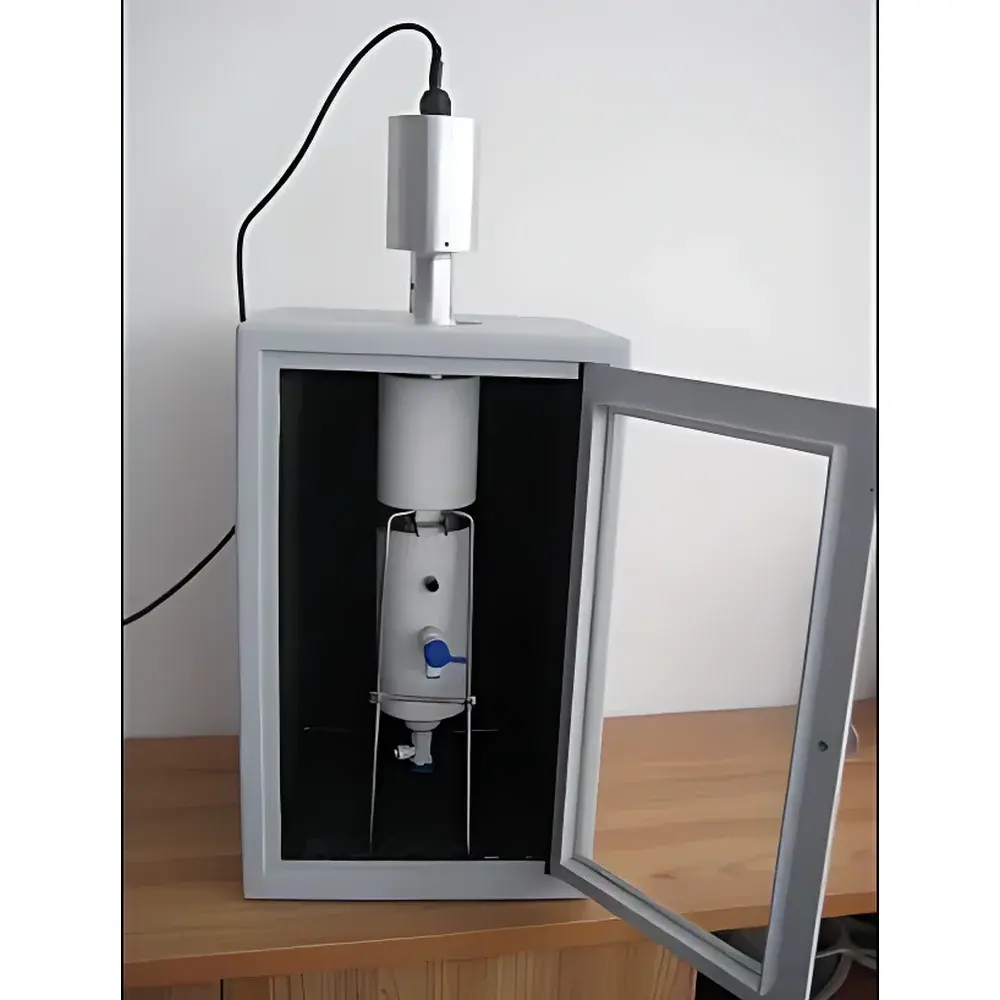
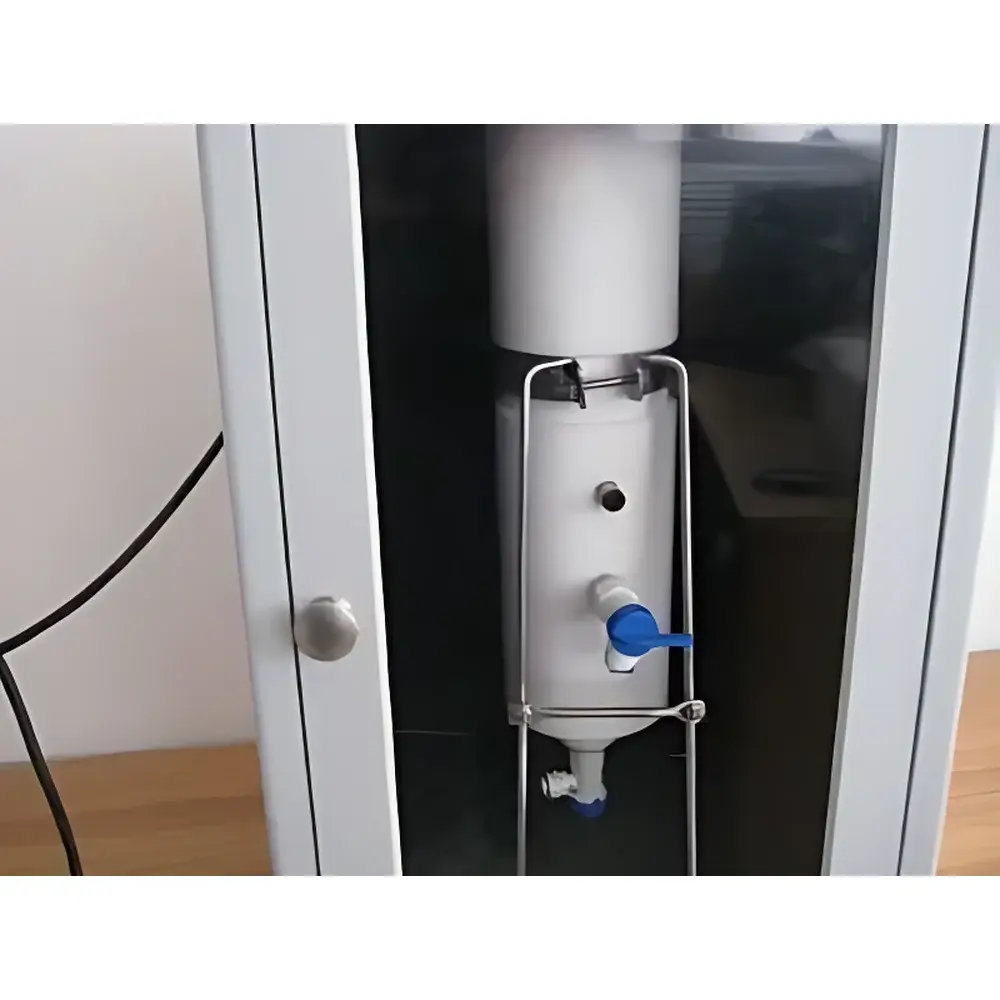
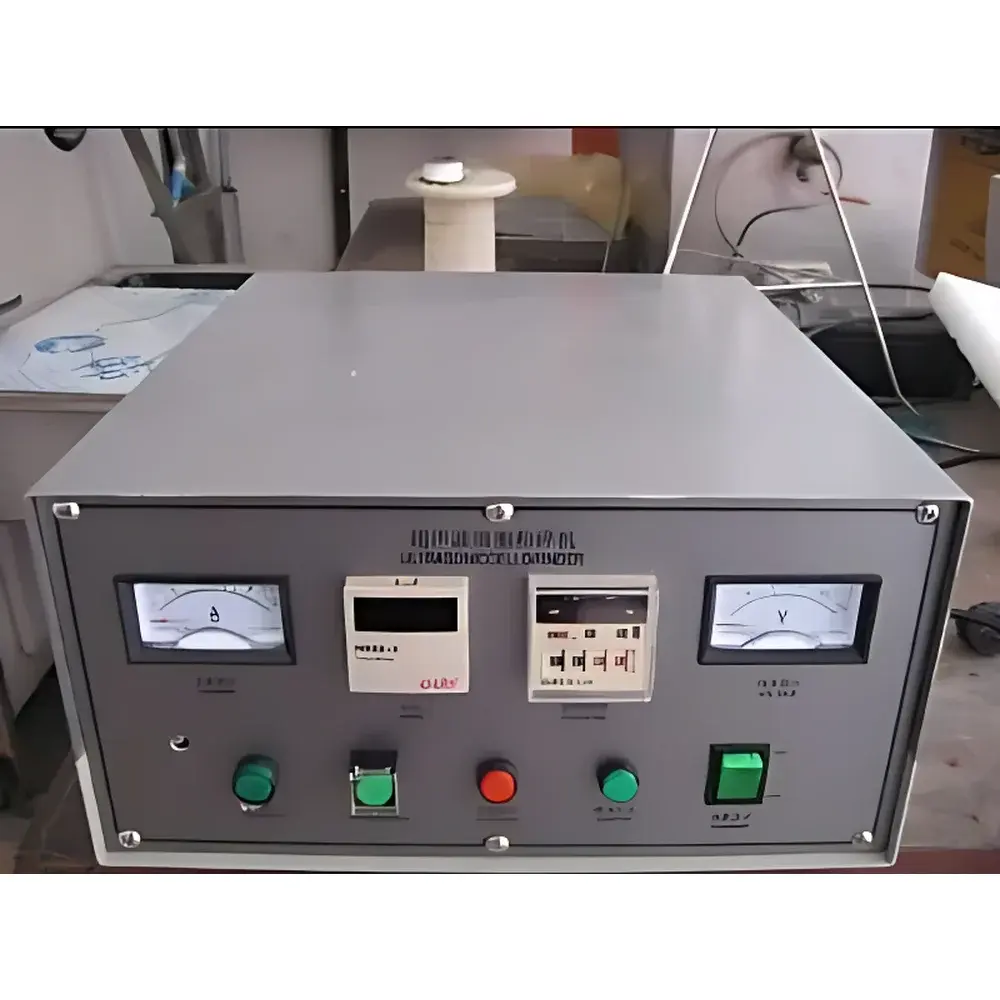
SYC Sycs SCQ-1500F High-Power Ultrasonic Cell Disruptor
| Brand | SYC Sycs |
|---|---|
| Origin | Shanghai, China |
| Model | SCQ-1500F |
| Ultrasonic Power | 1500 W |
| Operating Frequency | 20 kHz / 25 kHz (switchable) |
| Sample Volume Range | 0.5–1500 mL |
| Probe Tip Diameters Available | 5, 8, 10, 15, 20, 25, 30 mm |
| Timing Range | 1 s – 9 h 59 min 59 s |
| Temperature Control | Ambient only |
| Probe (Horn) Warranty | 6 months |
| Main Unit Warranty | 1 year |
| Service | Lifetime technical support and repair |
Overview
The SYC Sycs SCQ-1500F is a high-power benchtop ultrasonic cell disruptor engineered for reproducible, scalable lysis of biological samples via controlled acoustic cavitation. It operates on the principle of piezoelectric transduction, converting electrical energy into high-frequency mechanical vibrations (20 or 25 kHz) transmitted through a titanium alloy probe (horn) into liquid media. This generates transient microbubbles that collapse violently—producing localized shockwaves, shear forces, and extreme transient temperatures (>5,000 K) and pressures (>1,000 atm)—resulting in efficient disruption of cell membranes, organelles, and microbial structures without significant thermal denaturation when used with appropriate duty cycles and cooling protocols. Designed for routine use in academic laboratories, biopharmaceutical process development, and QC/QA environments, the SCQ-1500F delivers stable output across its full 1500 W power range and supports precise temporal control for method optimization and protocol standardization.
Key Features
- Adjustable ultrasonic output (0–100% of 1500 W) with real-time digital power feedback for consistent energy delivery
- Dual-frequency operation (20 kHz or 25 kHz), selectable via front-panel interface to optimize cavitation efficiency for viscous vs. low-viscosity samples
- Seven interchangeable titanium alloy probes (5–30 mm tip diameter) enabling adaptation to sample volume, viscosity, and target particle size requirements
- Precise programmable timer (1 second to 9 hours, 59 minutes, 59 seconds) with pause/resume functionality and automatic shutdown
- Robust aluminum-alloy transducer housing with integrated heat dissipation fins and over-temperature protection circuitry
- Front-panel LED display with intuitive menu navigation; no external PC required for basic operation
- Compliant with IEC 61000-6-3 (EMC emission) and IEC 61000-6-2 (immunity) standards for laboratory instrumentation
Sample Compatibility & Compliance
The SCQ-1500F accommodates a broad range of biological and non-biological matrices—including mammalian and insect cell suspensions, bacterial cultures (E. coli, Bacillus spp.), yeast, plant tissue homogenates, spores, and biofilms—as well as colloidal systems (e.g., liposomes, polymeric nanoparticles) and inorganic dispersions (e.g., rare-earth oxides, metal oxides). Its open-bath configuration permits direct immersion of the probe into reaction vessels (glass, polypropylene, stainless steel), supporting volumes from 0.5 mL (microcentrifuge tubes with microtip) up to 1500 mL (beakers or jacketed reactors). While the unit operates at ambient temperature and does not include active cooling or heating, users are advised to employ external ice baths or recirculating chillers for thermosensitive applications. The device meets general safety requirements per IEC 61010-1 for laboratory electrical equipment and is compatible with GLP-compliant documentation practices when paired with external logging tools.
Software & Data Management
The SCQ-1500F operates as a standalone instrument with no proprietary software dependency. All operational parameters—including power level, frequency selection, elapsed time, and total run duration—are displayed and stored locally in non-volatile memory for up to 100 program recalls. For traceability in regulated environments (e.g., ISO 17025-accredited labs or GMP pilot-scale processes), users may integrate the unit with third-party data acquisition systems via optional RS-232 or analog voltage output (0–5 V DC proportional to instantaneous power). Audit trails, electronic signatures, and 21 CFR Part 11 compliance are achievable through validated external software platforms—not built-in firmware. Calibration verification is supported using NIST-traceable hydrophone-based acoustic power measurement kits (e.g., Onda NTR-1000), recommended annually or after probe replacement.
Applications
- Cell lysis for protein extraction, subcellular fractionation, and nucleic acid isolation (genomic DNA, plasmid, RNA)
- Preparation of antigenic lysates for immunoassay development and vaccine research
- Nanoparticle dispersion and deagglomeration in drug delivery formulation studies
- Enhancement of enzymatic digestion kinetics and solid-phase reaction rates
- Ultrasonic emulsification of oil-in-water and water-in-oil systems for cosmetic and food science applications
- Accelerated solvent extraction (ASE) of phytochemicals, alkaloids, and polyphenols from botanical matrices
- Surface cleaning and degassing of microfluidic devices and electron microscopy grids
FAQ
What is the maximum recommended continuous operating time per cycle?
For thermal stability and transducer longevity, continuous operation should not exceed 5 minutes without a 2–3 minute cooling interval. Duty cycles above 70% require active external cooling.
Can the SCQ-1500F be used in explosion-proof environments?
No. The unit is not certified for Class I, Division 1 hazardous locations. Use only in well-ventilated, non-flammable solvent environments.
Is probe calibration required before first use?
Yes. Each probe must be characterized for effective radiating surface area and acoustic output using a calibrated hydrophone. SYC provides nominal power-output curves; end-users must validate against their specific vessel geometry and medium.
Does the instrument support remote control or network connectivity?
Not natively. RS-232 serial interface is available for basic command-line control (e.g., start/stop/timer set); Ethernet or Wi-Fi integration requires external gateway hardware.
How often should the titanium probe be inspected for erosion or pitting?
Visual inspection is recommended before each use. Replace probes showing >5% tip diameter reduction, visible cracks, or excessive surface pitting—especially after use with abrasive slurries or high-salinity buffers.
Related Products




