
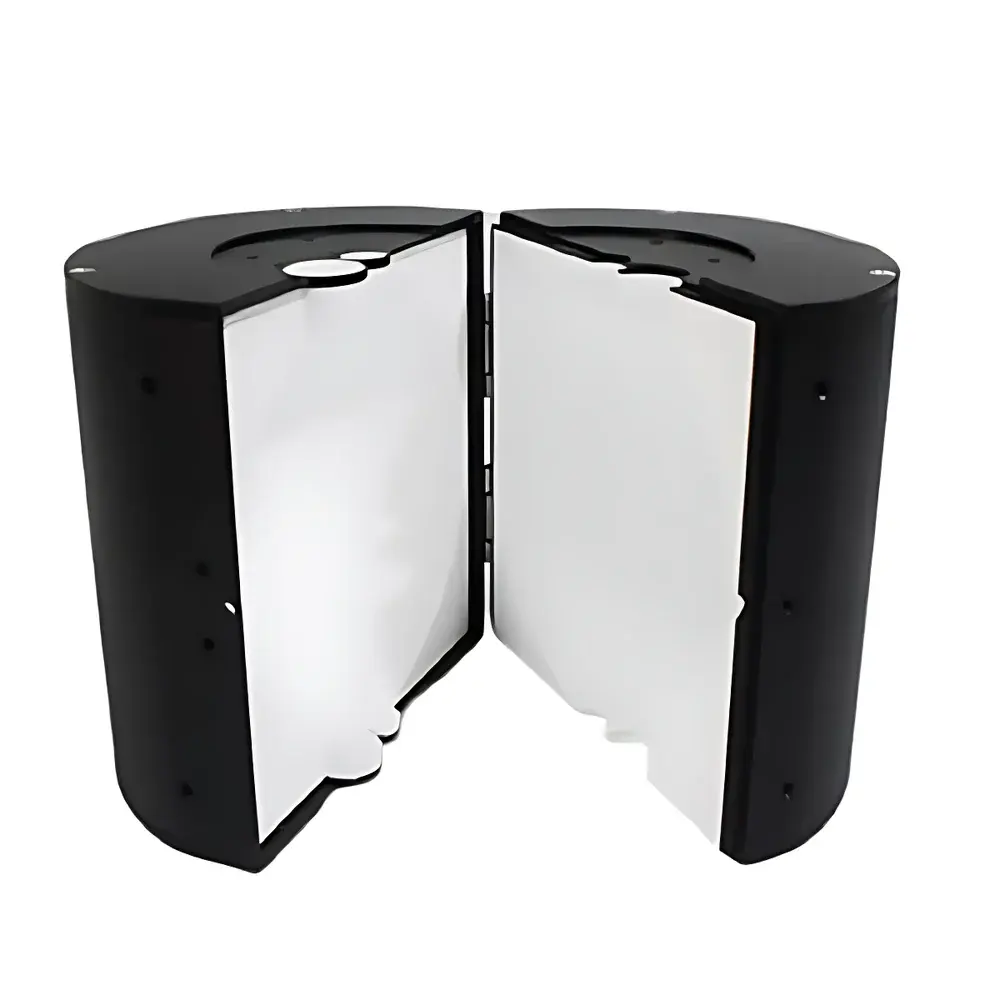
Luchike Integrating Sphere and Standard Diffuse Reflectance Panel
| Brand | Luchike |
|---|---|
| Origin | Anhui, China |
| Manufacturer Type | Direct Manufacturer |
| Product Category | Optical Component |
| Model | Integrating Sphere and Standard Diffuse Reflectance Panel |
| Available Sizes | 20 mm, 30 mm, 50 mm (internal diameter) |
| Spectral Range | 200–2500 nm |
| Coating Options | Barium Sulfate (BaSO₄), Polytetrafluoroethylene (PTFE), Gold (Au) for NIR/SWIR |
| Component Type | Optical Instrument Component |
Overview
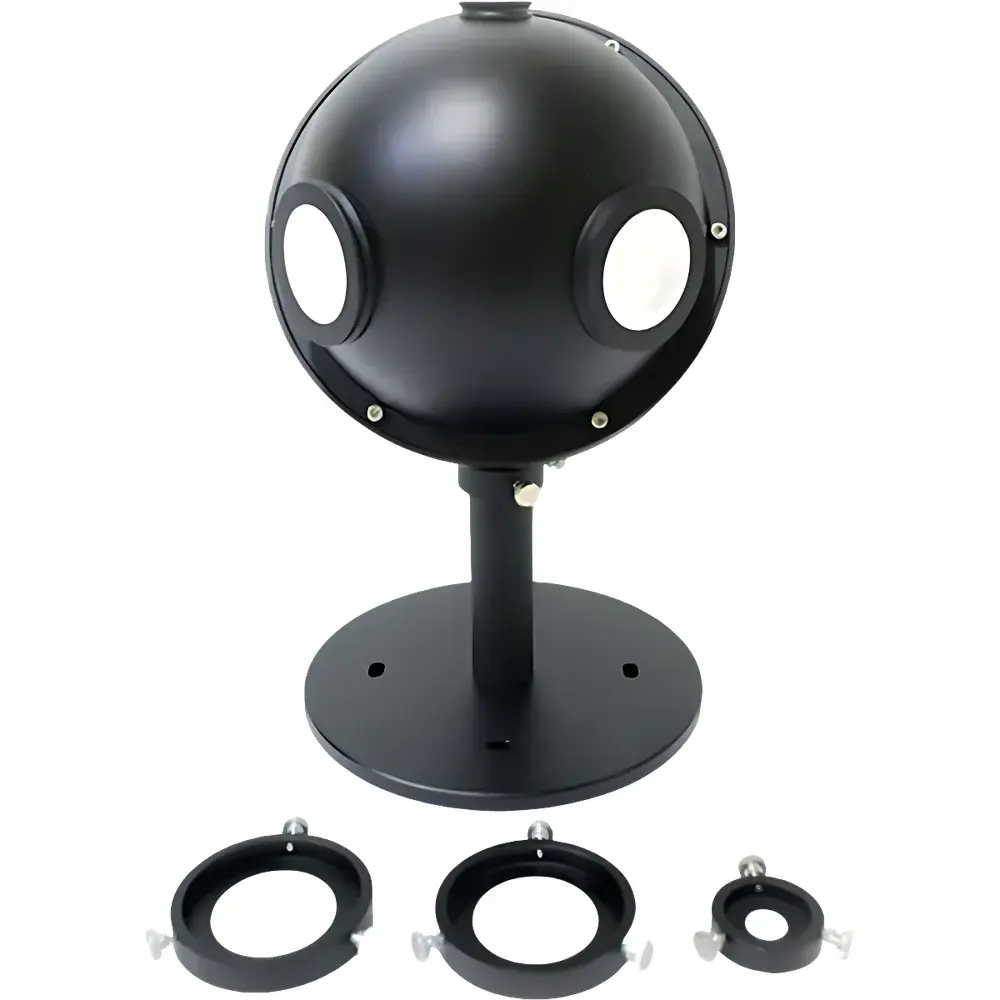
The Luchike Integrating Sphere and Standard Diffuse Reflectance Panel is a precision optical component system engineered for radiometric and photometric calibration, spectral reflectance/ transmittance measurement, and uniform light source generation in laboratory and industrial metrology environments. Based on the fundamental principle of multiple diffuse reflections within a highly scattering, spectrally neutral cavity, the integrating sphere achieves spatial homogenization of incident radiation—enabling accurate measurement of total hemispherical reflectance (THR), total hemispherical transmittance (THT), and directional-hemispherical reflectance (DHR). When paired with a calibrated standard diffuse reflectance panel, the system provides traceable reference values essential for instrument validation, inter-laboratory comparison, and compliance-driven optical testing across UV-VIS-NIR (200–2500 nm). Designed for integration into spectrophotometers, hyperspectral imagers, LED characterization setups, and remote sensing calibration workflows, this dual-component system meets foundational requirements for ISO/IEC 17025-accredited laboratories performing optical property quantification.
Key Features
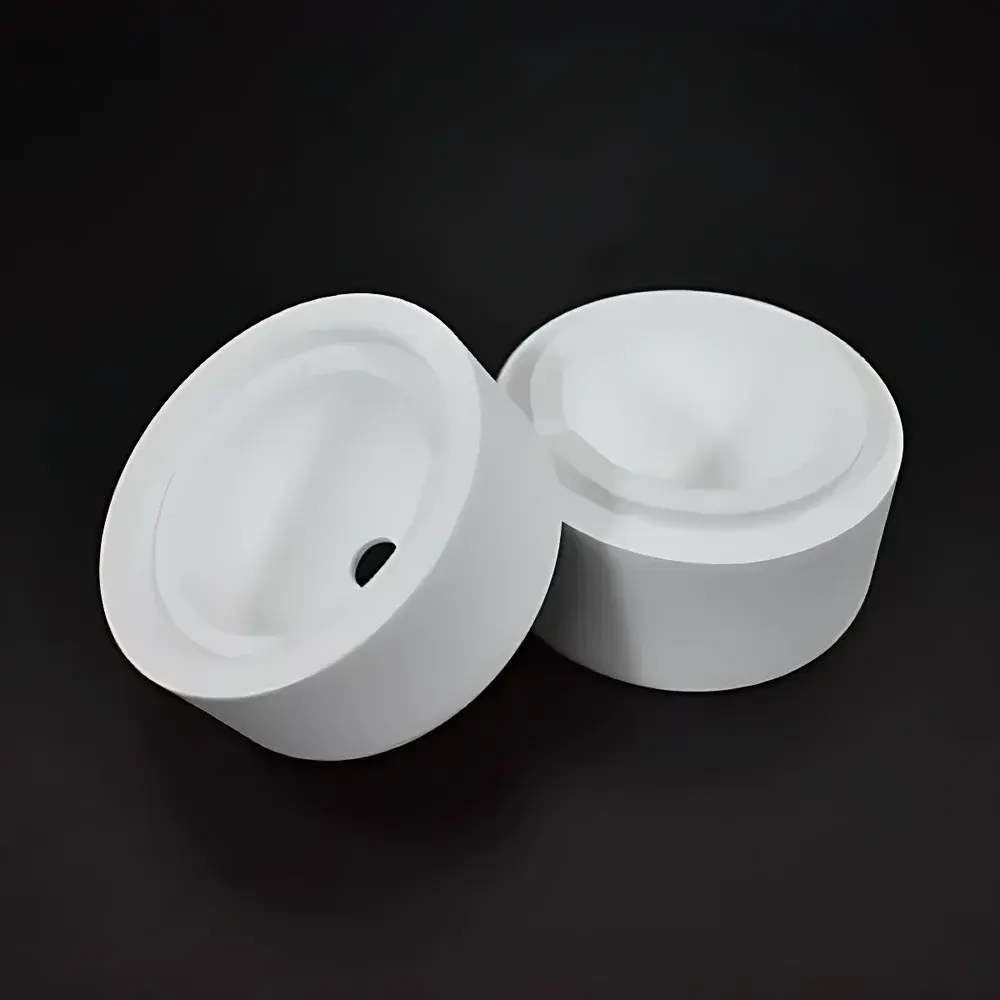
- Optically optimized spherical cavity with internal coatings selected for spectral fidelity: high-reflectance BaSO₄ (200–1600 nm), sintered PTFE (250–2500 nm), or evaporated gold (800–2500 nm) for extended near-infrared stability.
- Precision-machined aluminum or stainless-steel housing with black anodized interior baffle and port geometry optimized to minimize vignetting and port contribution errors.
- Standard internal diameters of 20 mm, 30 mm, and 50 mm—each validated for geometric attenuation factor (k-factor) consistency per ASTM E1331 and ISO 13468-2.
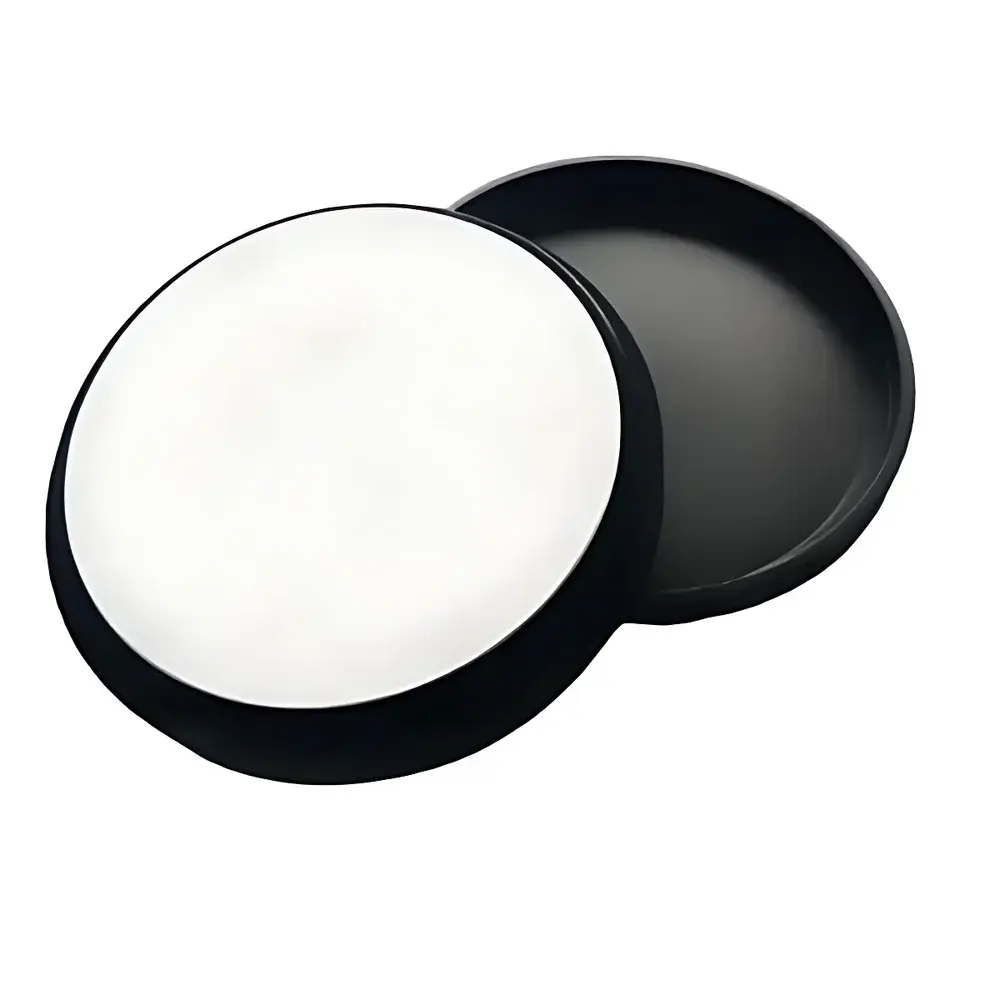
- Accompanying standard diffuse reflectance panels fabricated from pressed, spectrally stable BaSO₄ or PTFE substrates, certified for bidirectional reflectance distribution function (BRDF) uniformity < ±0.5% across 200–2500 nm at 8°/d geometry.
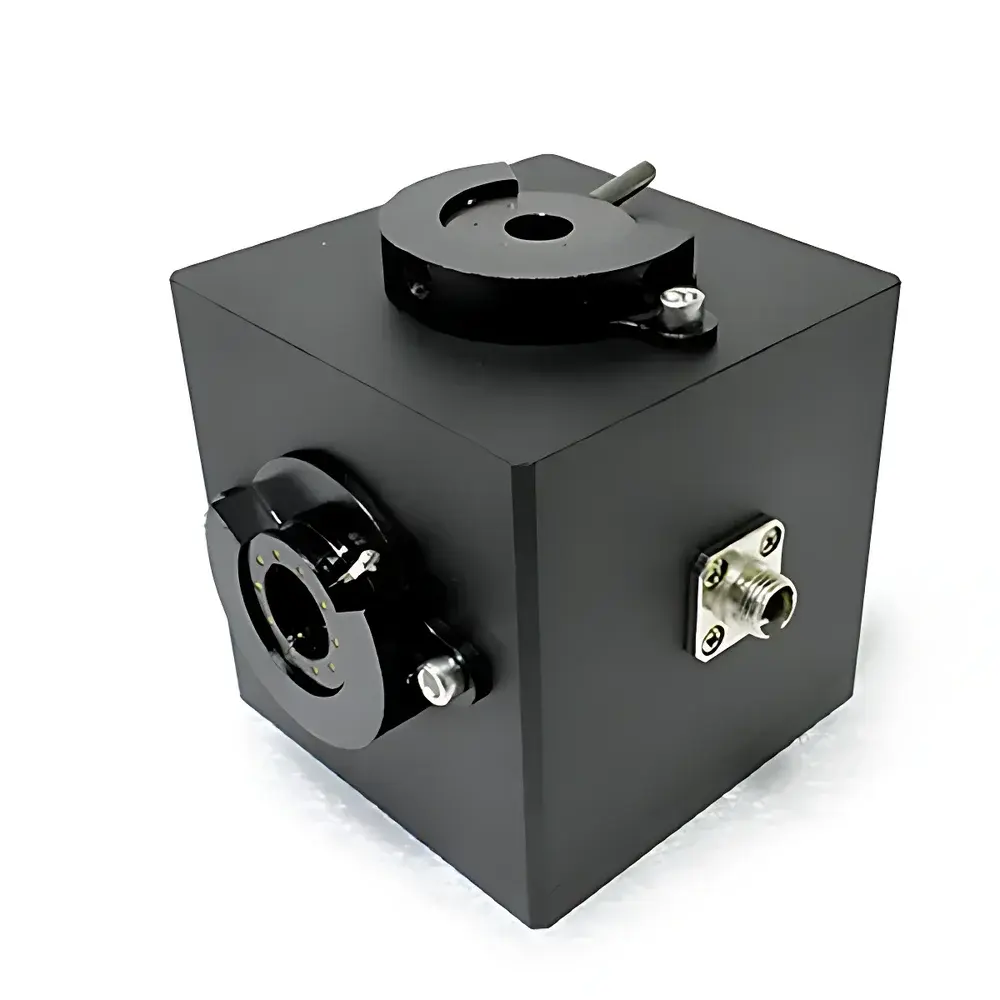
- Custom port configurations (sample, detector, source, auxiliary) with SMA905, FC/PC, or threaded flange interfaces compatible with commercial spectrometers and fiber-coupled sources.
- Designed for long-term reflectance stability: coated surfaces exhibit < 0.1% reflectance drift per year under controlled ambient storage (ISO 9001 cleanroom handling recommended).
Sample Compatibility & Compliance
The system supports solid, liquid, and powder samples via standardized sample port adapters and holder fixtures. Flat, opaque, and semi-transparent specimens up to 25 mm × 25 mm can be mounted directly onto the sphere’s sample port; liquid cuvettes (10 mm pathlength) are accommodated using optional flow-through cells. All standard panels are supplied with NIST-traceable reflectance certificates (certified against NIST SRM 990c or equivalent), enabling direct use in GLP/GMP-regulated environments requiring documented metrological traceability. The spheres comply with geometric and coating performance criteria outlined in ISO 13468-1 (plastics), ASTM E1331 (reflectance measurement), and CIE Publication 127 (spherical photometer design). No hazardous materials are used in coating formulations; RoHS and REACH declarations are available upon request.
Software & Data Management
While the integrating sphere and reflectance panel operate as hardware standards—requiring no embedded firmware—their implementation aligns with industry-standard data acquisition protocols. When integrated with spectrophotometers (e.g., Ocean Insight, Avantes, or PerkinElmer systems), raw intensity data is acquired in accordance with IEC 61000-4-30-compliant timing synchronization. Reflectance calculations follow the two-measurement method (sample vs. standard) as defined in ISO 13468-2, supporting export of CSV, HDF5, or JDX spectral files. Audit trails, user authentication, and electronic signatures may be implemented through third-party spectroscopy software platforms compliant with FDA 21 CFR Part 11 when deployed in regulated QC/QA settings.
Applications
- Calibration and verification of UV-VIS-NIR spectrophotometers, colorimeters, and multispectral cameras.
- Quantitative determination of material reflectance, absorptance, and transmittance for thin films, coatings, pigments, and biological tissues.
- LED and OLED luminous flux and efficacy measurement per LM-79 and IESNA TM-21 standards.
- Remote sensing sensor characterization, including vicarious calibration of airborne/satellite imaging spectrometers.
- Development and validation of BRDF/BTDF models in optical simulation software (e.g., LightTools, TracePro, FRED).
- Quality control of optical components such as anti-reflection coatings, diffusers, and beam homogenizers.
FAQ
What spectral range is supported by the standard BaSO₄-coated integrating sphere?
The barium sulfate coating delivers >97% diffuse reflectance from 200 nm to 1600 nm, with optimal performance between 350 nm and 1100 nm.
Can the sphere be used for absolute quantum yield measurements?
Yes—when coupled with a calibrated excitation source and a calibrated detection system, it serves as the collection geometry for integrating sphere-based quantum yield determination per ASTM E2758.
Is the standard diffuse reflectance panel replaceable and recalibratable?
Each panel is serialized and supplied with a unique calibration certificate. Recertification is available through accredited third-party labs using NIST-traceable reference standards.
Do you offer temperature-stabilized or vacuum-compatible versions?
Custom engineering options include O-ring sealed housings for low-pressure operation (<10⁻² mbar) and thermal management sleeves for operation between –20 °C and +60 °C.
How is geometric port correction applied during data reduction?
Port contribution is minimized via baffle placement per ISO 13468-2 Annex B; correction factors are derived empirically using the standard panel and incorporated into post-processing routines.



