
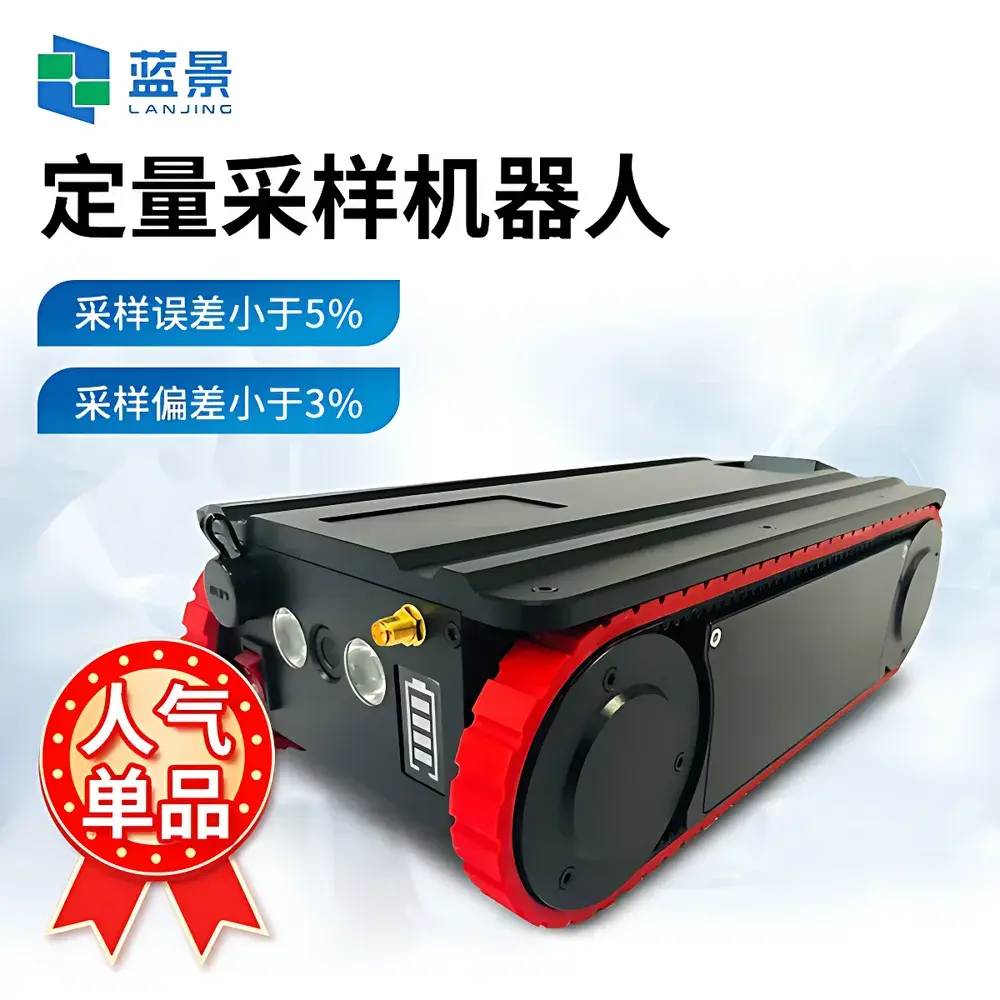
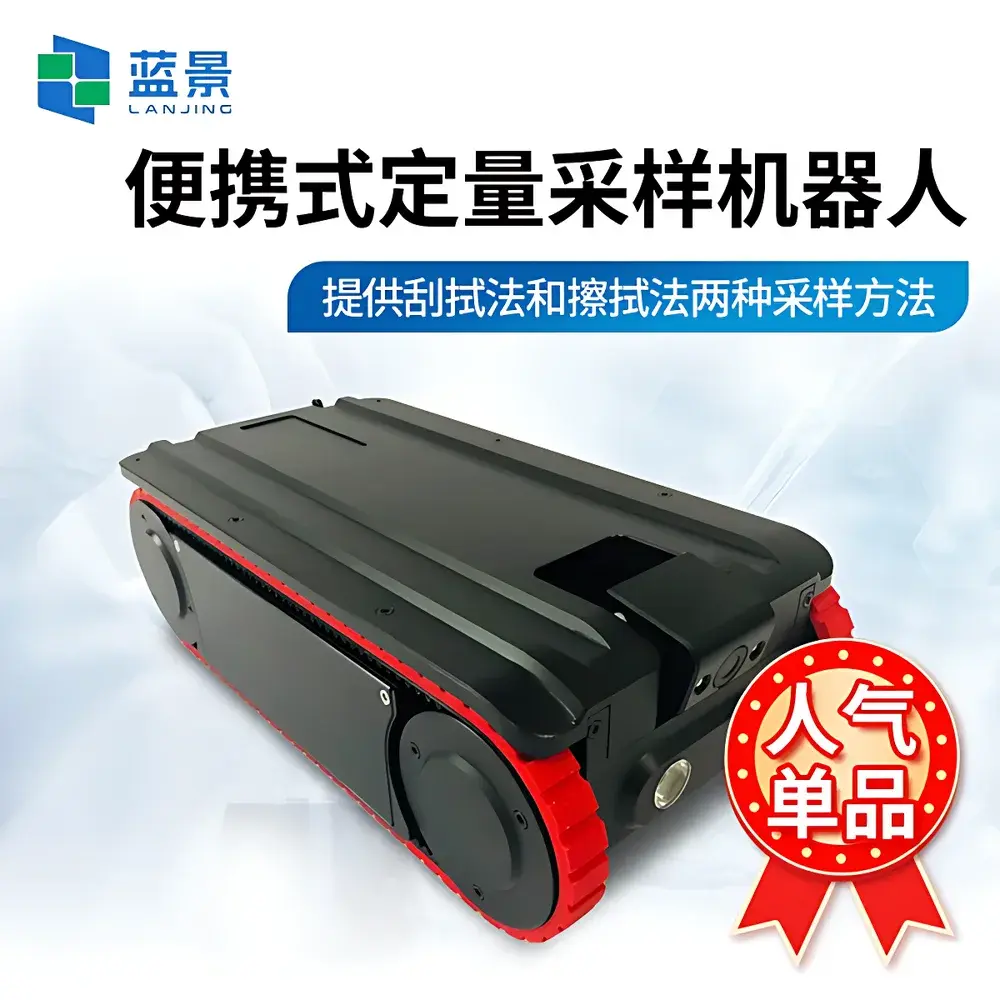
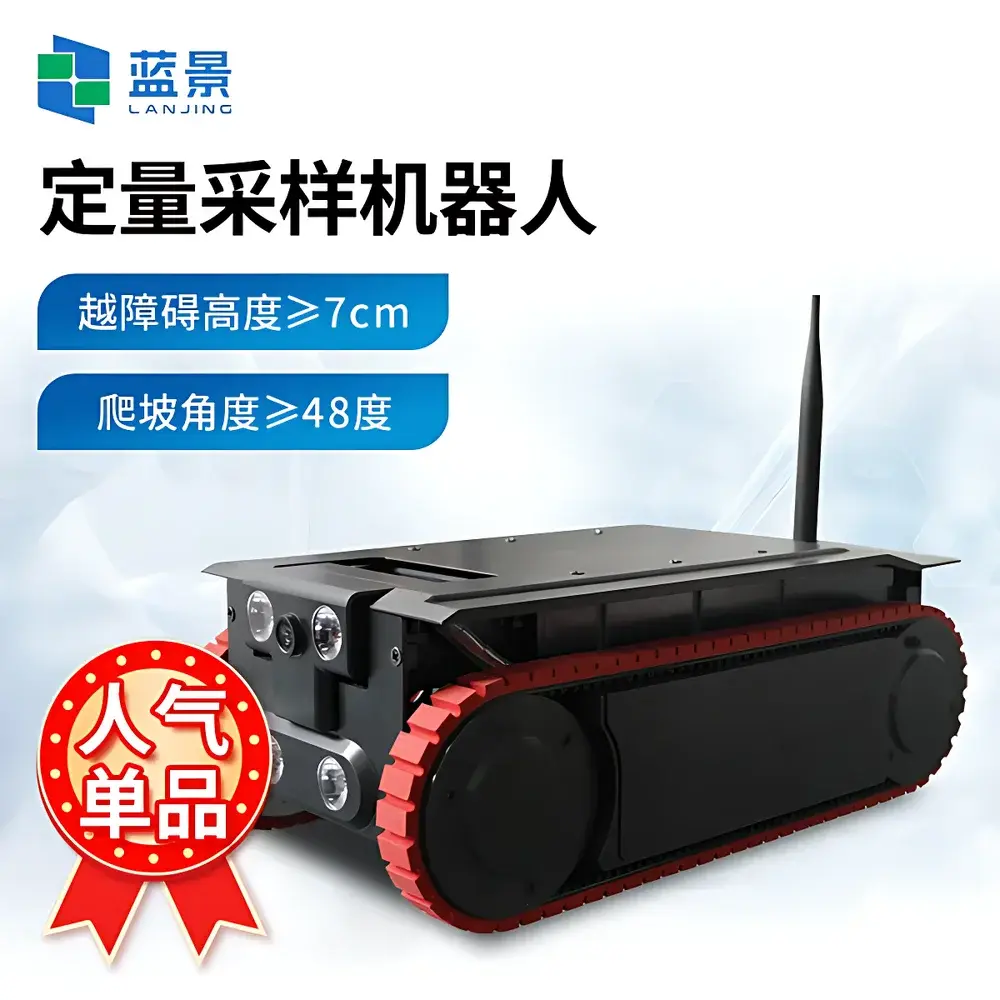
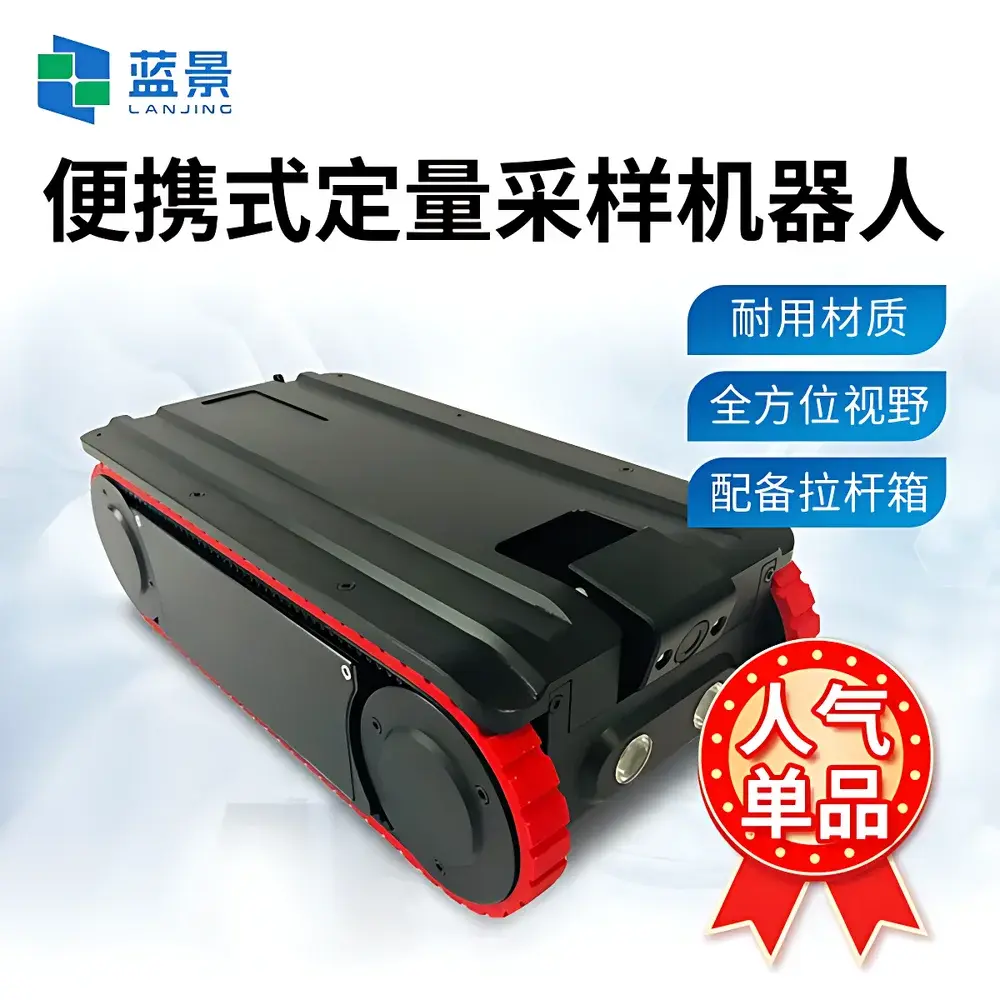
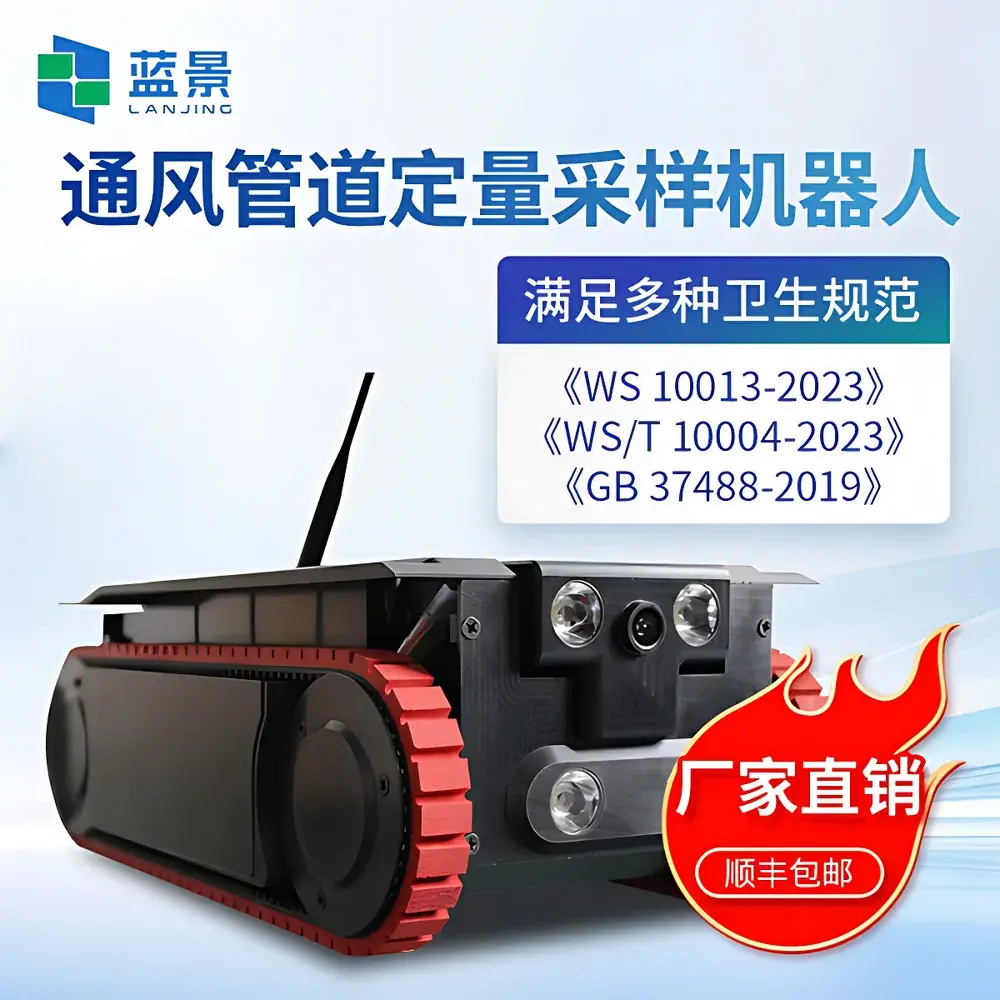
Lanjing LJ-DCY Portable Quantitative Sampling Robot for HVAC Duct Inspection
| Brand | Lanjing |
|---|---|
| Origin | Shandong, China |
| Manufacturer Type | OEM/ODM Manufacturer |
| Country of Origin | China |
| Model | LJ-DCY |
| Price | USD 5,000 (FOB Qingdao) |
Overview
The Lanjing LJ-DCY Portable Quantitative Sampling Robot is an ISO-compliant, field-deployable robotic platform engineered for standardized, traceable, and repeatable surface sampling within heating, ventilation, and air conditioning (HVAC) duct systems. It operates on a validated mechanical sampling principle—employing controlled-force, area-defined physical contact (via wipe or scrape modalities) to collect airborne particulate deposits and microbial biofilms from internal duct surfaces in accordance with established public health surveillance protocols. Designed explicitly for compliance with WS 10013–2023 (Hygiene Specification for Central Air Conditioning Ventilation Systems in Public Places), WS/T 10004–2023 (Hygienic Assessment Specification), and GB 37488–2019 (Hygiene Indicators and Limit Values for Public Places), the LJ-DCY integrates metrologically traceable sampling geometry, real-time visual navigation, and audit-ready automation logic to support GLP-aligned environmental hygiene monitoring programs.
Key Features
- Regulatory-Aligned Sampling Geometry: Dual-mode sampling head (wipe and scrape) delivers consistent 50 cm² contact area per sample; sealed dual-sampler configuration with integrated airflow recirculation path ensures particulate containment and minimizes cross-contamination.
- Duct-Native Mobility: Compact chassis (310 × 160 × 100 mm) enables entry into rectangular galvanized steel ducts as narrow as 100 × 160 mm; all-terrain drive system achieves ≥7 cm obstacle clearance and ≥48° incline climbing capability.
- Visual Navigation & Documentation: Dual 3-MP CMOS cameras (front: 200° tilt range + 150° horizontal FOV; rear: 150° horizontal FOV) with calibrated white LED illumination (front: 4 × 5 W; rear: 2 × 5 W) provide full-spectrum visual coverage for pre-sampling inspection, real-time guidance, and post-sampling verification.
- Automated Protocol Execution: Onboard firmware supports two standardized workflows—“Dust Accumulation Sampling” and “Microbial Surface Sampling”—executed via single-button initiation with timestamped logging, motion trajectory recording, and hardware-level sampling force modulation.
- Ruggedized Construction: ≥95% aerospace-grade aluminum alloy frame; hard-anodized surface with thickened passivation layer (≥15 µm) meets ASTM B580 Class II corrosion resistance requirements for indoor industrial environments.
- Flexible Deployment Architecture: Supports both wired (RJ45, ≥50 m cable reel) and wireless (2.4 GHz/5.8 GHz dual-band Wi-Fi) control; compatible with Android 10+ and HarmonyOS 4.0+ mobile devices, tablets, and Windows/Linux workstations.
Sample Compatibility & Compliance
The LJ-DCY robot is validated for quantitative collection of settled dust, fungal spores, bacterial colonies, and endotoxin-laden particulates from smooth metallic duct interiors (galvanized steel, stainless steel) and coated sheet metal surfaces. All sampling accessories—including sterile non-woven wipes, patent-pending spring-loaded scraper blades, magnetic rotary clamps, and disposable dust collection bags—are manufactured under cleanroom conditions (ISO 14644-1 Class 7) and supplied with lot-specific CoA documentation. The system complies with sampling methodology requirements outlined in WS 10013–2023 Annex C (Quantitative Surface Sampling Procedures) and supports data integrity frameworks aligned with FDA 21 CFR Part 11 (electronic records/signatures) when used with validated software configurations.
Software & Data Management
The LJ-DCY Control Suite (v3.2+) provides role-based access control, encrypted local storage (AES-256), and exportable CSV/JSON logs containing sampling location metadata (GPS-assisted duct segment ID tagging), actuator timestamps, camera frame indices, battery telemetry, and operator ID. Software modules include automated report generation compliant with GB/T 27404–2019 (Laboratory Quality Control Requirements for Chemical Testing), optional integration with LIMS via RESTful API, and built-in audit trail functionality supporting GLP/GMP inspection readiness. Firmware updates are delivered via signed OTA packages with SHA-256 verification.
Applications
- Pre-occupancy hygiene verification of newly installed HVAC systems in hospitals, laboratories, and pharmaceutical cleanrooms
- Routine maintenance sampling for dust load quantification per WS/T 10004–2023 Section 5.2
- Post-remediation validation following mold abatement or duct cleaning interventions
- Longitudinal environmental monitoring in transportation hubs (airports, metro stations) and high-density commercial buildings
- Research-grade surface microbiome mapping in controlled-environment facilities
FAQ
Does the LJ-DCY meet international standards beyond Chinese national regulations?
Yes—the mechanical sampling repeatability (<3% bias, <5% error), optical calibration traceability, and material biocompatibility align with ISO 16000-18 (Indoor air — Part 18: Measurement of microbial contamination on surfaces) and ASTM D5465–22 (Standard Practice for Determining Microbial Populations in Indoor Environments).
Can sampling data be exported for third-party laboratory analysis?
Yes—CSV exports include geotagged duct coordinates, sampling modality flags, surface area metadata, and operator credentials; raw image sequences (H.265 encoded) and time-synchronized sensor logs are stored on removable microSD cards (up to 512 GB).
Is remote operation supported across enterprise networks?
Yes—when deployed with optional 4G/LTE module (model LJ-DCY-RM), the robot supports secure TLS 1.3 tunneling and VLAN-segmented command routing for centralized fleet management in multi-site institutional deployments.
What is the expected service life under routine inspection use?
With scheduled calibration every 12 months and replacement of consumables per manufacturer’s logbook (e.g., LED arrays every 10,000 operating hours, drive belts every 2 years), the core platform maintains functional integrity for ≥5 years under typical municipal or facility management usage profiles.
Related Products







