
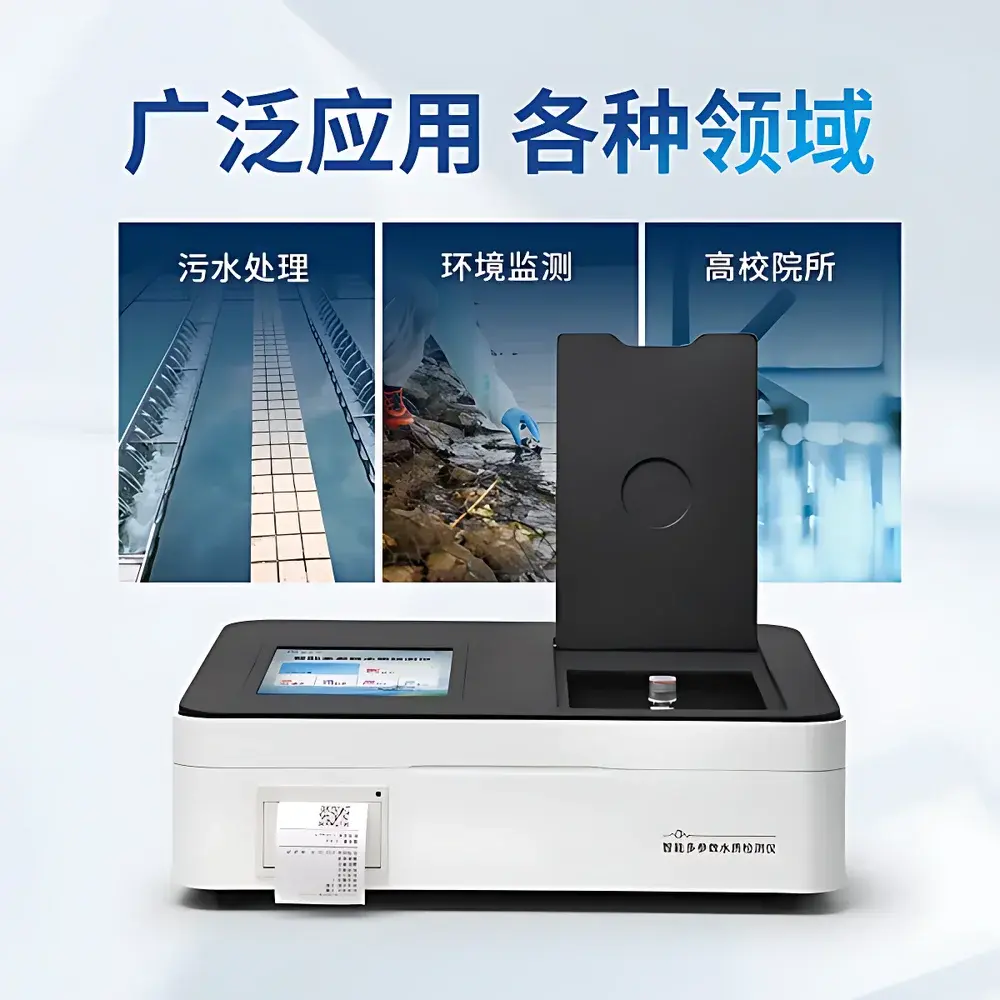
Lanjing LJ-TZMn Total Manganese Water Quality Analyzer
| Brand | Lanjing |
|---|---|
| Origin | Shandong, China |
| Manufacturer Type | Manufacturer |
| Product Category | Domestic |
| Model | LJ-TZMn |
| Instrument Type | Benchtop Laboratory Analyzer |
| Detection Principle | Photometric Method (Formaldehyde Oxime & Potassium Periodate) |
| Target Analyte | Total Manganese (Mn) |
| Detection Range | 0–5 mg/L |
| Detection Limit | 0.1 mg/L |
| Accuracy | ≤ ±5% FS |
| Stability | < 0.5% (20 min) |
| Repeatability | < 0.5% RSD |
| Optical Drift | ≤ 0.002 A in 20 min |
| Light Source | Imported High-Brightness LED with Auto-Calibration |
| Cuvette Compatibility | 10 mm, 30 mm, 50 mm rectangular cuvettes & φ16 mm round tubes |
| Display | 8-inch TFT-LCD Touchscreen (1024 × 768) |
| OS | Android 7.1.1 |
| Data Storage | 8 million records |
| Connectivity | Wi-Fi, RJ45, Bluetooth, Mobile Hotspot, USB 2.0, HDMI |
| Cloud Platform | Integrated Regulatory Compliance Cloud (LAN/WAN upload |
| Printer | Built-in Thermal Line Printer (QR code supported) |
| Power Supply | AC 220 V ±10%, 50 Hz / Optional 6 Ah Li-ion Battery |
| Dimensions | 367 × 243 × 125 mm |
| Weight | 5.3 kg |
| Operating Environment | 5–40 °C, RH < 85% (non-condensing) |
| Rated Power | 10 W |
Overview
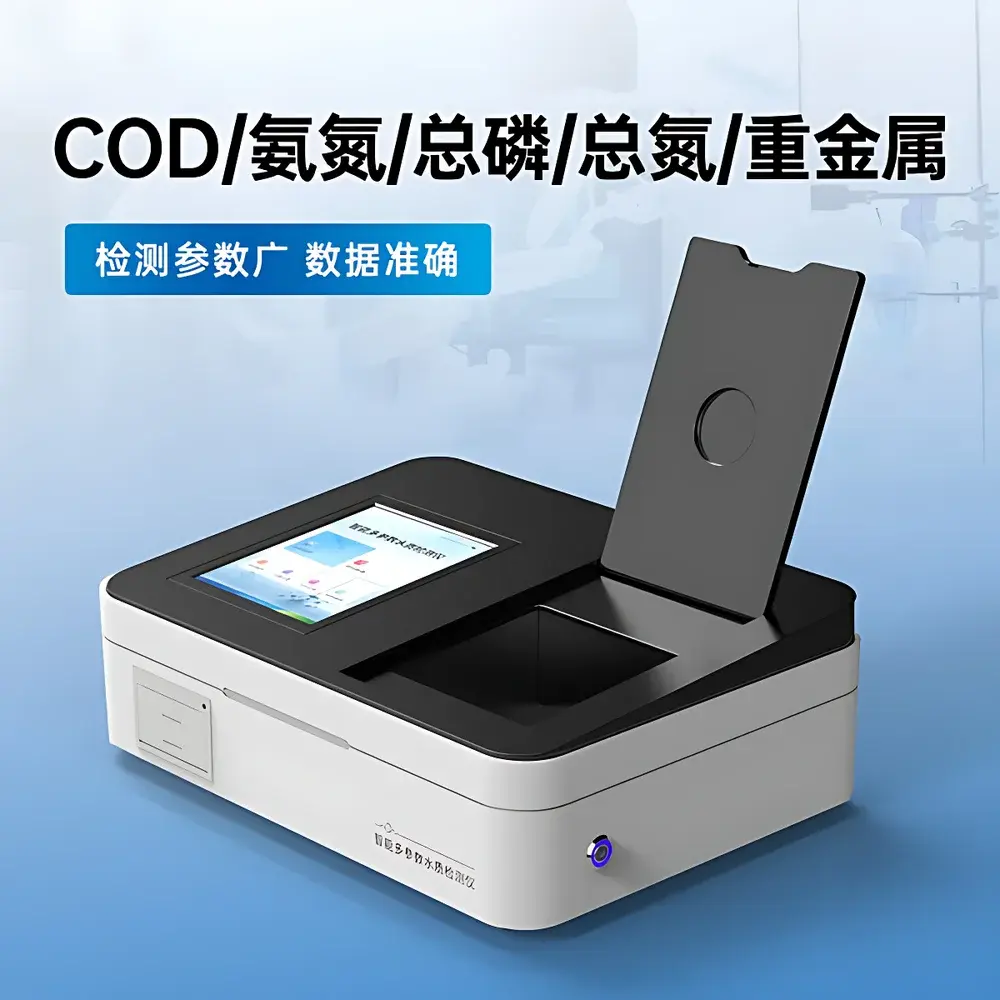
The Lanjing LJ-TZMn Total Manganese Water Quality Analyzer is a benchtop photometric instrument engineered for precise, trace-level quantification of total manganese (Mn) in aqueous matrices. It operates on two standardized colorimetric principles—formaldehyde oxime spectrophotometry (HJ/T 344–2007) and potassium periodate oxidation spectrophotometry (GB 11906–1989)—both widely accepted in Chinese environmental monitoring protocols and aligned with international methodological frameworks for transition metal analysis in water. The system employs a temperature-stabilized, auto-calibrating high-brightness LED light source and precision-machined optical path geometry to minimize photometric drift and inter-cuvette variability. Designed for regulatory compliance and routine laboratory use, the LJ-TZMn delivers reproducible absorbance measurements across its 0–5 mg/L linear dynamic range, with a method detection limit of 0.1 mg/L and certified accuracy within ±5% of true value under defined calibration conditions.
Key Features
- Android 7.1.1 operating system with intuitive bilingual (English/Chinese) GUI, enabling rapid method selection, real-time calibration verification, and contextual help navigation.
- 8-inch high-resolution capacitive touchscreen (1024 × 768) optimized for gloved-hand operation and ambient-lit lab environments.
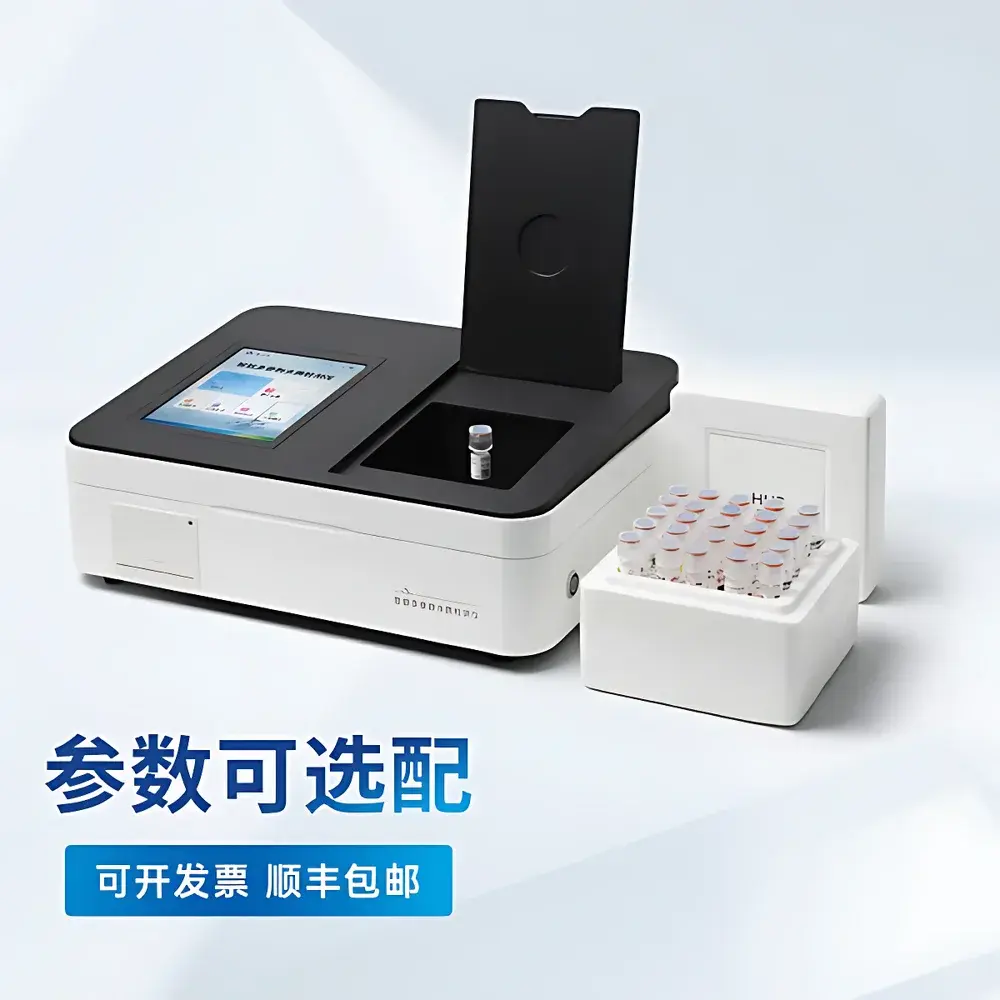
- Dual-mode optical cell compatibility: supports standardized 10 mm, 30 mm, and 50 mm rectangular cuvettes as well as φ16 mm integrated digestion-colorimetric tubes—ensuring flexibility across sample preparation workflows.
- Auto-compensated LED illumination system with real-time intensity monitoring and periodic self-alignment to maintain photometric integrity over extended service life (>100,000 hours).
- Onboard thermal line printer with configurable output templates—including QR-coded reports—for immediate documentation traceability and GLP-aligned record keeping.
- Integrated dual-network architecture: simultaneous Ethernet (RJ45), Wi-Fi, Bluetooth, and mobile hotspot connectivity for seamless data synchronization with local LIMS or national environmental regulatory cloud platforms.
- Built-in HDMI video output for live demonstration, staff training, or audit-ready presentation during internal QA reviews or external inspections.
- Field-deployable option with 6 Ah rechargeable lithium-ion battery, enabling uninterrupted operation during mobile sampling campaigns or emergency response scenarios.
Sample Compatibility & Compliance
The LJ-TZMn is validated for direct analysis of untreated and pretreated water samples—including raw surface water, municipal wastewater effluent, industrial process discharges (e.g., metallurgical, petrochemical, pulp & paper), and potable water sources following standard acid digestion protocols per HJ 485–2009 (for total recoverable Mn). Its optical design eliminates path-length dependency errors through fixed-focus beam collimation and matched cuvette holder tolerances. All measurement routines adhere to ISO/IEC 17025:2017 requirements for analytical competence, and data integrity complies with ALCOA+ principles (Attributable, Legible, Contemporaneous, Original, Accurate, Complete, Consistent, Enduring, Available). Instrument firmware and calibration logs support full audit trails required under China’s MEP Order No. 39 and are extensible to FDA 21 CFR Part 11–compliant environments via optional digital signature modules.
Software & Data Management
Data acquisition, processing, and reporting are managed through a purpose-built embedded application supporting CSV and Excel (.xlsx) export formats with embedded metadata (operator ID, timestamp, calibration batch, cuvette ID, method version). The system stores up to 8 million measurement records locally, indexed by date/time, sample ID, and analytical method—enabling rapid retrieval using Boolean filters or chronological slicing. Cloud integration permits automatic push transmission to provincial environmental monitoring centers via HTTPS-secured API endpoints. All data transfers include SHA-256 checksum validation and TLS 1.2 encryption. Firmware updates are delivered over-the-air (OTA) or via USB flash drive, preserving user-defined method configurations and historical calibration curves across revisions.
Applications
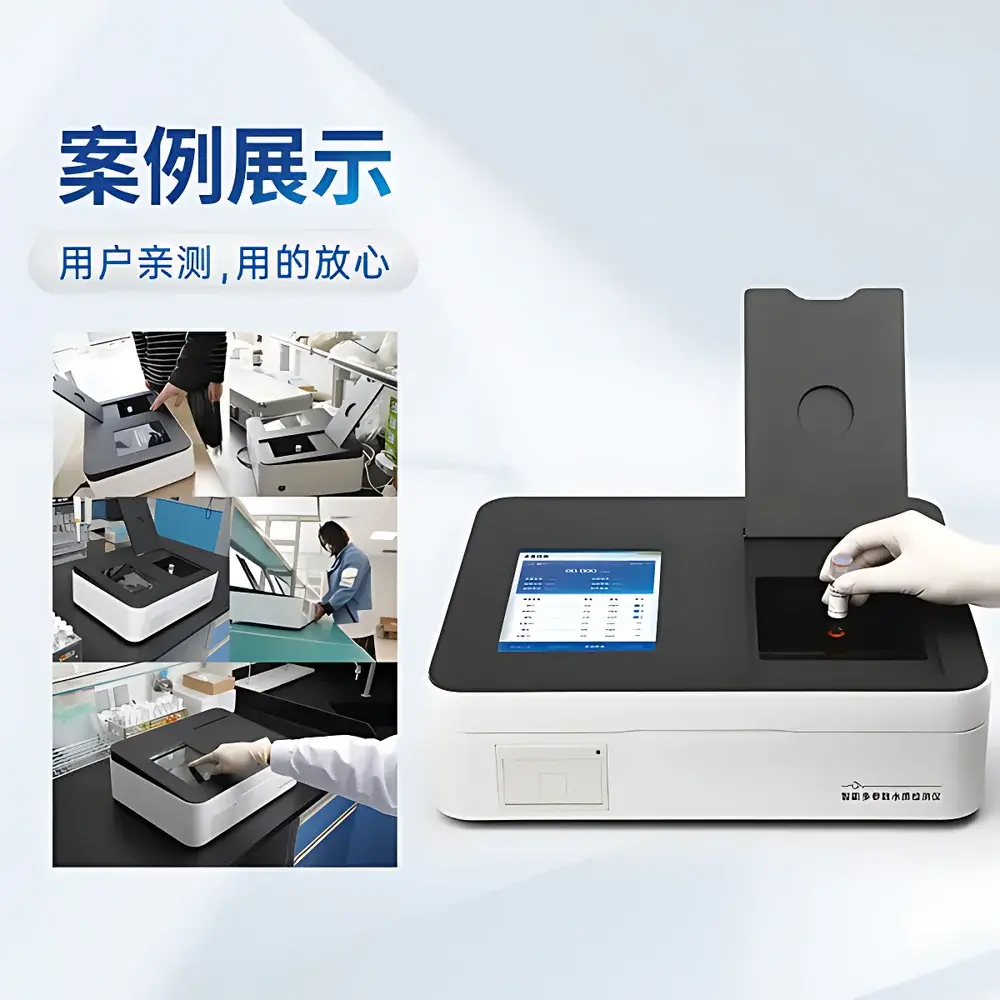
This analyzer serves laboratories engaged in environmental compliance monitoring, municipal water quality assurance, industrial effluent characterization, and academic research on trace metal biogeochemistry. Typical use cases include: routine Mn surveillance in drinking water treatment plants (per GB 5749–2022); discharge compliance verification for electroplating and battery manufacturing facilities; sediment porewater Mn speciation studies in wetland restoration projects; and longitudinal tracking of Mn mobilization in acid mine drainage systems. Its robustness, low maintenance footprint, and method-standard alignment make it suitable for both accredited testing labs and field-deployed mobile units operating under CNAS or CMA accreditation scopes.
FAQ
Does the LJ-TZMn comply with internationally recognized water quality standards?
Yes—it implements HJ/T 344–2007 and GB 11906–1989, which are technically equivalent to ISO 8288:1986 (nickel, cobalt, manganese, zinc, cadmium, copper in water) and align with EPA Method 200.7 for trace metals by ICP-OES where photometric screening is appropriate.
Can the instrument be calibrated using NIST-traceable standards?
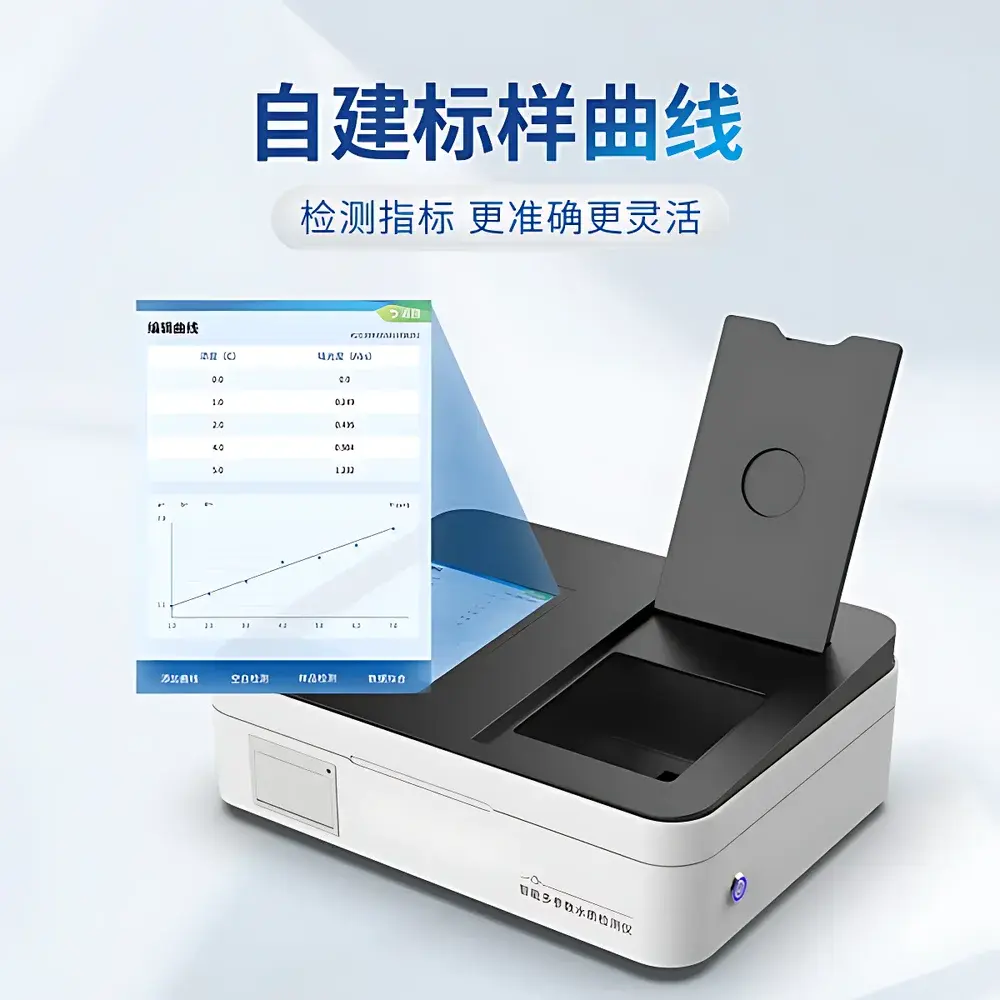
Absolutely. The system accepts certified reference materials (CRMs) from NIST, SPEX CertiPrep, or national metrology institutes; calibration curves are stored with certificate IDs and expiration dates.
Is remote diagnostic support available?
Yes—via secure SSH tunneling and screen-sharing capability embedded in the Android OS, enabling technical assistance without physical access.
What is the expected lifetime of the optical components?
The LED light source is rated for >100,000 hours; the optical housing uses anodized aluminum and fused silica windows resistant to humidity and chemical vapor exposure.
How does the system ensure data integrity during power interruption?
All measurements are written to non-volatile flash memory with journaling; unsaved edits trigger automatic rollback to last stable state upon reboot.
Related Products







