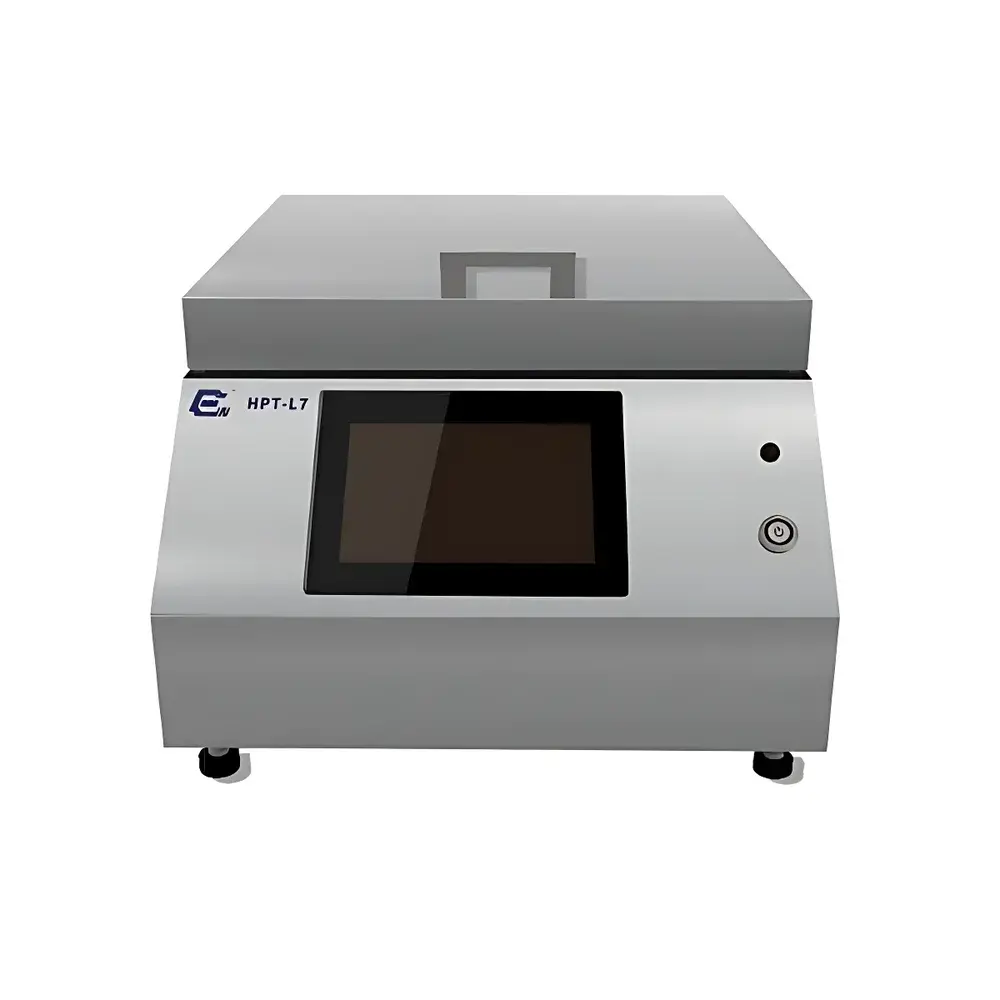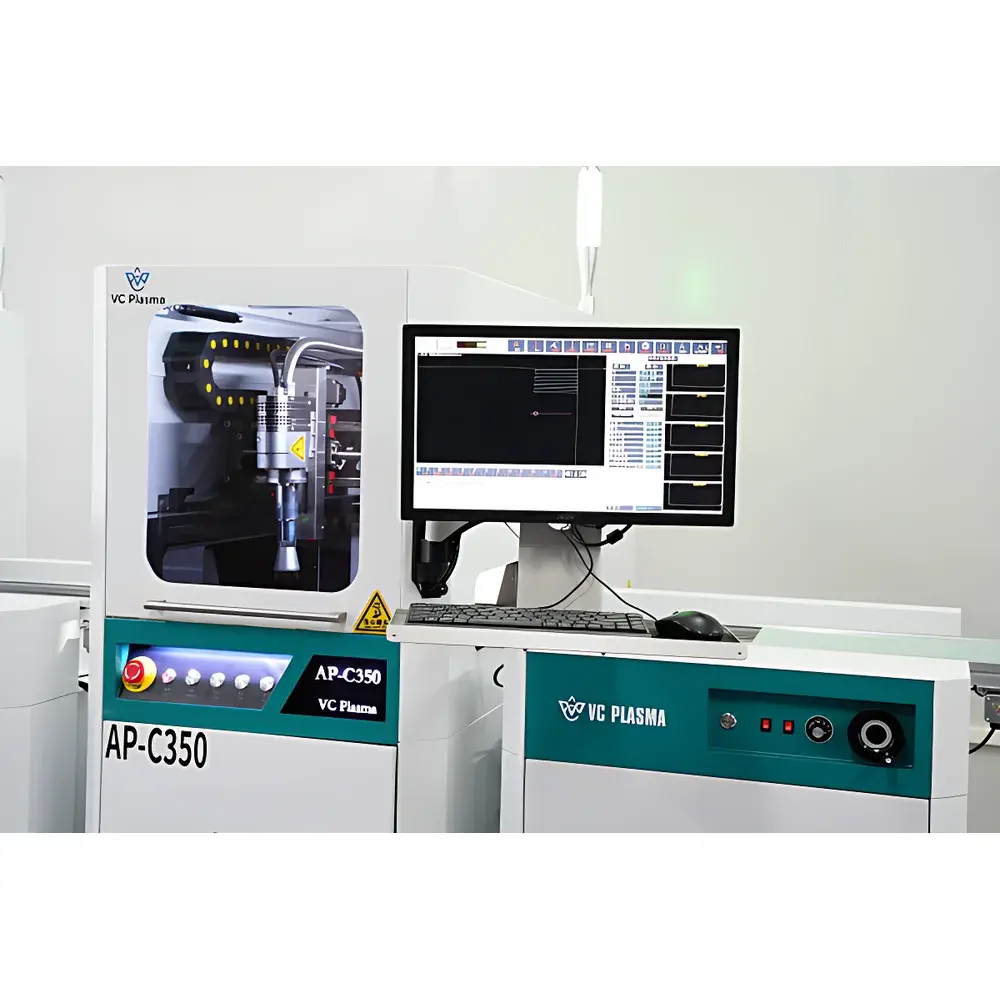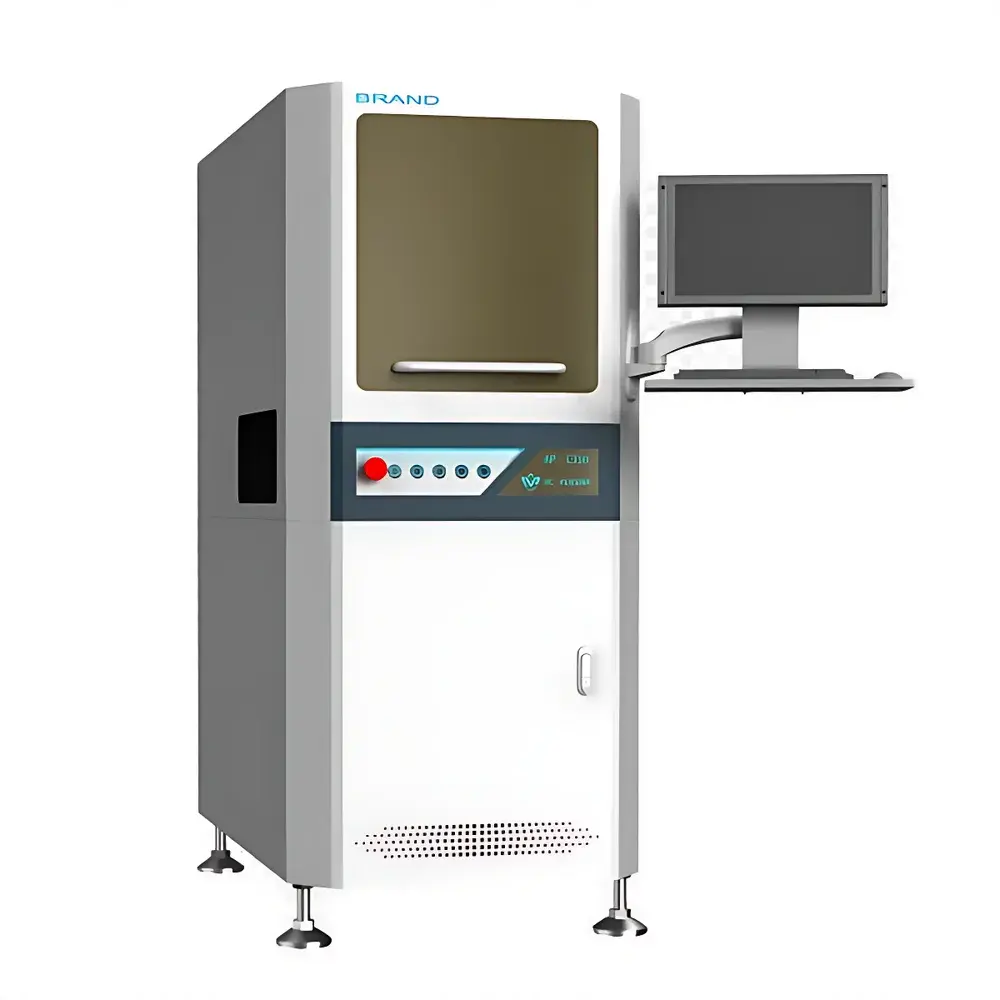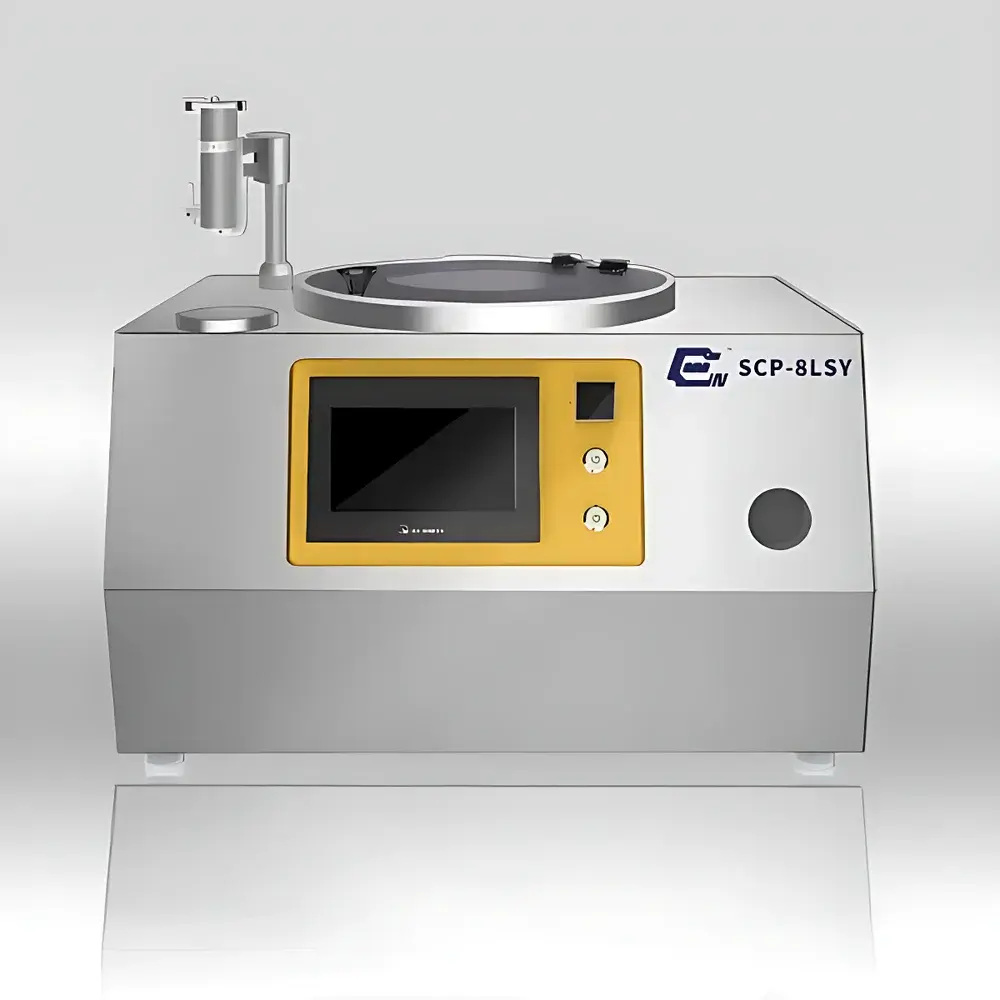
Alpha Plasma Q-Series Microwave Plasma Resist Stripper
| Brand | Alpha Plasma |
|---|---|
| Origin | Germany |
| Model | Q150, Q235, Q240, Q310 |
| Type | Microwave-excited Capacitively Coupled Plasma (CCP) Resist Stripping System |
| Application Domain | Semiconductor Front-End-of-Line (FEOL) & Back-End-of-Line (BEOL) Process Cleaning |
| Compliance | CE-marked, SEMI S2-0216 Certified, ISO 9001:2015 Manufactured |
| Footprint Options | Benchtop (Q150), Semi-automated Loadlock (Q235/Q240), Full-automated Cluster Tool Integration Capable (Q310) |
Overview
The Alpha Plasma Q-Series Microwave Plasma Resist Stripper is an engineered solution for high-fidelity, low-damage photoresist and polymer residue removal in advanced semiconductor fabrication. Unlike thermal or wet chemical stripping methods, the Q-Series employs a controlled 2.45 GHz microwave-generated plasma within a capacitively coupled discharge chamber. This enables highly selective, isotropic etching of organic resists—including hardened post-ion-implantation resists, SU-8, and BARC layers—without inducing substrate heating, surface oxidation, or metal line erosion. The system operates under precisely regulated process parameters (pressure: 10–150 mTorr; RF power: 300–1500 W; gas flow: N₂/O₂/CF₄/Ar blends), ensuring reproducible ash rates (typically 0.8–2.2 µm/min on 1.5 µm thick AZ5214) while preserving underlying Si, SiO₂, SiN, and low-k dielectric integrity. Designed for integration into 200 mm and 300 mm wafer manufacturing lines, the Q-Series supports both single-wafer batch processing and inline cluster tool configurations.
Key Features
- Multi-frequency plasma ignition architecture: Combines 2.45 GHz microwave coupling with auxiliary 13.56 MHz RF bias for independent control of ion energy and plasma density—critical for minimizing sputtering damage on fragile metallization stacks.
- Temperature-regulated electrostatic chuck (ESC): Maintains wafer temperature within ±2 °C across 150–300 mm substrates during extended strip cycles, preventing thermal stress-induced pattern deformation.
- Real-time endpoint detection via optical emission spectroscopy (OES): Monitors C₂ Swan band (516 nm) and CO γ-band (483 nm) intensity decay to terminate plasma exposure at resist depletion—reducing over-etch and native oxide growth.
- Modular gas delivery manifold with mass flow controllers (MFCs) calibrated per SEMI F57 standards: Supports multi-step recipes (e.g., O₂-rich ash → CF₄/N₂ descum → Ar sputter clean) with <±0.5% flow accuracy.
- Integrated vacuum interlock and pressure ramping logic compliant with SEMI E10-0217: Ensures sequential chamber conditioning and eliminates cross-contamination between process steps.
- CE-compliant safety enclosure with dual-channel door interlock, plasma arc suppression circuitry, and emergency RF shutdown (<100 ms response).
Sample Compatibility & Compliance
The Q-Series accommodates wafers from 100 mm to 300 mm diameter, including patterned SOI, GaAs, SiC, and compound semiconductor substrates. It is validated for removal of ion-implanted resists (up to 1×10¹⁶ cm⁻² As⁺ dose), MEMS sacrificial poly-Si and SiO₂ layers, and post-RIE polymer residues (e.g., fluorocarbon passivation films). All models meet SEMI S2-0216 (safety), SEMI S8-0716 (ergonomics), and ISO 14644-1 Class 5 cleanroom compatibility requirements. Process data logging adheres to FDA 21 CFR Part 11 audit trail specifications when paired with optional AlphaSoft™ v5.2 software.
Software & Data Management
AlphaSoft™ v5.2 provides recipe-driven operation with up to 999 programmable process steps, parameter validation (interlock checks for gas pressure, RF match, cooling water flow), and automated calibration logging. The system records timestamped OES spectra, RF forward/reflected power, chamber pressure, ESC temperature, and MFC setpoints at 100 Hz sampling rate. Export formats include CSV, XML, and SECS/GEM-compliant HSMS for MES integration. Audit trails are digitally signed and immutable; user access levels (Operator, Engineer, Admin) enforce role-based permissions aligned with ISO/IEC 27001 controls.
Applications
- Stripping of hardened photoresist after high-energy ion implantation (e.g., source/drain doping in FinFET and GAA transistor flows).
- Cleaning of mask aligner reticles and stepper photomasks without chrome erosion.
- Removal of SU-8 epoxy-based resists used in MEMS packaging and microfluidic channel definition.
- Descumming of sidewall polymer residues following deep silicon etch (Bosch process) or TMAH-based anisotropic etch.
- Surface activation and hydrophilicity enhancement prior to ALD or spin-on-glass deposition.
- Post-CMP organic contaminant removal where HF-based cleans risk trench undercutting.
FAQ
What plasma gases are supported for resist stripping?
Standard configurations support O₂, N₂, CF₄, and Ar, either individually or as premixed blends (e.g., 90% O₂/10% CF₄). Custom gas modules for H₂ or forming gas (N₂/H₂) are available under SEMI F27 qualification.
Is the Q-Series compatible with 300 mm FOUP loadports?
Yes—the Q310 model includes SMIF/FOUP interface options compliant with SEMI E47.1 and supports automated wafer transfer via SECS/GEM messaging.
How is process repeatability verified?
Each system ships with a certified quartz crystal microbalance (QCM) sensor kit for in-situ ash rate measurement and annual recalibration traceable to PTB (Physikalisch-Technische Bundesanstalt).
Can the system be retrofitted for ozone-assisted low-temperature ashing?
Ozone injection capability is available as an add-on module (Q-O3 Kit), enabling sub-80 °C resist removal for temperature-sensitive organic substrates and flexible electronics.
What maintenance intervals are recommended?
Chamber cleaning every 200 hours; RF match network calibration every 500 hours; OES spectrometer wavelength verification annually—per Alpha Plasma’s Preventive Maintenance Schedule v3.1 (Revision Date: 2024-Q2).