
LXtech LX-HT-CRF High-Throughput Catalyst Screening System
| Brand | LXtech |
|---|---|
| Model | LX-HT-CRF |
| Origin | Anhui, China |
| Type | Industrial & Academic Catalyst Evaluation Platform |
| Temperature Range (Configurable) | 20–1000 °C |
| Pressure Range (Configurable) | Ambient to 5 MPa |
| Max Parallel Sample Capacity | 1000 |
| Gas Channels (Configurable) | 1–3 |
| Thermal Uniformity | ±0.1 °C to ±1 °C (model-dependent) |
| Imaging Resolution (Configurable) | up to 640×512 pixels |
| Catalyst Loading Volume | 0.02–2 mL (customizable) |
| Compliance | Designed for ASTM D3241, ISO 1171, USP <621>, and GLP/GMP-aligned data integrity workflows |
Overview
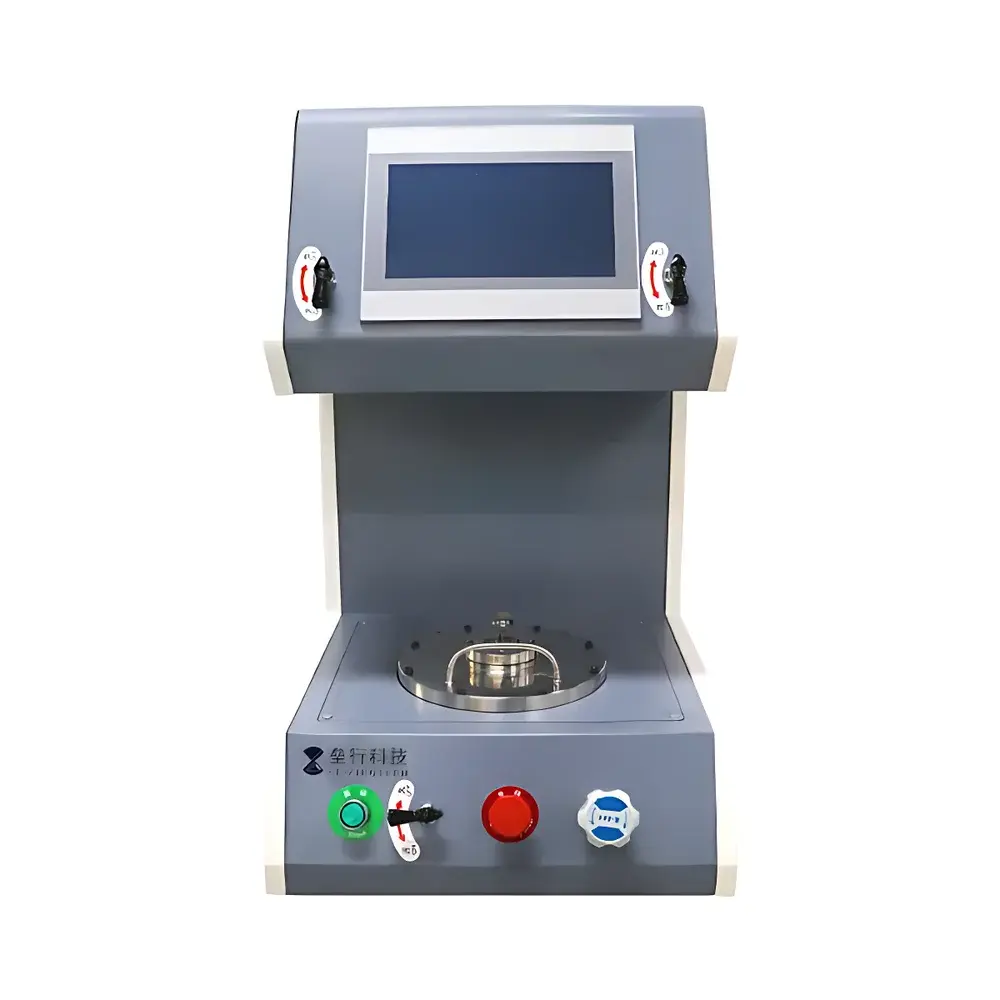
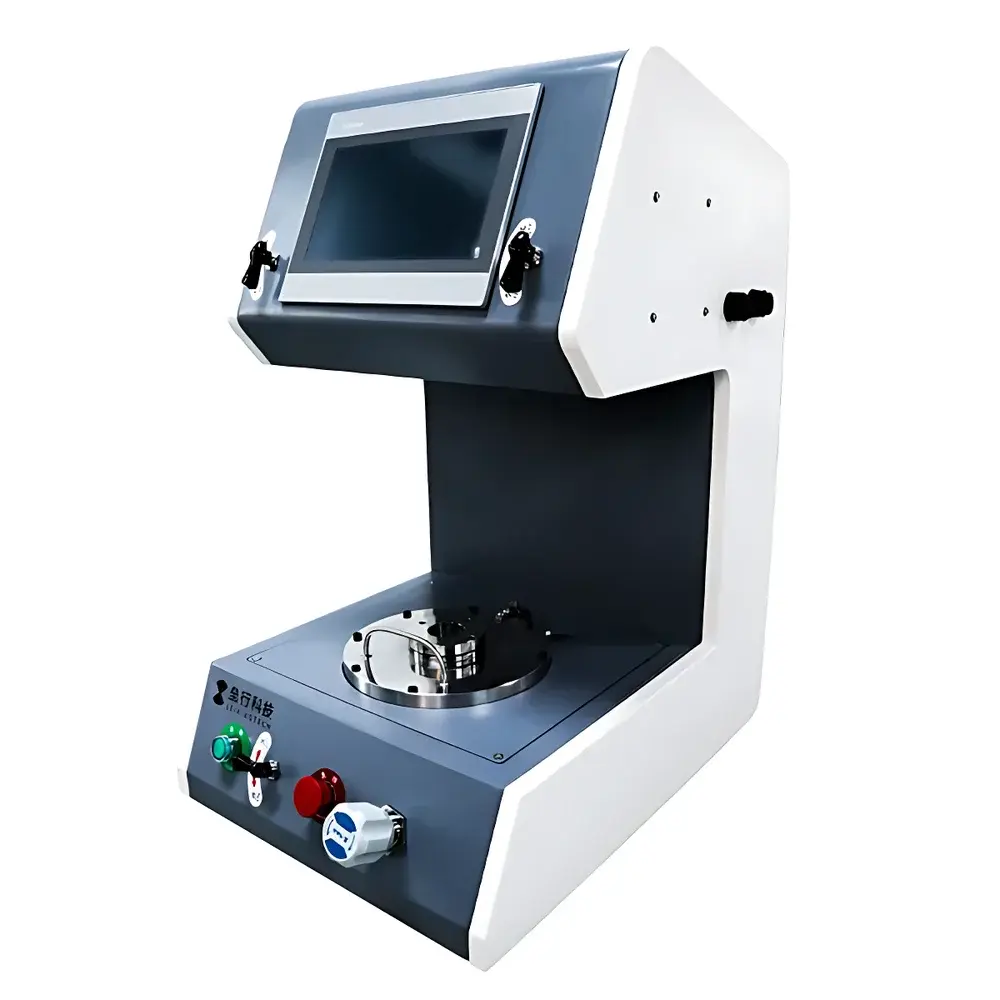
The LXtech LX-HT-CRF High-Throughput Catalyst Screening System is an engineered platform for accelerated heterogeneous catalysis research and functional material evaluation. Based on parallel fixed-bed microreactor architecture, it implements simultaneous thermal, pressure, and gas-flow control across hundreds of independent reaction zones—enabling statistically robust kinetic profiling, selectivity mapping, and stability assessment under industrially relevant conditions. Unlike sequential benchtop reactors, the LX-HT-CRF leverages modular cartridge-based sample carriers and distributed PID-controlled heating zones to maintain precise, decoupled temperature setpoints across all channels. Its core measurement principle integrates real-time mass flow monitoring (via calibrated MFCs), in situ thermal imaging (with radiometric calibration), and optional integrated GC/MS or FTIR coupling for product speciation—providing multi-dimensional output vectors per experiment.
Key Features
- Scalable parallelization: Supports up to 1000 discrete catalyst samples per run using standardized 96-well or custom high-density reactor arrays.
- Configurable thermal envelope: Four hardware-configured variants cover 20–300 °C (Base), 20–800 °C (Advanced), 20–400 °C (High-Pressure), and 20–1000 °C (Ultra-High-Temperature) operating ranges, each with traceable NIST-calibrated thermocouple networks.
- Pressure-resilient design: Dual-seal reactor cartridges rated for continuous operation at 5 MPa; compatible with inert, reducing, oxidizing, and corrosive gas environments (e.g., H₂, CO, O₂, NH₃, SO₂).
- Distributed gas management: Independent mass flow controllers (MFCs) per channel enable stoichiometric precision (±0.5% FS) and dynamic gas switching without cross-contamination.
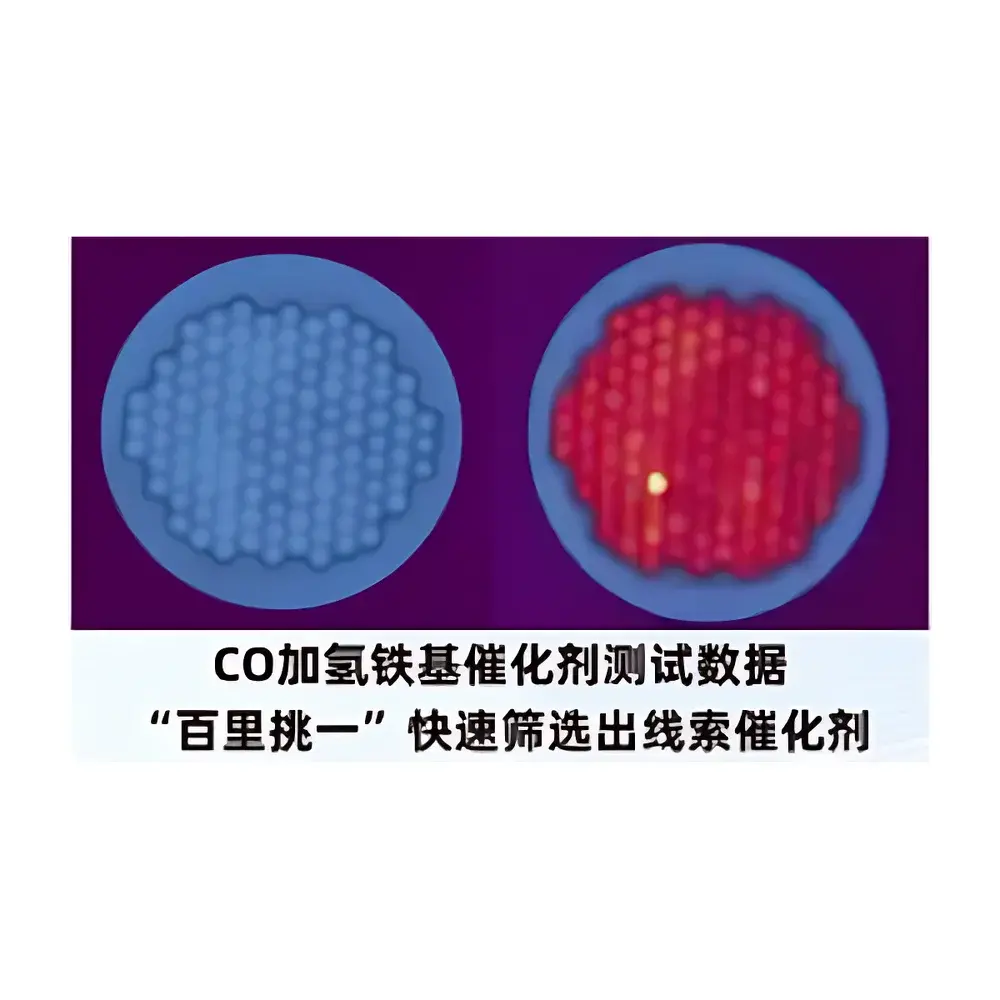
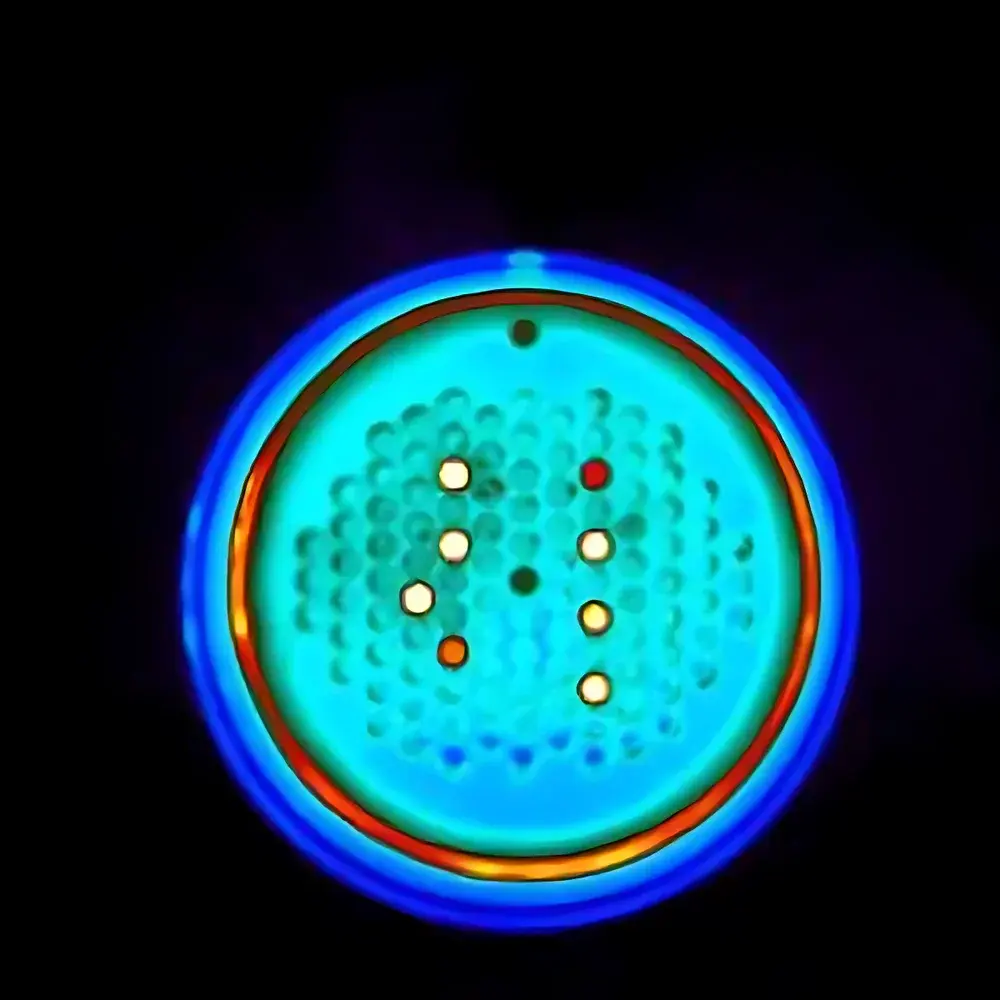
- Thermal imaging integration: Radiometric IR cameras (640×512 resolution, ±2 °C accuracy) provide non-contact surface temperature mapping and hotspot detection during exothermic/endothermic events.
- Safety-by-design architecture: Redundant overtemperature cutoffs, pressure-relief diaphragms, automatic purge sequencing, and hardware-triggered emergency shutdown (E-stop) compliant with IEC 61508 SIL 2 requirements.
Sample Compatibility & Compliance
The system accommodates powder, pellet, monolith, and coated-wall catalyst formats—including supported metals (Pt, Pd, Ni, Co), metal oxides (CeO₂, Fe₃O₄, V₂O₅), zeolites (ZSM-5, SAPO-34), MOFs, and conductive composites (MXene/CNT hybrids, Ag-filled polymer pastes). All wetted components are constructed from 316L stainless steel, Inconel 600, or alumina ceramics—validated for compatibility with sulfur-containing feeds, halogenated VOCs, and steam-rich atmospheres. The platform meets structural and documentation requirements for GLP-compliant catalyst testing (OECD 117, EPA Method 202) and supports audit-ready electronic records per FDA 21 CFR Part 11 when paired with validated software modules.
Software & Data Management
LX-Screen v4.2 software provides centralized experiment orchestration, real-time parameter visualization, and automated data aggregation. It supports scheduled ramp-hold-cool profiles, adaptive feedback loops (e.g., temperature modulation based on exotherm detection), and export to HDF5, CSV, or direct SQL database ingestion. Audit trails record user actions, configuration changes, and instrument state transitions with cryptographic timestamping. Optional AI-assisted analysis plugins perform cluster-based activity ranking, deactivation trend modeling, and structure–performance correlation using embedded PCA and SHAP interpretability frameworks—without requiring external cloud processing.
Applications
- Catalytic reaction screening: CO/CO₂ hydrogenation to C₁–C₃ oxygenates; selective oxidation of aromatics (e.g., toluene → benzaldehyde); low-temperature VOC abatement (formaldehyde, acetaldehyde); three-way catalyst (TWC) light-off and aging behavior.
- Thermal interface material (TIM) development: In-situ thermal resistance quantification under compressive load; interfacial delamination onset detection via thermographic strain mapping.
- Electrocatalyst precursor evaluation: Pre-reduction kinetics and phase evolution tracking during H₂ annealing of NiFe-LDH or CoP nanosheets.
- Process intensification studies: Catalyst bed geometry optimization (channel aspect ratio, void fraction) via parametric sweep across 100+ configurations in a single campaign.
FAQ
What standards does the LX-HT-CRF comply with for regulatory submissions?
It supports test execution aligned with ASTM D3241 (aviation turbine fuel thermal oxidative stability), ISO 1171 (ash content in solid fuels), and USP <621> (chromatographic system suitability)—with full traceability for calibration certificates, maintenance logs, and raw sensor outputs.
Can the system integrate with existing laboratory automation infrastructure?
Yes—via OPC UA and RESTful API interfaces, enabling bidirectional communication with LIMS, ELN, and robotic sample handlers (e.g., Hamilton STAR, Tecan Fluent).
Is remote operation supported for unattended overnight runs?
All variants include TLS-secured web-based remote access with role-based permissions, live thermal video streaming, and SMS/email alerting for deviation events.
How is catalyst loading consistency ensured across 1000 channels?
Automated gravimetric dispensing modules (optional) achieve ±1 µg repeatability; manual loading jigs include optical alignment guides and force-sensing tips to standardize packing density.
What level of technical support is provided post-installation?
LXtech offers on-site commissioning, annual performance verification (including temperature uniformity mapping and pressure decay testing), and application-specific method development workshops led by catalysis engineers with >15 years’ industrial R&D experience.





