
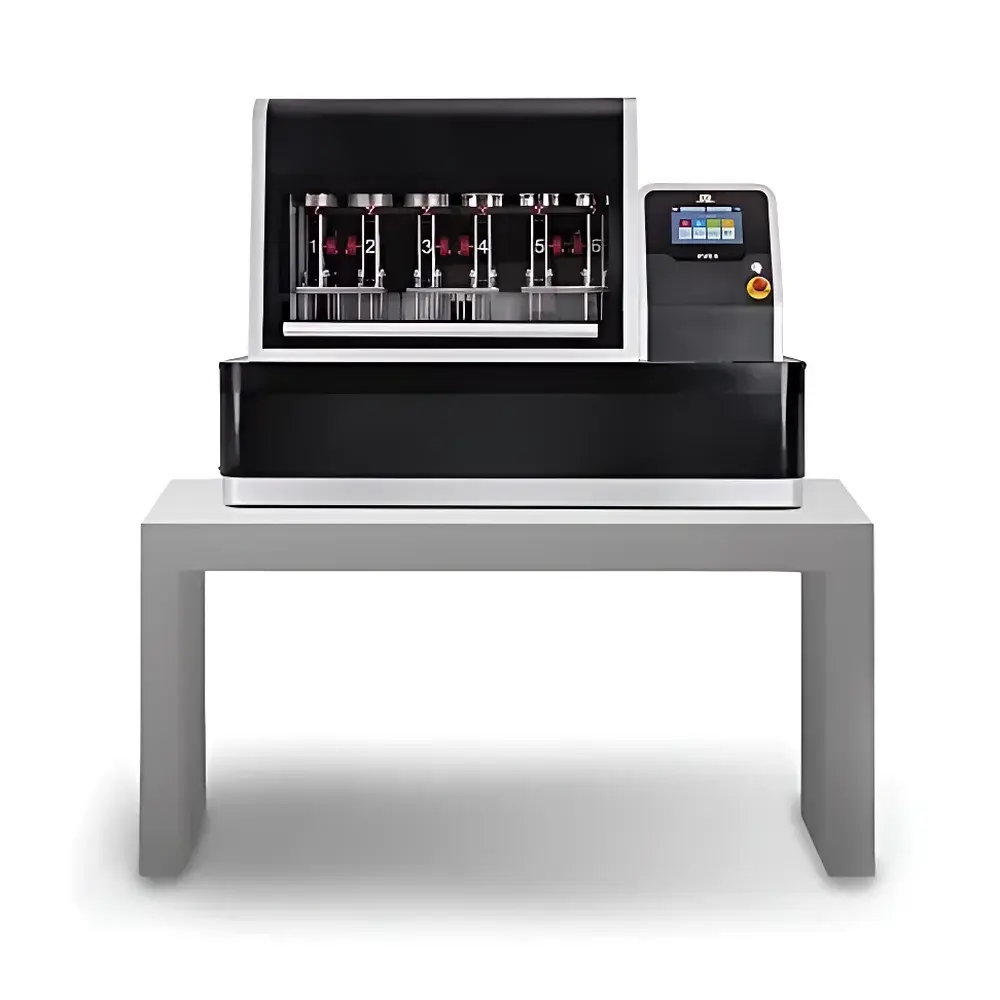
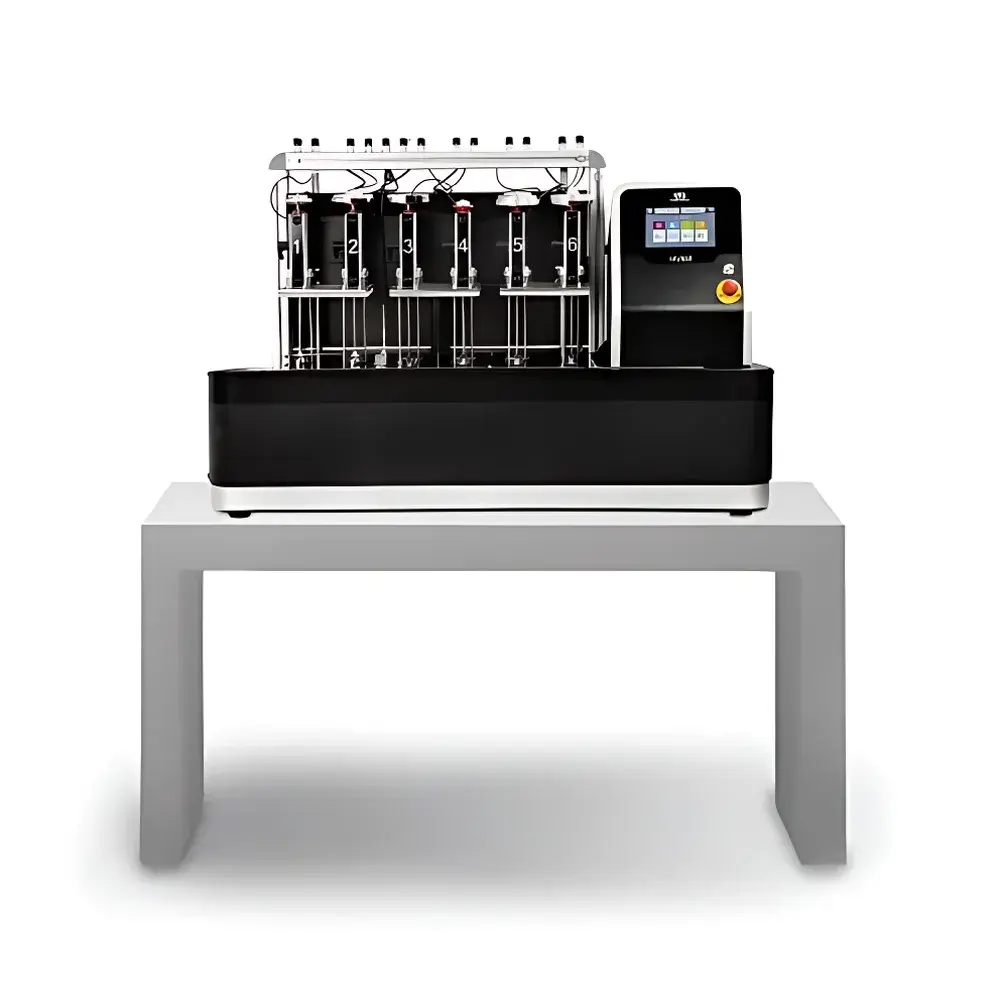
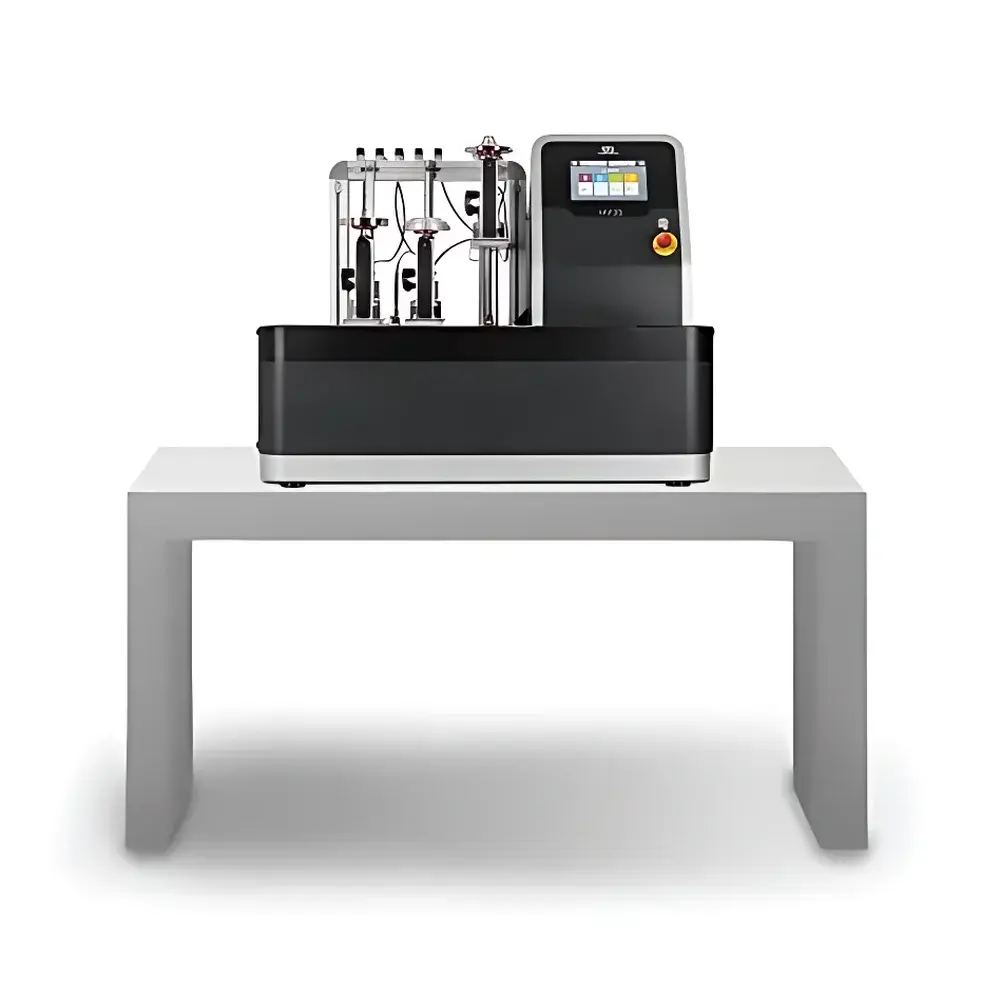
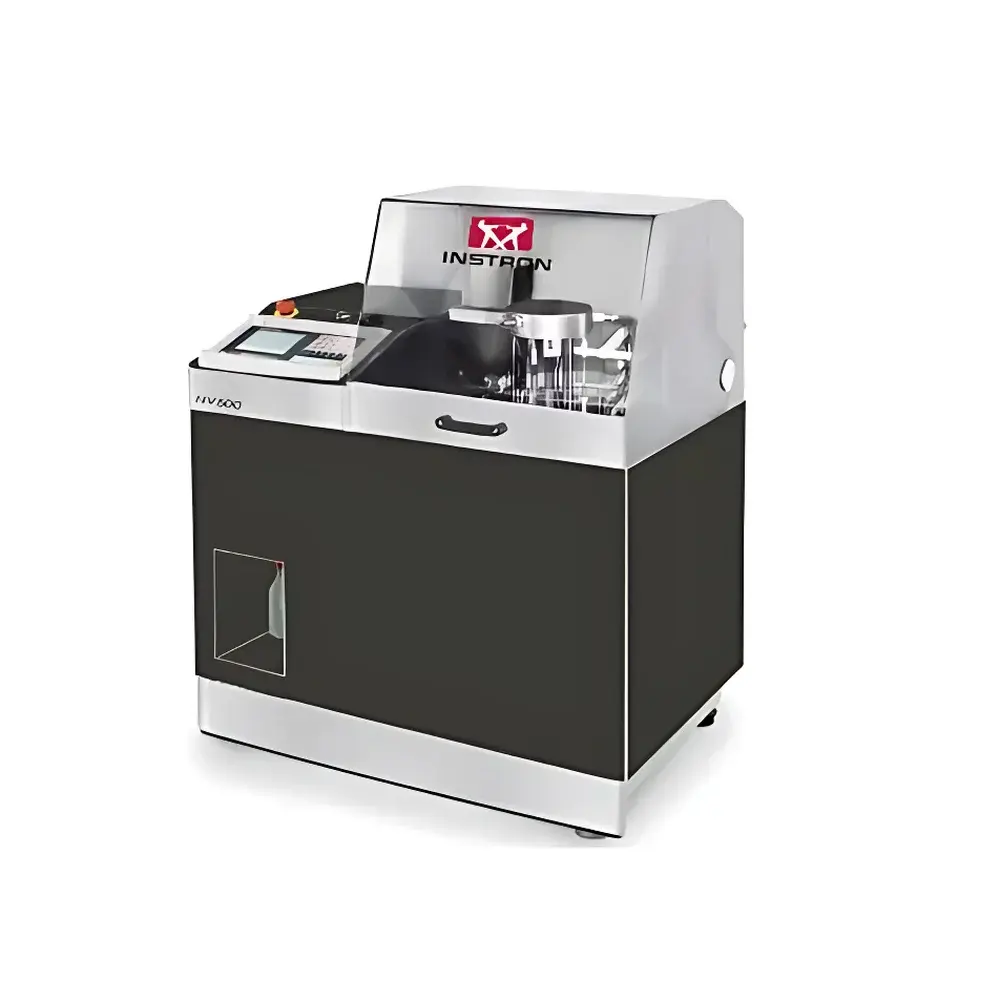
CEAST HV Series Heat Deflection Temperature (HDT) and Vicat Softening Point Tester
| Brand | INSTRON |
|---|---|
| Origin | Italy |
| Manufacturer | CEAST (INSTRON Group) |
| Model Variants | HV3S, HV6M, HV6X, HV500 |
| Temperature Range | Up to 500 °C (HV500) |
| Standard Range | 20–300 °C (HV3S/HV6M/HV6X) |
| Load Application | Manual (HV3S), Semi-Automated (HV6M), Fully Automated (HV6X), Fluidized Bed (HV500) |
| Test Stations | 3 (HV3S), 6 (HV6M/HV6X), 1 (HV500) |
| Compliance | ASTM D648, ASTM D1525, ISO 75-1/2/3, ISO 306, ISO 10350-1, GB/T 1634, GB/T 1633 |
Overview
The CEAST HV Series Heat Deflection Temperature (HDT) and Vicat Softening Point Tester is an engineered solution for precise thermal performance evaluation of thermoplastics, thermosets, and composite materials. Based on standardized deformation-under-load principles—specifically the deflection of a loaded rectangular bar under flexural stress (HDT, per ASTM D648 and ISO 75) and the penetration depth of a needle into a specimen under defined load and heating rate (Vicat, per ASTM D1525 and ISO 306)—the HV platform delivers metrologically traceable results in regulated industrial and R&D environments. Each variant (HV3S, HV6M, HV6X, HV500) is purpose-built to match laboratory throughput, automation requirements, and safety governance without compromising measurement integrity. The system employs oil-bath or fluidized-bed thermal media, coupled with high-stability LVDT displacement sensors and real-time thermal compensation algorithms, ensuring compliance with GLP/GMP data integrity expectations.
Key Features
- Modular Automation Architecture: HV3S offers manual load application and stage elevation; HV6M integrates motorized stage actuation with manual weight placement; HV6X provides fully automated load selection, stage positioning, and interlocked safety enclosure operation; HV500 replaces liquid media with a precision-controlled aluminum oxide fluidized bed capable of stable 500 °C operation.
- Thermal Stability & Control: All models feature PID-regulated heating, real-time oil degradation monitoring (with level and thermal breakdown alerts), and active cooling circuits that restore bath temperature to baseline within ≤8 minutes post-test—reducing cycle time and water consumption.
- Zero-Drift Sensor Calibration: Prior to each test, the system executes automatic LVDT zeroing and applies per-station thermal expansion correction coefficients derived from factory calibration matrices, minimizing systematic bias across temperature ramps.
- Ergonomic & Intuitive Interface: A dedicated 7-inch capacitive touchscreen operates independently of external PCs. Preloaded test templates (e.g., “ISO 75-2 Type A”, “ASTM D1525 B50”) enable single-tap method initiation, parameter review, and CSV export—no software installation required.
- Integrated Safety Engineering: HV6X includes a full-height interlocked polycarbonate enclosure with door-sensor cutoff; all models enforce programmable upper-temperature limits aligned with thermal fluid specifications (e.g., silicone oil max 300 °C) to prevent decomposition-related smoke or viscosity drift.
Sample Compatibility & Compliance
The HV Series accommodates standard ASTM/ISO-compliant specimens: 80–120 mm × 10 mm × 4–6 mm bars (HDT), and 10 mm × 10 mm × ≈4 mm plaques or injection-molded discs (Vicat). It supports both flat and edge loading configurations per ISO 75-2. All systems are supplied with full traceable factory calibration certificates covering temperature uniformity (±0.5 °C across bath zone), load accuracy (±0.5% of nominal), and displacement resolution (0.001 mm). Regulatory alignment includes design verification per ISO/IEC 17025:2017 clause 5.5.2, audit readiness for FDA 21 CFR Part 11 (when paired with Bluehill HV), and documented adherence to ASTM D648 Annex A1 (thermal gradient control) and ISO 306:2020 section 6.3 (heating rate validation).
Software & Data Management
Bluehill HV software (optional but recommended for regulated labs) extends the embedded touchscreen functionality with role-based user profiles (Operator, Supervisor, Administrator), electronic signatures, and full 21 CFR Part 11 compliance—including audit trails for method edits, result overrides, and system configuration changes. It enables batch reporting with automatic pass/fail flagging against specification limits, statistical process control (SPC) charting of HDT/Vicat trends over time, and direct LIMS integration via ASTM E1384-compliant XML export. Raw sensor data (temperature vs. time, displacement vs. time) is stored in vendor-neutral CSV format with metadata headers (test ID, operator, ambient conditions, calibration ID).
Applications
The CEAST HV Series serves quality control laboratories in automotive polymer suppliers (e.g., PP, PPA, PEEK components), medical device manufacturers validating sterilization-resistant resins, and compounders developing flame-retardant engineering plastics. Typical use cases include incoming raw material verification against datasheet HDT values; comparative screening of heat-stabilized grades; qualification of recycled-content formulations for elevated-temperature structural applications; and regulatory submission testing for ISO 10993-12 cytotoxicity support studies requiring thermal stability evidence. Its reproducibility (CV < 1.2% for repeated HDT measurements on ABS per ISO 75-3) makes it suitable for round-robin interlaboratory studies.
FAQ
What standards does the HV Series officially support?
ASTM D648 (HDT), ASTM D1525 (Vicat), ISO 75-1/2/3, ISO 306, ISO 10350-1, GB/T 1634, and GB/T 1633—with full documentation of uncertainty budgets for each parameter.
Can the HV500 replace traditional oil-bath systems for high-temperature testing?
Yes—the HV500’s fluidized aluminum oxide bed eliminates thermal stratification, provides faster ramp rates above 300 °C, and avoids oil degradation issues inherent in silicone or paraffin baths at extreme temperatures.
Is Bluehill HV required for GLP compliance?
No, but it is necessary for full 21 CFR Part 11 compliance; the standalone touchscreen meets basic ISO/IEC 17025 requirements for method execution and data recording.
How is thermal expansion error corrected during multi-station testing?
Each test station undergoes individual thermal expansion characterization during factory calibration; real-time correction coefficients are applied dynamically based on measured bath temperature and station-specific geometry.
What maintenance intervals are recommended for oil-bath models?
Oil level and clarity inspection every 50 tests; full oil replacement every 12 months or 500 test cycles—whichever occurs first—per INSTRON Technical Bulletin TB-HV-004.
Related Products





