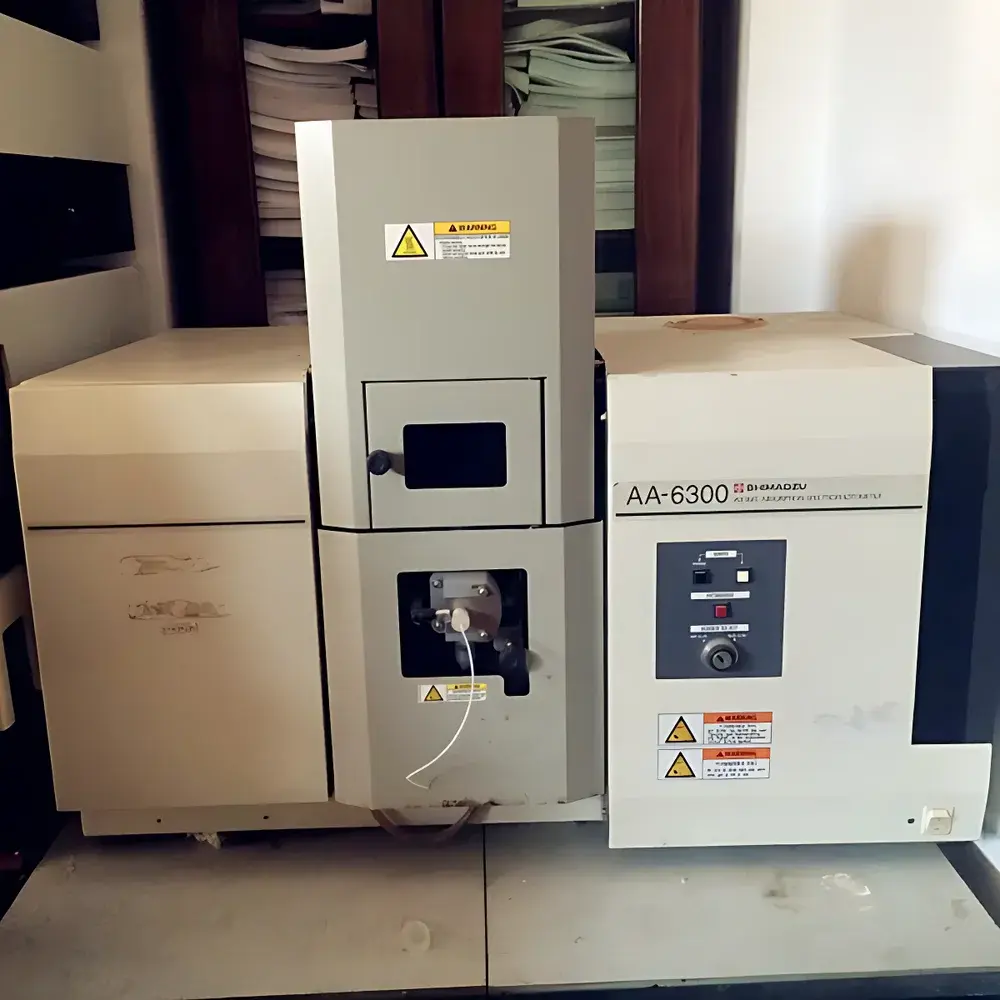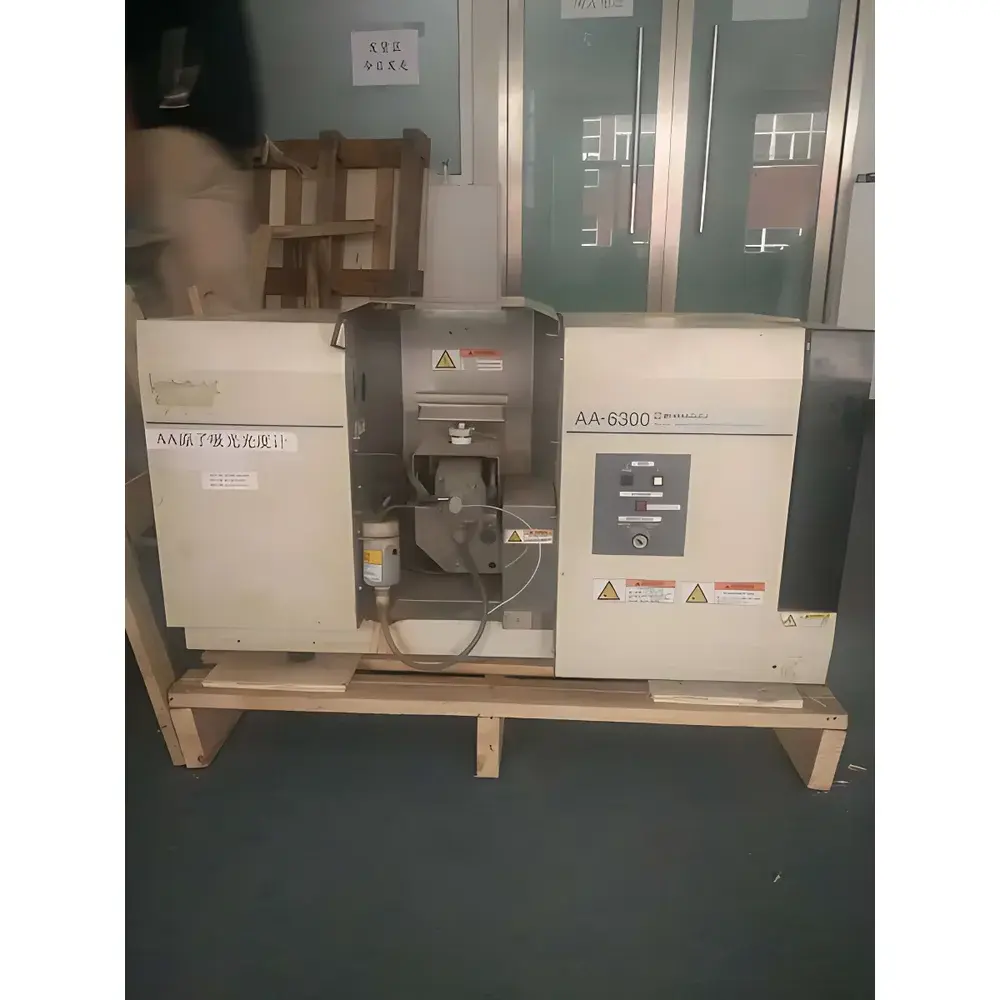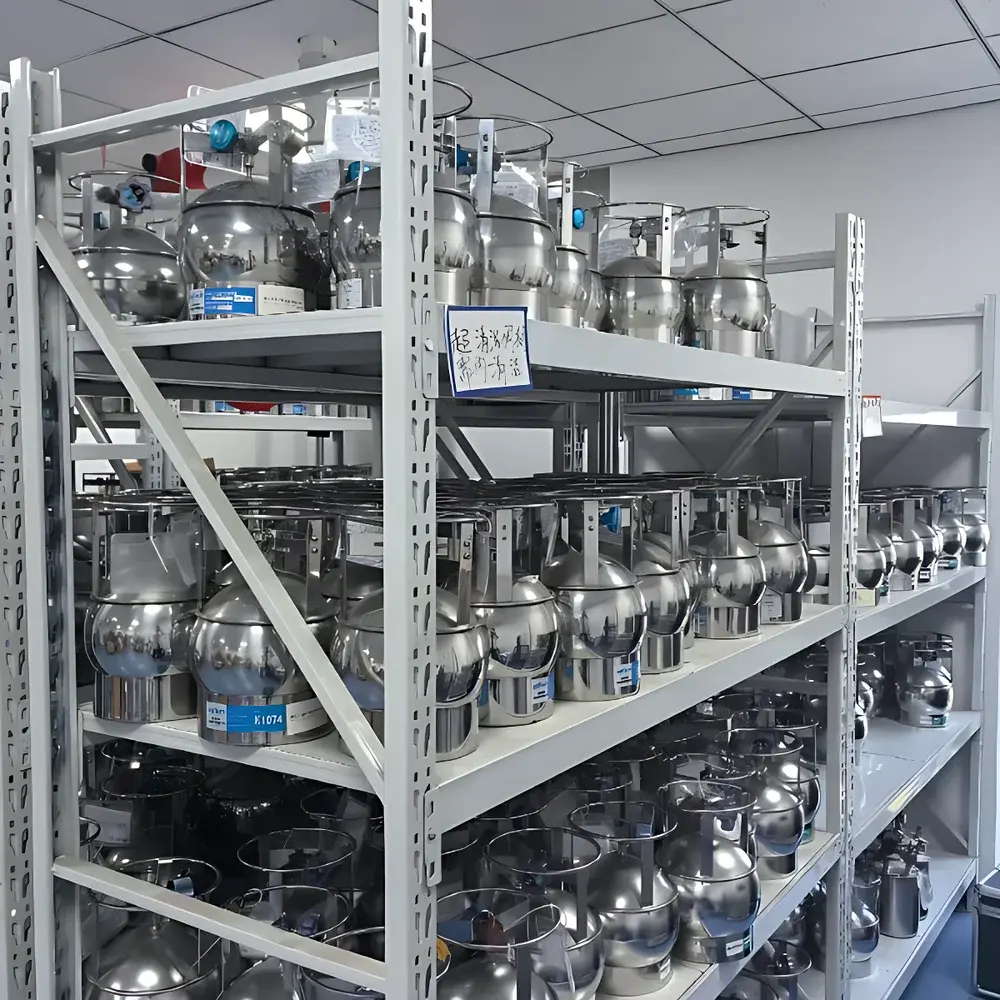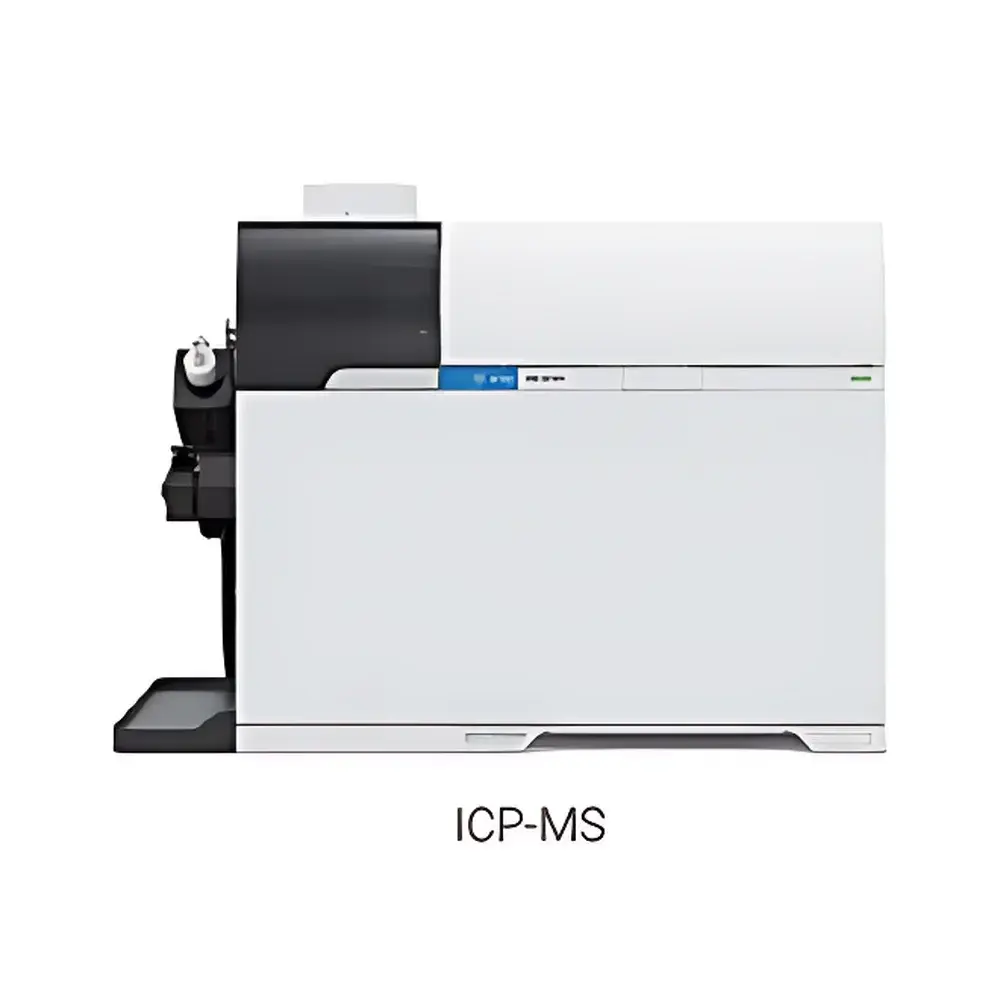
ICP-MS Instrument Recycling Service for Laboratory Equipment — Professional Valuation & Responsible Decommissioning
| Brand | Other brands |
|---|---|
| Origin | Hubei, China |
| Supplier Type | Authorized Distributor |
| Origin Category | Domestic (PRC) |
| Model | ICP-MS |
| Rental/Recycling Price Range | USD 110 – 11,500 (based on condition, configuration, and component integrity) |
Overview
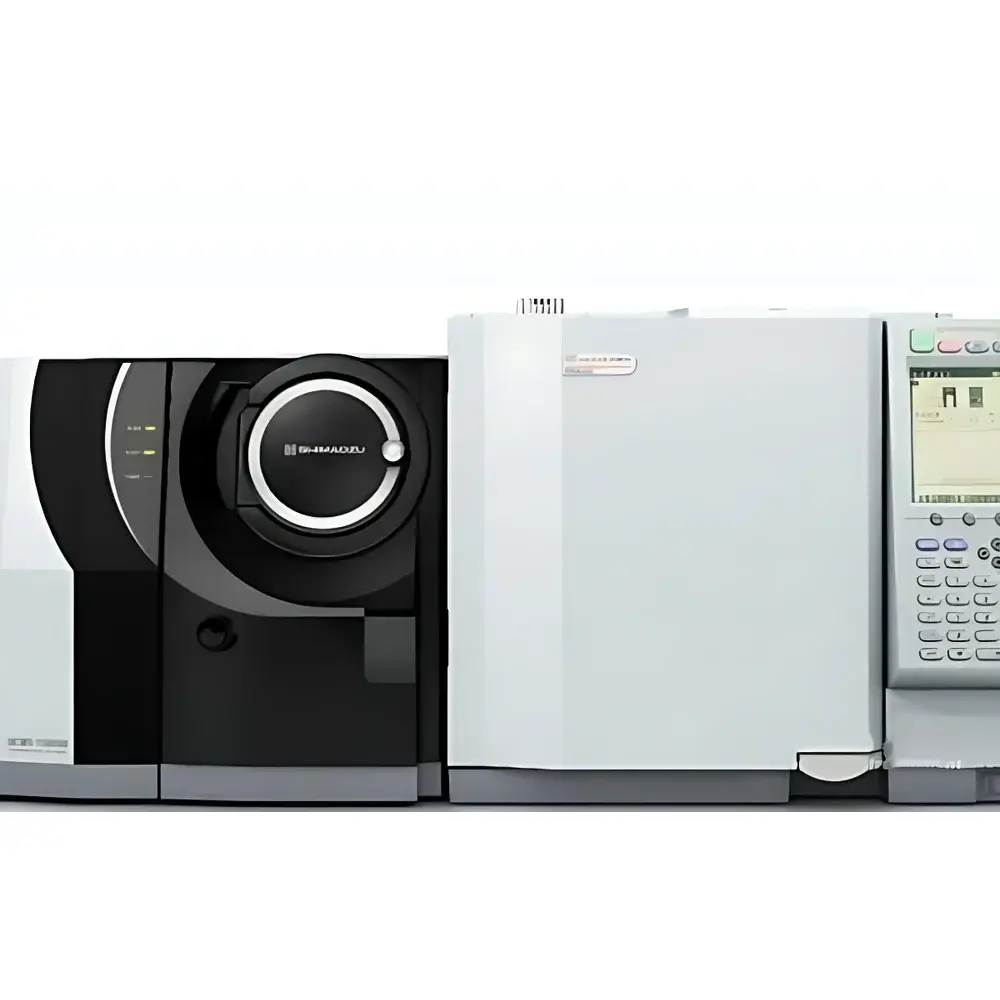
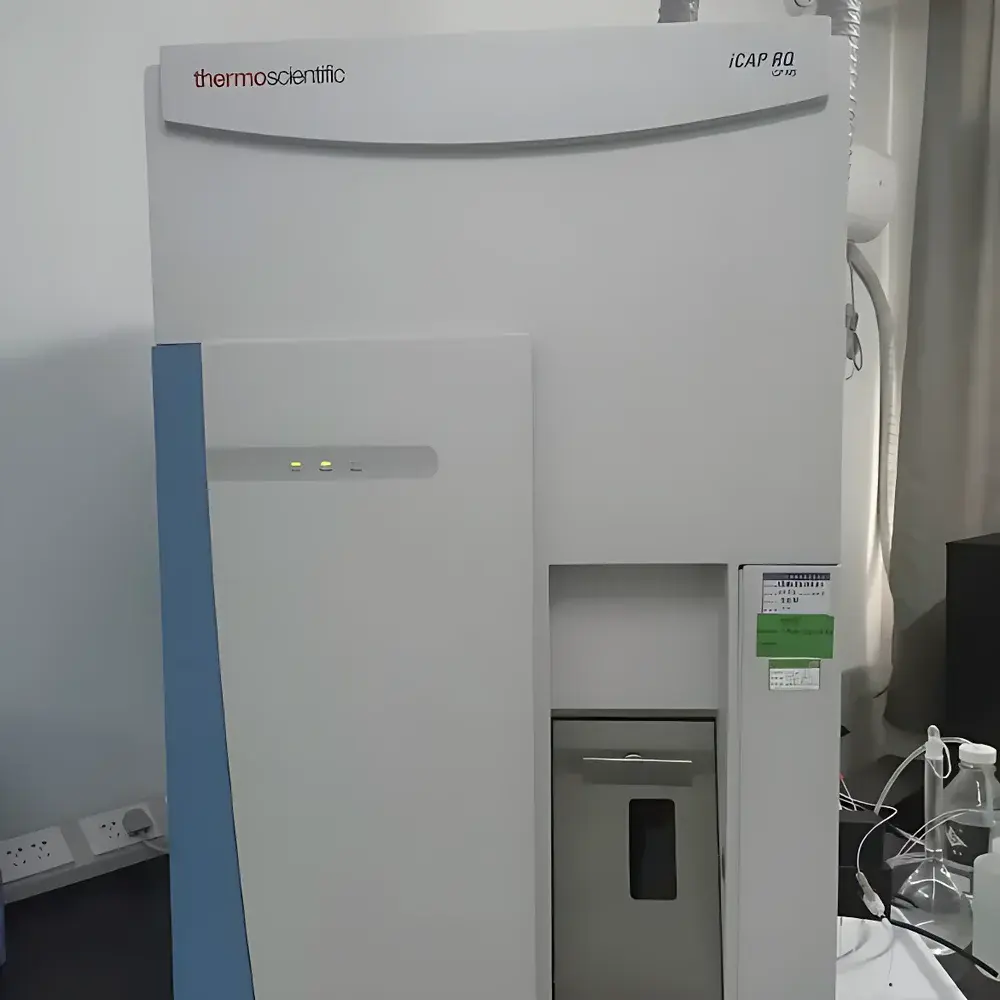
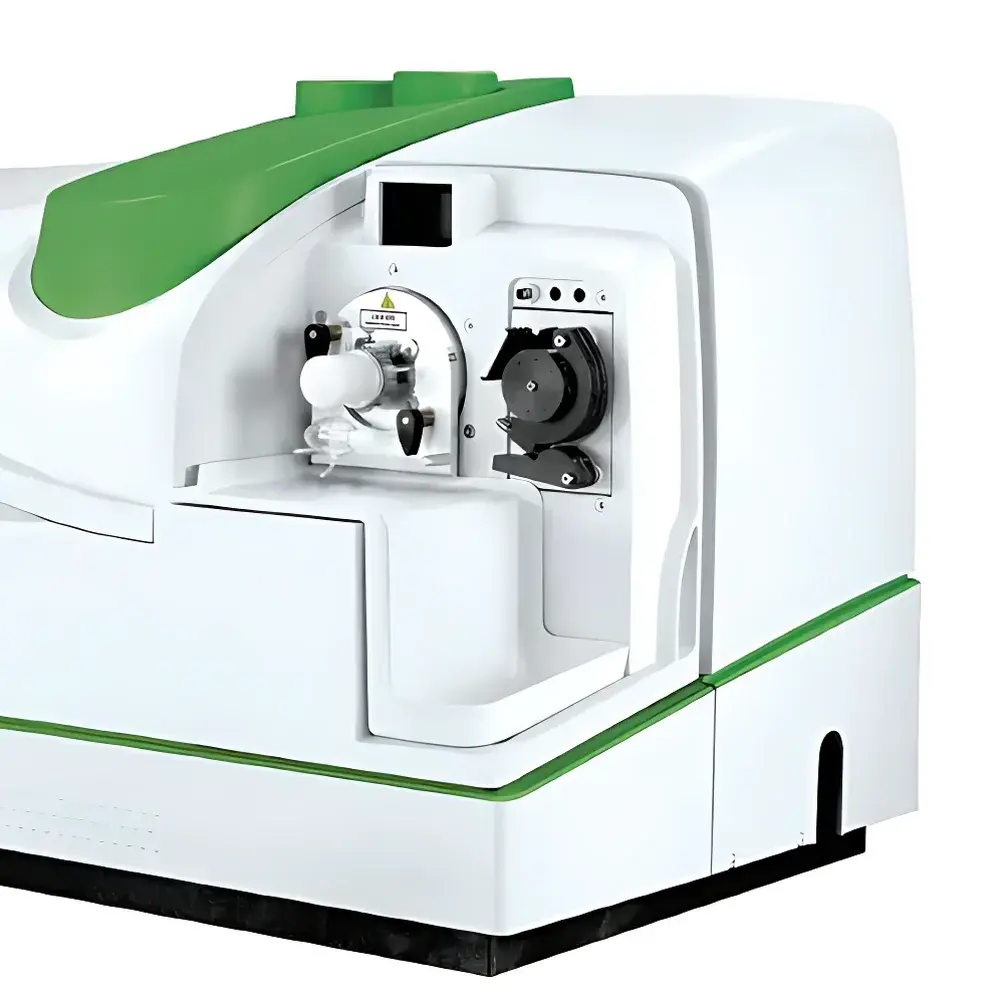
This service provides professional end-of-life management and residual-value recovery for inductively coupled plasma mass spectrometry (ICP-MS) systems used in analytical laboratories. Unlike conventional equipment leasing or resale platforms, this offering focuses specifically on the technical evaluation, fair valuation, and environmentally compliant decommissioning of retired, non-operational, or legacy ICP-MS instruments—including complete systems with integrated cooling units, autosamplers, vacuum manifolds, and ion optics assemblies. The process is engineered for laboratories seeking to optimize capital recovery while maintaining regulatory accountability during instrument retirement. ICP-MS systems operate on the principle of elemental ionization via high-temperature argon plasma (>6,000 K), followed by mass separation using quadrupole or magnetic sector analyzers and detection via electron multipliers or Faraday cups. As such, residual value assessment prioritizes functional integrity of critical subsystems: RF generator stability, vacuum chamber leak rate (<1×10⁻⁸ mbar·L/s), cone condition (sampling and skimmer), detector gain linearity, and interface alignment precision.
Key Features
- Single-point technical evaluation by certified ICP-MS field engineers with ≥10 years of hands-on service experience across major OEM platforms (e.g., Thermo Fisher, Agilent, PerkinElmer, Shimadzu)
- Transparent valuation methodology—quoted price reflects net recoverable value after deducting logistics, decontamination, and compliance handling costs
- On-site verification within 72 hours of agreement, including physical inspection of plasma torch condition, cone erosion metrics, vacuum pump oil analysis, and detector baseline noise profiling
- Full documentation package: Asset Decommissioning Certificate, Waste Stream Classification Report (per GB 5085.3–2007 and EPA SW-846), and optional audit-ready disposal traceability log
- No hidden fees—quoted price is final settlement amount; no deductions for transport, disassembly, or hazardous material handling
Sample Compatibility & Compliance
The service accepts all commercial ICP-MS configurations manufactured between 2005–2023, including but not limited to quadrupole-based, triple-quadrupole (ICP-QQQ), and high-resolution magnetic sector (ICP-SFMS) systems. Instruments must retain identifiable serial numbers and original manufacturer labeling. Units exhibiting catastrophic failure (e.g., cracked interface plates, melted RF coils, or irreparable vacuum chamber deformation) are assessed for precious metal recovery (e.g., Pt/Ir cones, Ni sampling interfaces) and electronic scrap recycling under ISO 14001-certified protocols. All handling complies with China’s《危险废物经营许可证》requirements and aligns with international standards for electronic waste (IEC 62321-1:2013) and laboratory chemical residue management (ISO/IEC 17025:2017 Clause 4.13.2).
Software & Data Management
No proprietary software transfer or license reassignment is performed. Prior to removal, clients are required to execute full data sanitization per NIST SP 800-88 Rev. 1 guidelines—including secure erasure of method files, calibration databases, audit trails, and raw acquisition data. The service provider issues a signed Data Erasure Certification confirming completion of cryptographic wipe (AES-256 encrypted overwrite) on all onboard storage media. For GxP-regulated environments, optional third-party verification reports (aligned with FDA 21 CFR Part 11 Annex 11 requirements) are available upon request.
Applications
This program supports institutional lifecycle management across multiple sectors: academic core facilities retiring pre-2015 instrumentation; contract testing laboratories upgrading to newer-generation collision-cell platforms; environmental monitoring agencies decommissioning legacy EPA Method 200.8-compliant systems; and pharmaceutical QC labs replacing USP <232>/<233>-validated ICP-MS units. It also serves as a strategic alternative to long-term leasing for institutions requiring short-duration access to high-end instrumentation without capital expenditure—via coordinated trade-in pathways into certified refurbished rental pools.
FAQ
What documentation is required to initiate evaluation?
A clear photo of the instrument’s nameplate (showing model, serial number, and manufacture date), plus a brief technical summary covering operational history, last maintenance date, and observed failure modes.
Do you accept instruments with missing components (e.g., no autosampler or chiller)?
Yes—valuation adjusts proportionally based on completeness and serviceability of core plasma and mass analysis modules.
Is remote diagnostic support available before on-site visit?
Limited remote triage is offered via secure file upload (log files, vacuum gauge screenshots, RF forward/reflected power traces) to pre-screen feasibility.
Can you assist with export documentation for cross-border asset transfer?
Yes—customs-compliant HS code classification (8479.89.99), CE/ROHS exemption letters, and non-hazardous certification statements are provided at no extra cost.
How is residual value determined for discontinued models?
Based on verified market demand for spare parts, historical auction data from LabX and BioSurplus, and OEM service bulletin archives indicating obsolescence timelines and component interchangeability.