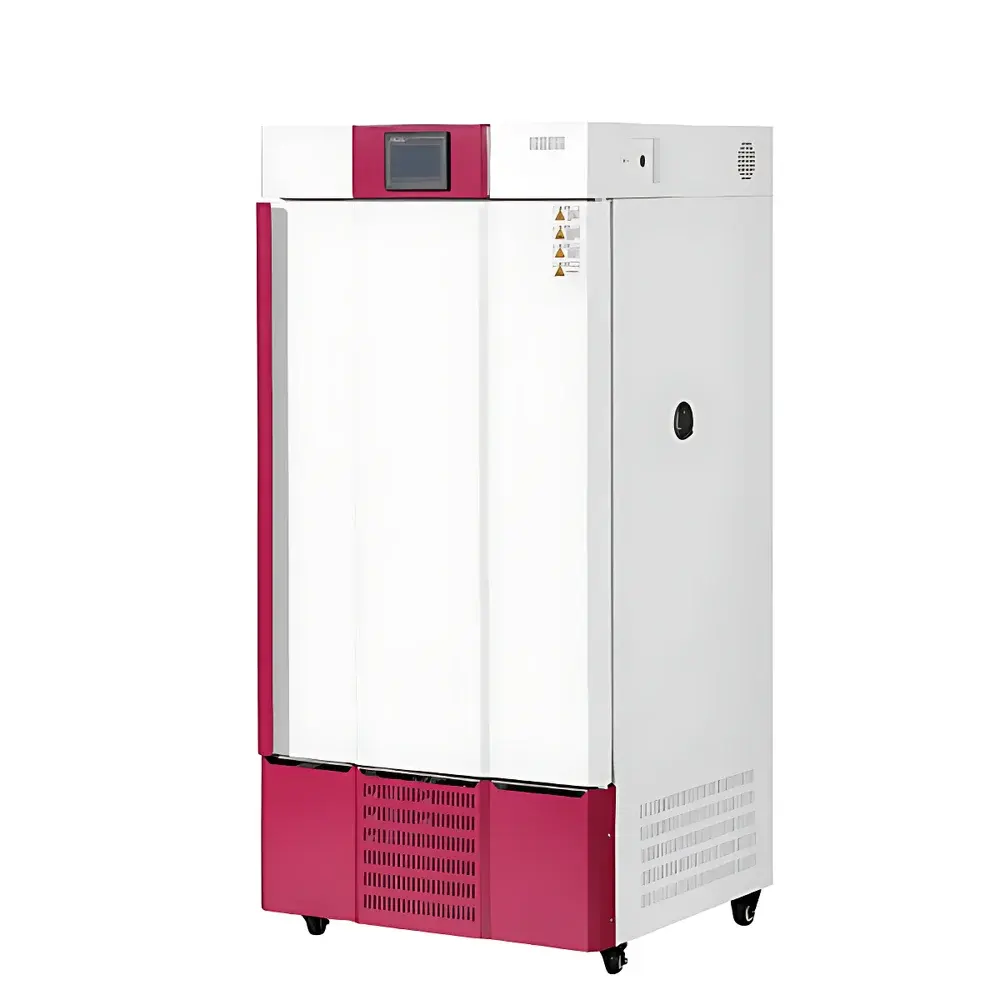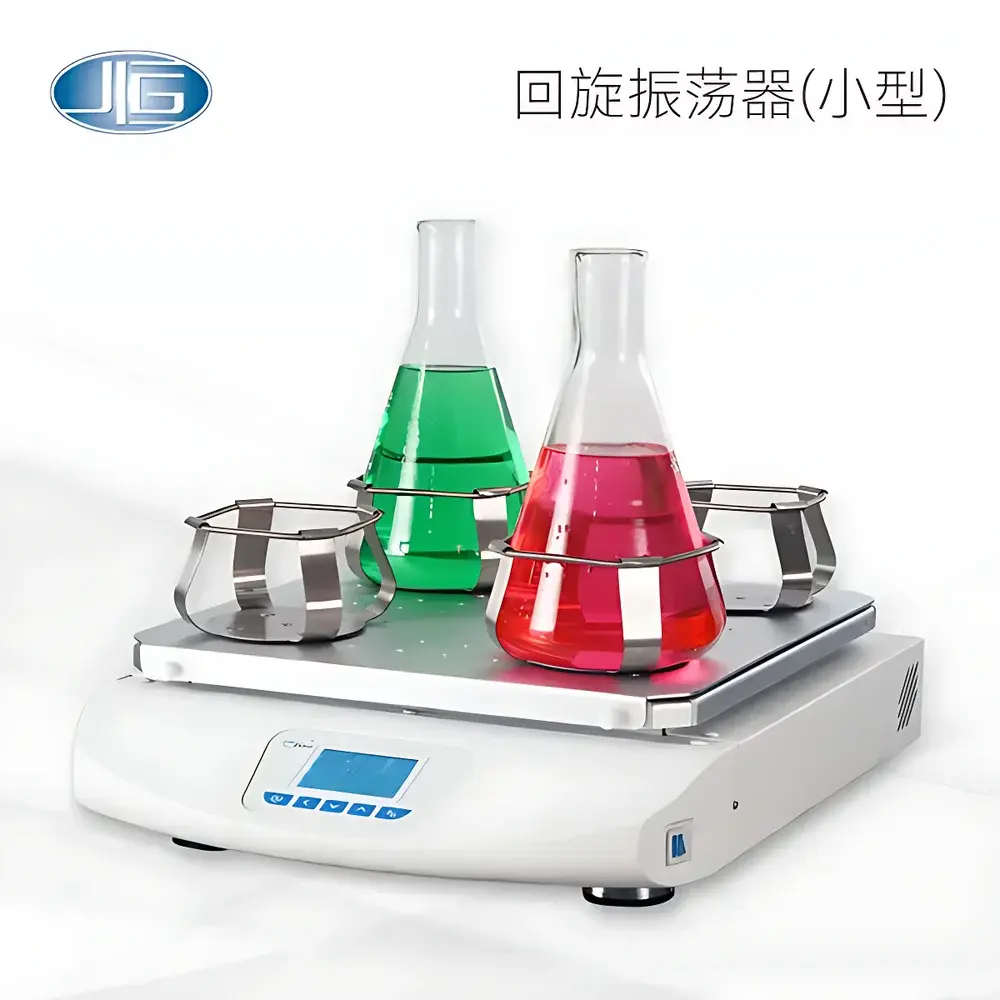
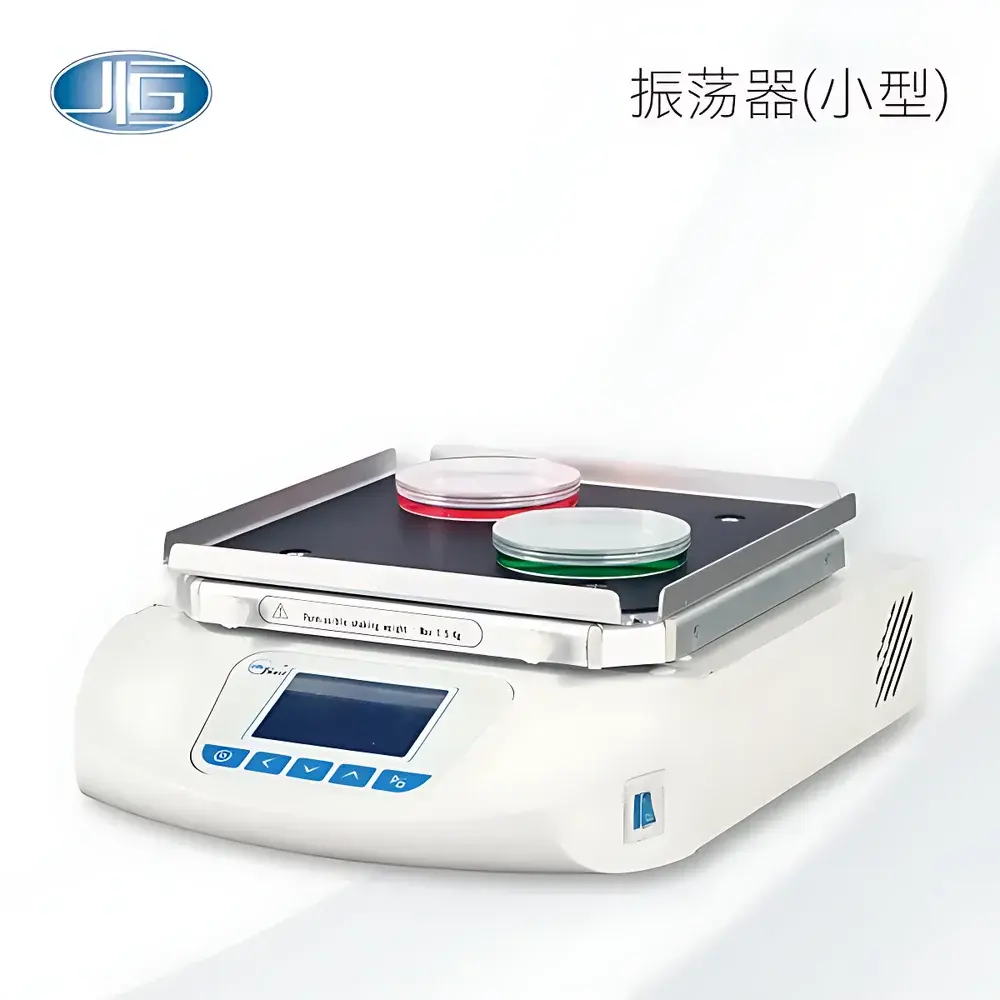
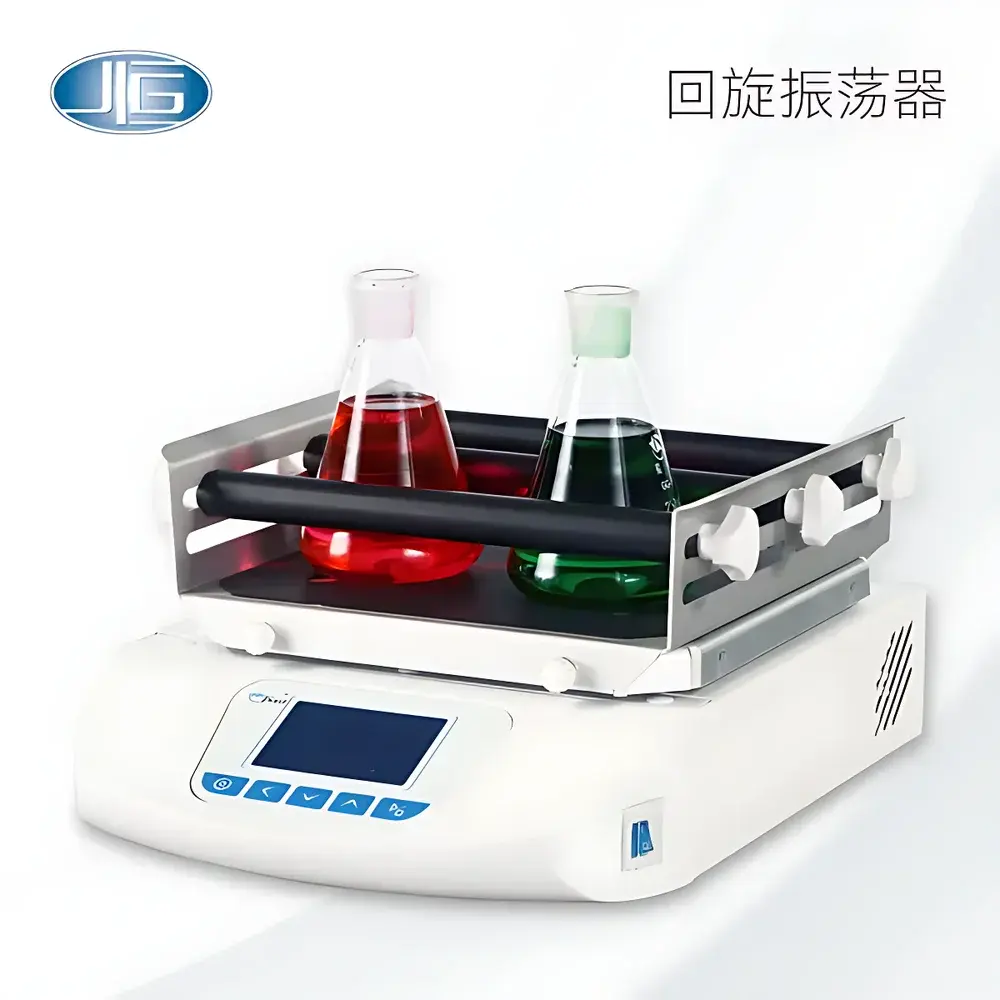
Yiheng WSZ & HZQ Series Orbital Shakers with Heating Function
| Brand | Yiheng |
|---|---|
| Origin | Shanghai, China |
| Manufacturer Type | Direct Manufacturer |
| Product Category | Domestic |
| Models | WSZ Series, HZQ Series |
| Price Range | USD 680–1,190 (FOB) |
| Instrument Type | Air-Bath Constant-Temperature Orbital Shaker |
| Timer Range | 0–5999 min |
| Oscillation Speed | 40–250 rpm (WSZ), 40–300 rpm (HZQ) |
| Orbit Diameter | 10 mm / 20 mm |
| Temperature Range | RT+5°C to 100°C |
| Platform Configuration | Single-Deck Shaking Platform |
| Motor Type | Brushless DC Motor with Adjustable Starting Torque |
| Safety Features | Auto-Restart After Power Recovery, Overload Protection, Overspeed Shutdown, Locked-Mode Operation Interface |
| Optional Functions | Multi-Stage Programmable Timing, Spring-Loaded Aluminum Platform with Universal Clamps (for Erlenmeyer flasks, test tubes, microtiter plates), Optional Beaker Holders or Flat Platforms |
Overview
The Yiheng WSZ and HZQ Series Orbital Shakers with Integrated Heating represent a class of precision-controlled laboratory platforms engineered for simultaneous temperature regulation and uniform orbital motion. These instruments operate on the principle of eccentric drive-induced circular motion—typically with fixed orbit diameters of 10 mm or 20 mm—generating gentle yet effective mixing across liquid-phase biological and chemical samples. Unlike reciprocating or vortex shakers, orbital shakers minimize shear stress while ensuring homogeneous suspension of cells, precipitates, or reagents. The integrated air-bath heating system enables precise thermal control from ambient +5°C up to 100°C, making them suitable for applications requiring both thermal activation and mechanical agitation—such as gel staining/destaining, enzymatic reactions, solubility studies, and combinatorial synthesis where open-vessel configurations are necessary. Designed for long-term reliability in academic, pharmaceutical, and industrial QC laboratories, these shakers comply with fundamental safety and electromagnetic compatibility requirements per IEC 61010-1 and meet structural design expectations for Class II laboratory equipment under ISO/IEC 17025-aligned environments.
Key Features
- Microprocessor-based digital control system with real-time display of temperature, speed, and timer on a large-backlit LCD screen
- Menu-driven interface with lockable operation mode to prevent accidental parameter changes during experiments
- Brushless DC motor delivering high starting torque, wide speed range (40–250 rpm or 40–300 rpm depending on model), and consistent rotational force across load variations
- User-adjustable motor starting torque to accommodate diverse vessel weights and viscosities—preventing stall under heavy loads
- Intelligent motion protection: automatic shutdown upon detection of excessive oscillation amplitude or overspeed conditions; smooth acceleration/deceleration profiles
- Auto-restart functionality after power interruption—resumes previously set parameters once supply is restored
- Single-platform configuration with standardized mounting interface for rapid interchange of accessory trays and clamping systems
Sample Compatibility & Compliance
These shakers support standard laboratory vessels including conical flasks (up to 2 L), test tubes, microcentrifuge tubes, 96-well microtiter plates, and custom-sized containers via optional aluminum spring clamps or flat platforms. The open-air bath design eliminates chamber constraints, allowing unrestricted access during operation—critical for protocols involving gas exchange, volatile solvent handling, or real-time sampling. All models are constructed with corrosion-resistant stainless steel interiors and powder-coated steel exteriors. While not certified to FDA 21 CFR Part 11 out-of-the-box, the instrument’s parameter logging capability (when paired with optional RS-232/USB data export) supports GLP/GMP documentation workflows. Temperature accuracy is maintained within ±0.5°C at setpoint across the full operating range, verified per ASTM E2209-19 calibration guidelines for laboratory thermal equipment.
Software & Data Management
The base unit operates independently via front-panel controls, but optional connectivity modules enable serial communication (RS-232 or USB) for remote parameter setting and real-time data streaming. When used with Yiheng’s companion PC software (v3.2+), users can configure multi-stage programs—including ramped temperature profiles synchronized with variable-speed oscillation sequences—to automate complex incubation-mixing protocols. Audit trails record timestamped events such as start/stop commands, temperature deviations >1°C, and motor fault alerts—facilitating traceability in regulated environments. Export formats include CSV and XML, compatible with LIMS integration and electronic lab notebook (ELN) ingestion pipelines.
Applications
- Gel electrophoresis staining and destaining (e.g., Coomassie Blue, silver nitrate)
- Cell culture maintenance during transient expression assays
- Solubility screening and dissolution testing of APIs under controlled thermal conditions
- Enzyme kinetics studies requiring simultaneous heating and gentle agitation
- Combinatorial chemistry library preparation using open-vessel reaction arrays
- Biochemical assay development involving antibody-antigen binding or ligand-receptor interaction kinetics
- Environmental sample extraction (e.g., soil leaching, water sediment resuspension)
FAQ
What is the maximum recommended flask size for stable operation at 300 rpm?
For optimal balance and minimal vibration at upper speed ranges, use vessels ≤1 L mounted centrally on the platform; larger flasks require reduced speeds or auxiliary balancing fixtures.
Can this shaker maintain ±0.3°C temperature stability at 95°C?
At elevated temperatures near 100°C, typical stability is ±0.5°C under steady-state conditions with adequate ventilation and no external drafts.
Is the heating system PID-controlled?
Yes—the integrated air-bath heater employs a proportional-integral-derivative algorithm with adaptive tuning to minimize overshoot and ensure thermal equilibrium within 15 minutes of setpoint change.
Are third-party clamps or platforms compatible?
The platform uses standardized M4 threaded inserts; most ISO-compliant accessories with matching fastener patterns can be mechanically adapted.
Does the instrument support continuous operation for >72 hours?
Rated for unattended operation up to 168 hours (7 days) when installed in temperature-stable rooms with ambient cooling capacity ≥250 W/m².