
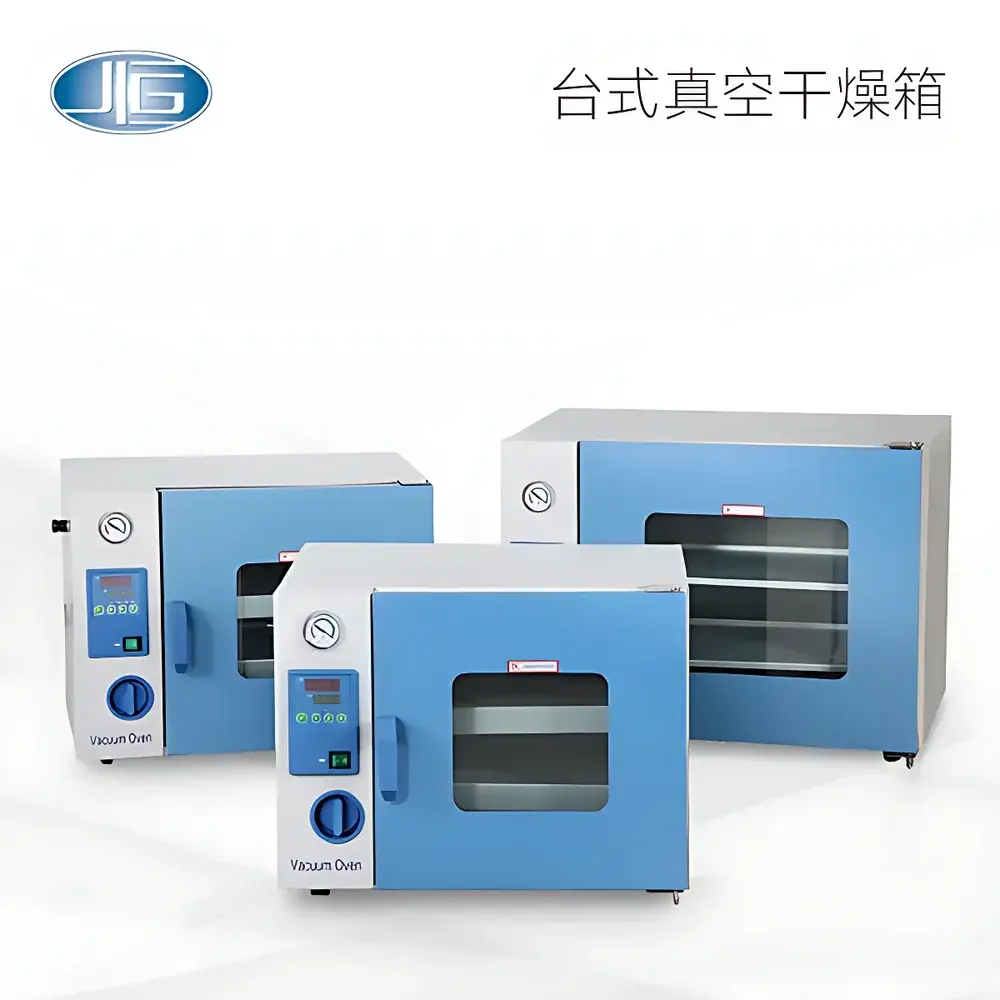
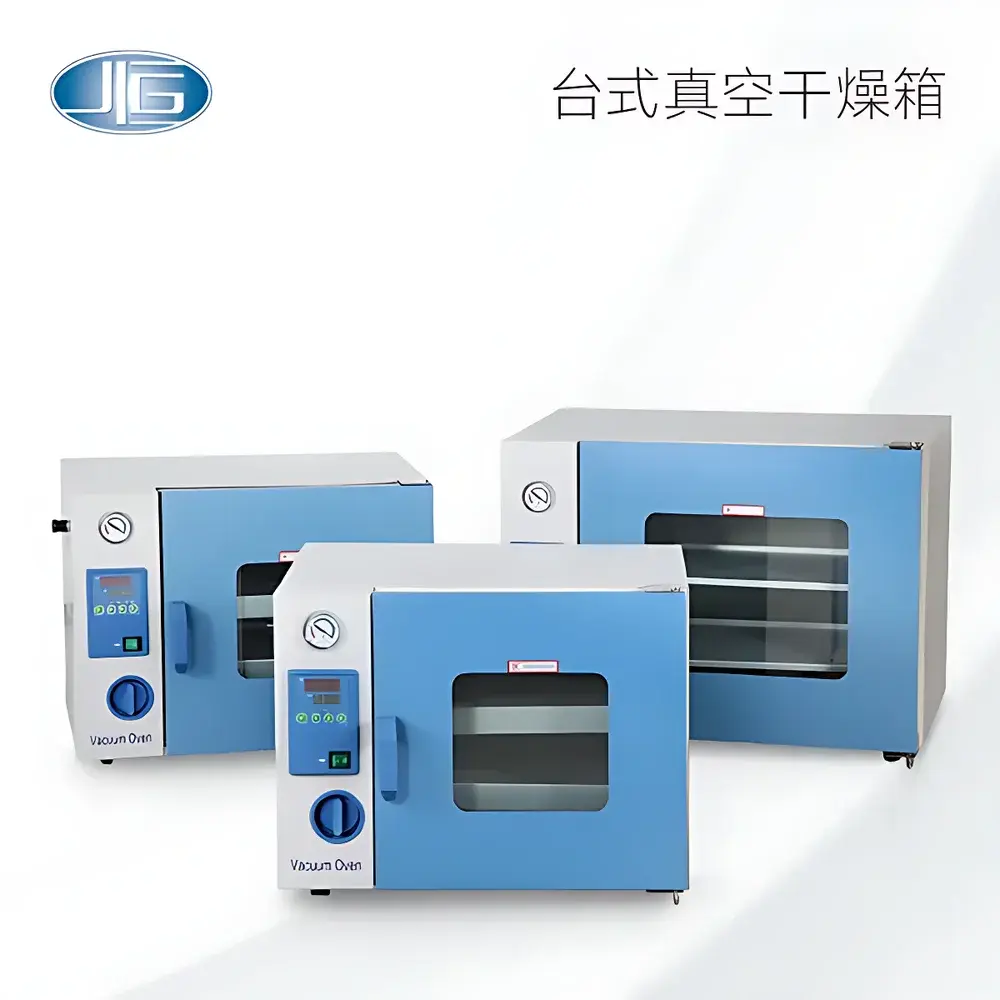
YiHeng DZF-6030B Chemical-Specific Vacuum Drying Oven
| Brand | YiHeng |
|---|---|
| Origin | Shanghai, China |
| Manufacturer Type | Direct Manufacturer |
| Product Category | Domestic |
| Model | DZF-6030B |
| Instrument Type | Vacuum Oven |
| Temperature Range | RT+10 °C to 65 °C |
| Temperature Uniformity | ±1 °C |
| External Dimensions | 610 × 510 × 490 mm |
| Internal Chamber Dimensions | 320 × 320 × 300 mm |
| Temperature Resolution | 0.1 °C |
| Chamber Material | Stainless Steel (SUS304) |
| Heating Method | Forced-Air Circulation with Vacuum Compatibility |
| Ultimate Vacuum Level | ≤133 Pa |
| Door Seal | Integrated Silicone Gasket with Adjustable Latching Mechanism |
| Viewing Window | Dual-Layer Tempered Glass (Safety Rated) |
Overview
The YiHeng DZF-6030B Chemical-Specific Vacuum Drying Oven is an engineered solution for controlled thermal processing of oxygen-sensitive, thermally labile, and oxidation-prone materials under reduced-pressure conditions. It operates on the fundamental principle that lowering ambient pressure reduces the boiling point of solvents and volatile components—enabling gentle, low-temperature drying without thermal degradation. Designed specifically for chemical R&D laboratories, quality control environments, and pharmaceutical stability testing, this vacuum oven maintains stable process conditions within a sealed stainless-steel chamber while supporting inert gas purging (e.g., N₂ or Ar) to eliminate residual oxygen. Its forced-air circulation system—optimized for operation under vacuum—is calibrated to ensure uniform heat distribution across the entire working volume, mitigating cold spots and enhancing reproducibility in moisture removal, solvent evaporation, and pre-conditioning of hygroscopic samples.
Key Features
- Stainless steel (SUS304) interior chamber with seamless welded construction, offering corrosion resistance, ease of decontamination, and compliance with GLP cleaning protocols.
- Microprocessor-based PID temperature controller with 0.1 °C resolution and ±1 °C uniformity across the full operating range (RT+10 °C to 65 °C), supporting repeatable thermal profiles.
- Dual-layer tempered glass observation window with integrated safety film—providing real-time visual monitoring without compromising vacuum integrity or operator safety.
- Adjustable door latching mechanism paired with a one-piece molded silicone gasket, rated for sustained operation at ≤133 Pa, minimizing leakage and extending pump service intervals.
- Integrated inert gas inlet port (standard 6 mm BSP thread) enabling controlled atmosphere purging before and during vacuum cycles—critical for preventing oxidation of metal catalysts, organometallic compounds, or lithium-based battery electrode materials.
- Forced-air heating system with fan speed modulation designed to function reliably under sub-atmospheric conditions, improving drying efficiency by up to 40% compared to passive convection vacuum ovens.
Sample Compatibility & Compliance
The DZF-6030B accommodates a broad spectrum of sample formats—including open petri dishes, sealed glass vials (with vented caps), crucibles, and custom jigs—within its 30.7 L internal volume (320 × 320 × 300 mm). It is routinely deployed in applications requiring adherence to ASTM E145 (Standard Specification for Gravity-Convection and Forced-Ventilation Ovens), ISO 5725 (accuracy and precision of measurement methods), and USP (sterile processing validation support). While not certified for Class I Division 1 hazardous locations, its construction meets general laboratory safety requirements per IEC 61010-1. The absence of internal ignition sources and use of non-sparking materials make it suitable for drying flammable-solvent-wetted samples when operated under inert purge protocols.
Software & Data Management
This model features a standalone digital controller with onboard data logging capability (up to 10 programmable segments, 99 cycles, timestamped temperature records stored internally). Optional RS485 interface enables integration with SCADA systems or centralized lab management platforms via Modbus RTU protocol. Audit trail functionality—including user ID tagging, parameter change logs, and cycle start/stop timestamps—supports 21 CFR Part 11 readiness when paired with validated third-party software. All firmware updates are performed via USB port using manufacturer-provided configuration tools; no cloud dependency or proprietary subscription is required.
Applications
- Drying of heat-sensitive pharmaceutical intermediates and active pharmaceutical ingredients (APIs) without polymorphic transition.
- Moisture content determination per AOAC 950.46 and ISO 11885 for environmental soil and sludge samples.
- Pre-treatment of lithium-ion battery cathode/anode powders prior to electrochemical cell assembly.
- Removal of residual THF, chloroform, or ethyl acetate from polymer synthesis products under nitrogen blanket.
- Stabilization of enzyme preparations and lyophilized biologics intermediates prior to freeze-drying.
- Accelerated aging studies of adhesives, coatings, and composite resins under controlled low-oxygen thermal stress.
FAQ
What is the maximum recommended operating temperature for continuous use?
The DZF-6030B is rated for continuous operation from ambient +10 °C to 65 °C. Exceeding 65 °C may compromise seal longevity and void calibration validity.
Can the vacuum pump be integrated directly with the oven’s control system?
No—the unit does not include built-in pump control logic. However, external vacuum pumps with analog 0–10 V or dry-contact outputs can be triggered via optional relay modules installed in the oven’s auxiliary terminal block.
Is the chamber suitable for acidic vapor exposure during drying of chloride-containing samples?
Yes—SUS304 stainless steel provides adequate resistance to mild organic acid vapors at temperatures below 65 °C. For prolonged HCl or HF exposure, optional electropolished or Hastelloy C-276 chamber lining is available upon request.
Does the oven support programmable multi-step vacuum/heat/purge sequences?
Yes—up to 10 independent segments per program, each defining target temperature, dwell time, vacuum setpoint (via external gauge feedback), and inert gas flow duration.
How often should the silicone door gasket be replaced under normal laboratory use?
Under typical usage (2–4 cycles/day), the gasket maintains functional integrity for ≥18 months. Visual inspection for cracking or compression set is recommended every 6 months.



