
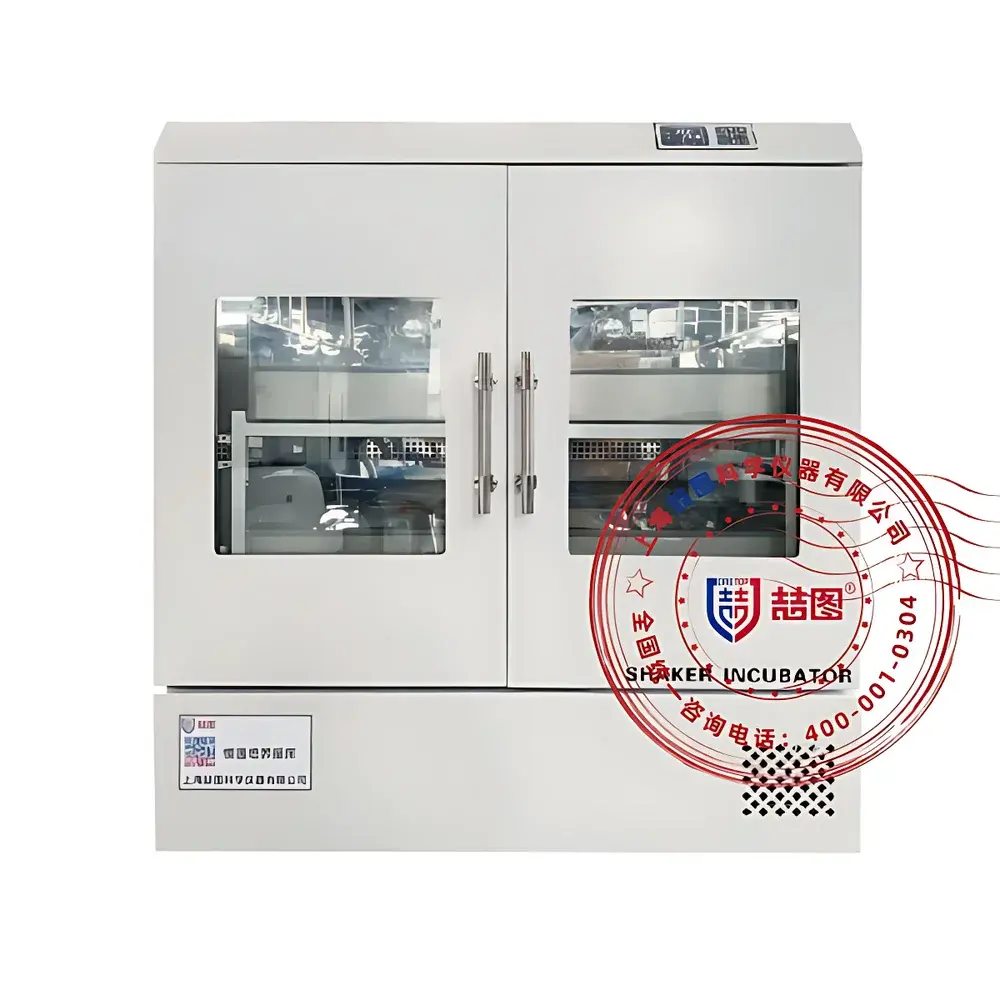
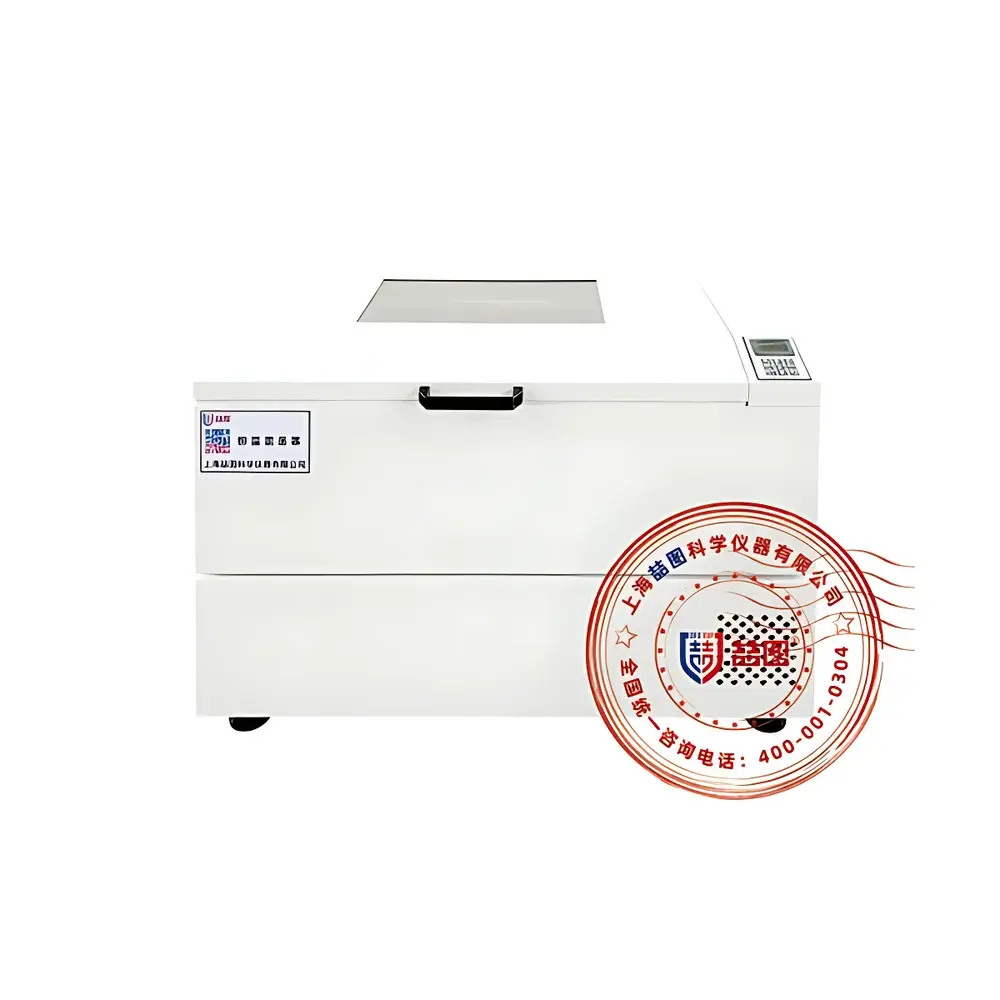
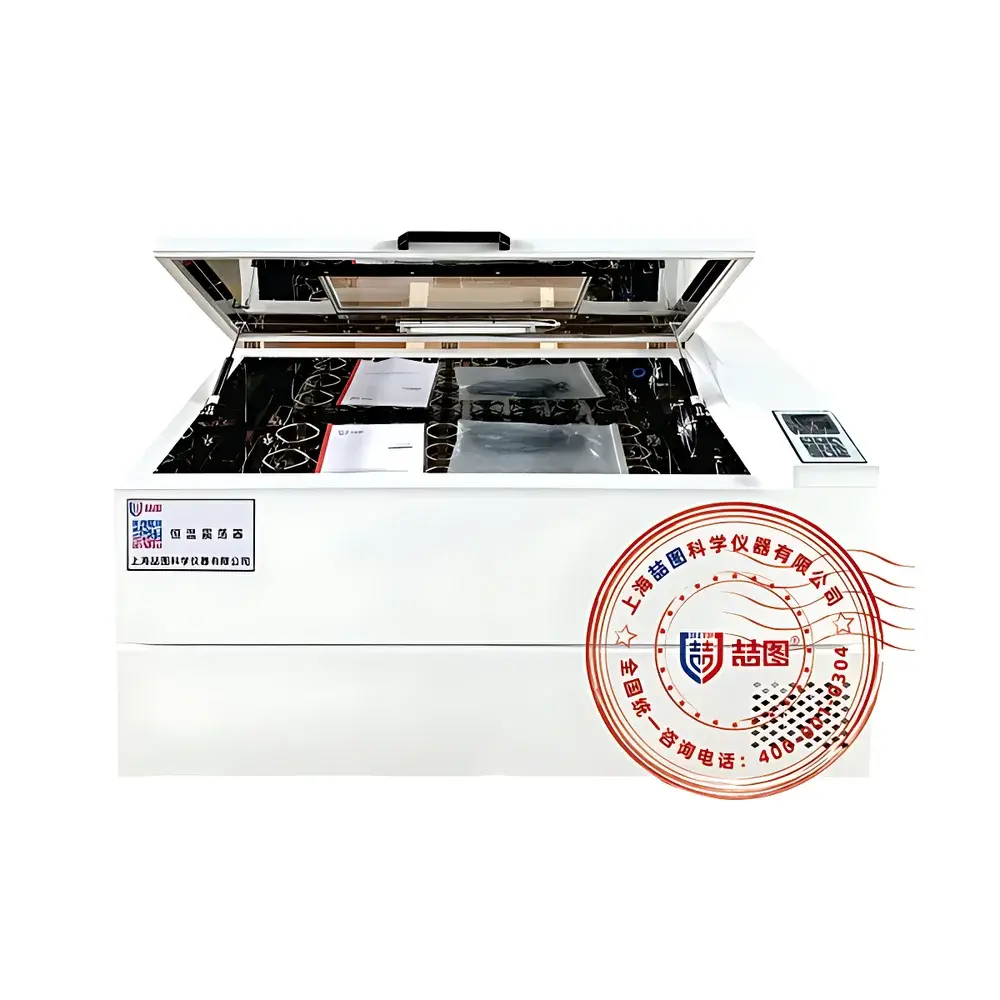
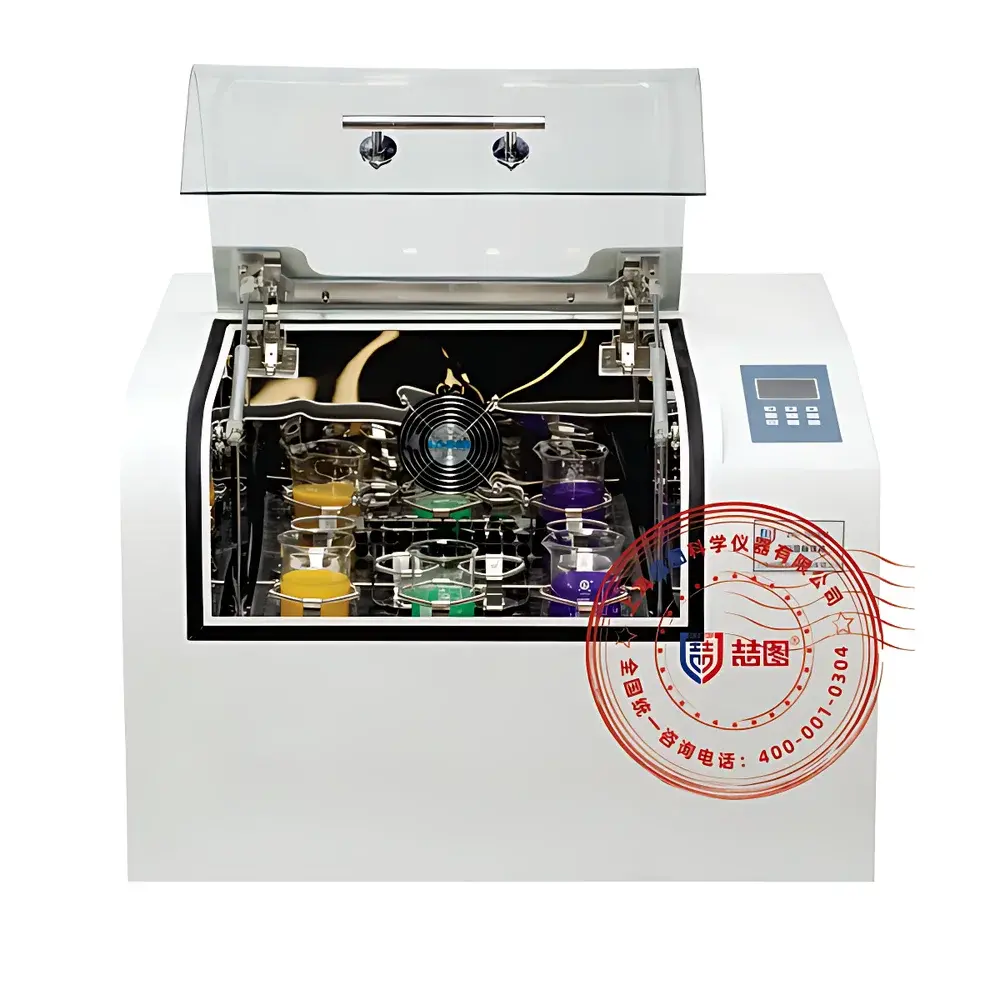
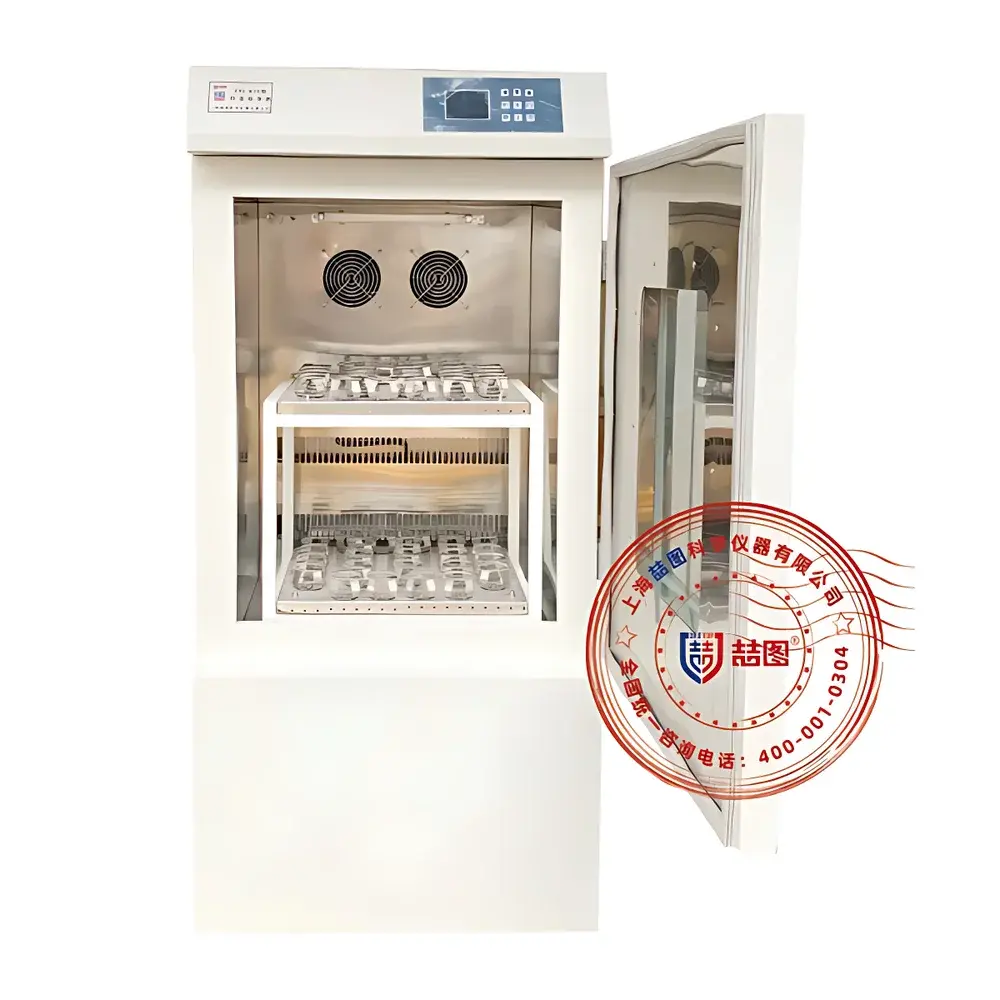
DRETOP ZYC/ZYL/ZHL Series Temperature-Controlled Orbital Shaker Incubators
| Brand | DRETOP |
|---|---|
| Origin | Shanghai, China |
| Model Series | ZYC, ZYL, ZHL |
| Oscillation Frequency Range | 0–300 rpm |
| Oscillation Amplitude | 26 mm |
| Temperature Control Range | 4–60 °C |
| Power Supply | AC 220 V, 50 Hz |
| Compliance | Designed for GLP-compliant labs |
Overview
The DRETOP ZYC/ZYL/ZHL Series Temperature-Controlled Orbital Shaker Incubators integrate precise thermal regulation with controlled orbital agitation to support reproducible cultivation, fermentation, enzymatic assays, and cell-based studies under defined environmental conditions. These units operate on the principle of orbital shaking—generating uniform circular motion (26 mm amplitude) at programmable speeds up to 300 rpm—while maintaining temperature stability across a wide operational range (4–60 °C). The dual-shelf design enables simultaneous processing of heterogeneous sample sets, such as bacterial cultures in flasks and suspension cells in multi-well plates, without cross-contamination or thermal gradient interference. Engineered for continuous-duty laboratory use, each unit features a stainless-steel interior chamber, reinforced tempered-glass viewing window with integrated LED illumination, and a rigid structural frame that minimizes vibration transmission to adjacent instrumentation.
Key Features
- Microprocessor-based PID temperature and speed control system with ±0.1 °C thermal accuracy and ±1 rpm rotational precision, ensuring high reproducibility across repeated experiments.
- Dual independently accessible shelves—each equipped with removable stainless-steel platforms—support flexible load configuration and easy cleaning between runs.
- Brushless DC motor drive delivers consistent torque across the full speed range, eliminating carbon wear, electrical noise, and maintenance downtime associated with brushed motors.
- Three-dimensional eccentric cam drive mechanism ensures smooth acceleration profiles and eliminates abrupt startup-induced splashing—critical for low-volume or viscous culture media.
- Comprehensive safety architecture includes over-temperature cutoff, overspeed shutdown, timed auto-stop, power-failure recovery, and parameter lockout with password protection to prevent unauthorized setting changes.
- Optional configurations available: refrigerated (R-series), CO₂-integrated (CP-series), humidity-controlled (RH-series), and programmable light-cycle (GC-series) variants—all sharing identical mechanical and control platform foundations.
Sample Compatibility & Compliance
The ZYC/ZYL/ZHL platform accommodates standard labware including Erlenmeyer flasks (50–5000 mL), test tubes, microtiter plates, and custom bioreactor vessels via interchangeable clamping systems—spring-loaded universal holders, fixed-angle flask brackets, and adjustable tube racks. All internal surfaces meet USP Class VI biocompatibility standards and are autoclavable where applicable. Units comply with IEC 61010-1:2010 for electrical safety in laboratory equipment and incorporate airflow management systems certified to ISO 14644-1 Class 8 cleanroom requirements when configured with optional HEPA filtration. For regulated environments, audit trails generated by USB data logging modules conform to FDA 21 CFR Part 11 electronic record integrity criteria.
Software & Data Management
Each incubator integrates a real-time LCD interface displaying current temperature, setpoint, oscillation speed, elapsed time, and system status flags. Optional USB data export functionality captures timestamped temperature and RPM logs at user-defined intervals (1 s–60 min resolution), enabling post-run analysis in Excel or LIMS-compatible formats. No proprietary software installation is required—data files are stored as plain CSV with UTF-8 encoding for universal compatibility. Firmware supports firmware-level calibration offset adjustments for both temperature sensor and tachometer inputs, traceable to NIST-traceable reference standards. All models retain last-used parameters after power cycling, supporting unattended overnight operation in GLP/GMP workflows.
Applications
These shaker incubators serve critical roles in upstream bioprocess development, including aerobic microbial growth (e.g., E. coli, Bacillus subtilis), yeast fermentation kinetics, mammalian suspension culture expansion, and recombinant protein expression optimization. In academic research, they facilitate enzyme kinetic profiling under controlled thermal and mixing conditions, DNA hybridization studies requiring uniform thermal homogeneity, and plant tissue culture propagation. Industrial QC laboratories utilize them for stability testing per ICH Q1A(R3), while environmental microbiology labs employ them for BOD incubation and nutrient enrichment protocols compliant with EPA Method 1681. The CO₂-enabled CP-series supports stem cell expansion and organoid differentiation workflows requiring physiological gas tension control.
FAQ
What is the maximum flask capacity supported on a single shelf?
Standard configurations accommodate up to 250 mL × 24 flasks (ZYL series) or 5000 mL × 6 bottles (ZYC-400WHR), depending on model-specific chamber dimensions and shelf loading geometry.
Can the unit maintain temperature uniformity during extended 72-hour runs?
Yes—thermal uniformity is maintained within ±0.3 °C across the working volume at steady state, verified per ASTM E2797-21 Annex A1 using calibrated thermocouple mapping.
Is remote monitoring or Ethernet connectivity supported?
Native Ethernet or Wi-Fi interfaces are not included; however, third-party industrial IoT gateways may be interfaced via RS-485 Modbus RTU protocol (available on select ZYL/ZHL firmware versions).
Are validation documents (IQ/OQ/PQ) provided with purchase?
Factory-issued IQ templates and OQ test protocols are supplied with all units; PQ execution requires site-specific environmental qualification and must be performed by end-user personnel or qualified service partners.
How often does the CO₂ sensor require recalibration?
Infrared CO₂ sensors (CP-series) exhibit drift of <0.1% FS/year and are recommended for annual verification against certified gas standards; no field recalibration is user-serviceable.





