
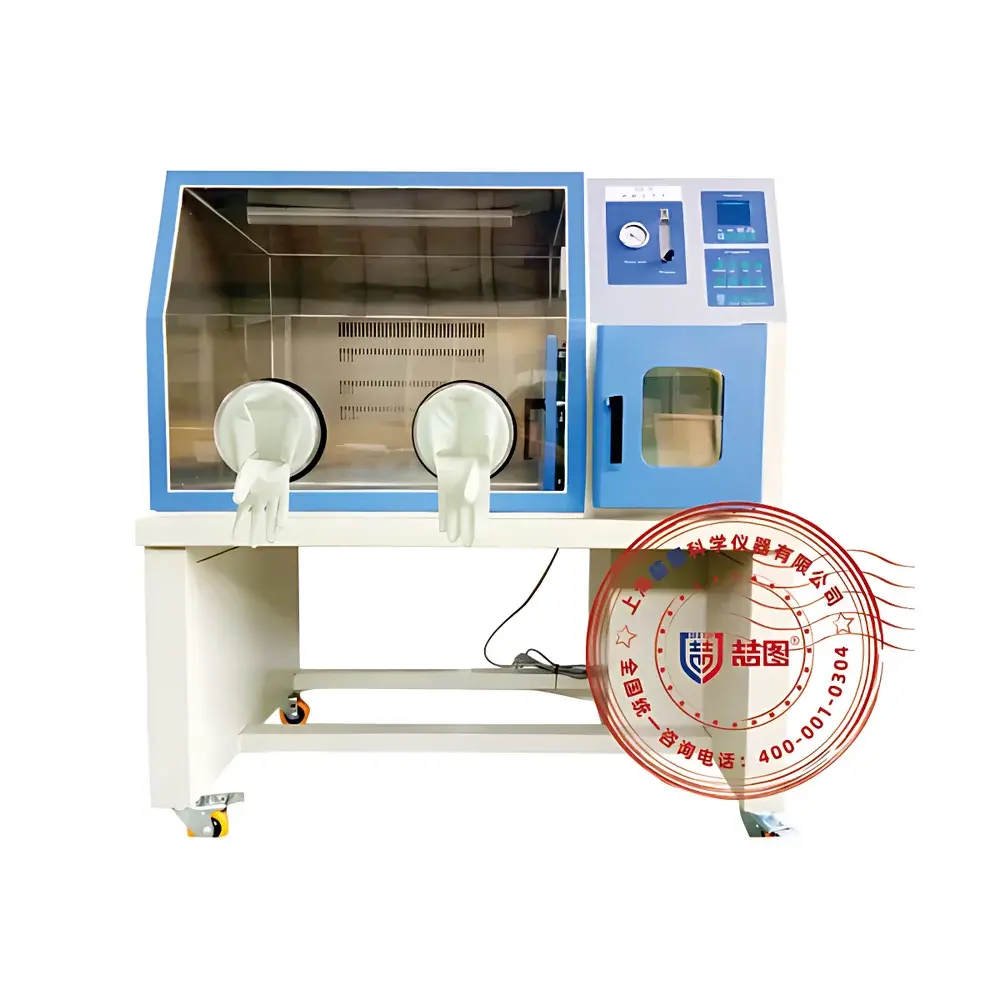
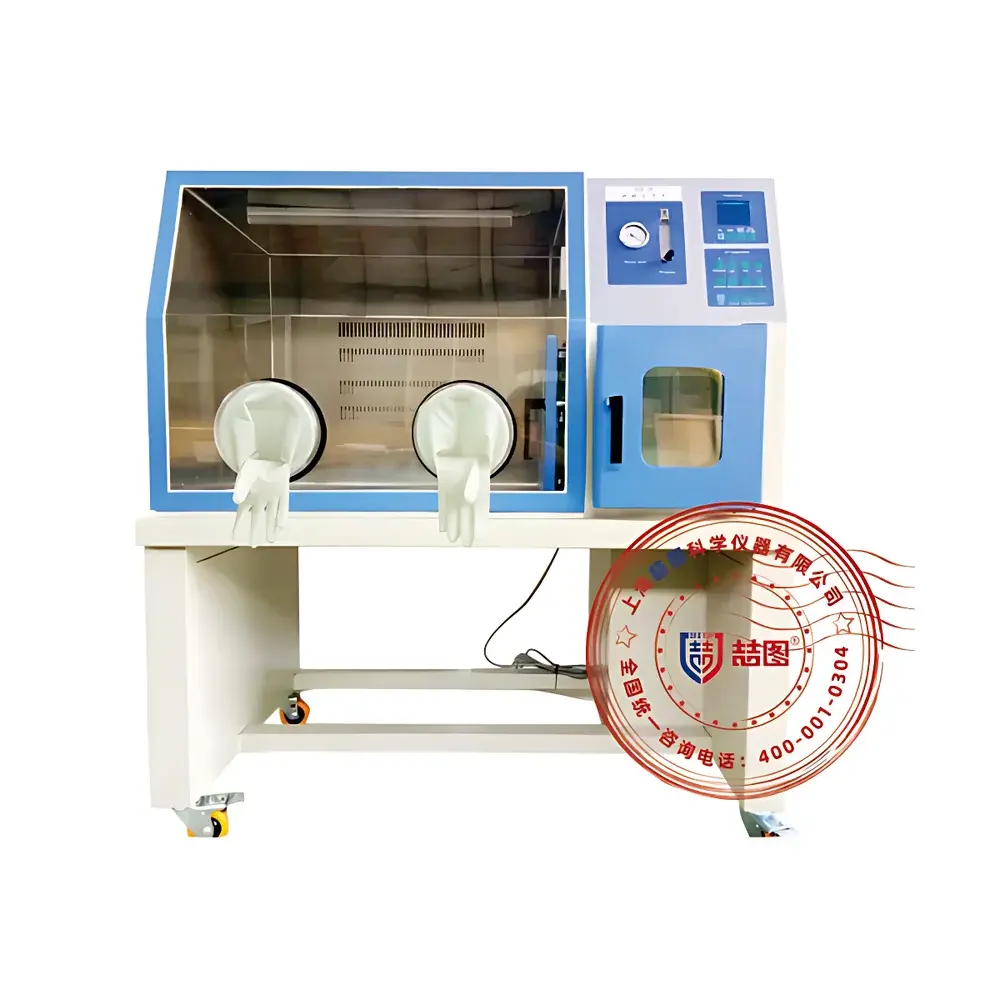
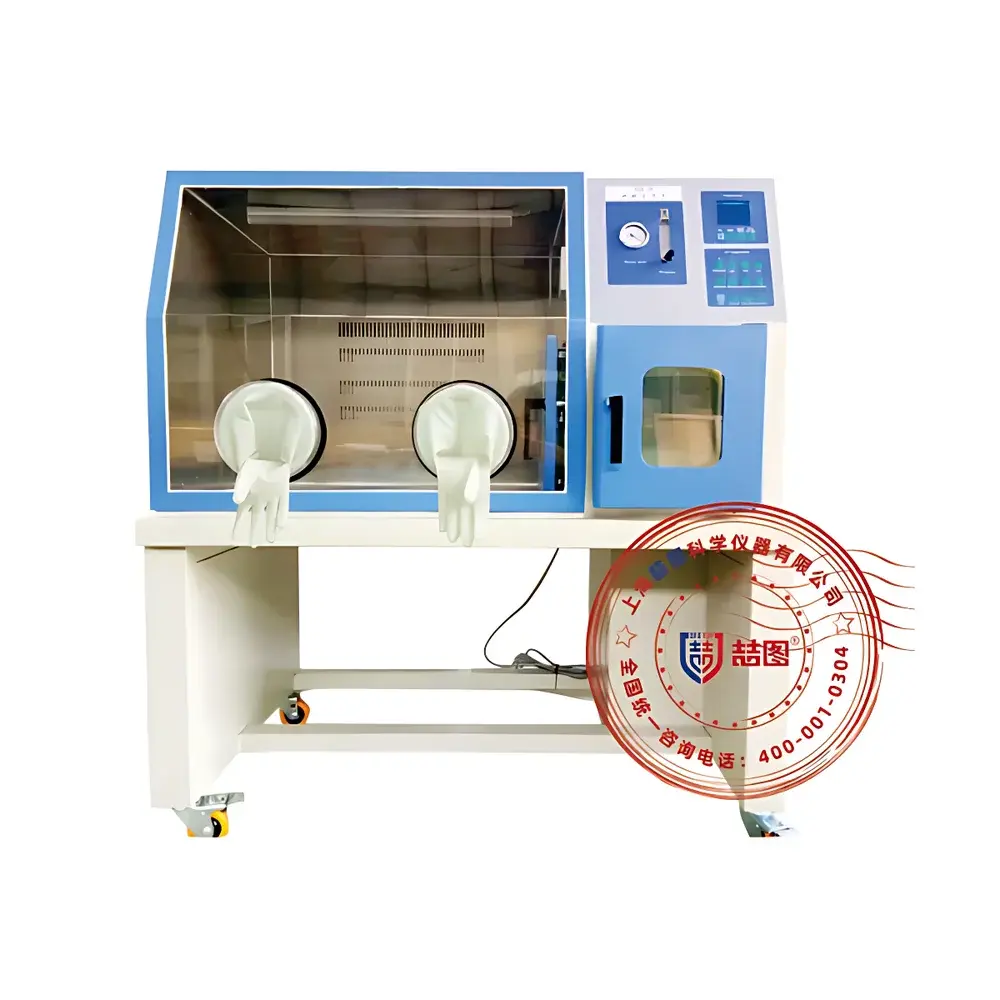
DRETOP ZAI-350Plus Automated Anaerobic Incubator
| Brand | DRETOP |
|---|---|
| Origin | Shanghai, China |
| Model | ZAI-350Plus |
| Instrument Type | Automated Anaerobic Incubator |
| Temperature Range | RT+3°C to 65°C |
| Temperature Uniformity & Stability | ±0.1°C |
| Oxygen Concentration Range | 0.1–25% (displayable in % or ppm) |
| Gas Supply Modes | Vacuum evacuation, gas purging, mixed gas (85% N₂ / 5% H₂ / 10% CO₂), and ultra-high-purity N₂ (99.99%) |
| Chamber Dimensions (W×D×H) | 1200 × 730 × 1320 mm |
| Humidity Control | Natural (unregulated) |
| Internal Construction | 304 Stainless Steel Chamber |
| Viewing Window | 12 mm Tempered Glass |
| Vacuum Pump | Oil-free Dry Piston Pump |
| Power Supply | 220 V, 50 Hz |
| Input Power | 650 W |
Overview
The DRETOP ZAI-350Plus Automated Anaerobic Incubator is an engineered platform for precise cultivation and manipulation of obligate anaerobes, microaerophiles, and oxygen-sensitive cell lines under rigorously controlled atmospheric conditions. It operates on a dual-chamber architecture comprising a pass-through airlock (pre-chamber) and a main working chamber, both sealed and gas-tight. The system achieves anaerobiosis via sequential vacuum evacuation and gas replacement—primarily using high-purity nitrogen or custom gas mixtures—enabling reproducible establishment of O₂ concentrations from 1 ppm to 25%. Its microprocessor-controlled environment maintains thermal stability within ±0.1°C across the full operating range (RT+3°C to 65°C), while integrated PID temperature regulation with linear compensation ensures minimal thermal drift during extended incubation cycles. Designed for GLP-compliant laboratories, the ZAI-350Plus supports traceable environmental monitoring, critical for regulatory submissions involving microbiological quality control (e.g., USP , ISO 11133, CLSI M45), vaccine strain propagation, and gut microbiota research.
Key Features
- Full-color capacitive touchscreen interface with real-time display of internal O₂ concentration (% and ppm), ambient pressure, temperature setpoint/actual, and gas flow status—eliminating mechanical buttons and enabling intuitive workflow navigation.
- Automated gas management system featuring touch-activated solenoid valves for precise, stepless control of N₂, H₂, CO₂, and mixed gas inputs; compatible with standard laboratory gas cylinders and pressure-reducing regulators.
- Oil-free dry piston vacuum pump ensures zero hydrocarbon contamination of samples and eliminates routine oil changes or filter replacements—critical for sterility assurance in pharmaceutical and biotech applications.
- 304 stainless steel interior chamber and reinforced 12 mm tempered front viewing window provide corrosion resistance, structural integrity, and optical clarity for uninterrupted visual monitoring without compromising containment.
- Dual-stage UV-C germicidal lamp (254 nm) and internal LED task lighting facilitate rapid decontamination between runs and safe manipulation under illumination; all electrical outlets inside the chamber are isolated and grounded.
- Intelligent safety architecture includes over-temperature cut-off, automatic fault logging, audible/visual alarms, power-loss memory retention, and self-diagnostic routines compliant with IEC 61010-1 safety standards.
Sample Compatibility & Compliance
The ZAI-350Plus accommodates standard microbiological vessels—including Petri dishes, anaerobic jars, culture tubes, multi-well plates, and tissue culture flasks—within its 1200 × 730 × 1320 mm external footprint. Its internal work area supports ergonomic glove-port operation with extended-length butyl rubber gloves, minimizing operator fatigue during prolonged procedures. Regulatory alignment includes adherence to ISO 13485 design controls, compatibility with FDA 21 CFR Part 11 electronic record requirements when paired with optional RS485/USB data export modules, and support for audit-ready documentation through timestamped event logs (e.g., door openings, gas injections, temperature excursions). It meets ASTM E2614–21 guidelines for verification of anaerobic chamber performance and is routinely validated for use in clinical microbiology labs performing isolation and identification of Clostridioides difficile, Bacteroides fragilis, Helicobacter pylori, Porphyromonas gingivalis, and Campylobacter jejuni.
Software & Data Management
While the base unit operates via embedded firmware, optional communication interfaces (RS485 and USB) enable integration into centralized laboratory information management systems (LIMS) or SCADA environments. Logged parameters—including chamber temperature, O₂ concentration, vacuum cycle timestamps, and alarm events—are exportable as CSV files for trend analysis and compliance reporting. Firmware supports user-defined incubation protocols with up to 99 programmable steps, including ramp-soak sequences and conditional gas injection triggers. Audit trail functionality records all parameter modifications with operator ID, timestamp, and reason-for-change metadata—fully satisfying ALCOA+ principles for data integrity in GMP-regulated settings.
Applications
- Cultivation of fastidious anaerobic pathogens in clinical diagnostics and public health surveillance.
- Low-oxygen cell culture modeling hypoxic tumor microenvironments or stem cell differentiation pathways.
- Electrochemical materials research requiring inert-atmosphere sample handling (e.g., lithium-ion battery electrode synthesis, perovskite film deposition).
- Microbiome studies involving fecal microbiota transplantation (FMT) preparation and anaerobic fermentation profiling.
- Quality control testing of sterile medical devices and packaging under simulated anaerobic challenge conditions.
- Enzymatic assays and protein expression systems sensitive to oxidative denaturation.
FAQ
What is the minimum detectable oxygen concentration, and how is it measured?
The ZAI-350Plus displays oxygen concentration down to 1 ppm using a factory-calibrated electrochemical sensor with NIST-traceable validation certificates.
Can the incubator maintain anaerobiosis after power failure?
Yes—the system retains all user-set parameters in non-volatile memory and resumes operation at pre-interruption settings upon power restoration.
Is external gas humidification supported?
No; humidity is maintained naturally via sample evaporation and chamber surface condensation—consistent with ISO 11133 recommendations for anaerobic culture media stability.
How long does it take to achieve ≤1% O₂ in the main chamber?
Typical equilibration time is ≤50 minutes from ambient air, verified by onboard sensor and validated using commercial anaerobic indicator strips.
Are third-party gas sensors or controllers compatible?
The RS485 port supports Modbus RTU protocol, permitting integration with external O₂ analyzers or PLC-based environmental control networks.





