
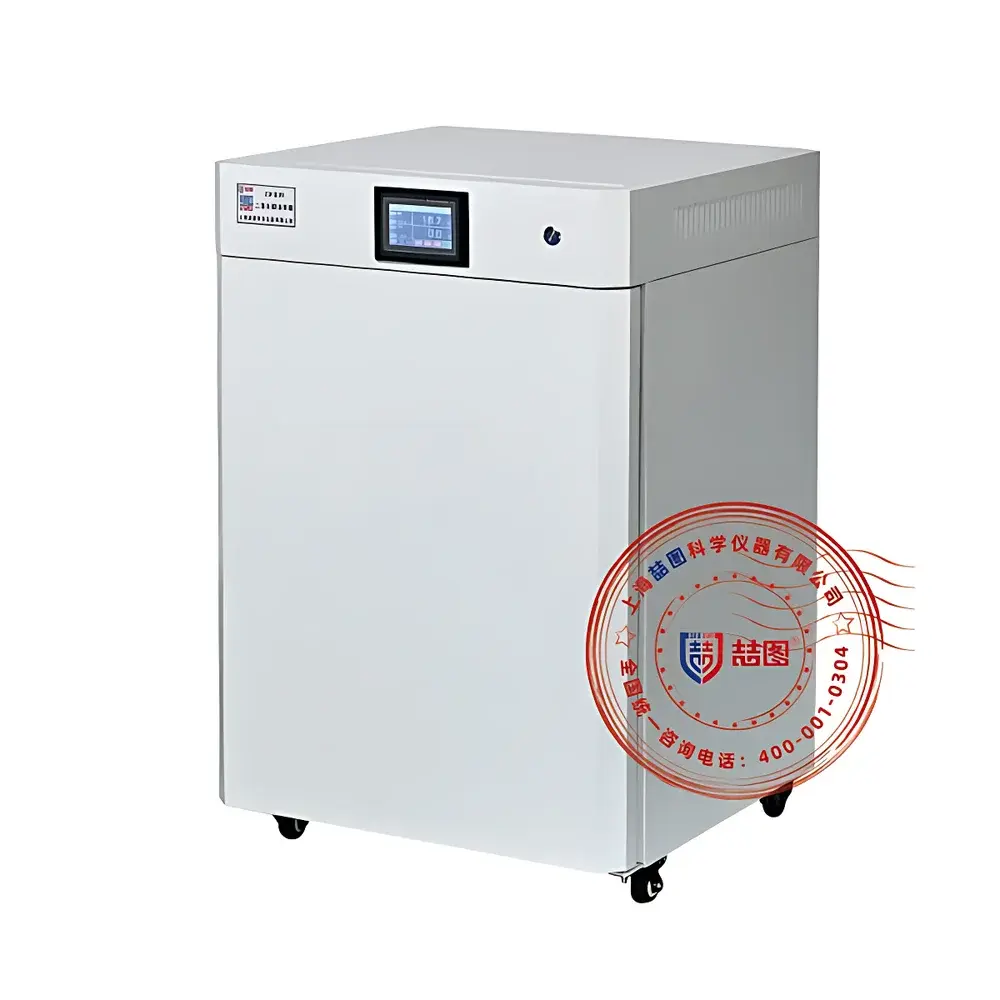
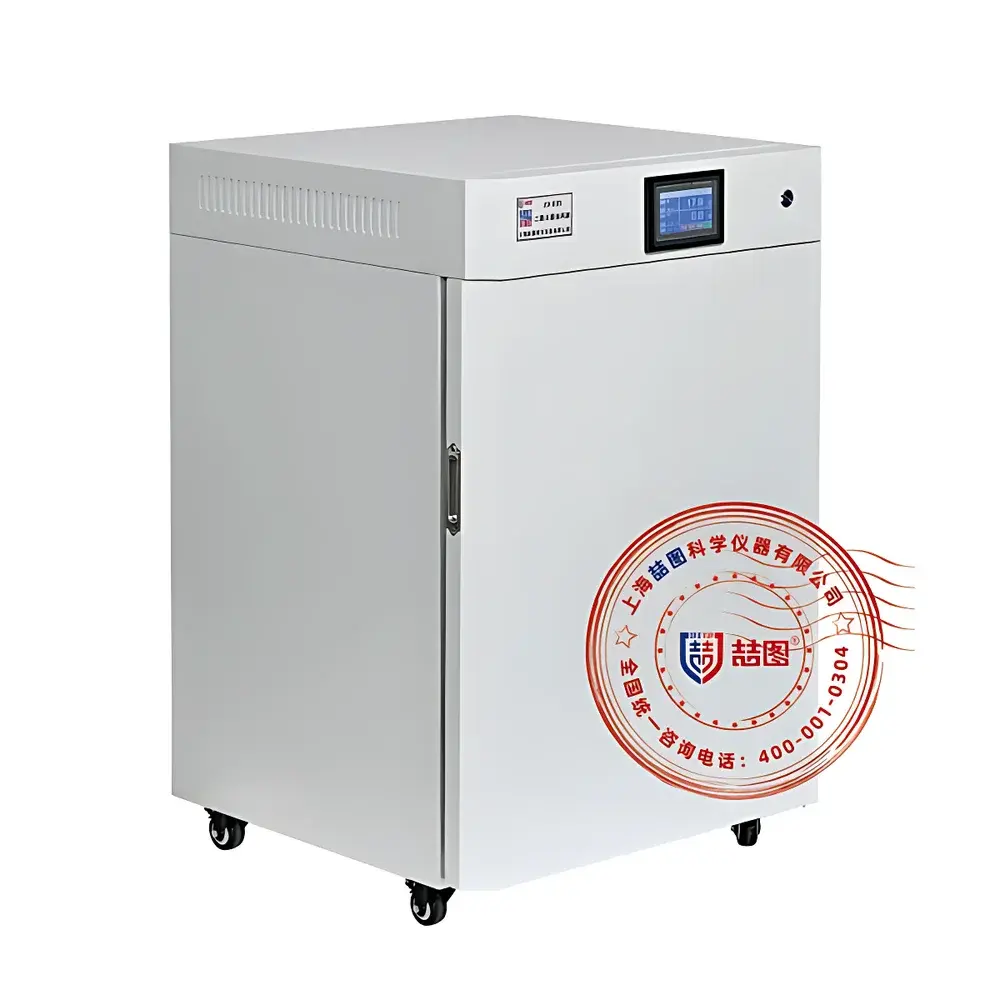
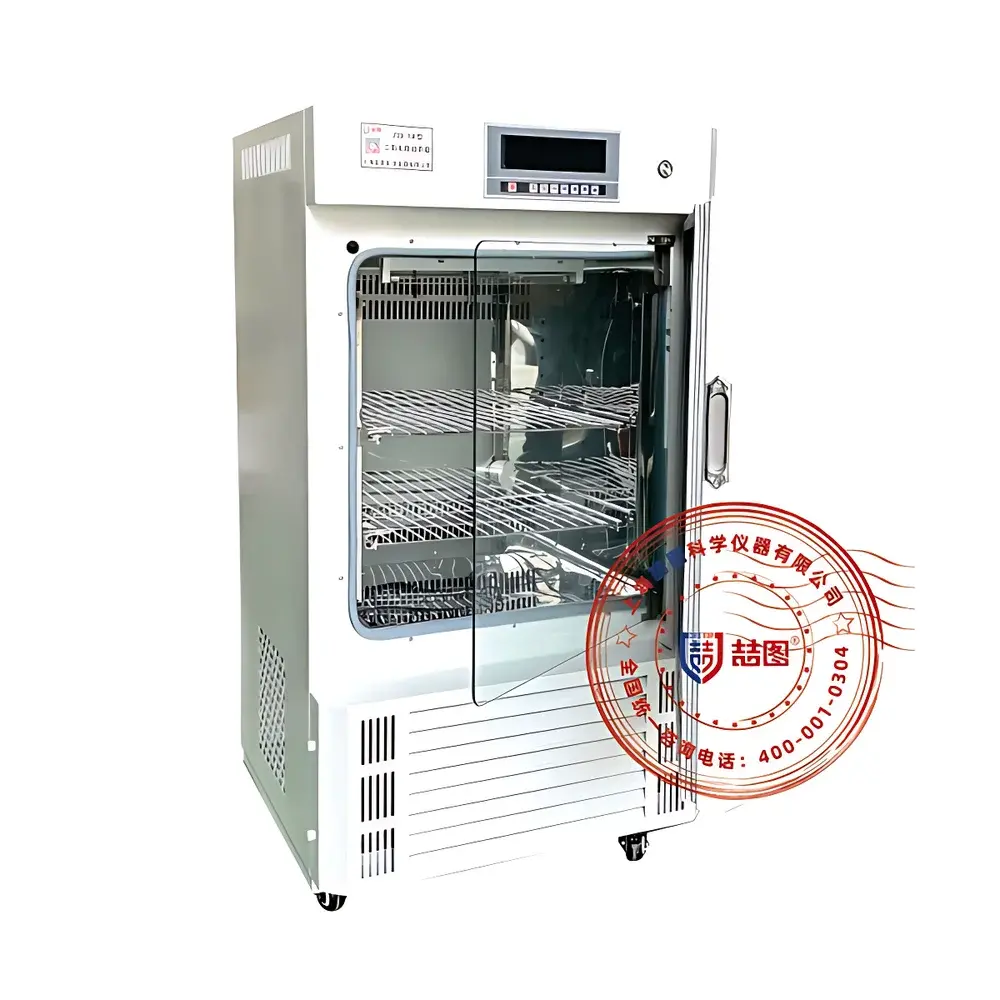
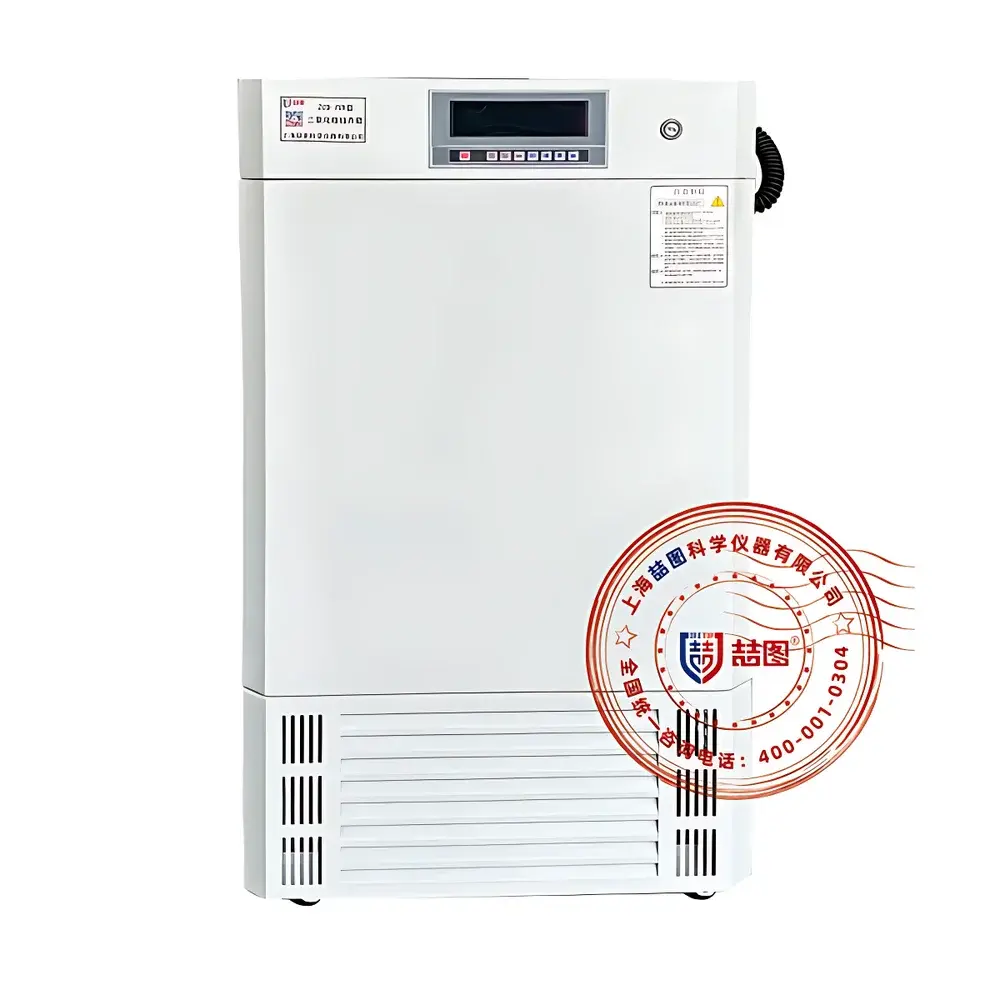
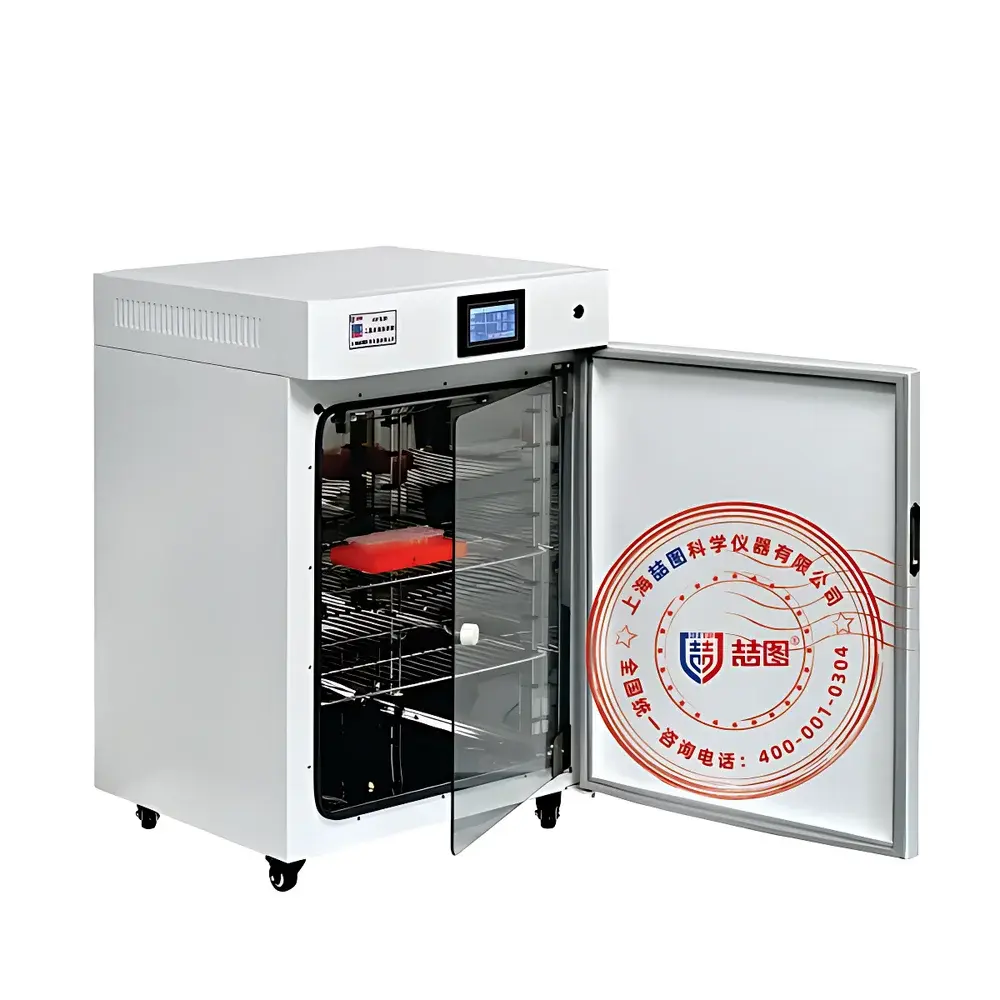
DRETOP ZCQ & ZCW Series Water-Jacketed CO₂ Incubators
| Brand | DRETOP |
|---|---|
| Origin | Shanghai, China |
| Type | Water-Jacketed CO₂ Incubator |
| CO₂ Sensing | Thermal Conductivity (TC) Sensor |
| Temperature Control Range | RT + 5°C to 60°C |
| Temperature Uniformity | ±0.2°C |
| CO₂ Concentration Control Range | 0–20% vol |
| CO₂ Accuracy | ±0.1% vol |
| Humidity Control Method | Natural Evaporation (95% RH ±3%) |
| Capacity | 50 L – 270 L (ZCQ/ZCW standard models) |
| External Dimensions | 545×465×710 mm – 750×715×1030 mm |
| Standard Configuration | HEPA Air Filter (≥0.3 µm, 99.998% efficiency), Mirror-Finish Stainless Steel Interior, Water Jacket with Low-Water Alarm & Auto Cut-off, Door Heating System, Infrared CO₂ Sensor, 90°C Wet-Heat Sterilization (optional), Ozone-Free UV Lamp |
Overview
The DRETOP ZCQ and ZCW Series Water-Jacketed CO₂ Incubators are engineered for precise, stable, and contamination-controlled cell and tissue culture environments. Designed to replicate physiological conditions—specifically 37°C temperature, 5% CO₂ concentration, and ≥95% relative humidity—these incubators support long-term mammalian cell culture, hybridoma antibody production, stem cell expansion, IVF procedures, and toxicology assays. Unlike forced-air (air-jacketed) systems, the water-jacket architecture employs a surrounding thermal reservoir that buffers against ambient fluctuations and power interruptions. Heat transfer occurs via natural convection and radiant exchange, delivering superior thermal stability (±0.2°C uniformity) and extended temperature retention during outages—critical for labs in regions with unstable grid supply or stringent GxP continuity requirements.
Key Features
- Water-jacketed thermal design ensures high thermal mass and minimal temperature drift; maintains setpoint stability for >6 hours after complete power loss.
- Thermal conductivity (TC) CO₂ sensor provides oxygen-independent, catalyst-free measurement with no risk of poisoning or baseline drift—ideal for extended unattended operation.
- Mirror-finish 304 stainless steel interior with seamless, radius-cornered construction minimizes microbial adhesion and simplifies cleaning validation per ISO 14644-1 and EU GMP Annex 1.
- Integrated door heating system prevents condensation on inner glass, eliminating moisture-mediated microbial ingress pathways.
- HEPA-filtered air intake (≥0.3 µm, 99.998% efficiency) ensures particulate-free internal atmosphere; optional ozone-free UV lamp sterilizes recirculated air and humidification pan vapor.
- Reservoir-style water pan maximizes evaporation surface area, enabling ≤3-minute humidity recovery post-door opening (to 95% RH ±3%).
- Anti-tilt shelf mechanism retains horizontal alignment even when extended halfway—preventing media spillage during handling.
- Programmable control modes: constant setpoint, day/night cycling, and multi-step timed profiles—supporting circadian studies and photobiomodulation experiments.
- Comprehensive safety architecture: low-water cutoff, over-temperature cutout, door-open alarm, real-time CO₂ deviation alert, and non-volatile memory for parameter retention after power failure.
Sample Compatibility & Compliance
These incubators accommodate standard T-flasks (25–225 cm²), Petri dishes (35–150 mm), multi-well plates (6–96-well), and roller bottles. Internal dimensions (e.g., ZCW-270: 600×600×750 mm) allow stacking of up to three full-height shelves (included). All models comply with IEC 61010-1:2010 for laboratory equipment safety and meet electromagnetic compatibility (EMC) standards per EN 61326-1. Optional configurations support GLP/GMP workflows: RS485 Modbus RTU interface enables integration into LabVantage or STARLIMS LIMS; audit-trail-capable controllers satisfy FDA 21 CFR Part 11 requirements when paired with validated software.
Software & Data Management
Standard units feature dual-line LCD or optional 7-inch color touchscreen interfaces with intuitive menu navigation and multilingual support (English, German, French, Spanish). Real-time logging records temperature, CO₂, humidity (when equipped), and alarm events at user-defined intervals (1–60 min). Data export is supported via USB flash drive (CSV format) or RS485 serial output. Optional programmable controllers enable up to 30-stage ramp-soak profiles with independent CO₂/humidity/temperature scheduling—essential for differentiation protocols in regenerative medicine and organoid development.
Applications
- Mammalian cell line maintenance (HEK293, CHO, HeLa) under serum-containing or serum-free conditions.
- Hybridoma culture and monoclonal antibody production requiring strict CO₂ and pH stability.
- In vitro fertilization (IVF) and embryo culture under time-lapse compatible environments.
- Stem cell expansion and directed differentiation where thermal and gaseous microenvironment fidelity directly impacts pluripotency markers.
- Toxicology screening using primary hepatocytes or co-cultures exposed to chemical stressors over 72–96 h periods.
- Tissue engineering scaffold seeding and dynamic bioreactor pre-conditioning prior to implantation studies.
- Microbial culture of capnophilic organisms (e.g., Helicobacter pylori, Neisseria gonorrhoeae) requiring controlled CO₂ enrichment.
FAQ
What distinguishes water-jacketed from air-jacketed CO₂ incubators?
Water-jacketed models use a thermally buffered water reservoir surrounding the chamber, offering superior temperature stability and outage resilience. Air-jacketed units heat internal air directly—faster recovery but greater susceptibility to ambient variation.
Is the TC CO₂ sensor suitable for long-term unattended operation?
Yes. Thermal conductivity sensors do not consume oxygen, require no reference gas, and are immune to catalytic poisoning by ethanol, aldehydes, or volatile organic compounds commonly present in cell culture labs.
How is humidity maintained without active humidification hardware?
A large-surface-area stainless steel water reservoir enables passive evaporative saturation, achieving and sustaining ≥95% RH with minimal maintenance—eliminating risks associated with ultrasonic misters or steam generators.
Can these incubators be validated for GMP compliance?
Yes. With optional IQ/OQ documentation packages, calibrated PT100 temperature probes, and traceable CO₂ sensor certificates, units support qualification per ASTM E2500 and EU Annex 15.
What sterilization options are available for routine decontamination?
Standard UV irradiation (254 nm, ozone-free) treats circulating air and water vapor. Optional 90°C wet-heat cycle achieves ≥6-log reduction of bacterial spores (e.g., Geobacillus stearothermophilus) on interior surfaces, meeting ISO 14644-1 Class 5 cleanroom requirements.




