
ChemTron PULP Automated Viscosity Measurement System for Pulp and Cellulose
| Brand | ChemTron |
|---|---|
| Origin | Germany |
| Model | PULP |
| Instrument Type | Benchtop Fixed-Position Viscometer |
| Operating Environment | Ambient Temperature |
| Compliance Standards | ISO 5351:2004, SCAN-CM 15:99, ASTM D1795, ASTM D4243, TAPPI T230 om-94, PAPTAC G.2423P |
| Measurement Resolution | 0.001 s |
| Sample Capacity | 70 × 40 mL Bottles |
| Solvent Resistance | Phenol, Acetic Acid, Cyclohexane, Acetone |
Overview
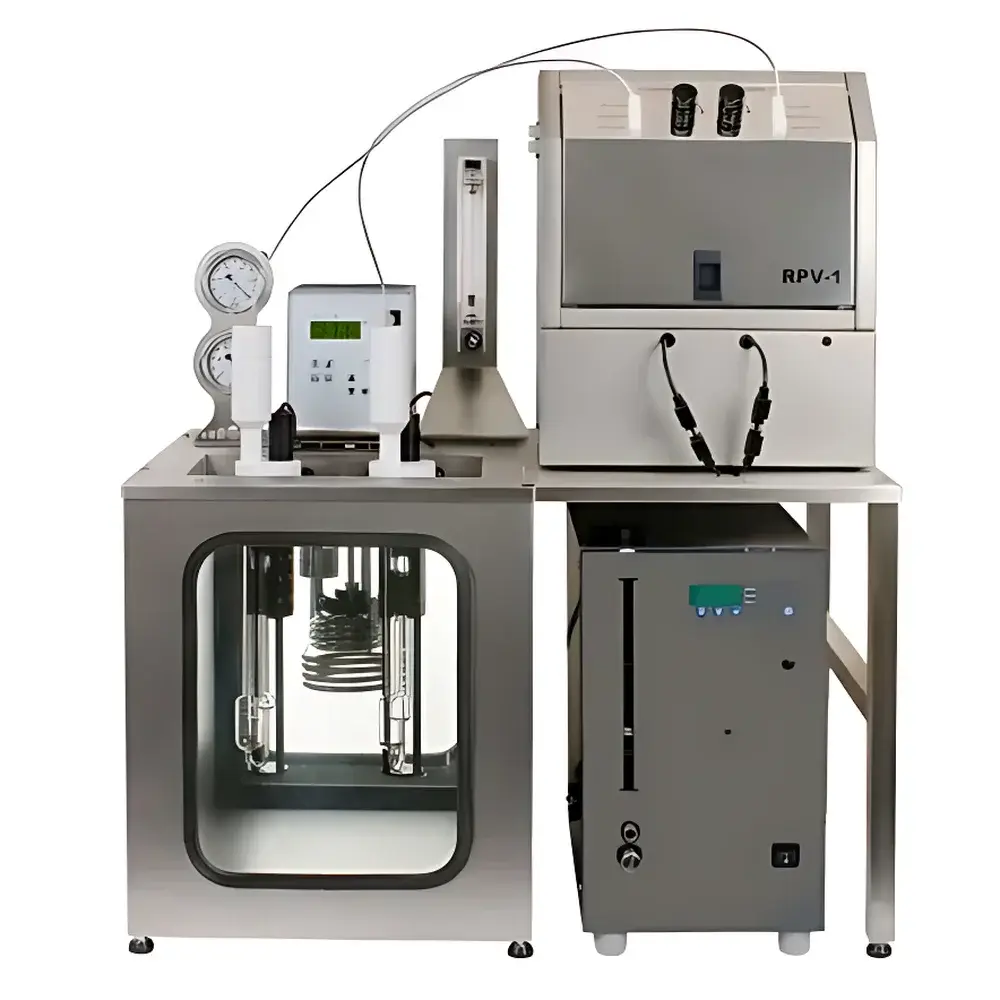
The ChemTron PULP Automated Viscosity Measurement System is a benchtop, fixed-position capillary viscometer engineered specifically for the precise and standardized determination of intrinsic viscosity, kinematic viscosity, and derived polymer parameters in pulp, dissolving cellulose, and related lignocellulosic materials. It operates on the principle of gravity-driven capillary flow (Ubbelohde-type viscometry), where the efflux time of a defined volume of solution through a calibrated capillary is measured under controlled temperature and atmospheric conditions. This fundamental measurement enables calculation of relative viscosity (ηrel), specific viscosity (ηsp), reduced viscosity ([η]red), inherent viscosity ([η]inh), limiting viscosity number ([η]), and degree of polymerization (DP) — all critical quality indicators for pulp reactivity, solubility, and downstream processability in rayon, acetate, or nanocellulose production. Designed for routine QC laboratories in pulp mills, biorefineries, and pharmaceutical excipient suppliers, the system delivers high reproducibility across batch-to-batch analysis while fully supporting regulatory traceability requirements.
Key Features
- Dual independent Ubbelohde capillary modules enabling parallel measurement of two samples or reference/solvent blanks — reducing cycle time and improving inter-run consistency.
- Integrated nitrogen purge system with programmable timing and flow control to eliminate oxidative degradation of sensitive cellulose solutions during measurement and sample storage.
- High-resolution timing electronics with ±0.001 s resolution and temperature-stabilized bath (±0.02 °C) ensure metrological integrity aligned with ISO 5351:2004 and SCAN-CM 15:99 repeatability criteria.
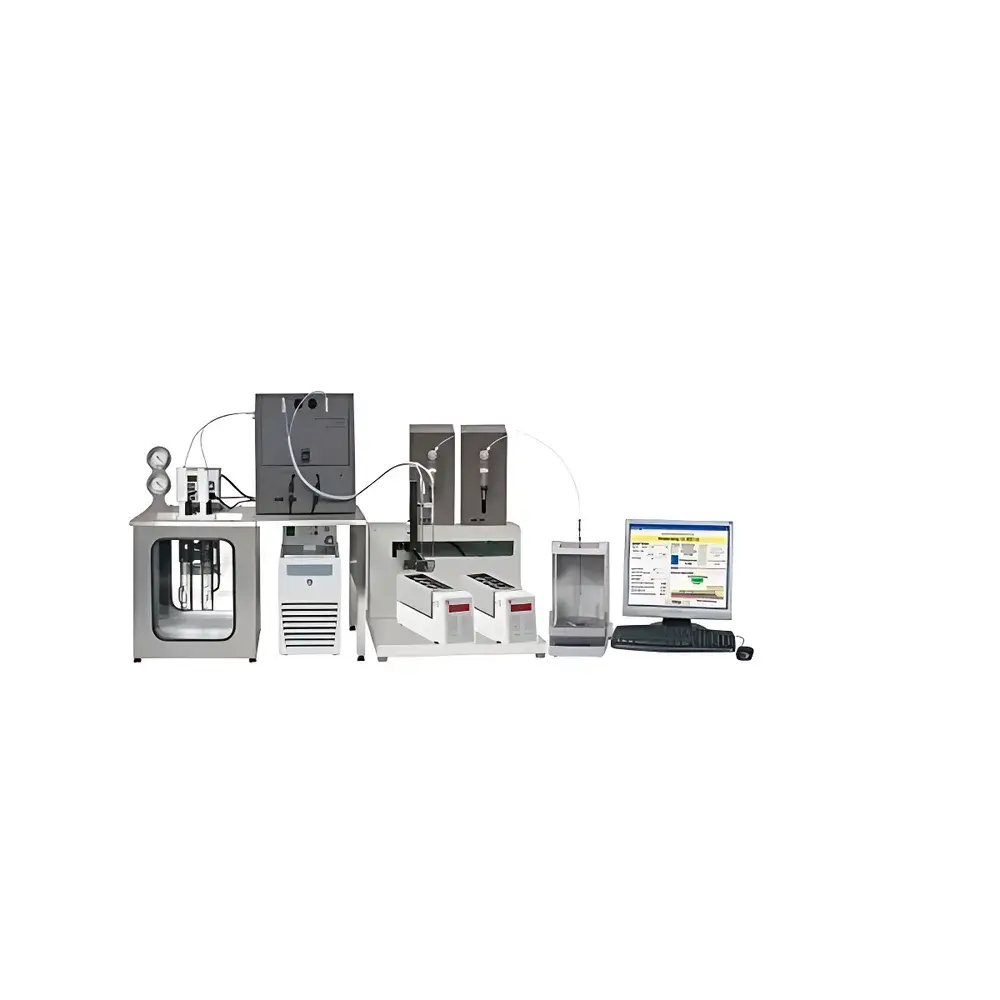
- Automated sample handling via optional robotic autosampler: precise aspiration, dispensing, and rinsing of up to 70 × 40 mL sample vials without manual intervention.
- Onboard method editor supporting full customization of test sequences — including solvent pre-rinse steps, multiple efflux measurements per sample, blank subtraction logic, and dynamic viscosity unit conversion.
- Self-contained cleaning protocol using sequential solvent flushes (e.g., acetone → ethanol → air dry) triggered automatically after each run to prevent carryover and capillary fouling.
Sample Compatibility & Compliance
The PULP system accommodates standard pulp dissolution matrices, including cupriethylenediamine (CED), lithium chloride/N,N-dimethylacetamide (LiCl/DMAc), and copper ethylenediamine (Cuen) solutions. Its wetted components — including borosilicate glass capillaries, PTFE valves, and chemically resistant fluid pathways — are validated for compatibility with aggressive solvents such as phenol, glacial acetic acid, cyclohexane, and acetone. All measurement workflows comply with internationally recognized standards: ISO 5351:2004 (cellulose — determination of limiting viscosity number), SCAN-CM 15:99 (viscosity of pulp in CED), ASTM D1795 (viscosity of cotton linters), ASTM D4243 (viscosity of wood pulp in cupriethylenediamine), TAPPI T230 om-94 (viscosity of pulp), and PAPTAC G.2423P. Data audit trails, user access logs, and electronic signatures meet GLP and FDA 21 CFR Part 11 readiness requirements when configured with compliant software modules.
Software & Data Management
The ChemTron PULP Control Suite provides a Windows-based interface with intuitive workflow navigation, real-time efflux time visualization, and automated parameter derivation per selected standard. Each measurement generates a timestamped report containing raw efflux times, temperature readings, calculated viscosity values (including DP and [η]), uncertainty estimates, and pass/fail flags against predefined specification limits. All data are stored in an encrypted SQLite database with configurable backup intervals and export options (CSV, PDF, XML). Audit trail functionality records operator ID, method version, instrument configuration changes, and result modifications — ensuring full traceability for internal QA reviews or external regulatory audits. Optional LIMS integration supports HL7 or ASTM E1384-compliant data exchange.
Applications
- Quality control of bleached kraft, sulfite, and dissolving-grade wood pulps prior to chemical derivatization.
- Batch release testing of cotton linters and microcrystalline cellulose used in pharmaceutical tablet binders and controlled-release matrices.
- Process optimization in viscose rayon and lyocell fiber manufacturing, where DP directly influences spinnability and tensile strength.
- Stability assessment of oxidized or enzymatically modified cellulose during biocatalytic pretreatment studies.
- Research-grade characterization of nanocellulose dispersions and regenerated cellulose films requiring accurate molar mass distribution proxies.
FAQ
What viscosity standards does the PULP system support out-of-the-box?
The system includes preloaded methods for ISO 5351:2004, SCAN-CM 15:99, ASTM D1795, ASTM D4243, TAPPI T230 om-94, and PAPTAC G.2423P — with editable parameters for solvent type, concentration, temperature, and calculation algorithms.
Can the system measure samples dissolved in LiCl/DMAc?
Yes — the fluidic architecture and capillary material selection are compatible with LiCl/DMAc, CED, and other common cellulose solvents; users must select appropriate calibration constants and temperature setpoints per method.
Is nitrogen purging mandatory for all measurements?
Nitrogen purging is programmable and optional per method; it is strongly recommended for oxygen-sensitive samples (e.g., alkali-treated pulps) but may be disabled for stable, short-duration analyses.
How is calibration verified?
Calibration is performed using certified reference standards (e.g., NIST-traceable water or toluene) at specified temperatures; verification reports include capillary constant validation, timer accuracy checks, and thermal stability logs.
Does the system support 21 CFR Part 11 compliance?
When deployed with the optional Secure Mode license and network-authenticated user accounts, the software enforces electronic signature workflows, role-based permissions, and immutable audit trails required for regulated environments.



