
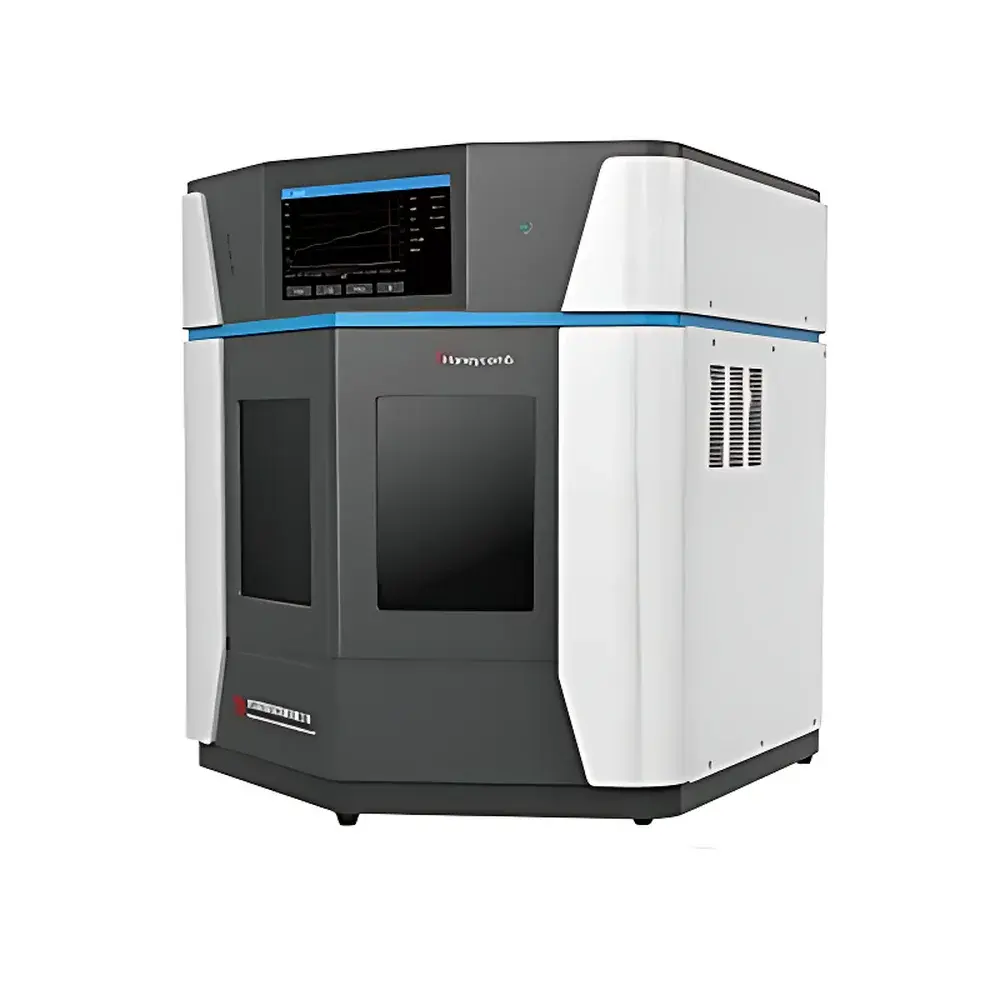
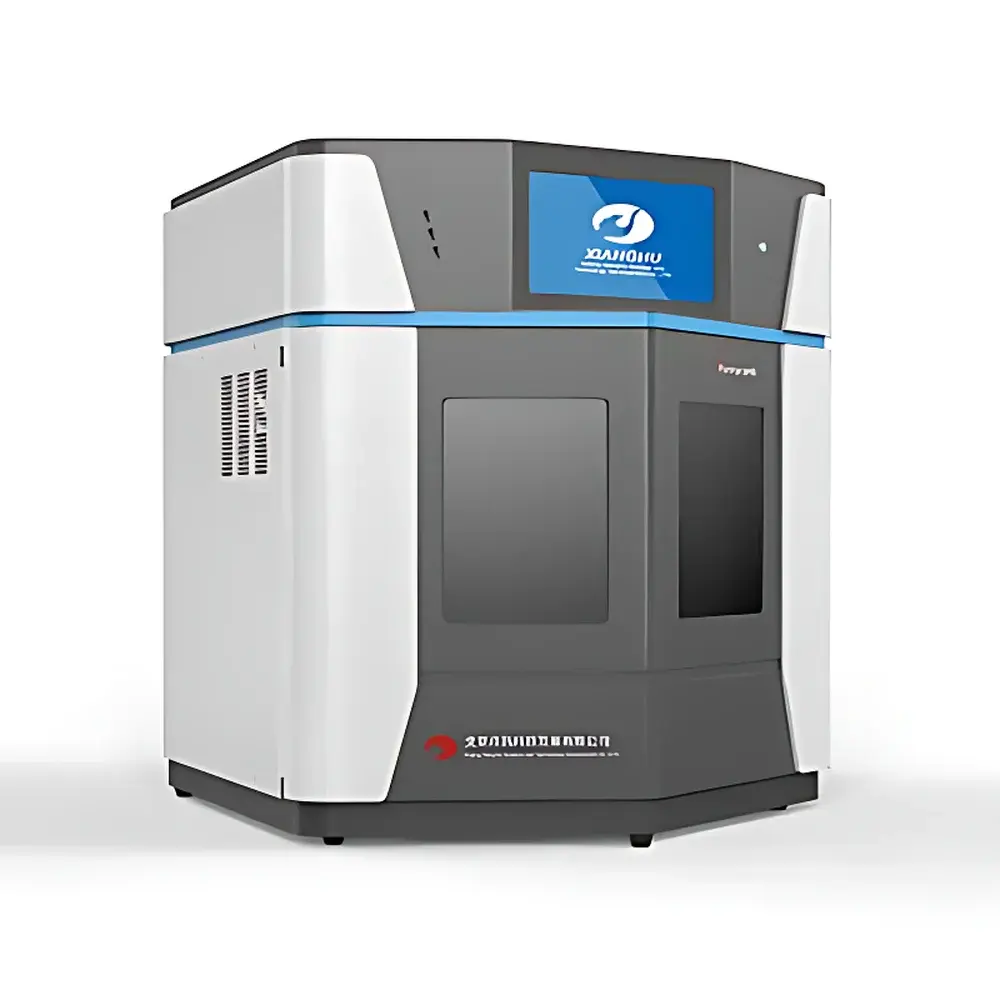
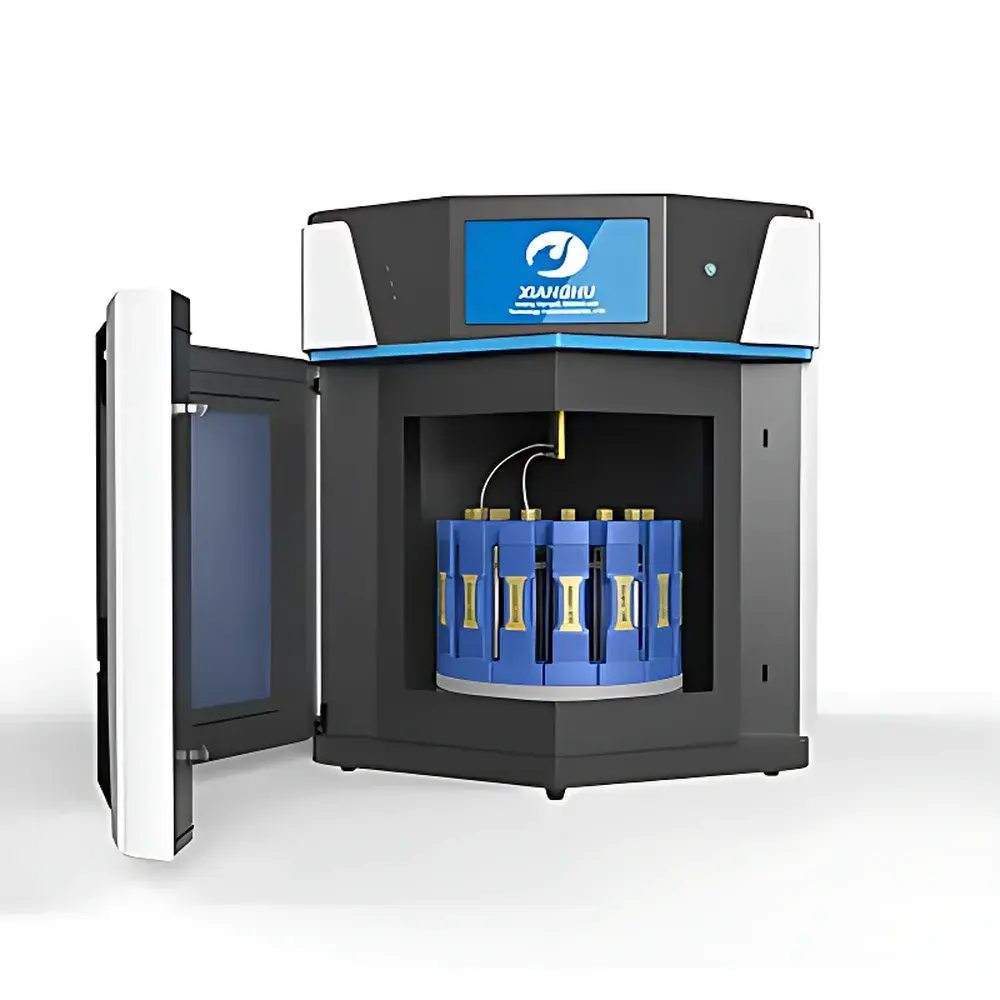
Xianghu Honeycomb XH-800X Industrial Microwave Digestion Workstation
| Brand | Xianghu |
|---|---|
| Origin | Beijing, China |
| Manufacturer Type | Direct Manufacturer |
| Product Category | Domestic |
| Model | XH-800X |
| Price Range | USD 28,000–42,500 (FOB) |
| Cavity Class | Industrial Grade |
| Sample Capacity | 15 samples per batch |
| Microwave Source | Dual Magnetron |
| Max Temperature | 260 °C |
| Max Pressure | 1500 psi |
Overview
The Xianghu Honeycomb XH-800X Industrial Microwave Digestion Workstation is an engineered solution for high-throughput, reproducible sample preparation in regulated and research-intensive laboratories. It operates on the principle of controlled microwave-assisted acid digestion—where electromagnetic energy (2.45 GHz) is coupled into sealed reaction vessels to rapidly elevate temperature and pressure, accelerating oxidative decomposition of organic matrices and mineral dissolution of inorganic components. Designed for compliance-critical workflows, the system integrates dual magnetron power delivery, a geometrically optimized 68 L hexagonal cavity, and real-time multimodal process monitoring. Its architecture supports full traceability, method reproducibility, and robust operation across diverse sample types—from biological tissues and environmental soils to metallurgical alloys and pharmaceutical excipients.
Key Features
- Hexagonal industrial cavity (68 L volume) fabricated from fully austenitic stainless steel (316L grade), internally coated with multilayer PTFE-based corrosion-resistant polymer for extended service life under aggressive HNO₃/HF/HCl/H₂O₂ chemistries.
- Dual magnetron configuration with vertically aligned dual-port feed and rectangular waveguide coaxial coupling—engineered to minimize standing wave formation and ensure uniform field distribution across all 15 vessel positions.
- 10-inch capacitive touchscreen display running Android-based embedded OS (quad-core 1.2 GHz CPU, 32 GB onboard storage), featuring intuitive UI navigation, multi-language support (EN/DE/FR/ES/CN), and GLP-compliant audit trail logging.
- Real-time, vessel-level monitoring via infrared pyrometry (±1 °C accuracy) and piezoresistive pressure transducers (±15 psi), with simultaneous graphical overlay of temperature, pressure, and microwave power curves.
- Laser-based full-cavity scanning system automatically detects rotor position, vessel count, and individual vial orientation—enabling precise positional referencing for method recall and cross-batch comparison.
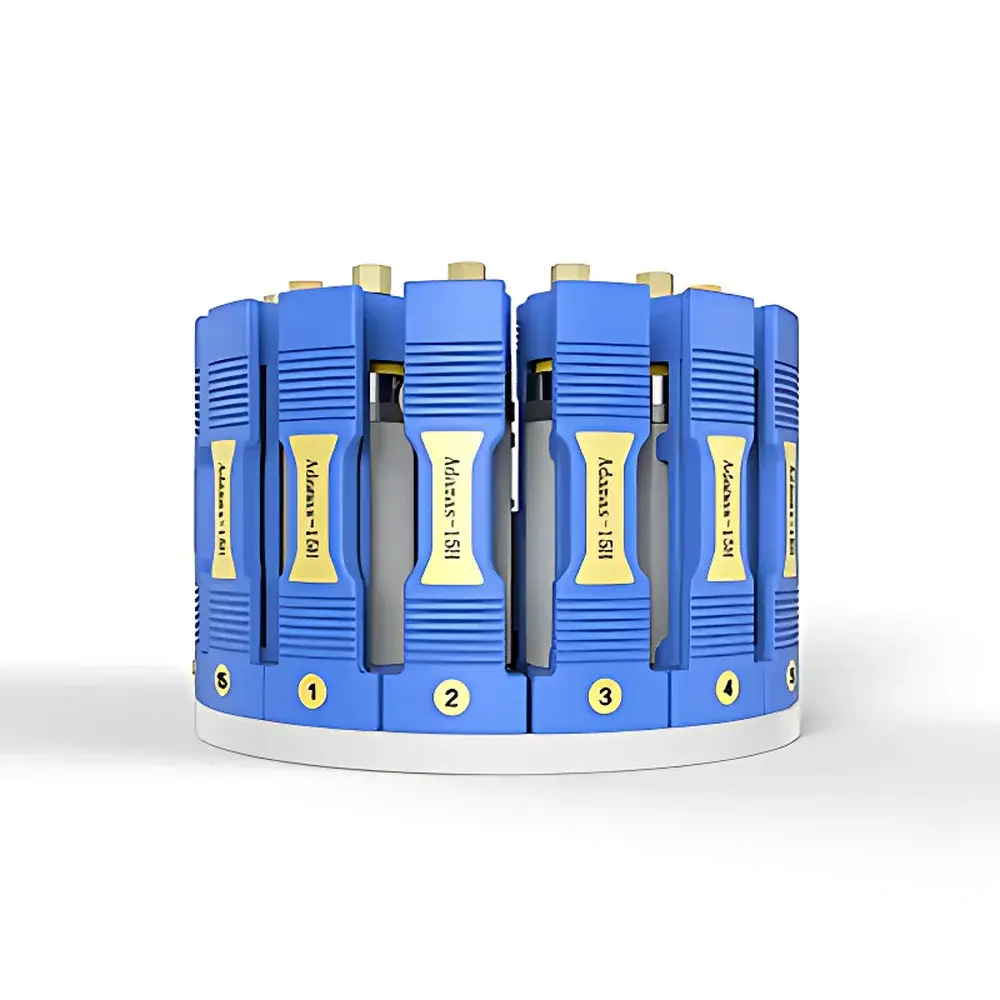
- Frame-type digestion vessels with dual-wall construction and passive overpressure release mechanism (no consumable rupture disks); pressure reset occurs automatically post-release without manual intervention or part replacement.
- Integrated HD camera system provides full-field-of-view visual monitoring; live video stream synchronizes with parameter plots on-screen for direct correlation between thermal behavior and physical reaction dynamics.
- Dual high-capacity corrosion-resistant centrifugal blowers provide rapid acid vapor extraction and forced-air cooling—system triggers audible alert when internal chamber temperature falls below 60 °C, signaling safe vessel access.
Sample Compatibility & Compliance
The XH-800X accommodates up to fifteen 100 mL high-pressure quartz or reinforced PTFE-TFM digestion vessels per run, supporting both open-vessel evaporation and closed-vessel ramp-hold digestion protocols. It meets structural and operational requirements outlined in ASTM D5511, ISO 11466, USP , and EPA Methods 3015A, 3050B, and 3052. All firmware and data handling routines are designed to support 21 CFR Part 11 readiness—including electronic signatures, user role-based access control, and immutable audit trails for method execution, parameter changes, and alarm events. The instrument’s mechanical interlock system complies with IEC 61000-4-3 (EMC) and IEC 61010-1 (safety), with triple-layer door sealing and redundant motorized/mechanical latching.
Software & Data Management
Data acquisition, visualization, and export are managed through the integrated XH-OS platform. Each digestion cycle generates a timestamped binary log file containing second-by-second records of temperature, pressure, power output, and camera metadata. Users may replay any segment at 1× or accelerated speed, zoom into transient events (e.g., exothermic spikes), and export CSV-formatted datasets via three USB 2.0 ports. Optional desktop software (XH-DigestView™) enables comparative analysis across batches, statistical evaluation of RSD values for replicate digestions, and automated report generation compliant with ISO/IEC 17025 documentation standards. All exported files retain cryptographic hash integrity verification.
Applications
The XH-800X serves as a primary digestion platform in accredited testing laboratories performing elemental analysis by ICP-OES, ICP-MS, AAS, and XRF. Its validated performance supports routine applications in food safety (heavy metal screening in cereals, seafood, infant formula), environmental monitoring (trace metal quantification in sediments, sludge, airborne particulates), clinical toxicology (blood, hair, tissue digestion for Pb, Cd, As, Hg), geoscience (rock and ore leaching prior to rare earth element profiling), and materials science (digestion of aerospace composites and battery cathode materials). Universities and national metrology institutes utilize its programmable ramp-hold profiles for method development and reference material certification.
FAQ
What safety certifications does the XH-800X hold?
The instrument conforms to IEC 61010-1 (Laboratory Equipment Safety) and IEC 61000-4-3 (Radiated RF Immunity), with third-party verification of door interlock redundancy, pressure containment integrity, and emergency venting response time.
Can the system be integrated into a LIMS environment?
Yes—via optional RS-232/USB-to-Ethernet gateway, the workstation supports HL7 and ASTM E1384 message formatting for bidirectional data exchange with major LIMS platforms.
Is method validation support available?
Xianghu provides IQ/OQ documentation templates, certified reference material (CRM) digestion protocols, and on-site installation qualification services upon request.
What maintenance intervals are recommended?
Routine inspection of waveguide seals, magnetron cooling airflow, and IR sensor calibration is advised every 500 operating hours; full cavity coating reapplication is scheduled at 3,000-hour intervals based on acid exposure history.
Does the system support custom vessel geometries?
The laser positioning system and rotor detection algorithm are calibrated for standard 100 mL cylindrical vessels; non-standard configurations require factory recalibration and are subject to validation scope limitations.



