
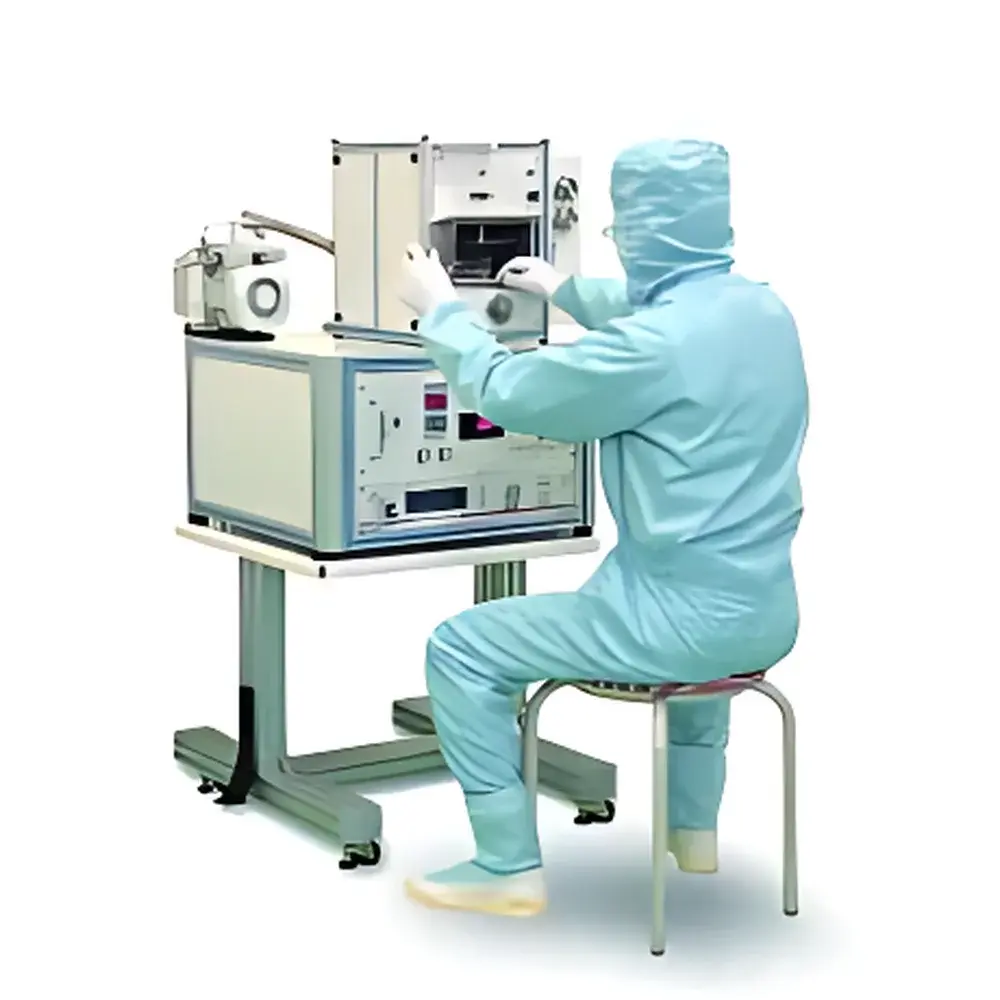
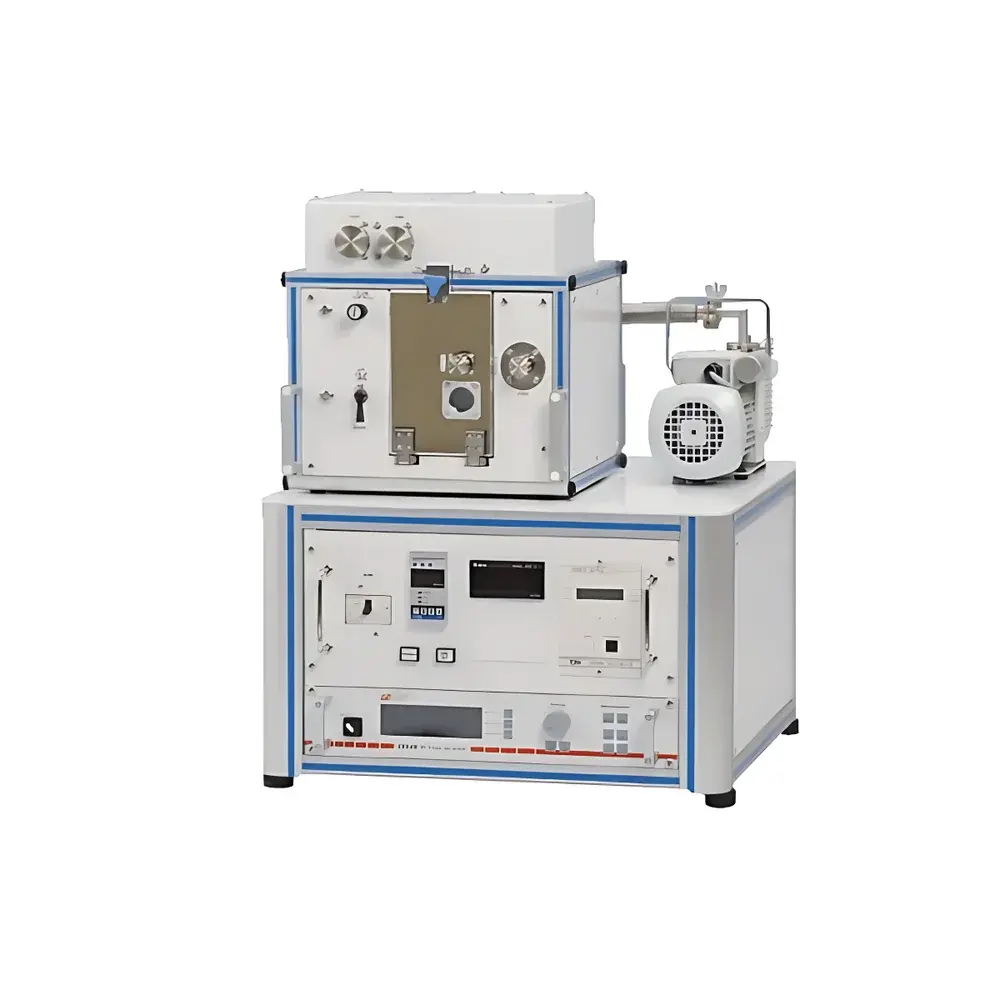
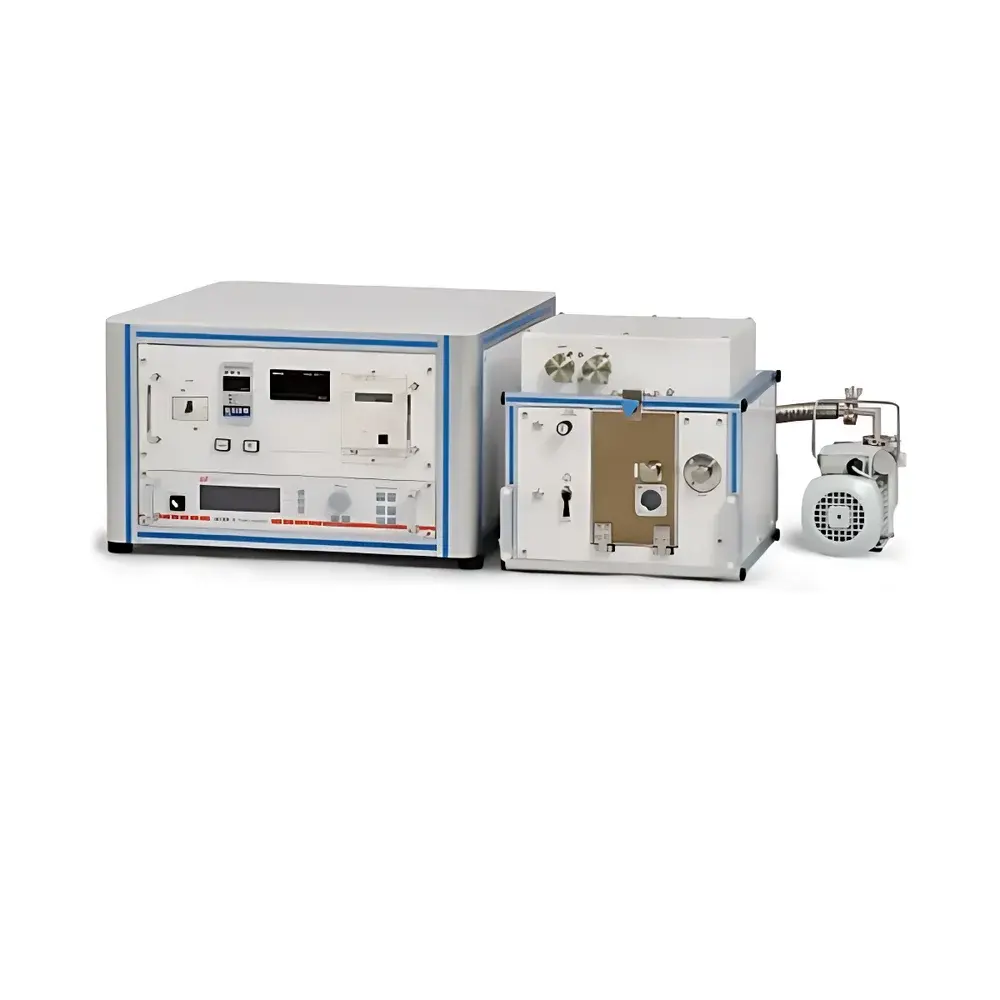
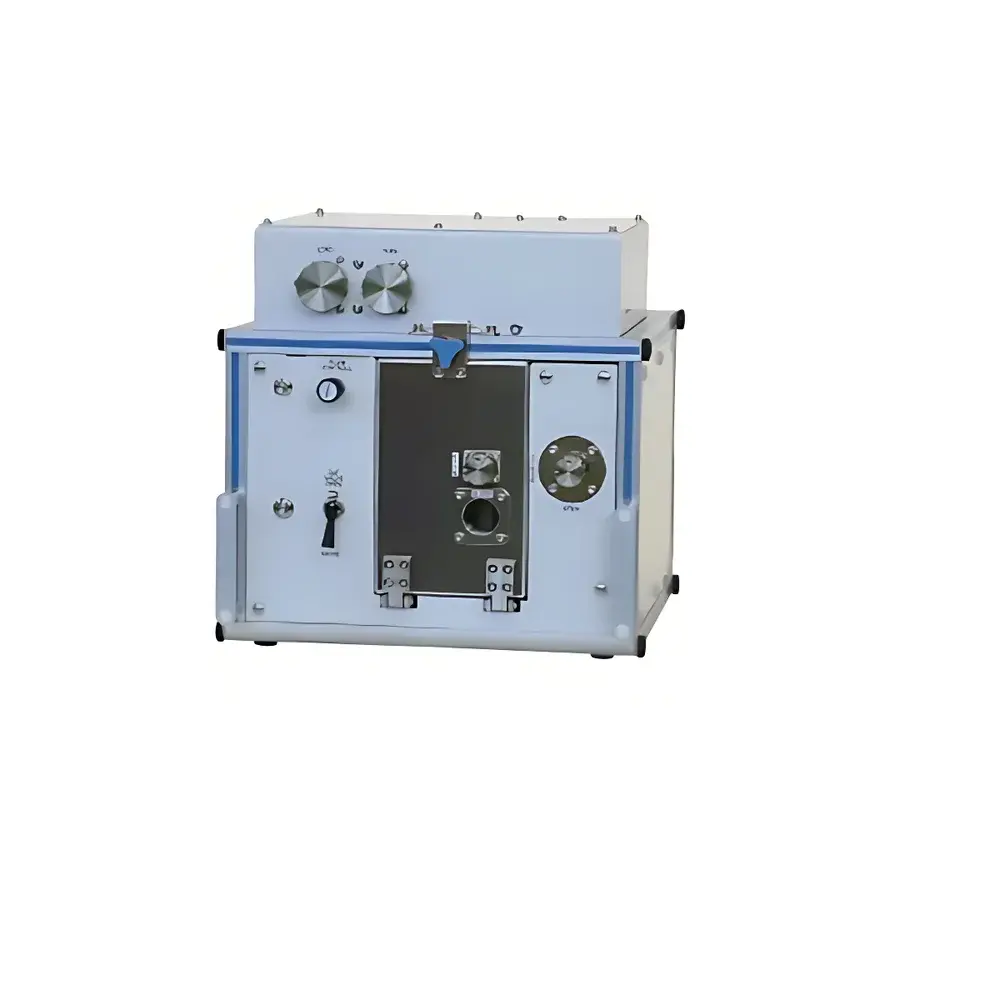
AGUS SSP-1000 Desktop Magnetron Sputtering System
| Brand | AGUS |
|---|---|
| Origin | Japan |
| Manufacturer Type | Authorized Distributor |
| Origin Category | Imported |
| Model | SSP-1000 |
| Price Range | USD 110,000 – 138,000 |
| Maximum Substrate Diameter | φ100 mm |
| Thickness Uniformity | ±5% over φ100 mm area |
| RF Power Mode | Pulsed RF (13.56 MHz) |
| Gas Inlets | Standard 1, Optional 2 |
| Sputtering Orientation | Upward, Lateral, Downward (reconfigurable cubic chamber) |
| Target Compatibility | Metallic, Oxide (e.g., Al₂O₃, SiO₂), Nitride, and Magnetic Targets (optional) |
| Substrate Holder | Rotatable or Fixed |
| Viewport | Integrated Quartz Observation Window |
| Cathode Shielding | Removable Cathode Protection Plate with Integrated Sputter Timer for Thickness Estimation |
Overview
The AGUS SSP-1000 Desktop Magnetron Sputtering System is a compact, high-precision physical vapor deposition (PVD) platform engineered for academic laboratories, R&D centers, and small-scale thin-film process development. Based on DC/RF magnetron sputtering principles, the system utilizes crossed electric and magnetic fields to confine electrons near the target surface—enhancing ionization efficiency of the working gas (typically Ar) and enabling stable, low-pressure plasma generation. This architecture supports reproducible deposition of conductive, insulating, and magnetic thin films—including metals (e.g., Au, Ti, Cr), dielectrics (e.g., SiO₂, Al₂O₃, Ta₂O₅), and compound targets—without requiring ultra-high vacuum infrastructure. Its reconfigurable cubic vacuum chamber permits rapid mechanical reorientation of the cathode–substrate geometry, enabling upward, lateral, or downward sputtering modes within a single footprint—eliminating the need for multiple dedicated systems in early-stage materials screening.
Key Features
- Modular orientation design: Interchangeable cathode mounting configuration enables three orthogonal sputtering directions (upward, lateral, downward) via simple hardware repositioning—validated for consistent plasma coupling and uniform film growth across all modes.
- Dual-mode RF/DC capability: Integrated 13.56 MHz pulsed RF power supply (standard) supports stable sputtering of insulating targets; optional DC mode available for metallic targets with enhanced deposition rates.
- Substrate versatility: Accommodates substrates up to φ100 mm; holder supports continuous rotation (0–30 rpm) or static positioning—critical for thickness control and stress management in multilayer stacks.
- Vacuum integrity: All-metal sealed chamber with ISO-KF 40 flanges; base pressure <5×10⁻⁶ Torr (with turbomolecular pump); ultimate pressure compatible with reactive sputtering (e.g., O₂/N₂ addition for oxides/nitrides).
- Operational safeguards: Integrated quartz viewport (Ø50 mm) enables real-time plasma monitoring; removable cathode protection plate prevents back-sputtering contamination during pump-down and idle phases.
- Process repeatability: Thickness uniformity ≤±5% across φ100 mm substrates under optimized conditions (verified per ASTM F1976-21 for thin-film uniformity assessment).
Sample Compatibility & Compliance
The SSP-1000 accommodates rigid and planar substrates including silicon wafers (100/111), glass slides, fused silica, alumina ceramics, and flexible metal foils (with appropriate fixture support). Target compatibility spans 2-inch and 3-inch diameter rotatable or stationary targets—including ferromagnetic materials (Fe, Ni, Co alloys) when equipped with optional high-field magnets. The system meets fundamental requirements for GLP-compliant thin-film process documentation: integrated sputter timer provides auditable deposition duration logging; all electrical interlocks and pressure safety cutoffs conform to IEC 61000-6-2/6-4 EMI immunity and emission standards. While not certified as GMP-grade, its design supports traceability workflows aligned with FDA 21 CFR Part 11 principles when paired with external electronic lab notebook (ELN) integration.
Software & Data Management
The SSP-1000 operates via a dedicated embedded controller with tactile membrane interface—no PC dependency required for routine operation. Key parameters (RF power, forward/reflected power, chamber pressure, gas flow rates, deposition time) are digitally recorded at 1 Hz resolution and exportable via USB to CSV. Optional RS-485 or Ethernet interface enables SCADA-level integration with laboratory-wide MES or LIMS platforms. All process logs include timestamp, operator ID (via manual entry), and chamber condition snapshots—supporting root-cause analysis and audit readiness. Firmware adheres to ISO/IEC 17025:2017 guidelines for measurement equipment calibration traceability (calibration certificates available upon request for pressure gauges and mass flow controllers).
Applications
- Functional oxide thin-film development: ALD-compatible seed layers (e.g., ITO, AZO), gate dielectrics (HfO₂, Al₂O₃), and transparent conducting oxides for optoelectronic prototyping.
- Magnetic heterostructure fabrication: Spin-valve stacks, exchange-biased bilayers (e.g., CoFe/IrMn), and perpendicular magnetic anisotropy (PMA) films for spintronics research.
- MEMS and sensor coating: Low-stress SiNₓ passivation, piezoresistive Cr/Au strain gauges, and catalytic Pt/Pd electrodes for gas microsensors.
- Surface science model systems: Well-defined metal–oxide interfaces for XPS/UPS characterization; ultrathin corrosion barrier studies on Al/Cu substrates.
- Teaching and training: Hands-on PVD methodology instruction covering plasma diagnostics, stoichiometric transfer, and reactive sputtering kinetics.
FAQ
What vacuum level is required for stable RF sputtering of Al₂O₃?
Stable RF sputtering of insulating targets requires base pressure ≤2×10⁻⁶ Torr and operating pressure between 1.5–5 mTorr (Ar). A turbomolecular pumping system with ≥300 L/s speed is recommended.
Can the system perform reactive sputtering with oxygen or nitrogen?
Yes—when configured with dual mass flow controllers (optional upgrade), the SSP-1000 supports controlled reactive sputtering of oxides (e.g., TiO₂), nitrides (e.g., TiN), and oxynitrides with closed-loop partial pressure regulation.
Is substrate heating available?
Standard configuration includes ambient-temperature deposition only. A resistive heater module (up to 300°C, ±1°C stability) is available as a factory-installed option with thermocouple feedback.
How is film thickness estimated without in-situ monitoring?
The integrated sputter timer—synchronized with cathode shielding activation—enables thickness estimation using pre-calibrated rate data (nm/min per W/cm²). For quantitative validation, ex-situ ellipsometry or profilometry is recommended.
What maintenance intervals are recommended for long-term reliability?
Daily: Visual inspection of viewport cleanliness and O-ring integrity. Quarterly: Mass flow controller calibration, RF matching network tuning, and cathode shield cleaning. Annually: Turbopump bearing service and vacuum gauge recalibration.



