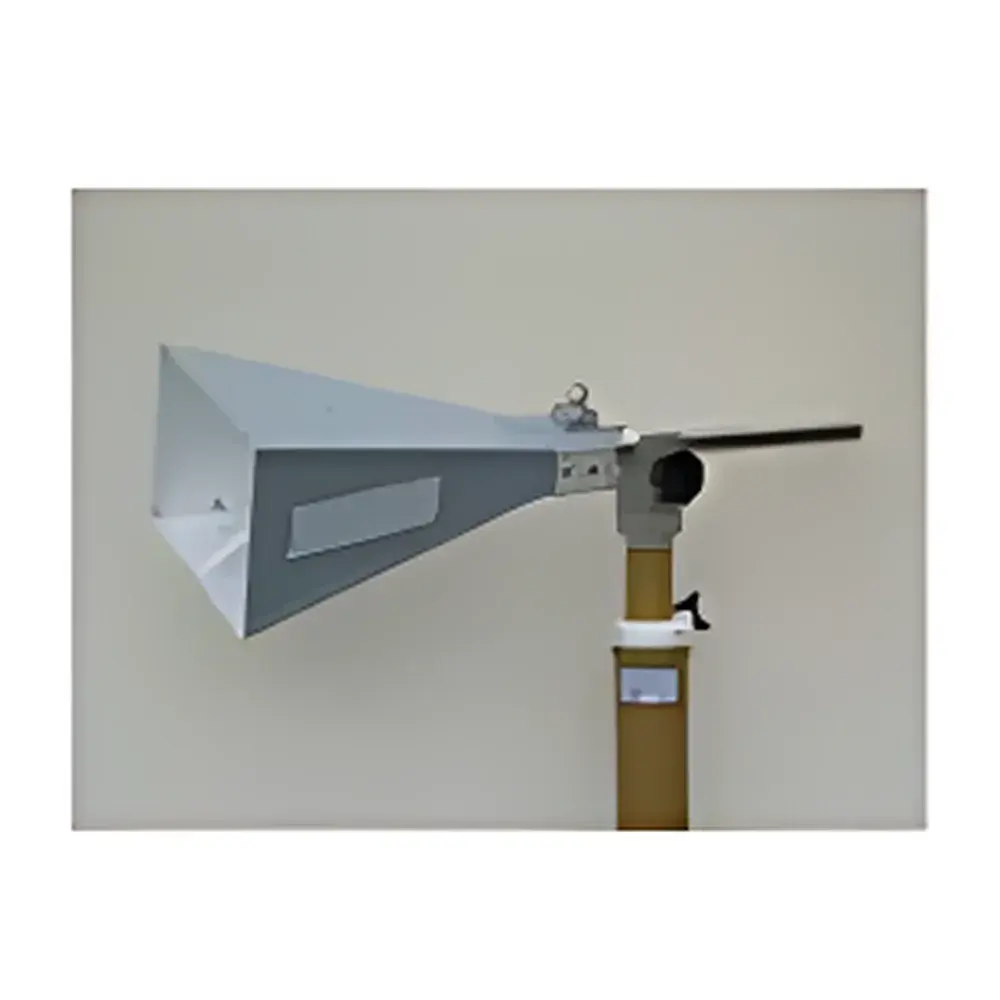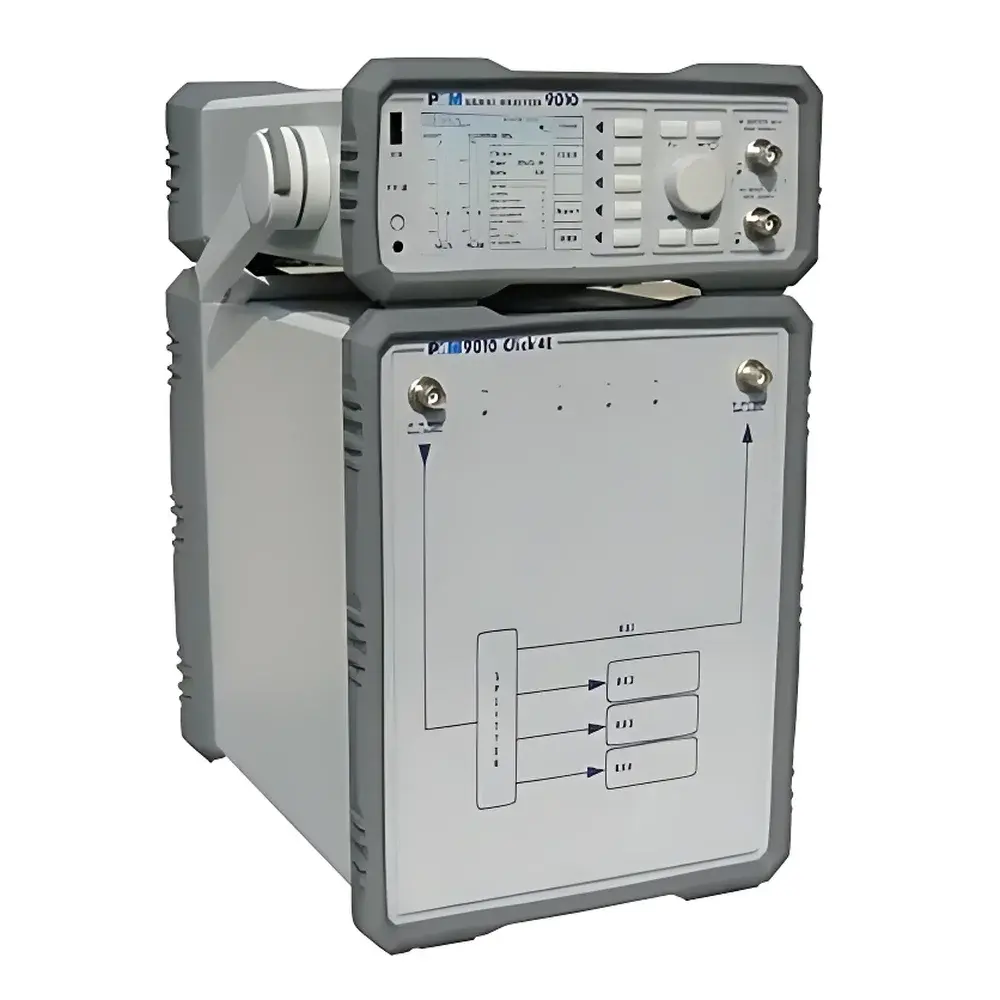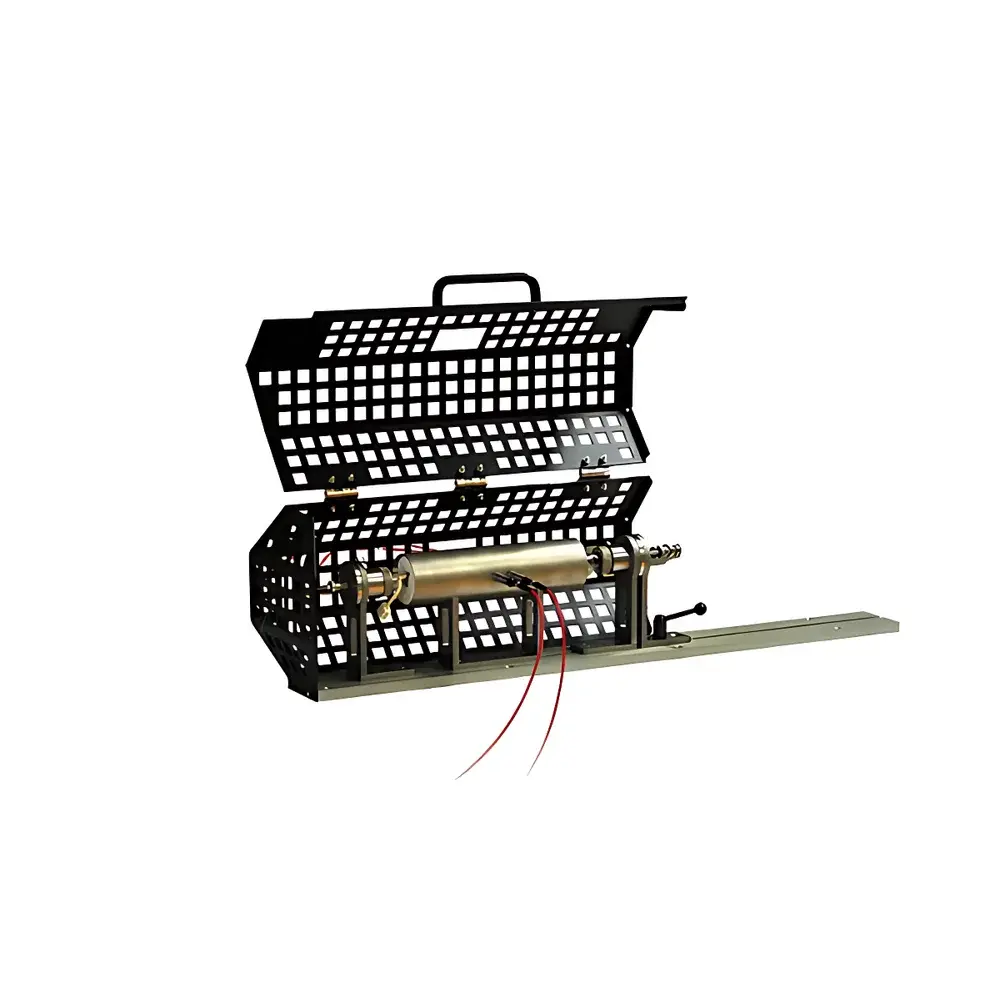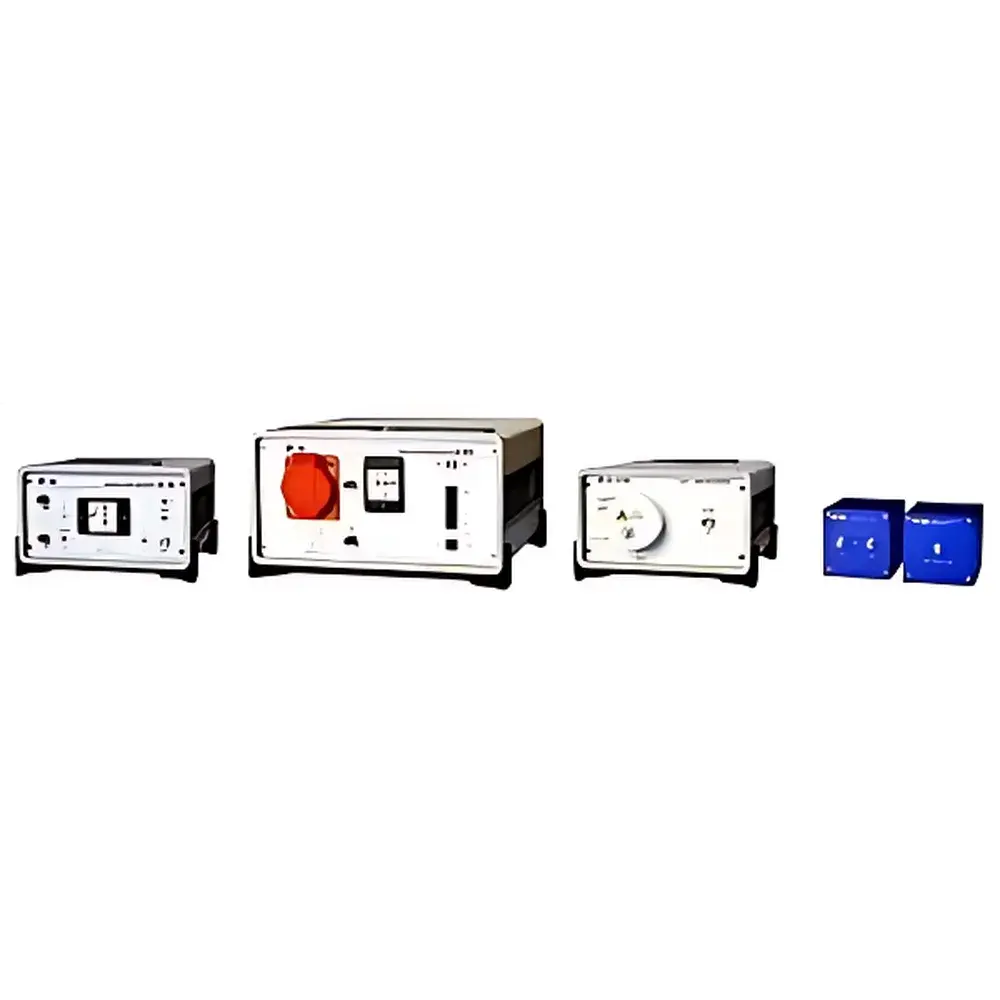
PMM LISN Series Artificial Supply Networks (ASNs) for EMI Conducted Emission & Immunity Testing
| Brand | PMM |
|---|---|
| Origin | Italy |
| Model Range | L2-16A, L3-32, L3-64, L2-D, L3-100, L3-500, L1-150, L5-50-1-01, L5-70-1-01, L5-100-1-01 |
| Current Ratings | 2 A to 350 A |
| Impedance Networks | 50 Ω // (5 Ω + 50 µH), 150 Ω, 50 Ω // (1 Ω + 5 µH) |
| Compliance | CISPR 16-1-2, CISPR 22, CISPR 25, ISO 7637-2, MIL-STD-461G (RS103, CS106), EN 55032/55035 |
| Control Interface | TTL/RS-232 compatible with PMM receivers (e.g., PRM9000, EMI Suite) |
Overview
PMM Artificial Supply Networks (ASNs), commonly referred to as Line Impedance Stabilization Networks (LISNs), are precision-calibrated RF impedance stabilization devices designed for standardized conducted electromagnetic interference (EMI) emission and immunity testing in accordance with international regulatory frameworks. Installed between the equipment under test (EUT) and its power supply, each LISN provides a repeatable, frequency-stable 50 Ω (or 150 Ω for telecom applications) measurement port impedance across the specified RF range (typically 9 kHz–30 MHz or 150 kHz–108 MHz per CISPR 16-1-2), while simultaneously isolating the EUT from background noise on the mains supply. The core function is to enable accurate, reproducible quantification of common-mode RF noise currents injected into or emanating from the power lines—critical for pre-compliance screening and formal certification to CISPR, ISO, EN, and military standards.
Key Features
- Multi-current capacity architecture: Select from nine standardized models covering current ratings from 2 A (L2-D, telecom delta configuration) up to 350 A (L3-500), enabling direct integration with low-power electronics through high-current industrial drives and EV traction inverters.
- Automated phase-line switching: Compatible with PMM EMI receivers (e.g., PRM9000 series) via TTL or RS-232 control, allowing synchronized LISN channel selection during automated multi-phase conducted emission scans—eliminating manual reconfiguration and reducing test cycle time by >40% in three-phase setups.
- Traceable impedance calibration: Each unit is factory-calibrated per CISPR 16-1-2 Annex D requirements; full impedance vs. frequency characterization data (including magnitude and phase deviation ≤ ±1.0 dB / ±5° from nominal) supplied with NIST-traceable certificate.
- Dual-network topology support: Models such as L1-150 employ a 1 Ω + 5 µH impedance network optimized for high-current transient immunity testing per ISO 7637-2 Pulse 1/2a/5a, while L5-series units integrate dedicated 50 Ω//50 µH networks compliant with ISO 7637-2’s 50 A, 70 A, and 100 A variants for automotive component validation.
- Robust mechanical design: All enclosures conform to IP2X protection rating; terminals rated for 10,000 mating cycles; internal RF chokes and capacitors selected for thermal stability (<±0.5% drift over 0–50 °C ambient) and long-term impedance repeatability.
Sample Compatibility & Compliance
The PMM LISN portfolio supports a broad spectrum of EUT categories: consumer electronics (CISPR 32), automotive ECUs (ISO 11452-4, ISO 7637-2), industrial machinery (EN 61000-6-3/4), aerospace avionics (RTCA DO-160 Section 20), and military platforms (MIL-STD-461G CS106, RS103). All models meet the physical construction, insertion loss, and impedance tolerance criteria defined in CISPR 16-1-2 Ed. 4.0 (2021) and are validated for use in accredited laboratories operating under ISO/IEC 17025:2017. For GLP/GMP-regulated environments, optional audit-ready documentation packages include full traceability logs, uncertainty budgets (k=2), and compliance declarations aligned with EU EMC Directive 2014/30/EU and FCC Part 15 Subpart B.
Software & Data Management
When integrated with PMM’s EMI Suite software (v6.5+), LISNs participate in fully automated test sequences—including real-time impedance verification prior to each sweep, automatic gain compensation based on LISN-specific insertion loss tables, and synchronized report generation with embedded calibration certificates. Raw measurement data is stored in IEEE 1584-compliant .emf format, supporting post-processing in third-party tools (MATLAB, Keysight PathWave). Audit trails record all LISN activation events, firmware versions, and user credentials—fully satisfying FDA 21 CFR Part 11 requirements for electronic records and signatures when configured with PKI-based authentication.
Applications
- Pre-compliance conducted emission testing for CE, FCC, and KC mark submissions
- Automotive EMC validation per ISO 11452-4 (bulk current injection) and ISO 7637-2 (transient immunity)
- Power electronics noise characterization (inverters, SMPS, motor drives)
- Avionics ground power interface testing (DO-160 Section 20)
- Military system-level EMI verification (MIL-STD-461G CS106, RS103)
- Research-grade RF coupling path analysis in hybrid AC/DC microgrids
FAQ
What is the difference between a CISPR-compliant LISN and an ISO 7637-2 LISN?
CISPR LISNs (e.g., L2-16A, L3-100) stabilize 50 Ω impedance for radiated/conducted emission measurements from 9 kHz–30 MHz. ISO 7637-2 LISNs (e.g., L5-100-1-01) incorporate additional transient suppression circuitry and are rated for high-energy pulses (up to 100 A surge current), with impedance networks optimized for 150 kHz–108 MHz immunity testing.
Can multiple LISNs be cascaded for higher current handling?
No—cascading violates CISPR 16-1-2 impedance stability requirements. PMM offers single-unit solutions up to 350 A (L3-500); parallel connection is not permitted without revalidation per ANSI C63.4.
Is external calibration required annually?
Yes. Per ISO/IEC 17025 and CISPR 16-1-2 Clause 6.3.2, LISNs must undergo full impedance verification at least once per 12 months using a calibrated vector network analyzer (VNA) and documented against manufacturer specifications.