
Stresstech xstress3000 X-Ray Residual Stress Analyzer
| Brand | Stresstech Oy |
|---|---|
| Origin | Finland |
| Model | xstress3000 |
| Cooling | Air-cooled (no water cooling required) |
| Portability | Benchtop & field-deployable design |
| Compliance | Designed for ISO 21432, ASTM E915, and EN 15305-compliant residual stress measurement |
Overview
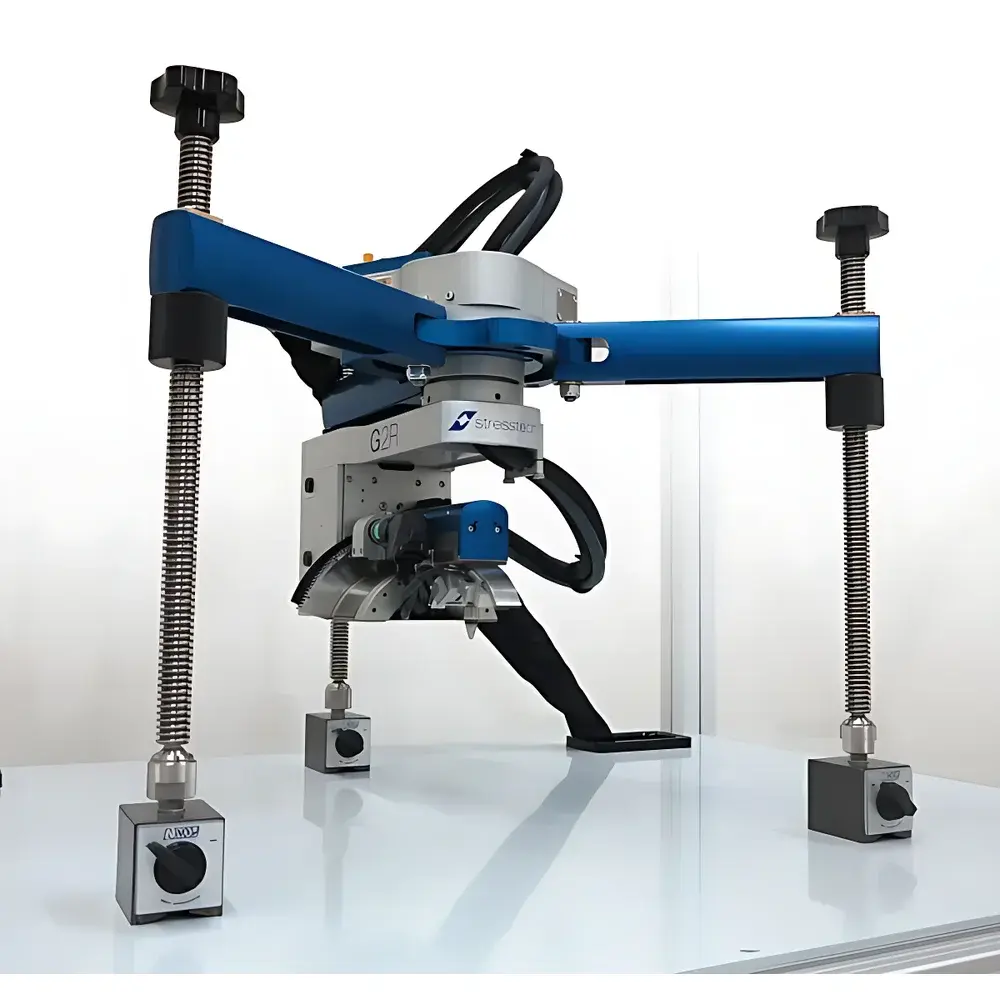
The Stresstech xstress3000 X-Ray Residual Stress Analyzer is a precision-engineered, air-cooled diffraction-based instrument designed for non-destructive determination of macroscopic residual stresses in polycrystalline metallic components. Utilizing the sin²ψ method with monochromatic Cr-Kα or Co-Kα X-ray radiation, the system measures lattice strain via Bragg angle shifts in selected crystallographic reflections (e.g., Fe{211}, Al{311}, Ni{220}). Its compact, rigid mechanical architecture ensures high angular reproducibility (<0.01° 2θ), enabling reliable stress quantification down to ±10 MPa uncertainty under controlled laboratory conditions. Unlike sealed-tube benchtop systems requiring external chiller units, the xstress3000 integrates a high-stability microfocus X-ray tube with passive thermal management—eliminating water lines, reducing footprint, and supporting rapid deployment in production floors, maintenance hangars, or remote field sites.
Key Features
- Monochromatic X-ray source (Cr-Kα or Co-Kα selectable) with collimated beam geometry optimized for high signal-to-noise diffraction patterns
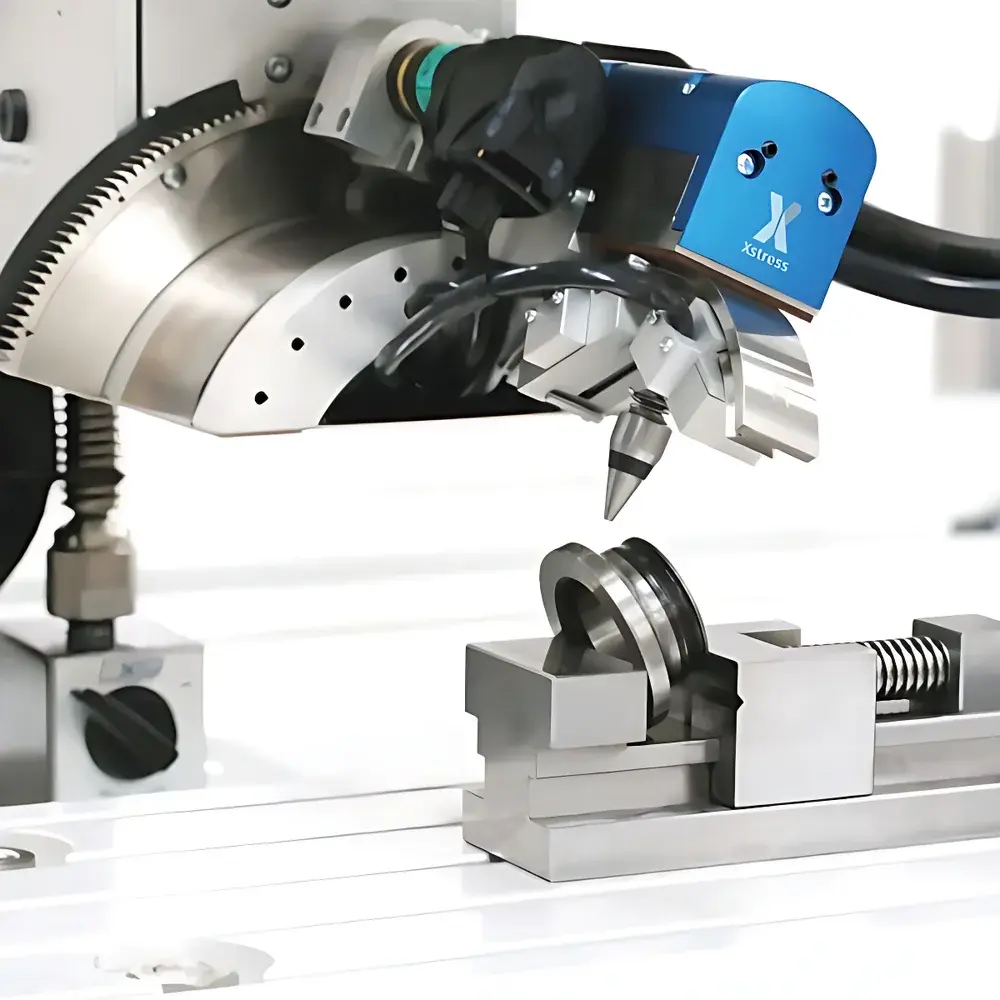
- Motorized ψ-tilt stage with precision goniometry (±0.1° repeatability) and automated alignment routines for multi-orientation data acquisition
- High-resolution silicon strip detector (SSD) or scintillation detector options, supporting real-time peak centroiding and full-width-at-half-maximum (FWHM) analysis
- Integrated electrolytic polishing interface—enabling controlled layer-by-layer material removal for depth-resolved stress profiling (e.g., near-surface gradients in shot-peened gears)
- Self-contained control unit with embedded industrial PC, touchscreen HMI, and deterministic real-time data acquisition firmware
- Ruggedized aluminum chassis rated for IP54 environmental operation; weight <25 kg for certified transport and on-site use without vibration isolation tables
Sample Compatibility & Compliance
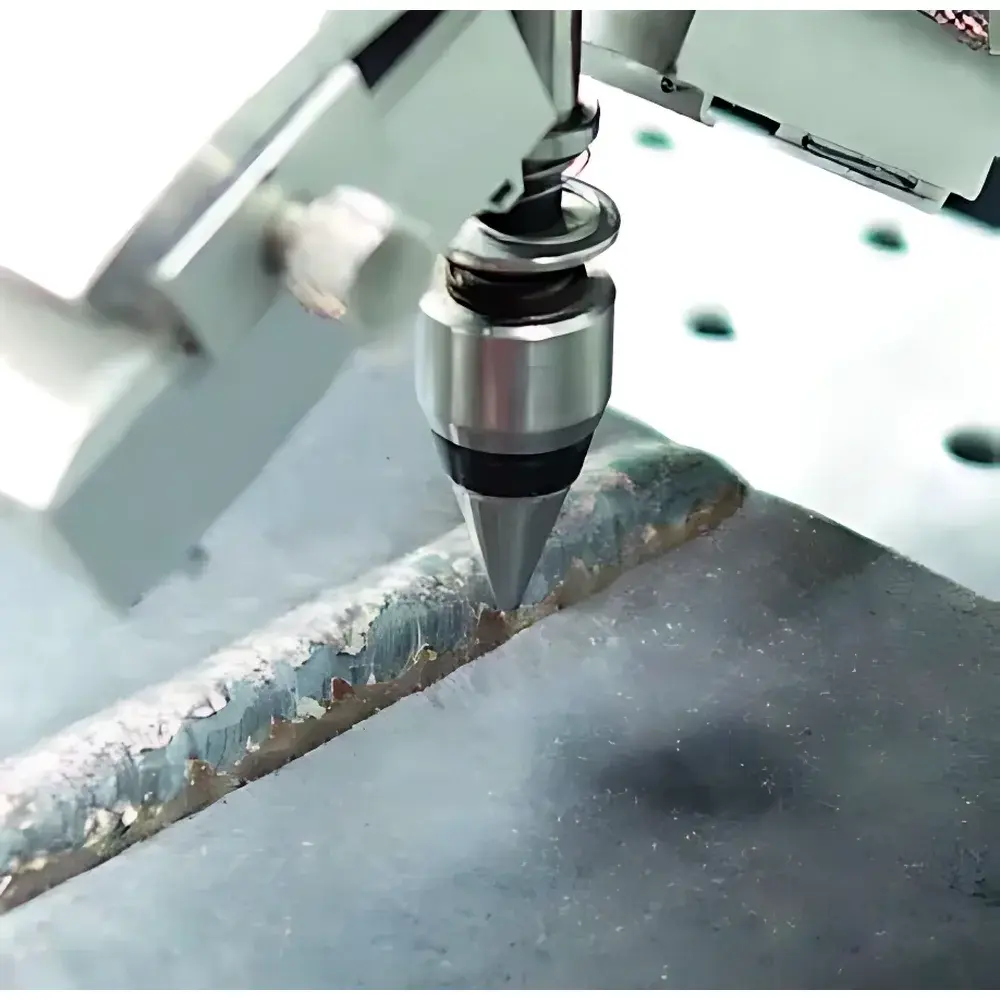
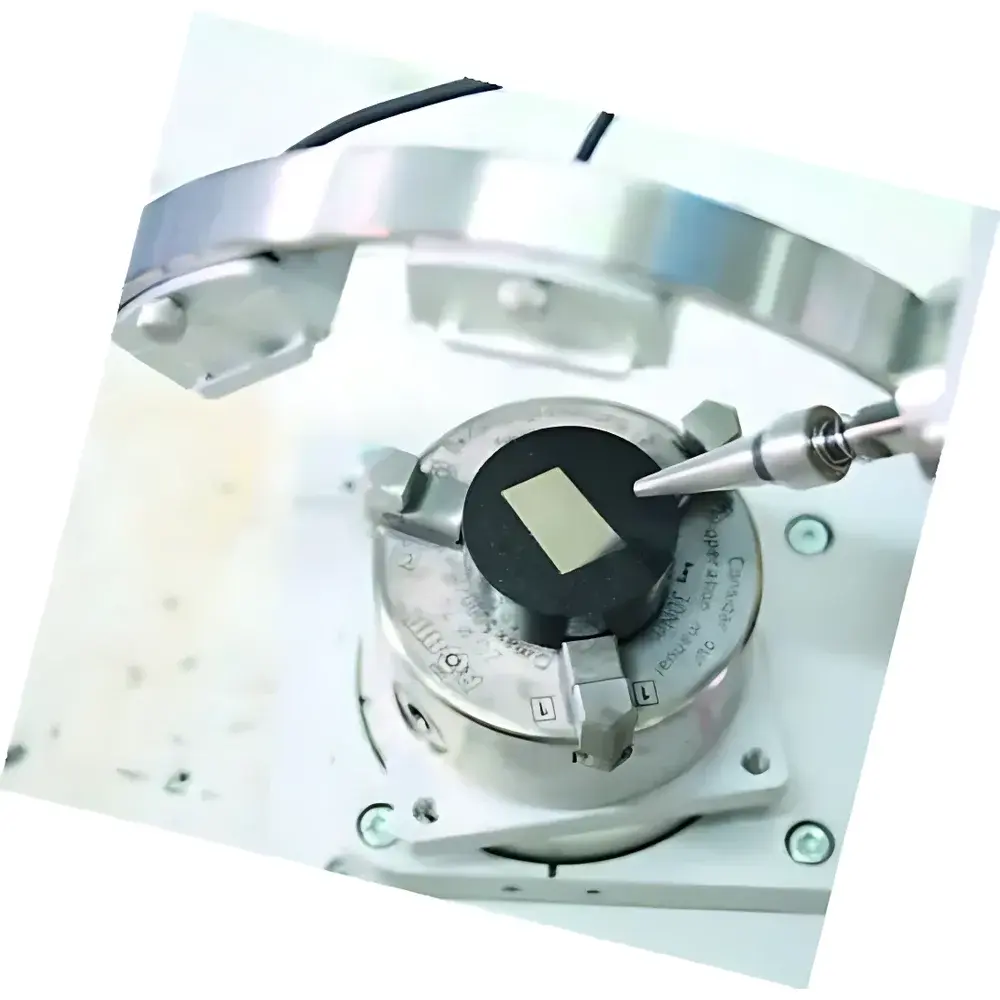
The xstress3000 accommodates flat, curved, and rotationally symmetric geometries—including gear teeth, bearing races, turbine blades, welded joints, and additively manufactured lattice structures—via adjustable sample holders and optional rotary stages. It supports stress analysis in ferrous alloys (steel, cast iron), non-ferrous metals (Al, Ti, Ni superalloys), and hardmetals (WC-Co). All measurement protocols align with internationally recognized standards: ISO 21432 (non-destructive testing — X-ray diffraction methods for residual stress measurement), ASTM E915 (standard test method for verifying the alignment of X-ray diffraction instrumentation for residual stress measurement), and EN 15305 (non-destructive testing — test method for residual stress analysis by X-ray diffraction). Audit trails, user access levels, and electronic signatures comply with GLP and GMP documentation requirements per FDA 21 CFR Part 11 when configured with optional validation packages.
Software & Data Management
Stresstech’s proprietary xstress software provides a validated, intuitive workflow—from instrument calibration and sample positioning to stress tensor calculation and report generation. Raw diffraction spectra are processed using least-squares peak fitting with background subtraction and instrumental broadening correction. The software computes principal stress components (σ₁, σ₂, σ₃), hydrostatic stress, and shear stress magnitudes, with optional residual austenite phase quantification via Rietveld refinement. Data export supports CSV, XML, and PDF formats compatible with LIMS integration. Version-controlled software updates include traceable change logs and regression-tested algorithms, ensuring long-term data integrity across multi-year service life cycles.
Applications
The xstress3000 serves critical quality assurance functions across regulated and high-reliability sectors: validating post-weld heat treatment efficacy in pressure vessel fabrication; monitoring surface compressive stress retention in aircraft landing gear after low-plasticity burnishing; quantifying thermal gradient-induced stresses in turbine disk rims; assessing fatigue-critical stress states in automotive crankshafts and camshafts; characterizing build-direction anisotropy in laser powder bed fusion (LPBF) components; and verifying stress mitigation in cold-expanded fastener holes for aerospace structural assemblies. Its field-readiness enables in-situ verification during plant turnarounds, eliminating costly component disassembly and off-site lab turnaround delays.
FAQ
Does the xstress3000 require external water cooling?
No—the system uses air-cooled X-ray tube technology and requires no chilled water supply or recirculating coolant loop.
Can it measure residual stress at different depths?
Yes—when paired with an electrolytic polishing unit (e.g., Struers LectroPol), the system supports sequential layer removal and stress profiling down to ~100 µm depth resolution.
Is the instrument suitable for curved surfaces such as bearing races or pipes?
Yes—its motorized ψ-stage and adaptive sample positioning routines accommodate radii from 10 mm to ∞, with curvature compensation algorithms integrated into the stress calculation engine.
What safety certifications does the xstress3000 hold?
It complies with IEC 61010-1 (safety requirements for electrical equipment) and IEC 62495 (radiation protection for X-ray equipment), and carries CE marking for EMC and Low Voltage Directive conformity.
Is remote support and software update capability available?
Yes—secure remote desktop access (with customer authorization) and over-the-air firmware updates are supported through Stresstech’s global service network.



