
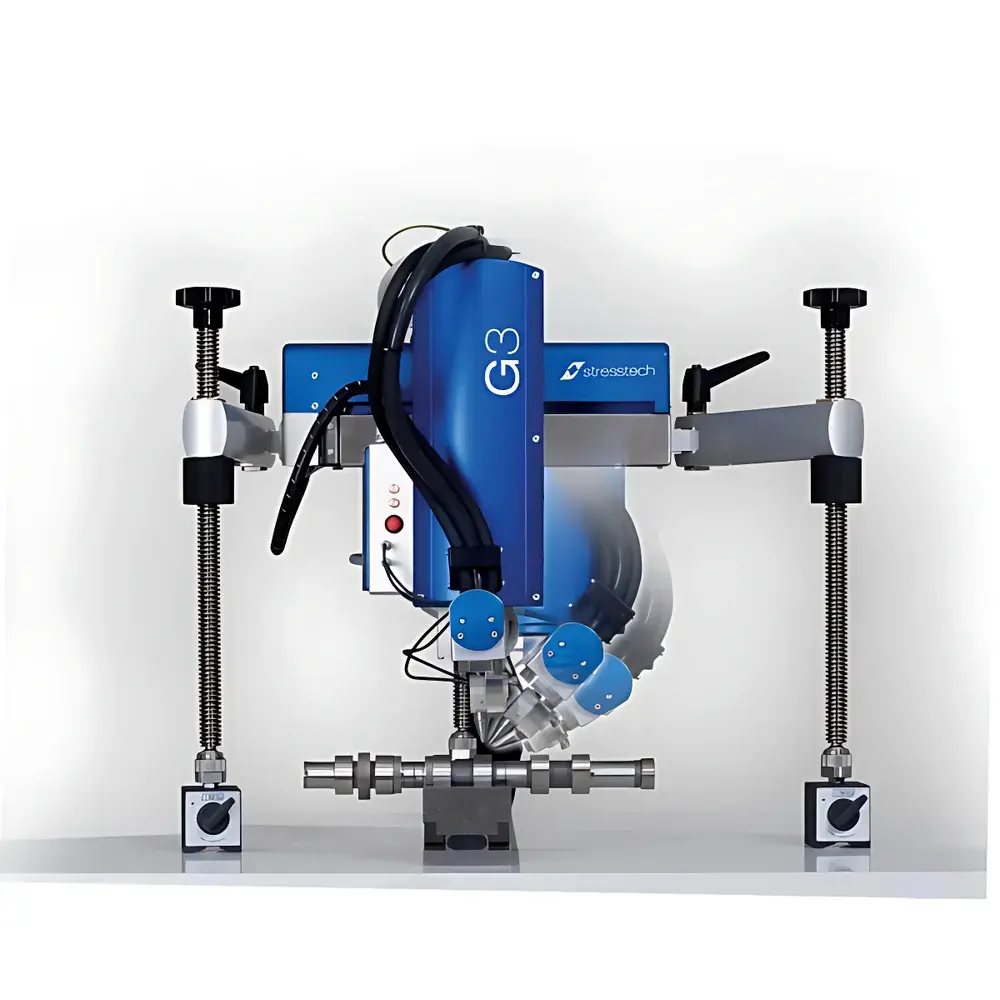
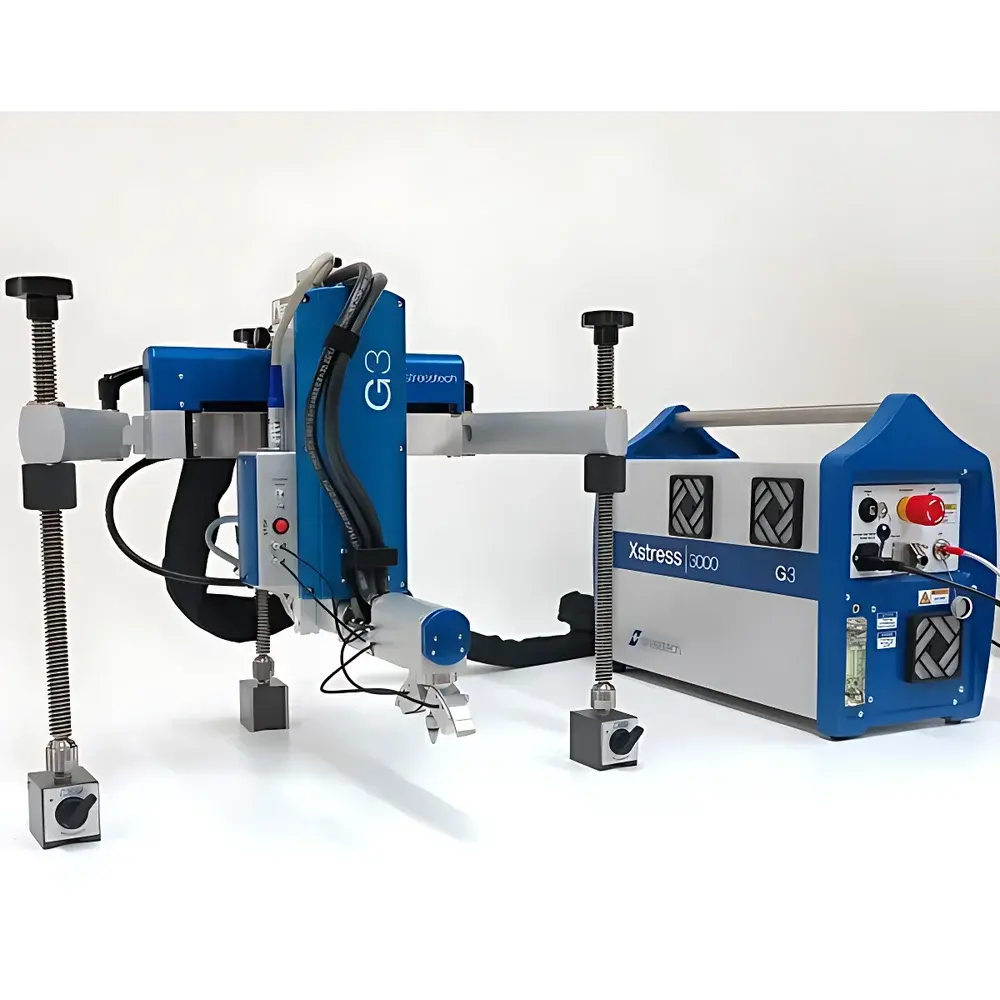
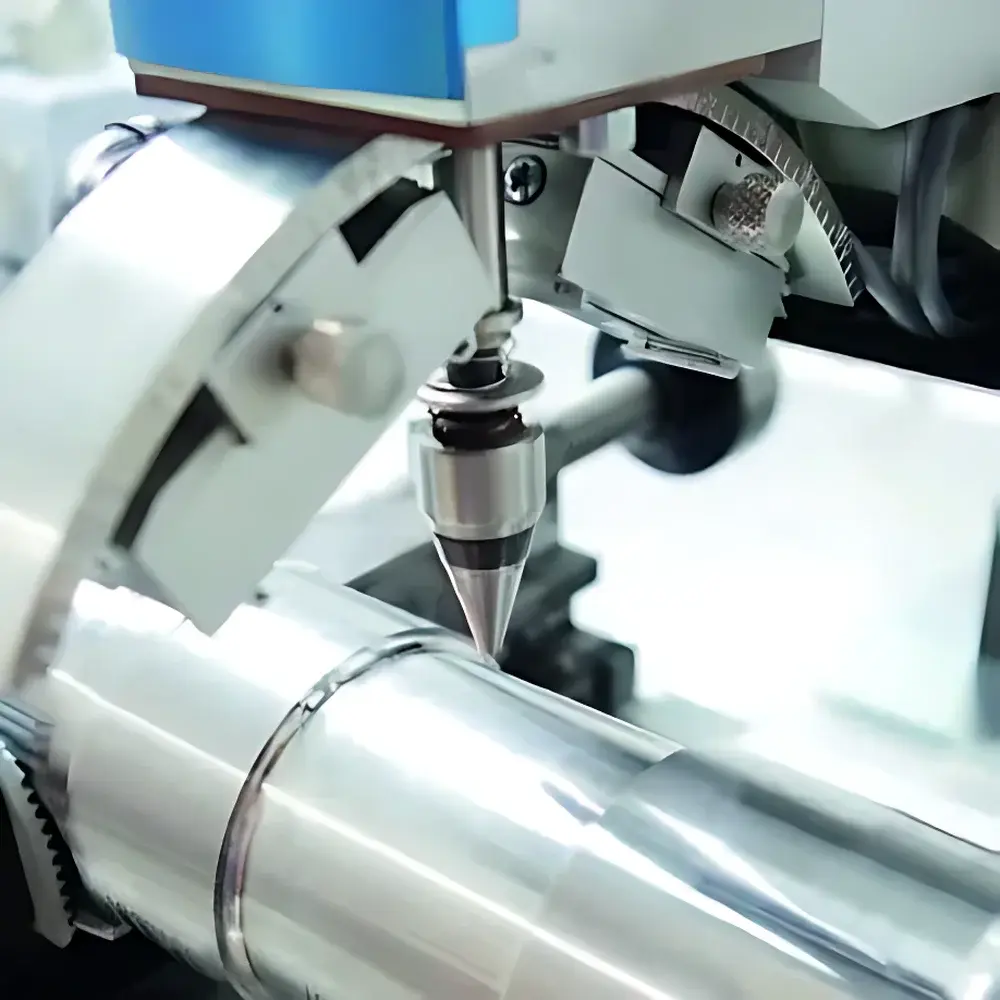
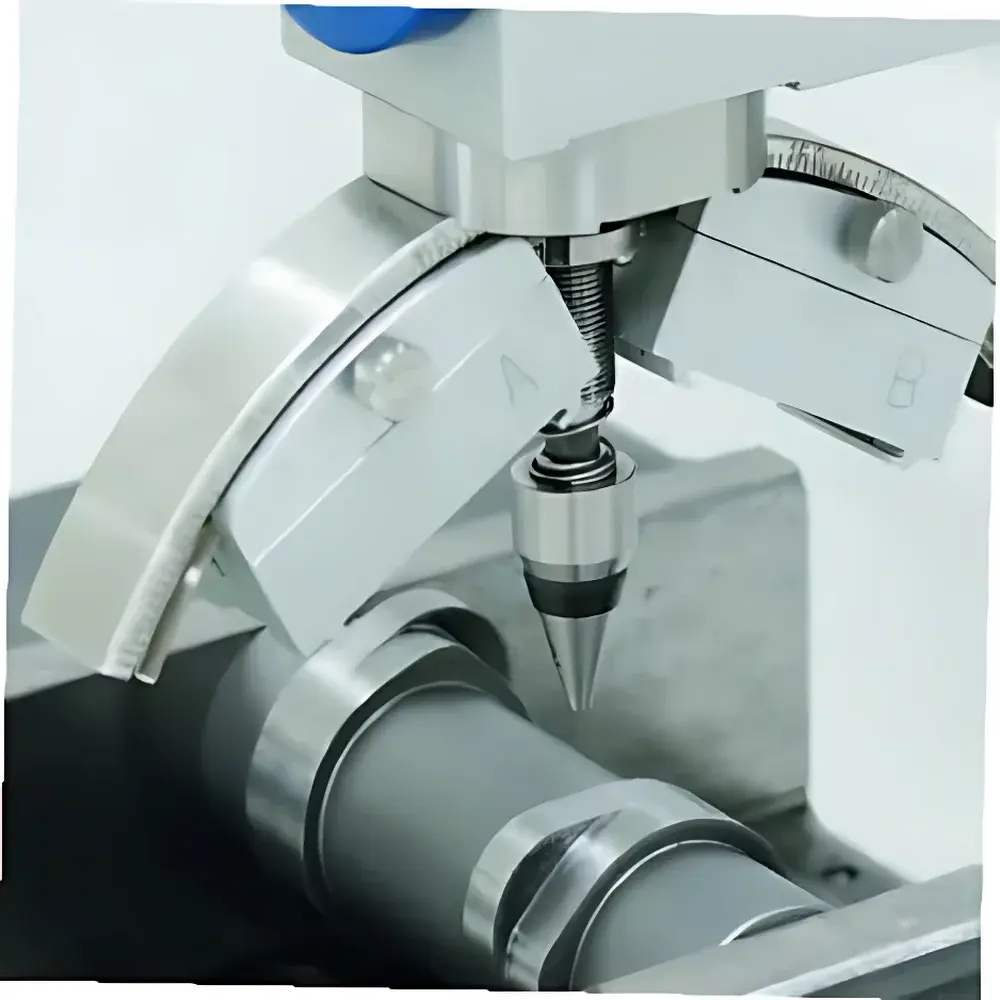
Stresstech XSTRESS3000 Residual Stress Analyzer
| Brand | Stresstech Oy |
|---|---|
| Origin | Finland |
| Model | XSTRESS3000 |
| X-ray Tube Power | 300 W |
| 2θ Angular Range | 110°–170° (continuously adjustable) |
| ψ Angular Range | −60° to +60° |
| Target Material | Chromium (Cr) |
| Compliance | Designed for ASTM E915, ISO 21432, and EN 15305-compliant residual stress evaluation |
Overview
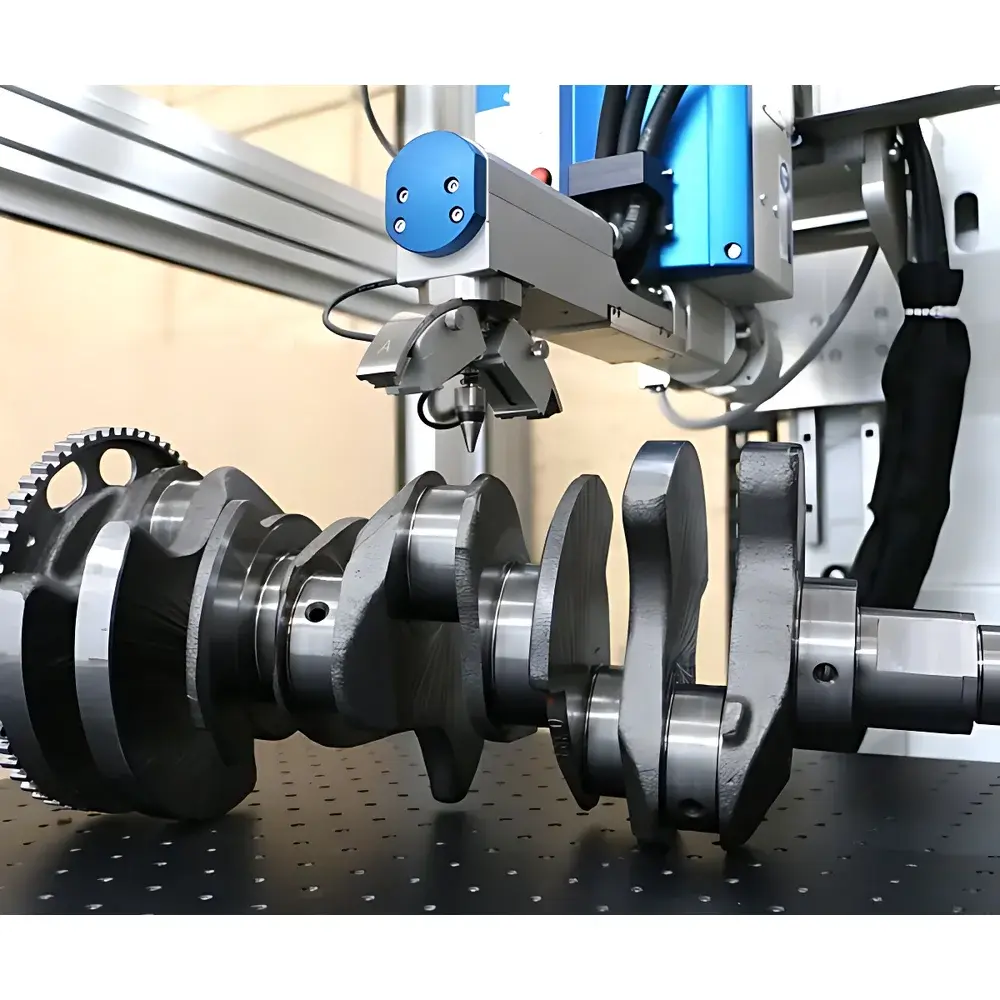
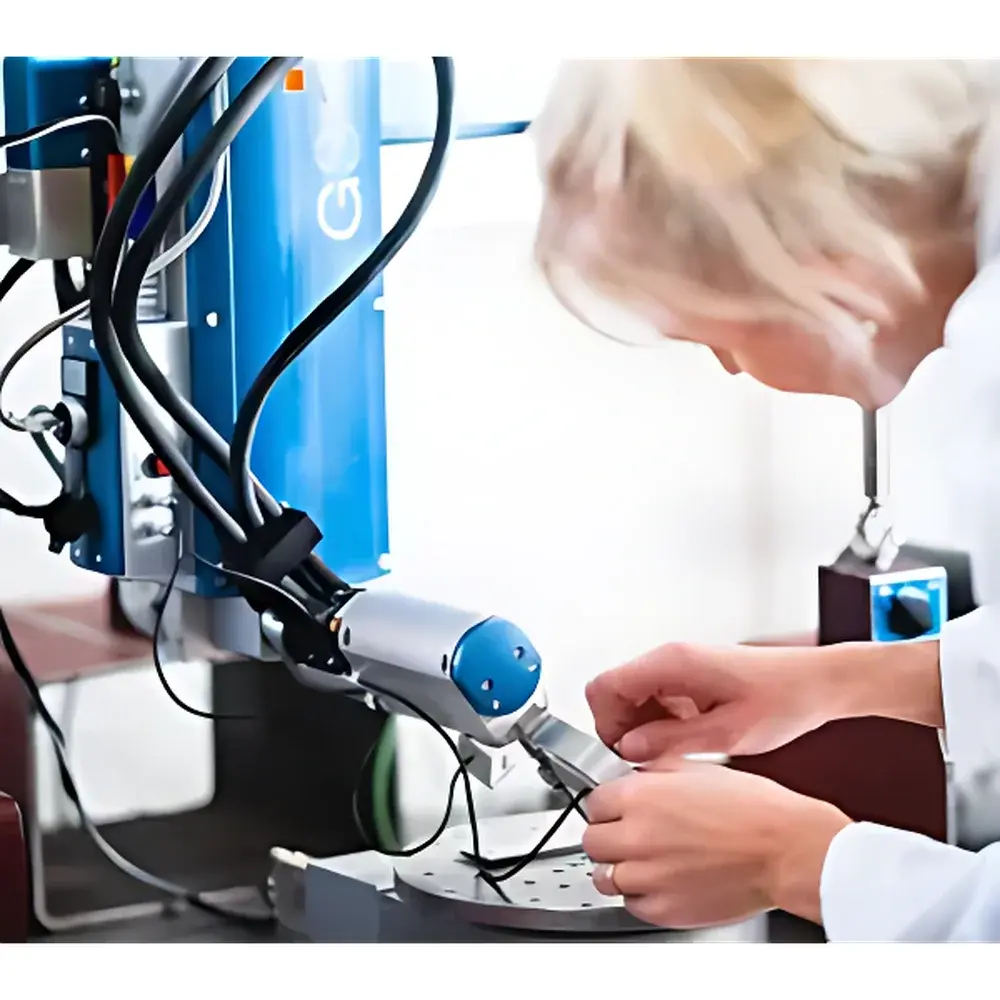
The Stresstech XSTRESS3000 Residual Stress Analyzer is a portable, high-precision X-ray diffraction (XRD)-based instrument engineered for non-destructive determination of near-surface residual stresses in polycrystalline materials. It operates on the sin²ψ method—a well-established technique grounded in elastic lattice strain theory—where lattice interplanar spacing (d-spacing) shifts, measured via Bragg’s law at multiple ψ tilts, are converted into macroscopic residual stress components using the material’s single-crystal elastic constants. Unlike mechanical or hole-drilling methods, XRD-based stress analysis requires no calibration against reference samples or destructive preparation, delivering direct, physics-based quantification traceable to international standards. The system is optimized for laboratory environments and field deployment, with rapid setup (<10 minutes), tool-free mounting, and full operational autonomy by a single operator—making it suitable for in-situ measurements on large-scale industrial components such as turbine blades, welded joints, gear teeth, crankshafts, and aircraft landing gear.
Key Features
- Integrated Cr-target X-ray tube with 300 W nominal power output, delivering high-intensity Kα radiation (λ = 2.2909 Å) optimized for ferritic steels, stainless alloys, and ceramic composites.
- Motorized, precision goniometer enabling continuous 2θ scanning from 110° to 170° and ψ-tilt adjustment from −60° to +60°, supporting both uniaxial and biaxial stress tensor evaluation.
- Modular target assembly with dedicated water-cooling channels per anode; Cr targets can be exchanged in under 5 minutes without specialized tools or realignment procedures.
- Ruggedized portable chassis with shock-absorbing transport case, IP54-rated electronics enclosure, and battery-backed encoder memory for mission-critical field continuity.
- Real-time diffraction pattern acquisition with Si(Li) or SDD detector options, supporting peak fitting algorithms compliant with ISO 21432 Annex B for d₀ determination uncertainty estimation.
Sample Compatibility & Compliance
The XSTRESS3000 accommodates specimens of unrestricted geometry and dimension—including curved surfaces, weld seams, and complex machined parts—without requiring sectioning or surface grinding beyond standard metallographic finishing (e.g., 600-grit SiC paper). It supports measurement on ferrous alloys (carbon steel, alloy steel, stainless steel), nickel-based superalloys, titanium alloys, aluminum alloys, and sintered ceramics. All stress calculations adhere to ASTM E915 “Standard Test Method for Verifying the Alignment of X-Ray Diffraction Equipment for Residual Stress Measurement”, ISO 21432 “Non-destructive testing — Standard test method for determining residual stresses by X-ray diffraction”, and EN 15305 “Non-destructive testing — Qualification of X-ray diffraction equipment for residual stress analysis”. System validation reports include certified reference material (CRM) traceability and repeatability data per ISO/IEC 17025 requirements.
Software & Data Management
Control and analysis are executed via Stresstech’s proprietary Xstress Suite v5.x software, a Windows-based platform featuring automated scan sequencing, live diffraction image preview, centroid-based peak search, and Rietveld-independent d-spacing refinement. The software enforces audit-trail logging per FDA 21 CFR Part 11 (electronic signatures, user access tiers, change history), supports GLP/GMP-compliant report generation (PDF + XML export), and integrates with enterprise LIMS through standardized OPC UA and ODBC interfaces. Raw data files (.xrdml, .raw) retain full metadata—including tube voltage/current, collimator diameter, exposure time, and environmental temperature—enabling third-party reprocessing and long-term archival integrity.
Applications
- Verification of heat treatment efficacy (e.g., stress relief annealing, induction hardening, carburizing)
- Residual stress mapping across weld zones (HAZ, fusion line, base metal) in pressure vessels and structural steelwork
- In-process quality assurance for additive manufacturing (LPBF, DED) components prior to HIP or machining
- Surface integrity assessment of ground, shot-peened, or laser-shock-peened aerospace components
- Failure analysis root cause investigation where stress-induced cracking or distortion is suspected
- Validation of finite element modeling (FEM) boundary conditions in mechanical design verification
FAQ
Does the XSTRESS3000 require external cooling water infrastructure?
No—each Cr-target module includes a self-contained recirculating chiller unit with integrated reservoir, pump, and thermoelectric cooling, eliminating dependency on facility-supplied chilled water.
Can the system measure residual stress in aluminum or titanium alloys?
Yes—while Cr-Kα is optimal for steels, optional Mo- and Cu-target configurations are available for low-absorption matrices; software auto-selects appropriate hkl reflections and elastic constants from its embedded material database.
Is operator certification required to perform ASTM E915-compliant measurements?
Per ASTM E915 Section 8, personnel must complete documented training on XRD principles, instrument operation, and uncertainty budgeting; Stresstech provides NDT Level II-aligned certification workshops upon installation.
What is the typical measurement depth for Cr-Kα radiation in hardened steel?
Approximately 10–25 µm, depending on surface roughness and martensite content; depth profiling is achievable via incremental electrolytic polishing or ion beam milling in conjunction with XSTRESS3000 measurements.
How is measurement reproducibility verified during routine use?
Daily verification employs a certified stress-free silicon reference sample; system performance logs track peak width (FWHM), angular drift (<0.01°/hr), and intensity stability (RSD <1.2%)—all reported in automated QC summaries.




