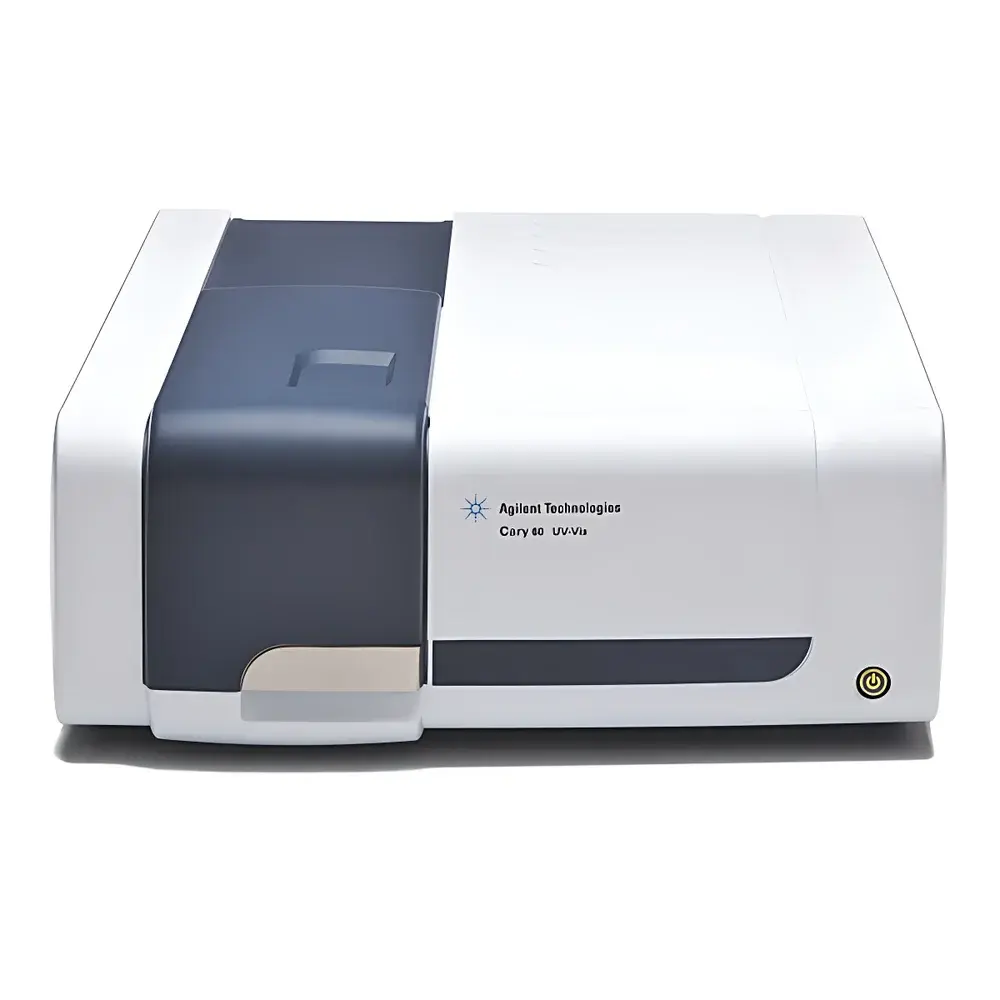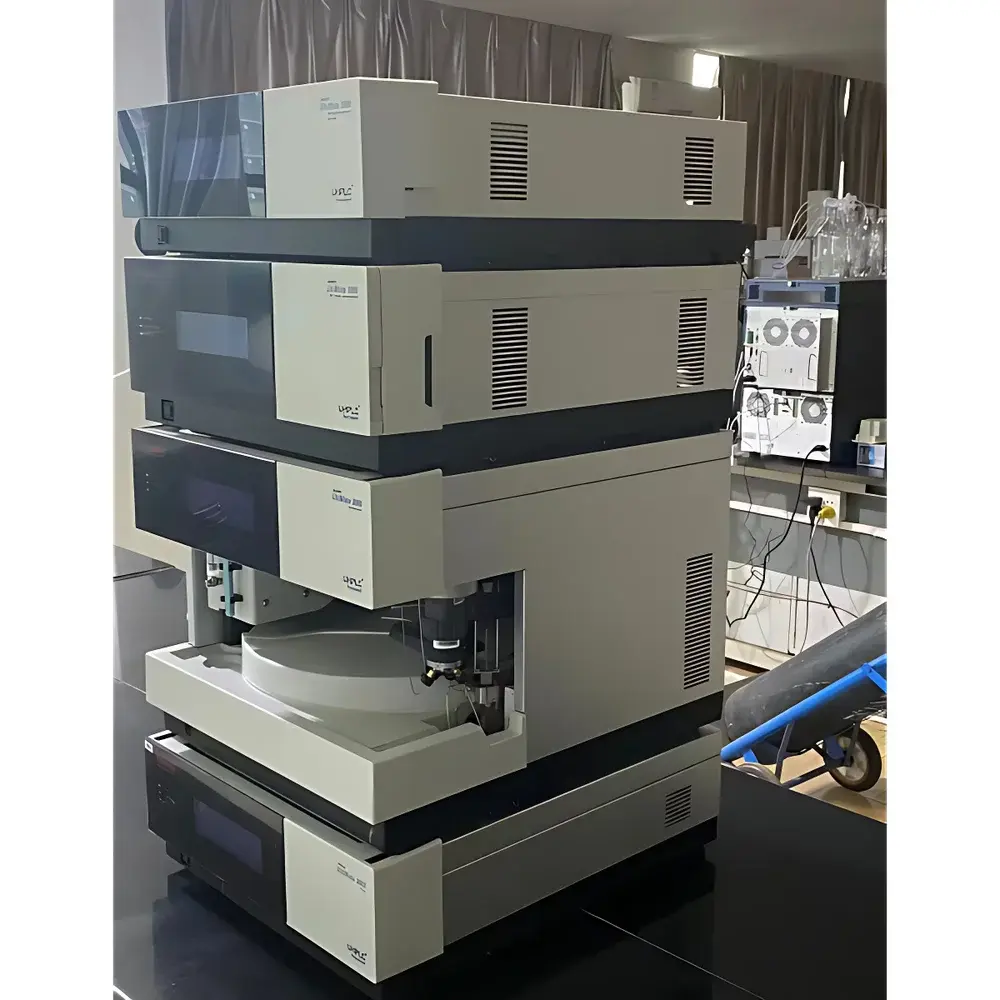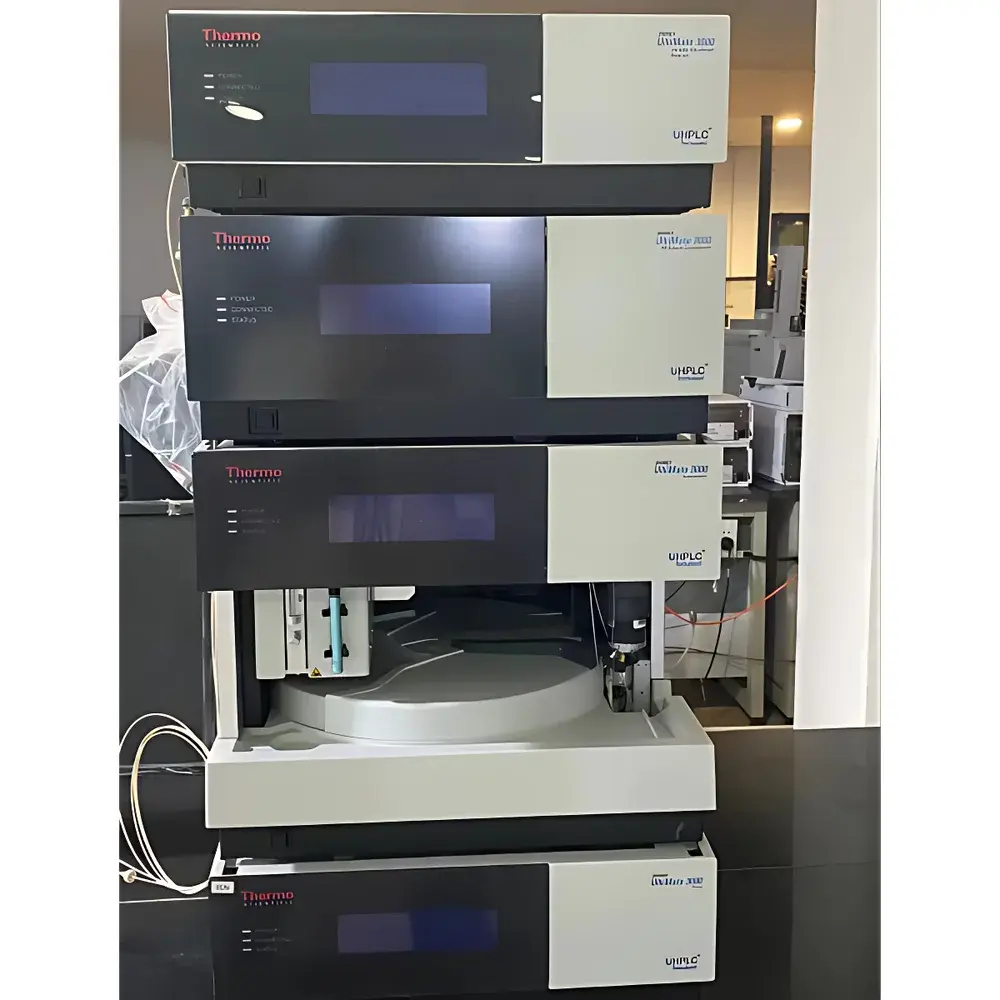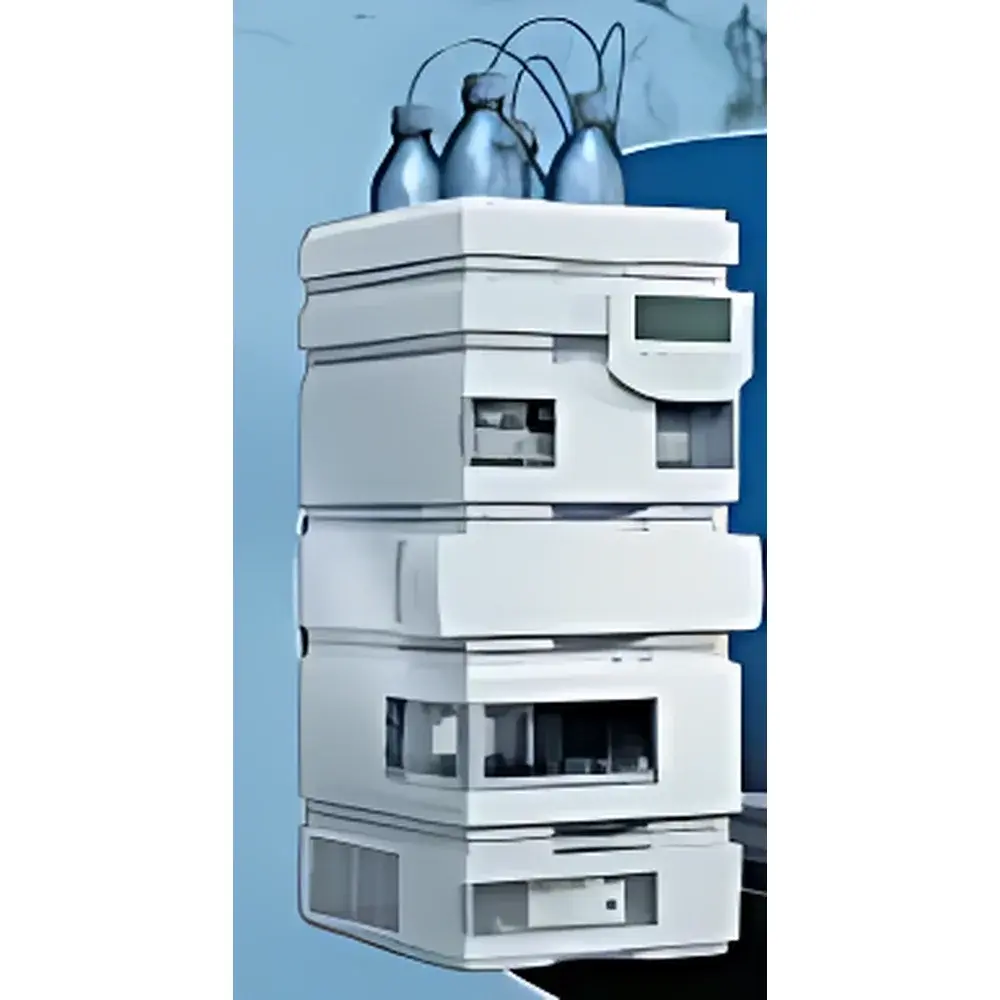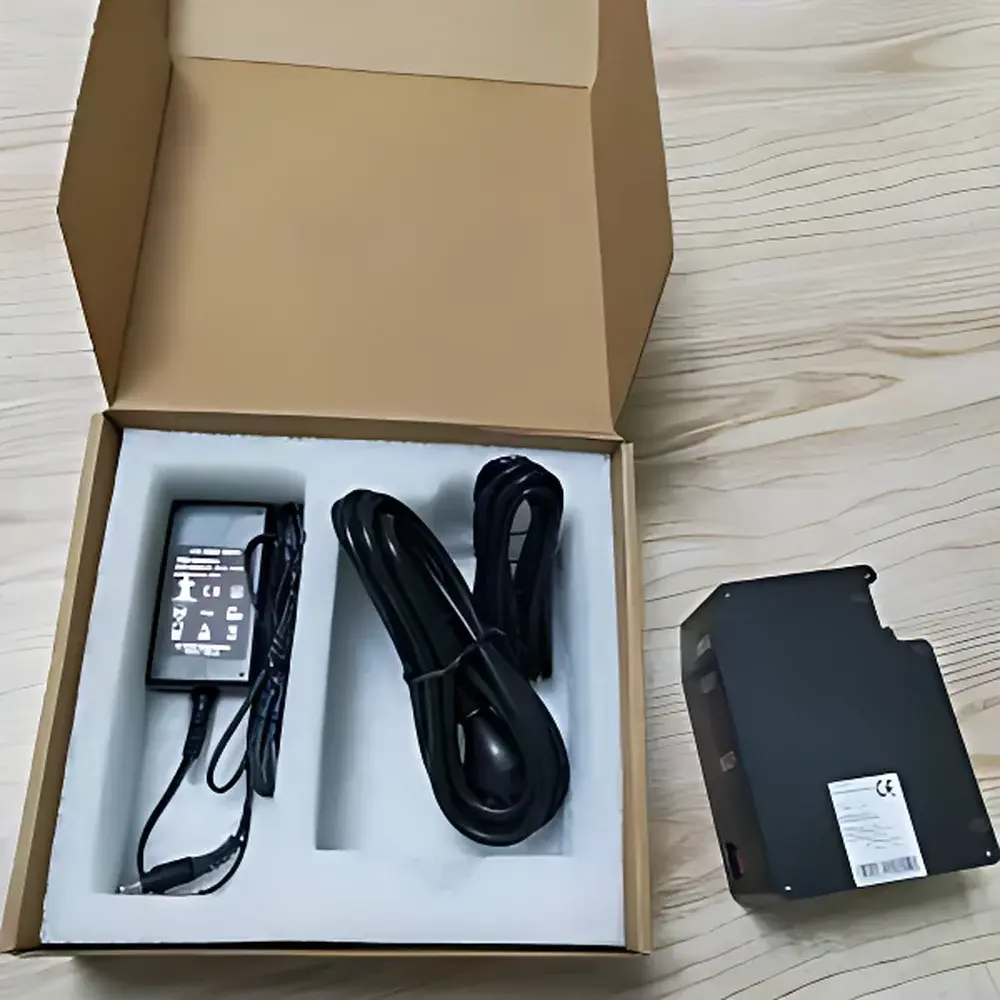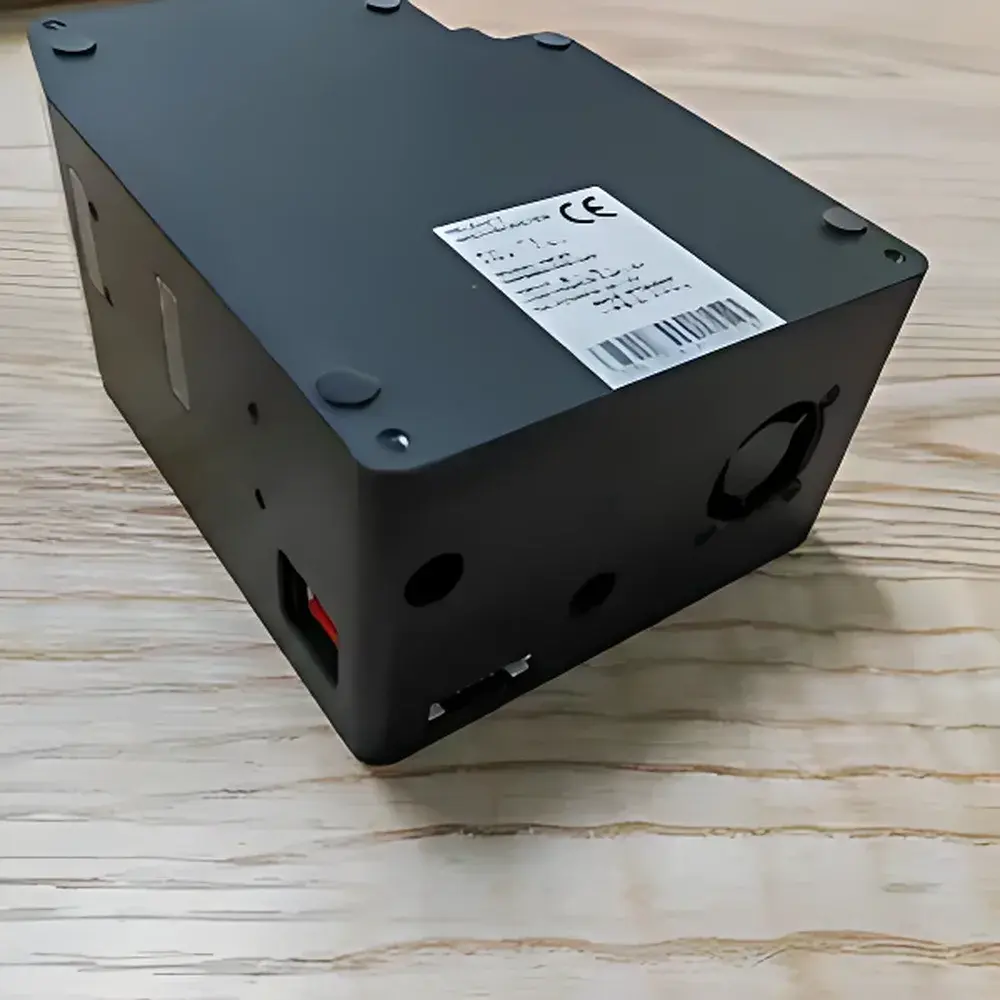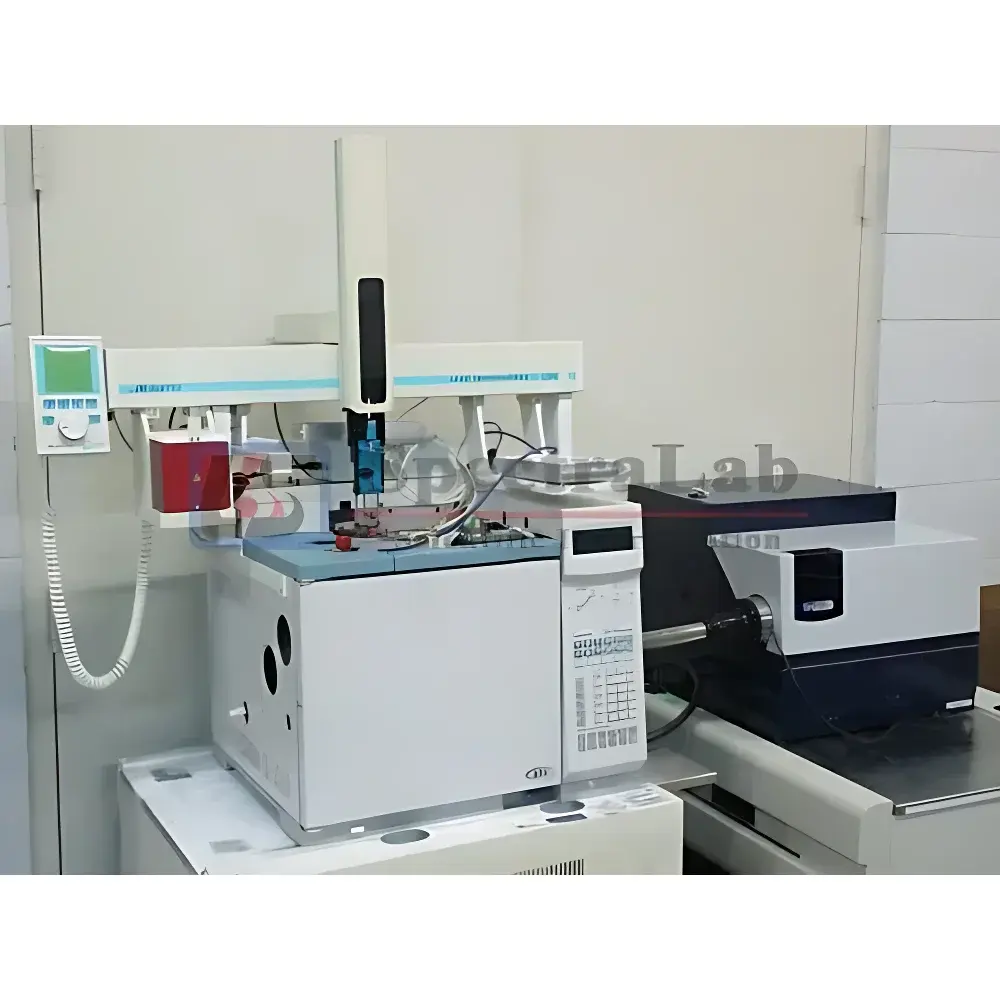
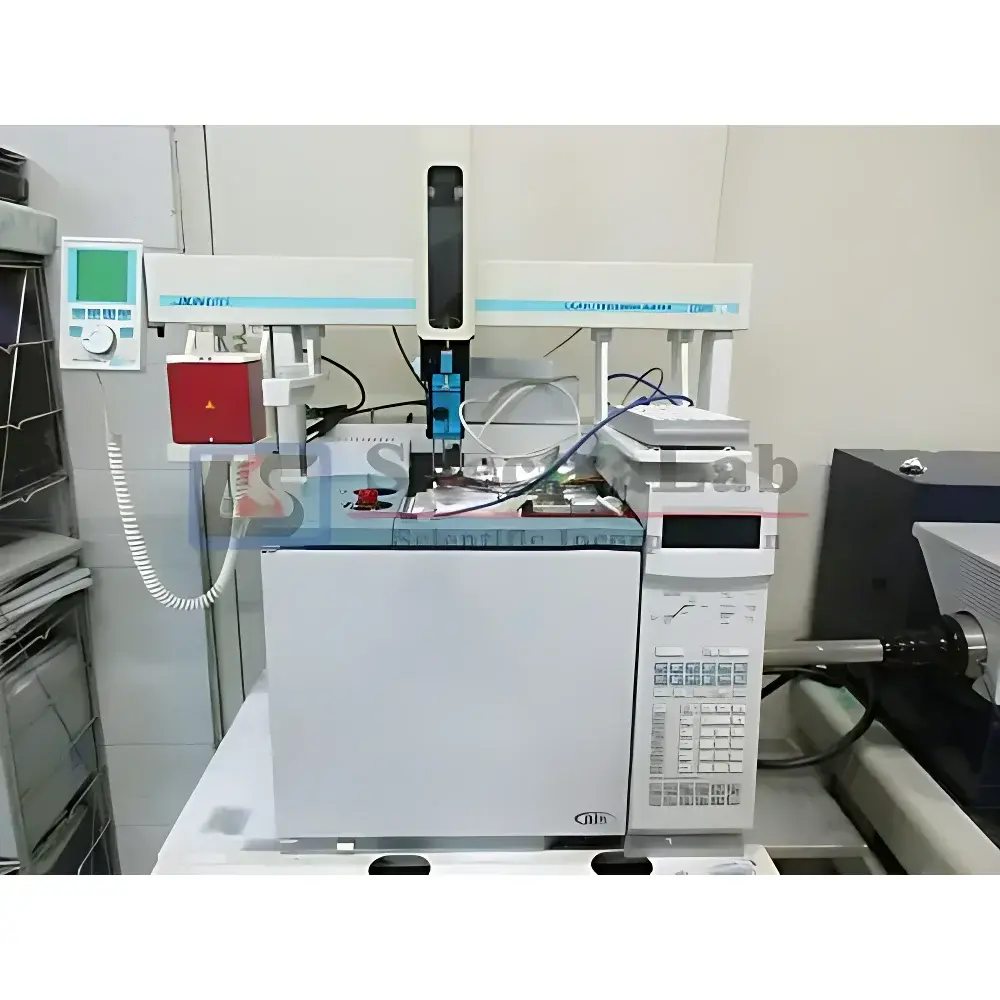
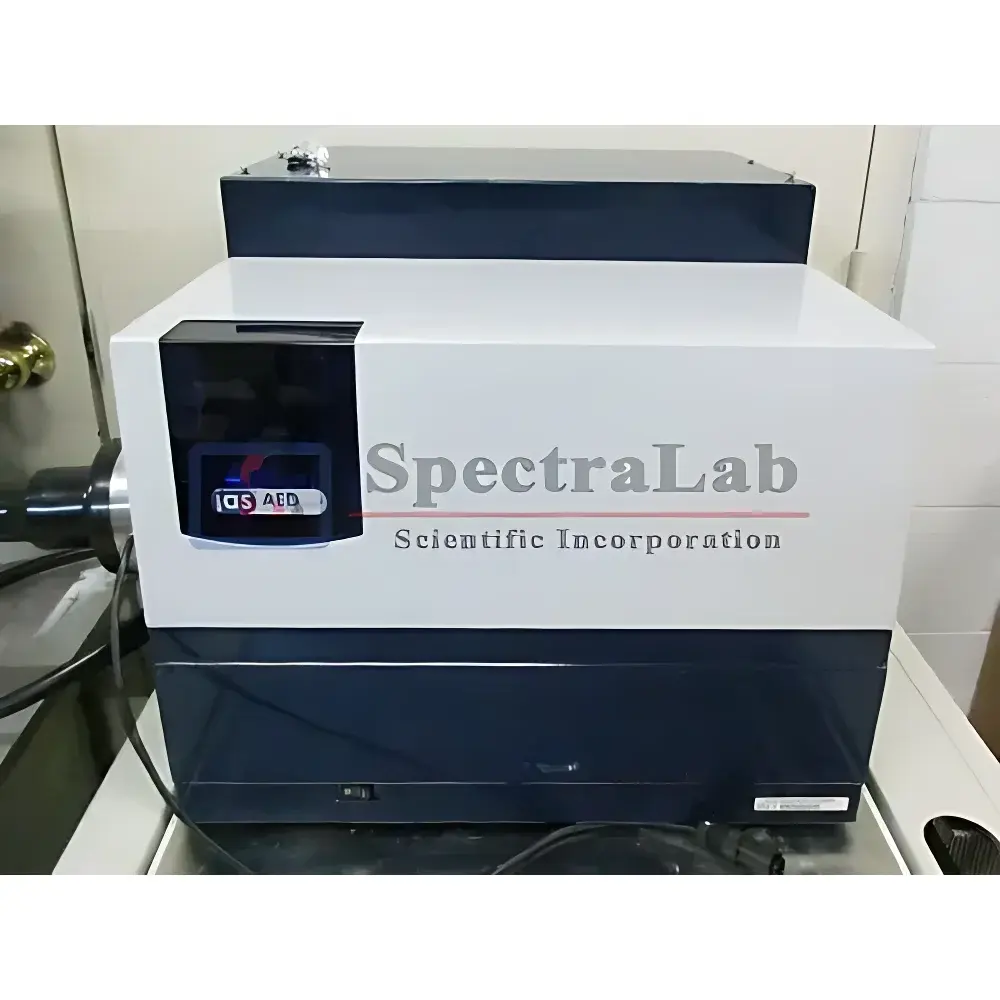
JAS AED-plus Atomic Emission Detector Coupled with Agilent 6890 Gas Chromatograph
| Brand | Agilent Technologies |
|---|---|
| Origin | Canada |
| Manufacturer Type | Authorized Distributor |
| Origin Category | Imported |
| Model | 6890 GC + AED-plus |
| Price Range | USD 6,800 – 13,600 (FOB) |
| Product Category | Chromatography & Elemental Detection System |
| Operational Age | 2–3 years |
| Warranty | 6 months |
Overview
The JAS AED-plus Atomic Emission Detector, integrated with the Agilent 6890 Gas Chromatograph and Leap Technologies Combi PAL autosampler, forms a robust hyphenated analytical platform for element-specific detection in complex organic matrices. Unlike conventional mass spectrometric or flame-based elemental detectors, the AED-plus employs microwave-induced helium plasma to atomize and excite eluting compounds post-chromatographic separation. Each element emits characteristic atomic emission lines across the UV-Vis-NIR spectrum (190–800 nm), which are resolved by a rotating holographic grating and simultaneously detected by a fixed-position photodiode array (PDA). This optical architecture enables real-time, multi-element quantification without spectral scanning delays—critical for transient GC peaks. The system is engineered for precision in speciation analysis, particularly where elemental identity—not just molecular structure—is required (e.g., sulfur-, phosphorus-, nitrogen-, chlorine-, or metal-containing compounds in petrochemicals, environmental extracts, or pharmaceutical impurities).
Key Features
- Helium plasma source optimized for stable, low-background elemental excitation (no argon interferences)
- Rotating grating monochromator with PDA detection enabling simultaneous acquisition of up to 8 discrete emission lines per scan
- Full spectral range coverage (190–800 nm) with 0.1 nm effective resolution at 250 nm
- Integrated GC interface with heated transfer line (up to 400 °C) and pressure-controlled plasma gas flow
- Agilent 6890 GC featuring dual independent oven zones, electronic pneumatic control (EPC), and support for up to three detectors
- Leap Combi PAL autosampler with dual-tray capacity (up to 120 vials), programmable solvent wash, and inert sample path for volatile/thermolabile analytes
- Fully refurbished and functionally validated per ISO/IEC 17025-aligned internal protocols
Sample Compatibility & Compliance
The AED-plus/6890 platform accommodates liquid, gaseous, and headspace samples introduced via split/splitless injection, PTV, or purge-and-trap interfaces. It supports standard GC columns (e.g., DB-5ms, DB-1701, HP-PLOT Al2O3) and is compatible with ASTM D5292 (petroleum sulfur speciation), EPA Method 8081B (organochlorine pesticides), and ISO 17025-accredited laboratory workflows. All instruments undergo full operational verification—including retention time stability (<0.02 min RSD), detector baseline noise (<0.5 mV RMS), and elemental response linearity (R² ≥ 0.998 over 3 orders of magnitude)—prior to release. Documentation includes calibration reports, preventive maintenance logs, and traceable certification of refurbished components.
Software & Data Management
Data acquisition and processing are performed using Agilent ChemStation Rev. A.03.04 or later, fully compatible with the AED-plus driver module. The software supports multi-wavelength chromatogram overlays, elemental ratio calculations (e.g., S/N, Cl/P), and peak purity assessment via spectral library matching. Audit trails, user access levels, and electronic signatures comply with FDA 21 CFR Part 11 requirements when deployed in regulated environments. Raw spectral data (.D) and processed results (.CSV, .PDF) are exportable for LIMS integration. SpectraLab Scientific provides configuration files pre-loaded with common elemental methods (e.g., ASTM D2622 sulfur screening, EPA 8270D halogenated VOCs).
Applications
- Speciation of heteroatoms in hydrocarbon streams (e.g., thiophenes, mercaptans, organophosphates)
- Environmental analysis of chlorinated pesticides, brominated flame retardants, and organometallic pollutants
- Pharmaceutical impurity profiling—detection of catalyst residues (Pd, Pt, Ni) and halogenated intermediates
- Food safety testing for adulteration markers (e.g., melamine nitrogen, pesticide Cl/S ratios)
- Research-grade method development for coupling GC with elemental-selective detection where ICP-MS lacks chromatographic resolution
FAQ
Is this system compliant with GLP/GMP documentation requirements?
Yes—each unit ships with a full validation dossier including IQ/OQ records, calibration certificates, and a signed refurbishment report traceable to SpectraLab Scientific’s ISO 9001:2015-certified quality system.
Can the AED-plus detect metals such as lead or cadmium?
Yes, provided the analyte is volatile or derivatized into a GC-amenable form (e.g., alkylated metal chelates); detection limits range from 1–10 pg for Group IV–VI elements under optimal conditions.
What level of technical support is included post-purchase?
SpectraLab Scientific provides remote troubleshooting, method optimization consultation, and on-site service contracts (optional); all systems include 6 months parts-and-labor warranty with expedited spare parts logistics from Toronto HQ.
Are original Agilent and JAS service manuals supplied?
Yes—digital copies of the Agilent 6890 GC User Guide, JAS AED-plus Operator Manual, and Leap PAL Programming Reference are delivered with the instrument.
Is the system suitable for routine QC labs with high sample throughput?
Absolutely—the Combi PAL autosampler enables unattended operation for >24 hours; typical cycle time per sample (injection to next injection) is 4.2–6.8 minutes depending on column and temperature program.