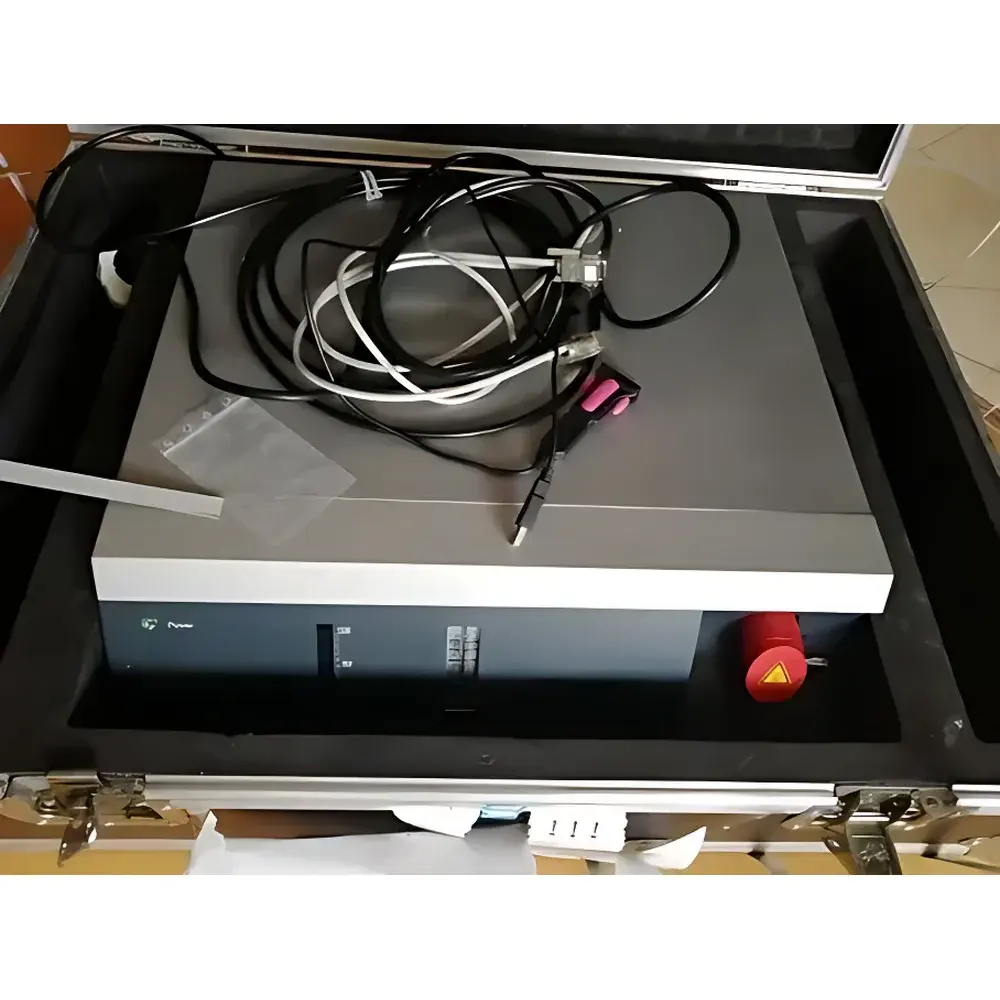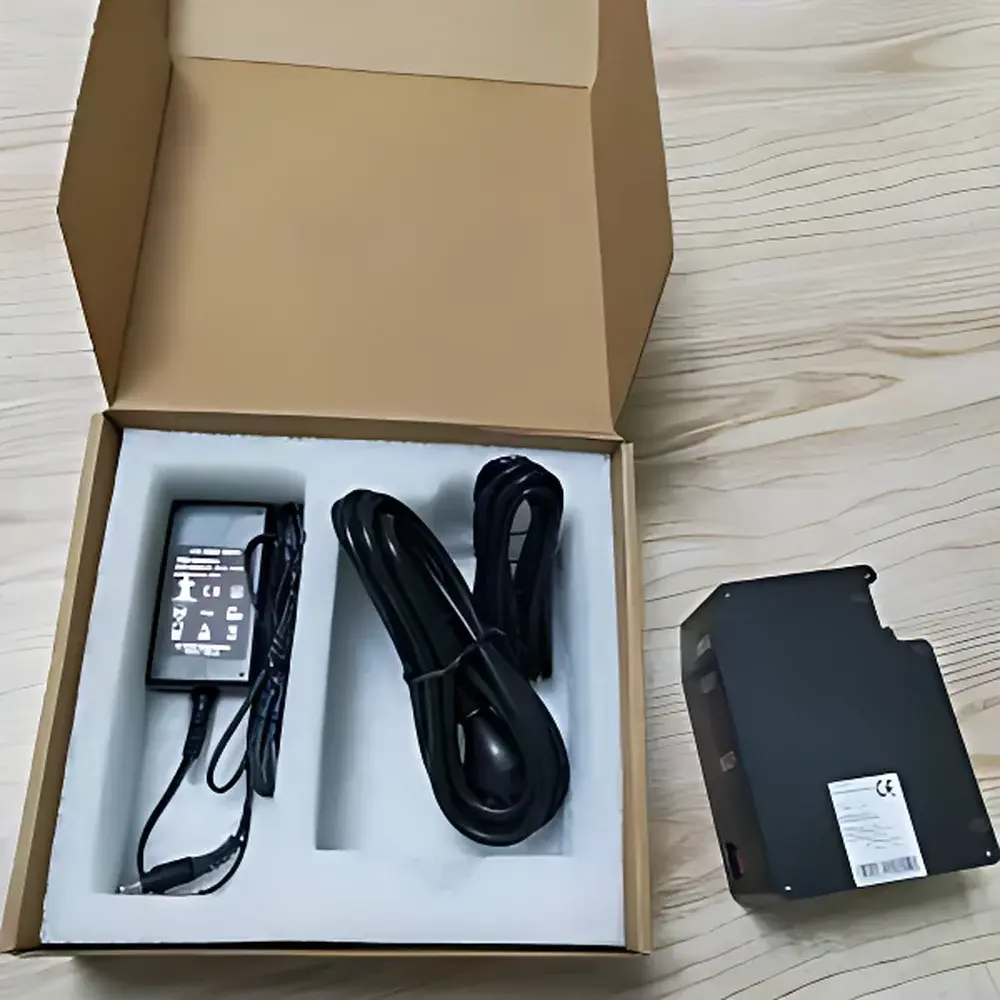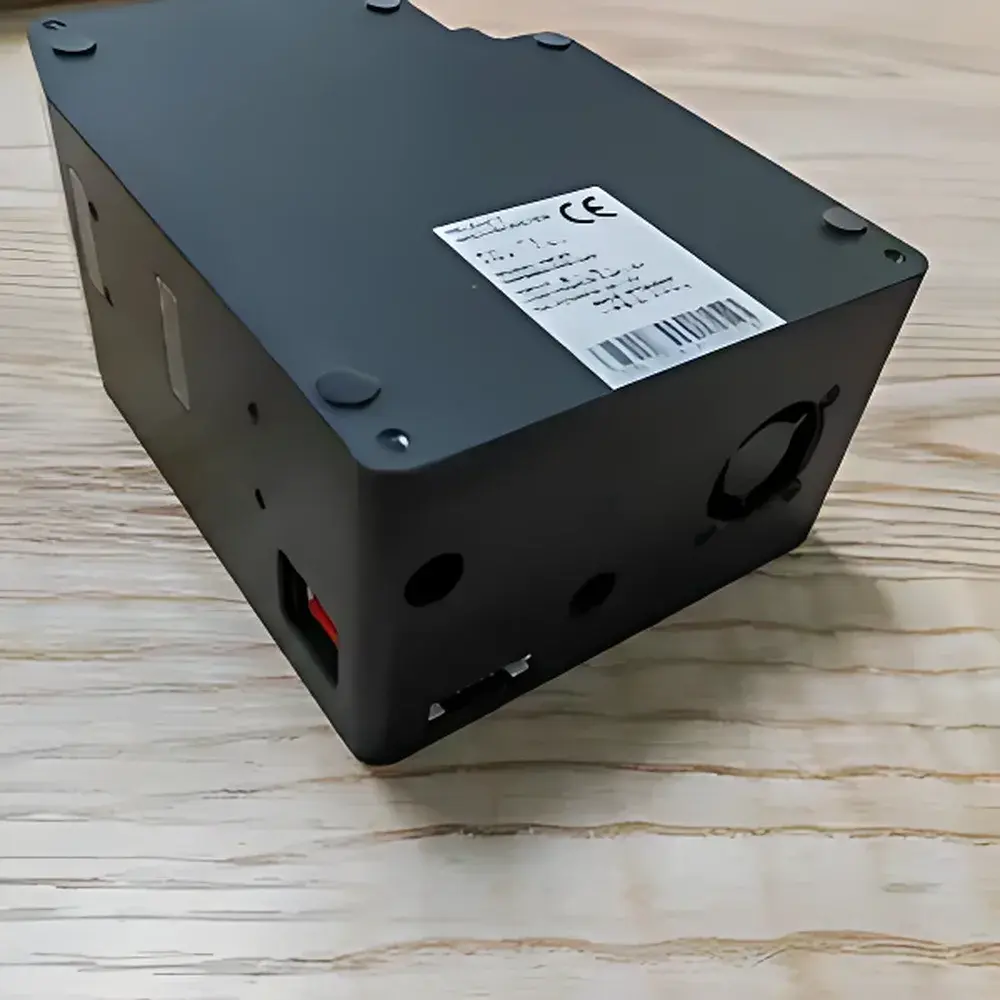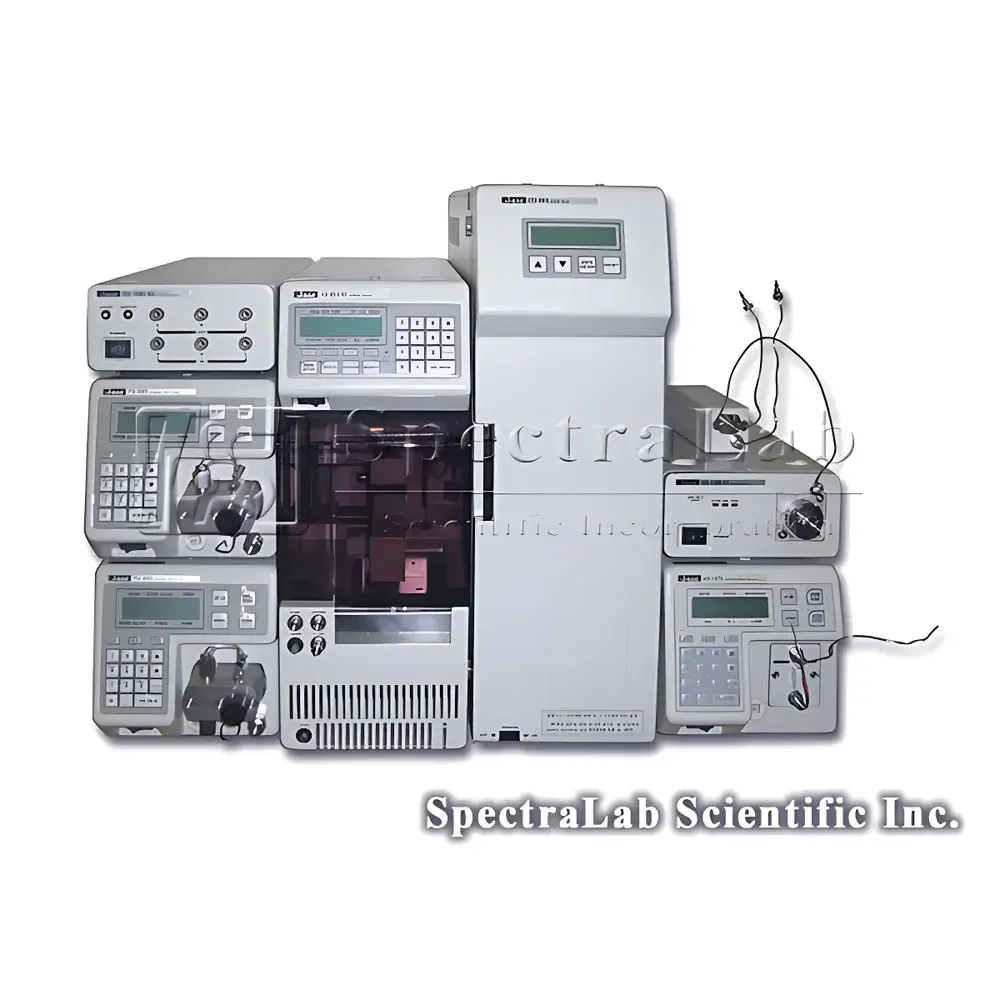
JASCO HPLC System (Refurbished, PU-980/UV-1575/AS-950-10/CO-965/DG-1580-53/HG-1580-32)
| Brand | JASCO |
|---|---|
| Origin | Canada |
| Manufacturer | Bunkoukeiki (Japan) |
| Model | PU-980 + UV-1575 + AS-950-10 + CO-965 + DG-1580-53 + HG-1580-32 |
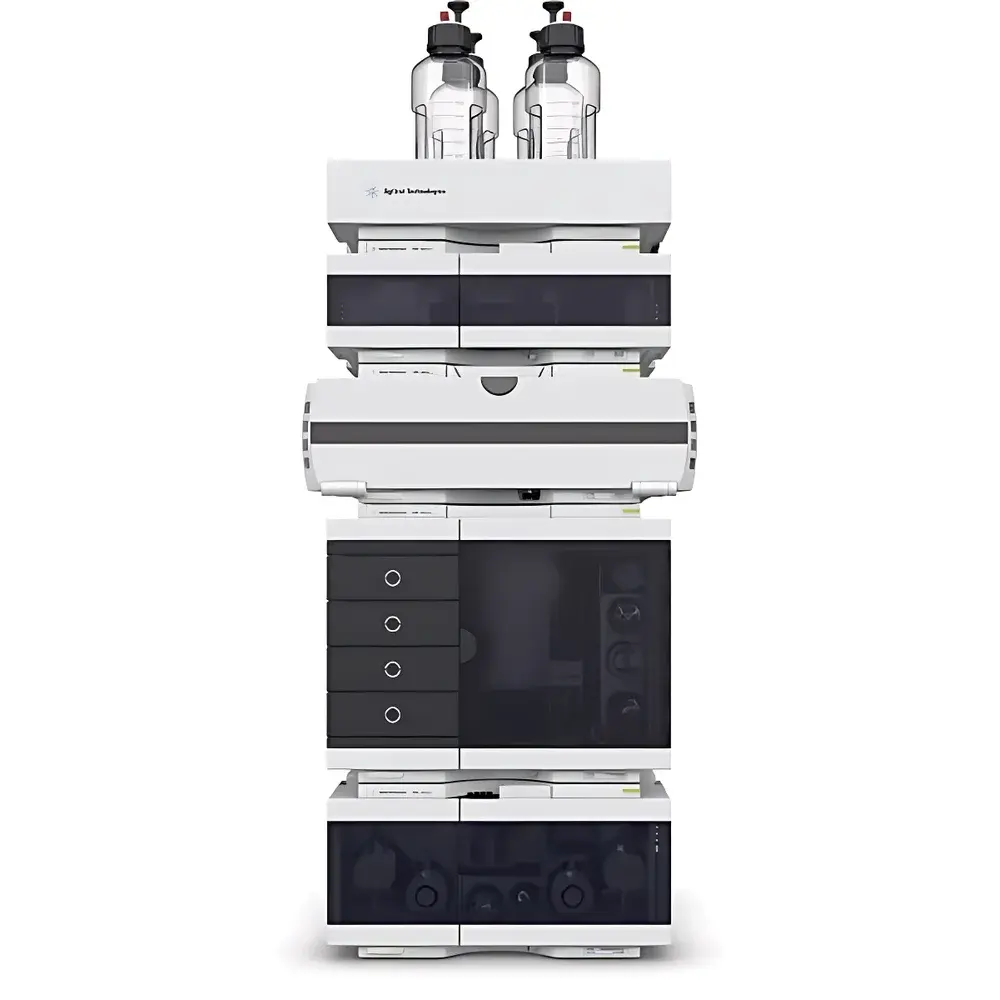
| Configuration | Quaternary gradient HPLC system with autosampler, column oven, vacuum degasser, and dynamic mixer |
| Pump Flow Range | 0.001–10.000 mL/min |
| Detector Wavelength Range | 190–800 nm |
| Autosampler Capacity | 108 × 1.5 mL vials (standard) |
| Column Oven Temperature Range | Ambient +5°C to 85°C |
| Degasser Type | Vacuum membrane degasser (4-channel) |
| Mixer Volume | 250 µL |
| System Age | 5–7 years |
| Refurbishment Standard | Fully tested, calibrated, and validated per ISO/IEC 17025-aligned procedures |
| Warranty | 6 months limited parts and labor |
Overview
The JASCO HPLC System (refurbished, model configuration PU-980/UV-1575/AS-950-10/CO-965/DG-1580-53/HG-1580-32) is a high-performance, quaternary gradient liquid chromatography platform engineered for precision separation, quantification, and method transfer in regulated and research environments. Built on JASCO’s legacy of optical and fluidic engineering—designed and manufactured by Bunkoukeiki Co., Ltd. (Tokyo, Japan), with final integration and quality assurance performed at JASCO’s Canadian facility—the system delivers robust isocratic and gradient elution capability across diverse sample matrices. Its modular architecture integrates a high-pressure dual-piston reciprocating pump (PU-980), a high-stability UV/Vis absorbance detector (UV-1575) with 190–800 nm spectral range and <±0.5 nm wavelength accuracy, a 108-position refrigerated autosampler (AS-950-10), a thermally controlled column compartment (CO-965), a four-channel vacuum degasser (DG-1580-53), and a low-dead-volume dynamic mixer (HG-1580-32). All components comply with fundamental design principles outlined in ISO 17025:2017 for analytical equipment verification and support routine operation under GLP and GMP-aligned workflows.
Key Features
- Quaternary solvent delivery with pulseless flow and ≤0.1% RSD flow precision across 0.001–10.000 mL/min range
- UV/Vis detector featuring double-beam optics, 1 nm bandwidth, and real-time baseline correction for enhanced signal stability
- Autosampler with programmable injection volume (0.1–100 µL), needle wash station, and temperature-controlled tray (4–40°C optional)
- Column oven maintaining ±0.2°C temperature uniformity from ambient +5°C to 85°C—critical for retention time reproducibility
- Vacuum-based degassing system reducing dissolved oxygen to <1 ppm, minimizing baseline drift and bubble formation
- Dynamic mixer with 250 µL internal volume enabling rapid gradient equilibration (<5 column volumes) and low dwell volume (<700 µL total system)
- Fully refurbished unit—including replacement of critical wear components (pump seals, rotor seals, lamp, flow cell), recalibration against NIST-traceable standards, and functional validation per ASTM E2632-19
Sample Compatibility & Compliance
This HPLC system supports reversed-phase, normal-phase, ion-exchange, and size-exclusion chromatography methods using standard 3.9–4.6 mm ID analytical columns (up to 250 mm length) and compatible with common mobile phases including water/acetonitrile, water/methanol, and buffered systems (e.g., ammonium acetate, phosphate). It meets essential performance criteria referenced in USP , EP 2.2.46, and ISO 13843:2017 for chromatographic system suitability testing. The hardware architecture permits integration into FDA 21 CFR Part 11-compliant data acquisition environments when paired with validated third-party CDS software (e.g., Empower, Chromeleon, or OpenLab CDS) supporting electronic signatures, audit trails, and user access control.
Software & Data Management
While the original JASCO ChromNAV software is not included, the system features standard RS-232 and USB interfaces compatible with modern chromatography data systems (CDS). Analog output (0–1 V DC) and digital TTL trigger signals enable synchronization with external detectors or fraction collectors. All modules support remote status monitoring via front-panel LED indicators and diagnostic error codes. Refurbishment includes firmware verification to ensure compatibility with current-generation CDS drivers. SpectraLab Scientific provides post-delivery technical documentation—including electrical schematics, maintenance logs, calibration certificates, and system suitability test reports—to support laboratory qualification (IQ/OQ/PQ) and internal SOP development.
Applications
The system is routinely deployed in pharmaceutical QC labs for assay and impurity profiling of small-molecule APIs; in academic and contract research settings for natural product isolation and metabolite identification; in food safety laboratories for pesticide residue analysis per AOAC 2012.01; and in environmental testing for PAHs and phenolic compounds per EPA Method 8330B. Its gradient precision and detector linearity (0.9999 over 0–2.0 AU) make it suitable for stability-indicating methods requiring forced degradation studies and kinetic modeling.
FAQ
Is this system fully validated and ready for GxP use?
Yes—each unit undergoes full operational qualification (OQ) including pressure testing, flow accuracy verification, detector linearity assessment, and gradient delay volume measurement. A complete validation package is provided upon request.
What consumables and spare parts are included?
Standard refurbishment includes one set of pump seals, autosampler rotor seal, UV lamp, and fuses. Optional extended spares kits (valve cartridges, mixing chamber O-rings, flow cell windows) are available separately.
Can I integrate this system with my existing LIMS or ELN?
Yes—via standard ASCII-based instrument control protocols or through CDS-level API integration. SpectraLab can assist with protocol mapping and interface testing prior to shipment.
Do you offer installation and on-site training?
Remote commissioning support is included. On-site installation, IQ/OQ execution, and operator training are available as billable services within North America and EU member states.
How is system age verified?
Serial numbers are cross-referenced with JASCO’s global service database, and usage logs (pump cycles, lamp hours, autosampler actuations) are extracted and reported in the pre-shipment inspection report.