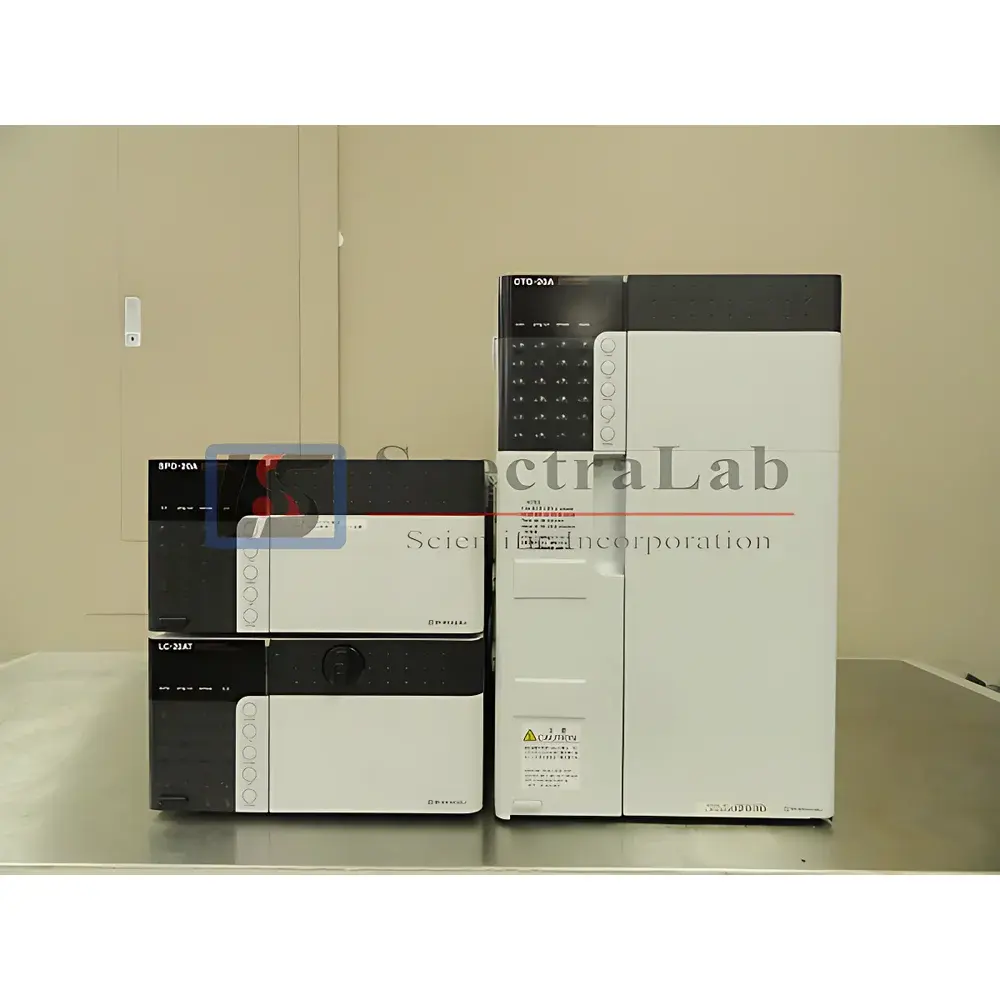
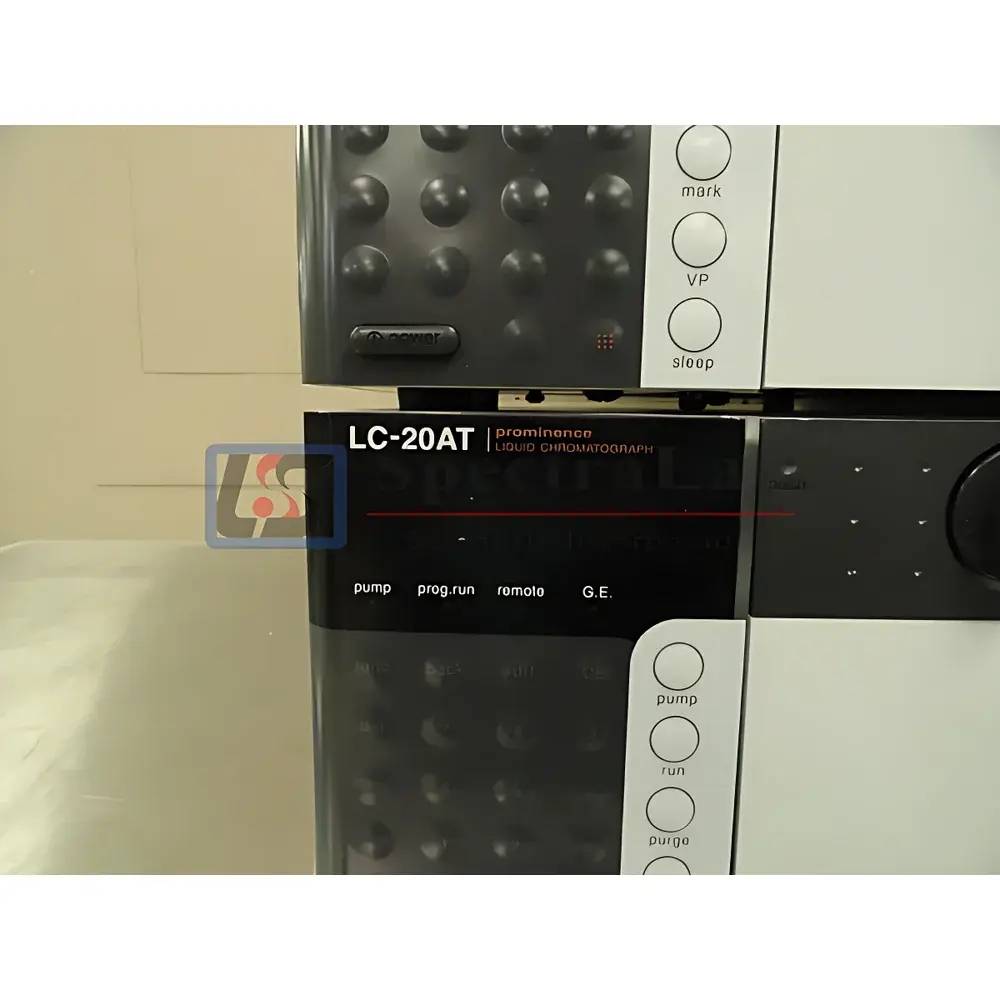
Shimadzu Prominence Ultra Fast Liquid Chromatograph System with Variable Wavelength Detector
| Brand | Shimadzu |
|---|---|
| Model | Prominence Ultra Fast |
| Origin | Canada |
| Detector Type | Variable Wavelength Detector (VWD) |
| Pump | Shimadzu LC-20AT (single-plunger isocratic pump) |
| Column Oven | Shimadzu CTO-20A (optional CTO-20AC with chiller capability) |
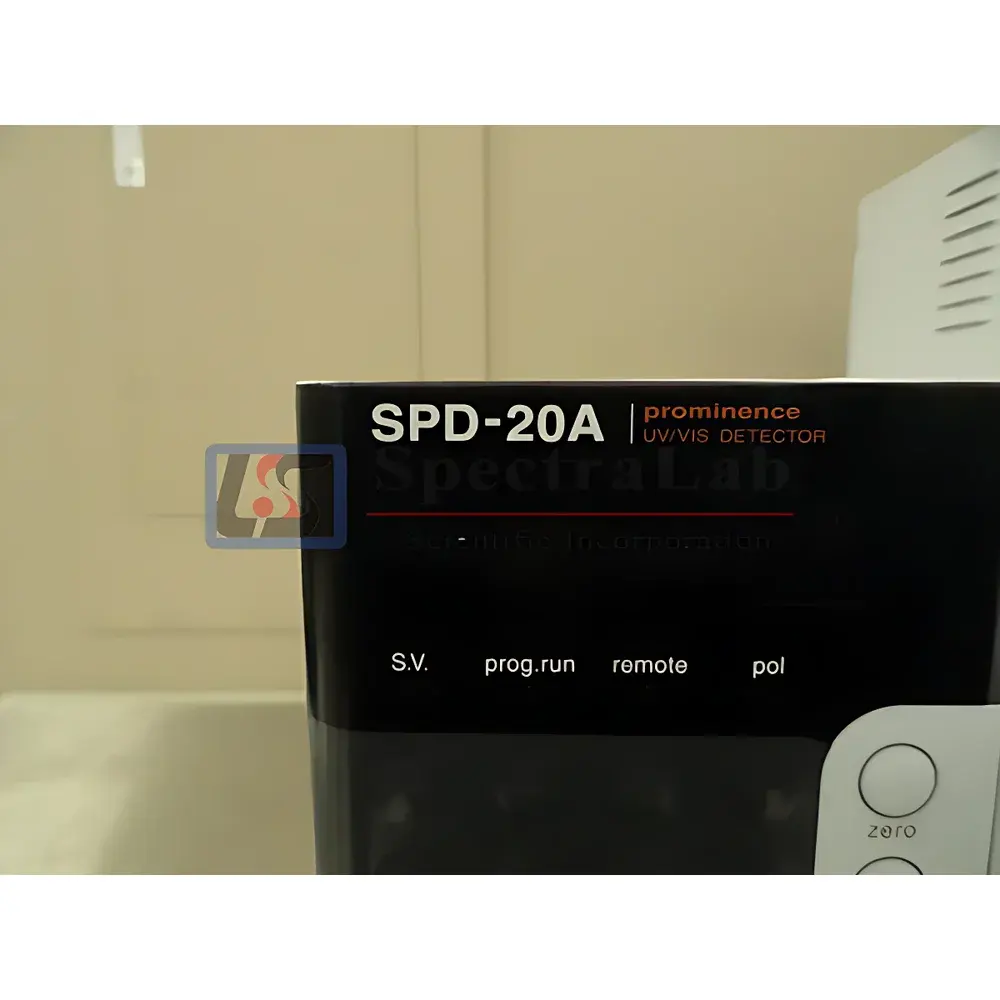
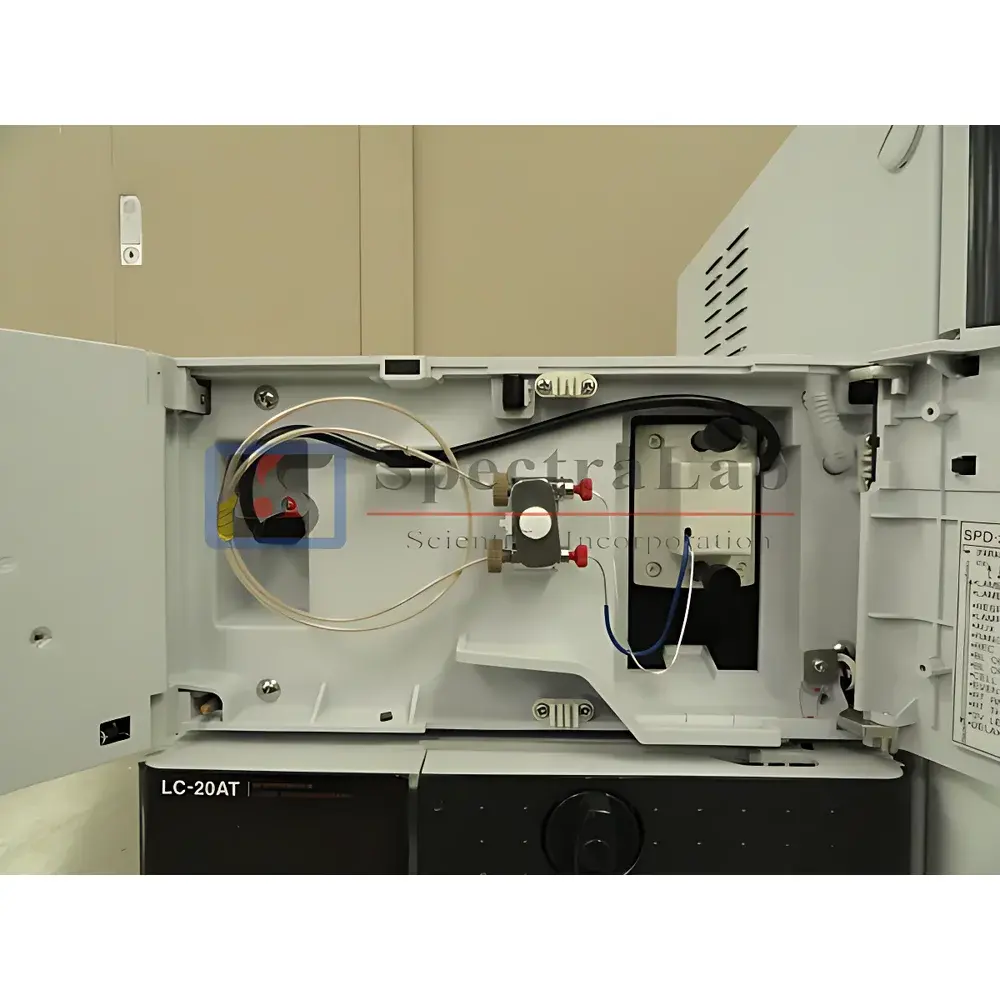
| UV-Vis Detector | Shimadzu SPD-20A with analytical flow cell |
| Data System | N2000 chromatography data acquisition software |
| Age | 5–7 years |
| Warranty | 1 year |
| Condition | Refurbished and fully tested |
Overview
The Shimadzu Prominence Ultra Fast Liquid Chromatograph System with Variable Wavelength Detector (VWD) is a high-performance, refurbished HPLC platform engineered for robustness, method reproducibility, and regulatory-compliant operation in QC laboratories, contract research organizations (CROs), and academic core facilities. Built on Shimadzu’s proven Prominence architecture, this system implements classical reversed-phase, normal-phase, and ion-exchange liquid chromatography using high-pressure gradient or isocratic elution. The core separation principle relies on differential partitioning of analytes between a stationary phase (typically silica-based C18 columns) and a mobile phase under controlled pressure (up to 40 MPa), with detection achieved via UV-Vis absorbance at user-selectable wavelengths (190–700 nm) using the SPD-20A detector. Its design emphasizes mechanical stability, low dwell volume (< 700 µL), and precise temperature control—critical for retention time reproducibility across multi-day validation runs.
Key Features
- Refurbished Shimadzu LC-20AT high-pressure isocratic pump with dual-piston design, delivering flow rates from 0.001 to 10.000 mL/min with ≤ 0.1% RSD precision and pulse dampening optimized for baseline stability.
- Shimadzu CTO-20A column oven supporting temperature control from ambient +10°C to 85°C (±0.1°C), ensuring consistent retention behavior; optional CTO-20AC configuration includes integrated thermoelectric cooling for sub-ambient operation down to 4°C.
- SPD-20A variable wavelength UV-Vis detector featuring a deuterium lamp source, 10 mm pathlength analytical flow cell, and real-time spectral scanning capability (wavelength accuracy ±1 nm, photometric accuracy ±0.005 AU at 1.0 AU).
- Full system integration validated with N2000 chromatography data system (CDS), enabling peak integration, calibration curve generation, report export (PDF/CSV), and audit-ready sequence logging.
- All units undergo comprehensive refurbishment: pump seal replacement, detector lamp calibration, autosampler needle wash validation, leak testing at 45 MPa, and full electronic diagnostics per Shimadzu service protocols.
Sample Compatibility & Compliance
This system supports standard HPLC applications involving small-molecule pharmaceuticals, natural products, food additives, environmental contaminants, and synthetic intermediates. It accommodates 3.0–4.6 mm ID analytical columns (up to 250 mm length) and is compatible with common mobile phases including aqueous buffers (e.g., phosphate, acetate), organic modifiers (acetonitrile, methanol), and ion-pairing reagents. The hardware and N2000 software meet foundational requirements for GLP and GMP environments: electronic signatures are supported via Windows-based user access controls; audit trails record method changes, injection events, and detector parameter adjustments; raw data files (.raw) are immutable and timestamped. While not natively 21 CFR Part 11 compliant, the system can be configured with supplementary validation documentation and procedural controls to support FDA-inspected workflows.
Software & Data Management
N2000 CDS provides intuitive instrument control, real-time chromatogram display, and quantitative analysis tools including external standard, internal standard, and area normalization methods. Data files store complete acquisition metadata: detector wavelength, flow rate, column temperature, injection volume, and system pressure trace. Export functions generate compliant reports with embedded chromatograms, integration tables, and pass/fail criteria against pre-defined specification limits. Backups are managed via scheduled Windows Task Scheduler jobs targeting network-attached storage (NAS) or local RAID arrays—ensuring data integrity and recovery readiness per ISO/IEC 17025 Clause 7.5.2.
Applications
- Pharmaceutical QC release testing (e.g., assay, related substances per USP and ICH Q2(R2))
- Stability-indicating method development for forced degradation studies
- Food safety analysis: preservative quantification (sorbic acid, benzoic acid), pesticide residue screening
- Environmental monitoring: PAHs, phenols, and chlorinated hydrocarbons in water extracts
- Academic research requiring high-throughput method scouting with minimal solvent consumption
FAQ
Is this system suitable for gradient elution?
No—the LC-20AT is a single-plunger isocratic pump. Gradient operation requires an LC-20AD or LC-20AT with optional gradient kit (not included); retrofitting incurs additional cost and validation effort.
What is the typical detection limit for caffeine using the SPD-20A?
At 273 nm with a 10 mm flow cell and 20 µL injection on a C18 column, LOD is approximately 0.5 ng under optimized conditions (S/N = 3).
Does the 1-year warranty cover detector lamp replacement?
Yes—lamps are covered if failure occurs within warranty period and usage does not exceed 2,000 hours; lamp life is typically 1,500–2,000 hours under standard operating conditions.
Can N2000 export data directly to LIMS?
N2000 supports CSV and PDF export; direct LIMS integration requires custom middleware or third-party API bridges—not provided out-of-the-box.
Are original Shimadzu service records available?
Refurbishment documentation—including pressure test logs, lamp intensity reports, and calibration certificates—is supplied with each unit upon request.