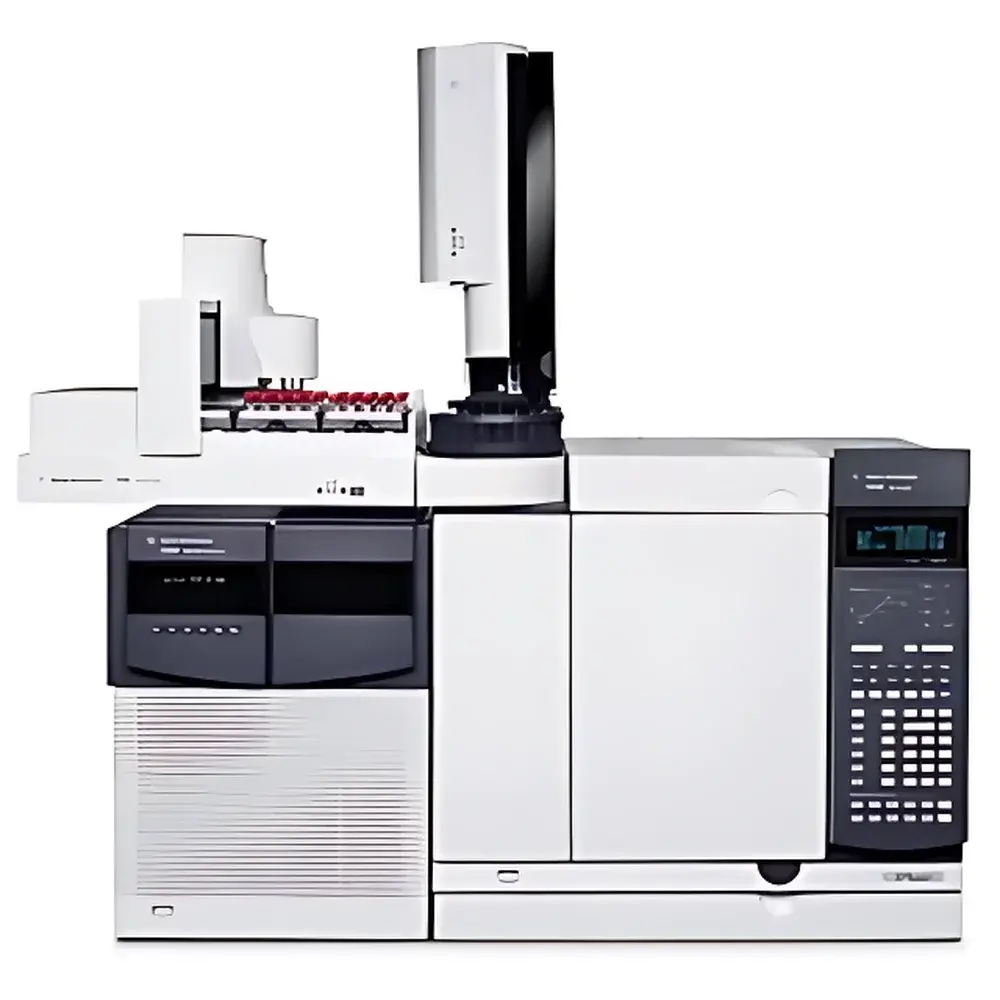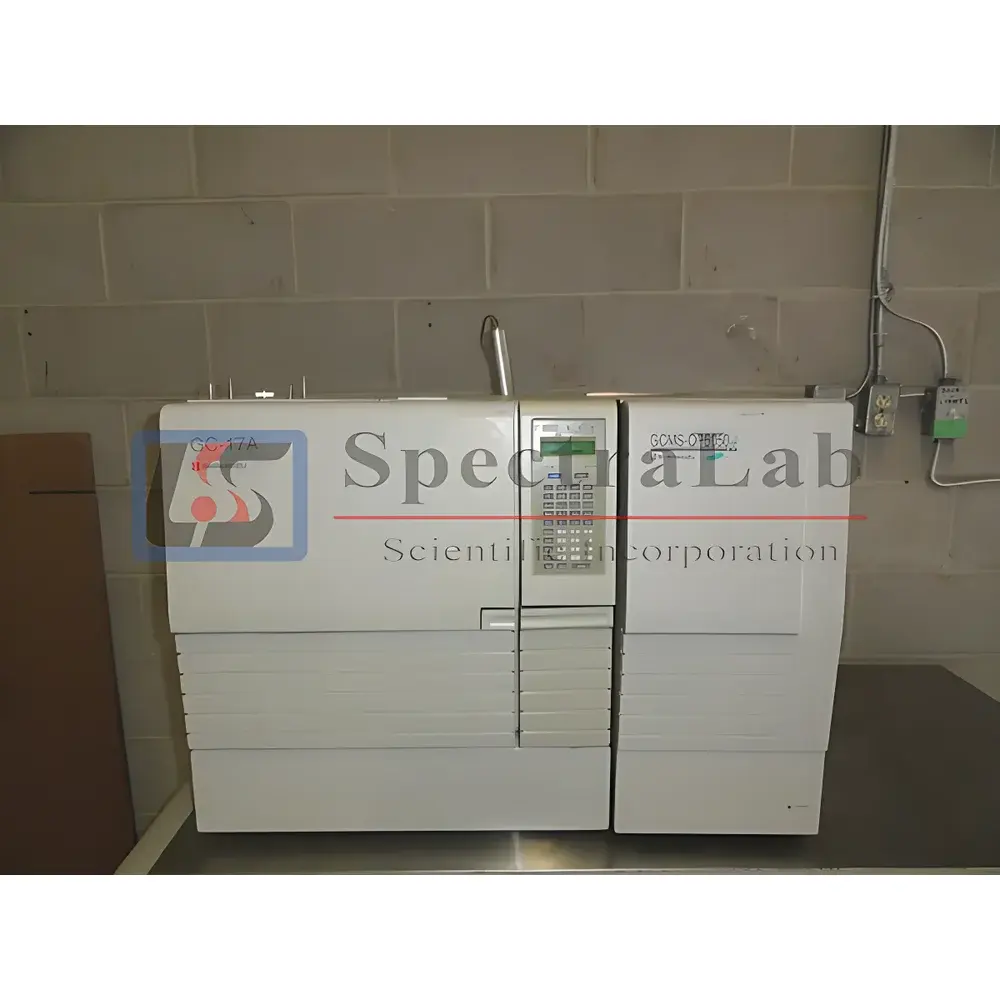
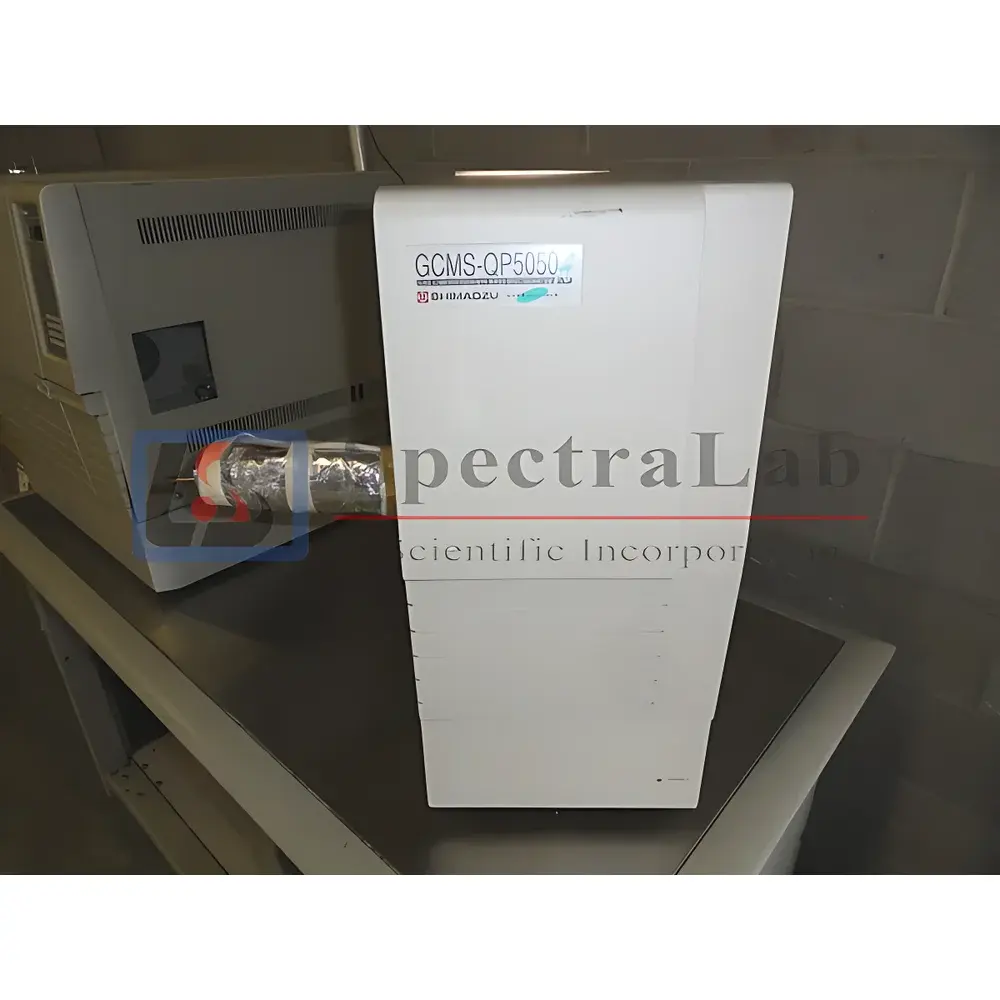
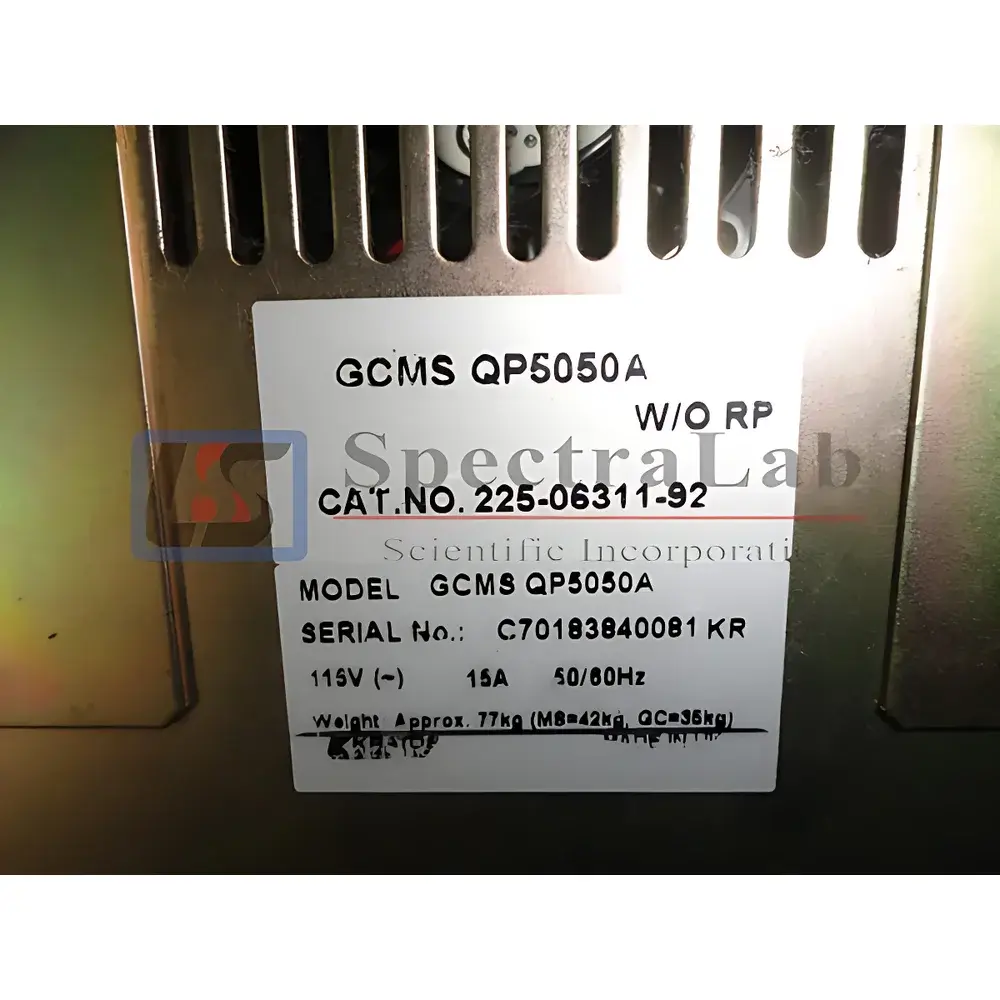
Shimadzu GCMS-QP5050A Used Gas Chromatography-Mass Spectrometry System
| Brand | Shimadzu |
|---|---|
| Origin | Japan |
| Model | GCMS-QP5050A |
| Instrument Type | Quadrupole Mass Spectrometer (GC-MS) |
| Gas Chromatograph | GC-17A |
| Age | 4 years |
| Warranty | 6 months |
| Compliance | Designed to meet ISO/IEC 17025-aligned operational standards for routine QC and research environments |
| Software Platform | Original Shimadzu CLASS-5000 (MS) v3.x or later |
| Detection Principle | Electron Ionization (EI) with unit-mass resolution, full-scan and selected-ion monitoring (SIM) modes |
| Key Performance Context | Engineered for reproducible trace-level organic compound identification and quantification in environmental, pharmaceutical, and food safety laboratories |
Overview
The Shimadzu GCMS-QP5050A is a second-generation quadrupole gas chromatography–mass spectrometry (GC-MS) system originally introduced in the late 1990s and widely deployed in regulatory-compliant laboratories across Asia, Europe, and North America. This refurbished unit integrates the Shimadzu GC-17A capillary gas chromatograph with the QP-5050A mass spectrometer — a benchtop EI/CI dual-mode instrument featuring a 1–650 u mass range, electron multiplier detection, and vacuum system based on a dual-stage rotary pump and diffusion pump architecture. The system operates under constant electron energy (70 eV), delivering stable ion currents and high spectral fidelity for library-searchable mass spectra (NIST/EPA/NIH compatible). Its design reflects the engineering priorities of its era: mechanical robustness, thermal stability of the ion source (maintained at 200 °C), and compatibility with standard 0.25–0.32 mm ID fused-silica columns. While superseded by modern time-of-flight and triple-quadrupole platforms, the QP-5050A remains technically viable for targeted residue analysis, volatile organic compound (VOC) profiling, and educational training where method transfer from legacy SOPs is required.
Key Features
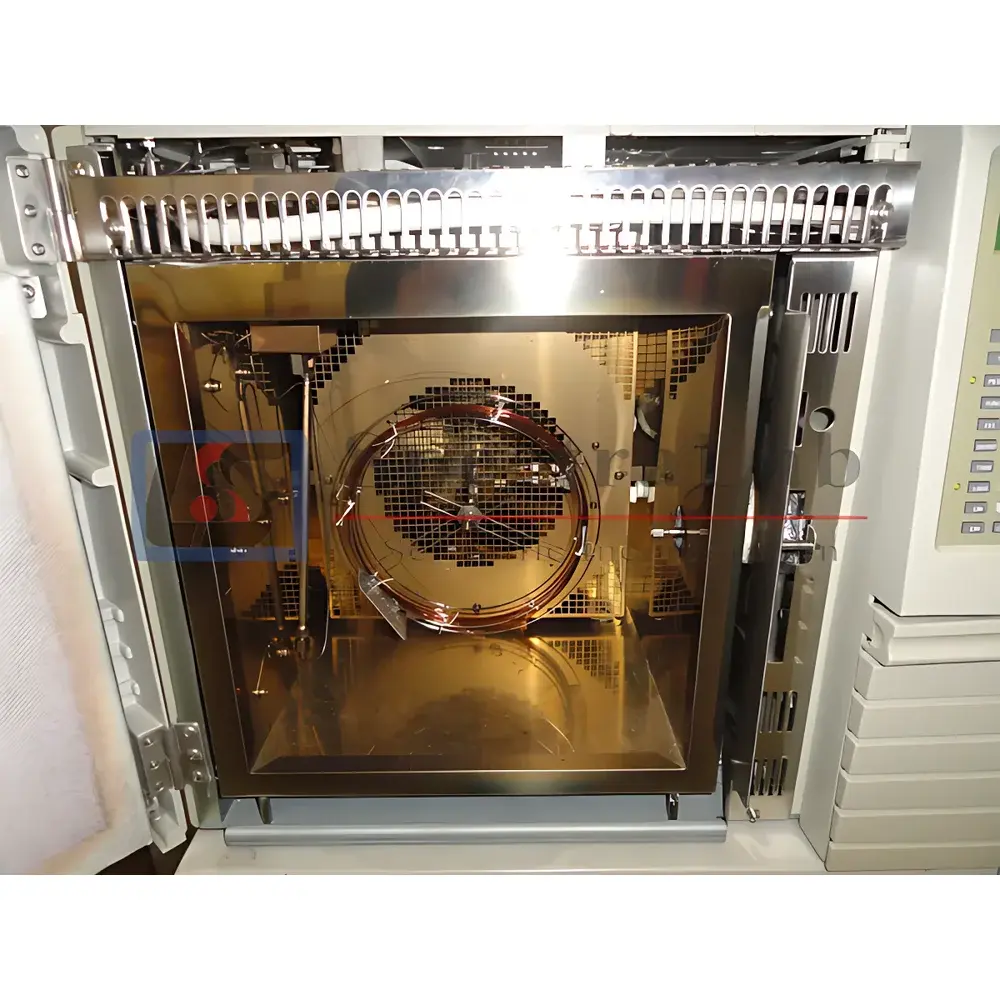
- Integrated Shimadzu GC-17A gas chromatograph with split/splitless injector, oven temperature range of 4–450 °C, and programmable temperature ramping (up to 50 °C/min)
- QP-5050A mass spectrometer equipped with a stainless-steel quadrupole mass analyzer, EI-only ion source (standard configuration), and Faraday cup/electron multiplier dual detector
- Real-time data acquisition via Shimadzu CLASS-5000 (MS) software, supporting full-scan, SIM, and scan/SIM hybrid acquisition modes
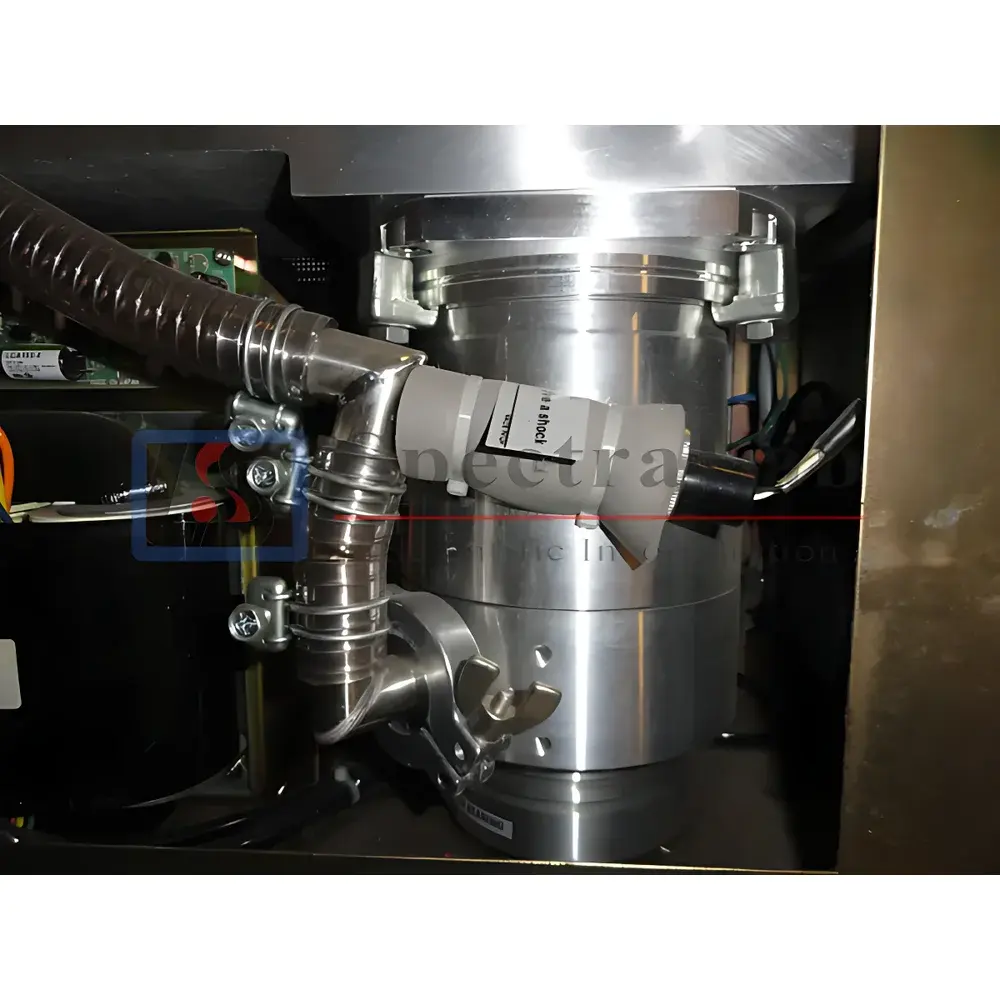
- Vacuum system comprising a 12 m³/h rotary vane backing pump and oil diffusion pump, achieving base pressure <1 × 10⁻⁵ Pa in the ion source region
- Pre-validated hardware configuration verified for retention time stability (<0.02 min RSD over 24 h) and mass calibration accuracy (±0.1 u across 50–500 u range)
- Refurbishment includes replacement of critical consumables: column nut seals, septa, ion source cleaning and alignment, filament replacement, and detector gain calibration
Sample Compatibility & Compliance
The GCMS-QP5050A accommodates liquid, gaseous, and thermally stable semi-volatile samples introduced via autosampler (AOC-14/20 optional) or manual injection. It supports derivatization-compatible workflows (e.g., silylation, acylation) for polar analytes such as fatty acids, steroids, and pesticides. Method development aligns with ASTM D5845 (petroleum hydrocarbons), EPA Method 8270D (semivolatiles), and USP chromatographic system suitability criteria. Though not natively compliant with FDA 21 CFR Part 11 out-of-the-box, the CLASS-5000 platform supports audit trail generation and user access control when configured with Windows NT/2000 domain authentication — a prerequisite for GLP/GMP environments conducting non-clinical safety studies.
Software & Data Management
Data acquisition, processing, and reporting are managed through Shimadzu CLASS-5000 (MS) v3.2x or higher. The software provides peak integration using valley-to-valley and tangent skim algorithms, automated library search (Wiley/NIST libraries included), and customizable report templates exportable to PDF, CSV, and XML. Raw data files (.qgd) are stored in a structured directory hierarchy with embedded metadata (acquisition date, operator ID, method name, instrument parameters). For laboratories requiring long-term archival compliance, the system supports external NAS backup integration and periodic integrity verification via MD5 checksum logging.
Applications
- Environmental analysis: PAHs, PCBs, chlorinated pesticides, and phthalate esters in soil, water, and air samples
- Food safety screening: Mycotoxin confirmation (e.g., aflatoxin B1), pesticide residue quantification (e.g., organophosphates), and flavor compound profiling
- Pharmaceutical impurity identification per ICH Q3A(R2) guidelines using retention index matching and spectral deconvolution
- Forensic toxicology: Confirmation of controlled substances (e.g., amphetamines, benzodiazepines) in biological matrices following solid-phase extraction
- Academic research: Teaching chromatographic separation theory, mass spectral interpretation, and quantitative method validation principles
FAQ
Is this system suitable for regulated GLP or GMP laboratories?
Yes — provided CLASS-5000 is deployed on a validated Windows OS platform with documented IQ/OQ protocols, electronic signatures enabled, and audit trails activated. Full 21 CFR Part 11 readiness requires additional configuration and third-party validation support.
What consumables are included with the system?
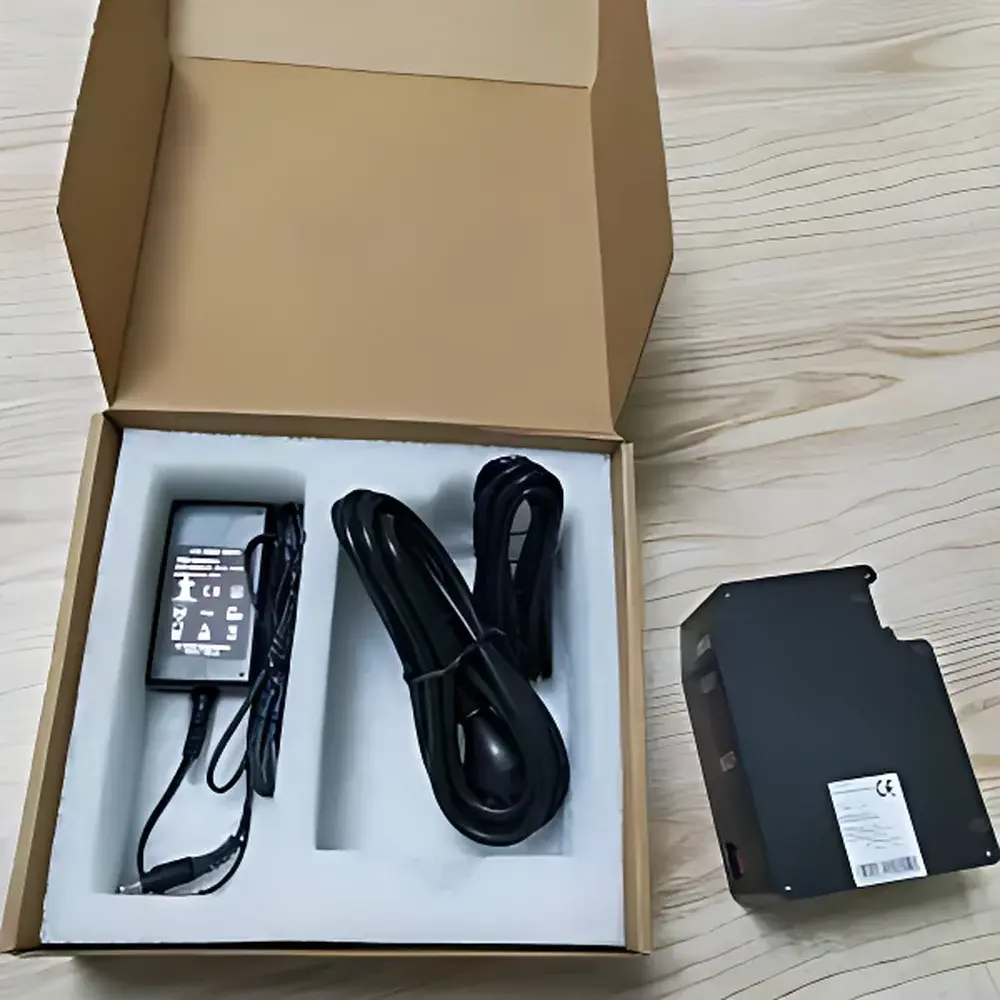
The refurbishment includes one set of GC inlet septa, liner O-rings, column nuts, and a pre-cleaned ion source assembly. Filaments and electron multipliers are newly installed and covered under the 6-month warranty.
Can modern data systems interface with CLASS-5000 output files?
Yes — .qgd files can be converted to open formats (e.g., mzXML) using vendor-provided utilities or third-party tools like ProteoWizard, enabling ingestion into LIMS or advanced chemometric platforms.
Is column oven cooling performance verified during refurbishment?
Yes — cooling rate from 300 °C to 50 °C is measured and confirmed to meet original specification (≤3.5 min), ensuring method transfer fidelity for fast GC methods.
Does the system include a maintenance log or service history?
A complete refurbishment dossier is provided, including calibration certificates, vacuum leak test reports, mass axis verification logs, and component replacement records.