
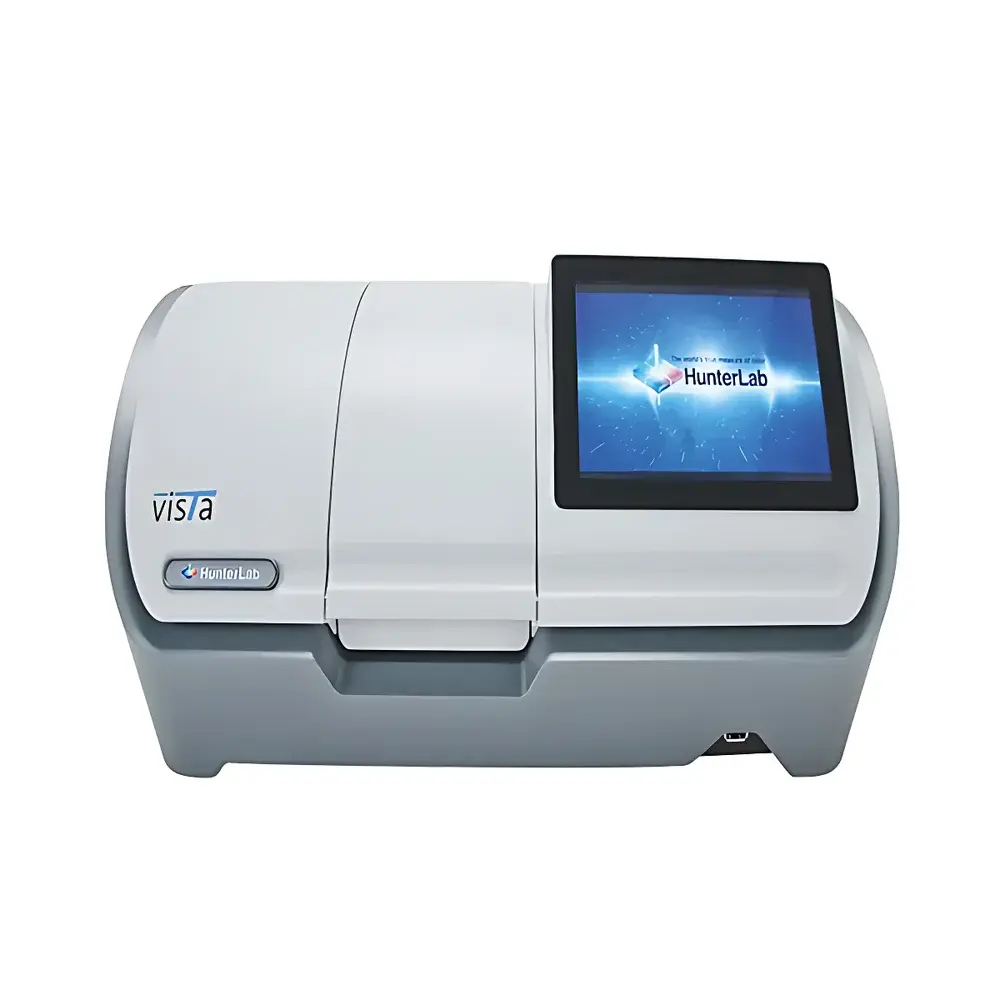
HunterLab Vista Platinum-Cobalt (APHA) Colorimeter
| Brand | HunterLab |
|---|---|
| Origin | USA |
| Model | Vista Platinum-Cobalt (APHA) |
| Product Type | Benchtop Color Difference Meter |
| Optical Geometry | d/8° integrating sphere |
| Light Source | Full-spectrum LED array |
| Spectral Range | 400 nm – 700 nm |
| Repeatability | < 0.02 ΔE* |
| Compliance | ASTM E1164, ASTM D1003, CIE 15:2004, DIN 5033-7, JIS Z 8722 Condition E |
| Color Scales | APHA/Pt-Co, ASTM Color, Saybolt, Gardner, YI E313, YI D1925, ADMI, Lovibond Red/Yellow, Haze (%) |
Overview
The HunterLab Vista Platinum-Cobalt (APHA) Colorimeter is a benchtop spectrophotometer engineered for precise, regulatory-compliant measurement of liquid color and haze in the visible spectrum (400–700 nm). Based on dual-beam spectral photometry with a 76 mm integrating sphere and d/8° optical geometry, the instrument delivers high-fidelity transmittance color data under standardized illuminants (D65/10° and C/2°) and observer conditions. Its primary function is quantitative assessment of yellowness, platinum-cobalt (APHA/Pt-Co) index, and related color indices—critical parameters for quality control of pharmaceutical excipients, water treatment chemicals, petrochemicals, food-grade oils, and polymer solutions. The Vista operates on the principle of spectral reflectance/transmittance analysis, where light from a stable full-spectrum LED array passes through or reflects from the sample, and a 256-element diode array detector coupled with a high-resolution concave holographic grating resolves spectral power distribution at ≤3 nm effective bandwidth. This architecture ensures traceable, reproducible results aligned with international metrological frameworks.
Key Features
- Dual-beam optical design with real-time reference compensation for enhanced long-term stability and reduced drift.
- Integrated haze measurement capability compliant with ASTM D1003, enabling simultaneous reporting of APHA color and % haze in a single measurement cycle (<5 s).
- Automatic calibration with built-in ceramic white tile and air-zero reference—no manual alignment or external standards required for routine operation.
- Compact footprint (W × D × H: 305 × 356 × 254 mm) and spill-resistant sample compartment optimized for high-throughput QC laboratories.
- High-resolution 1280 × 800 capacitive touchscreen interface with intuitive workflow navigation and multilingual OS support (English, German, French, Spanish, Chinese, Japanese).
- Robust thermal management system maintaining optical path temperature stability within ±0.5 °C—critical for spectral repeatability across ambient fluctuations.
Sample Compatibility & Compliance
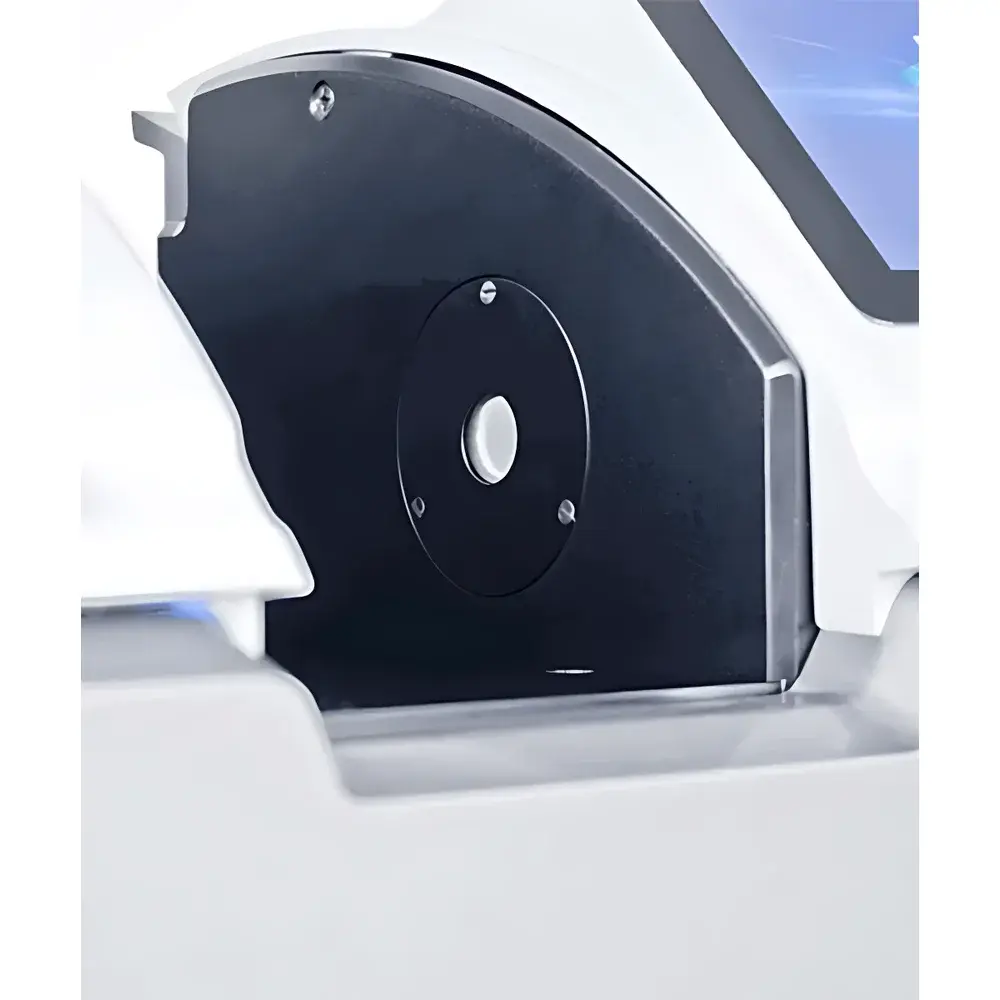
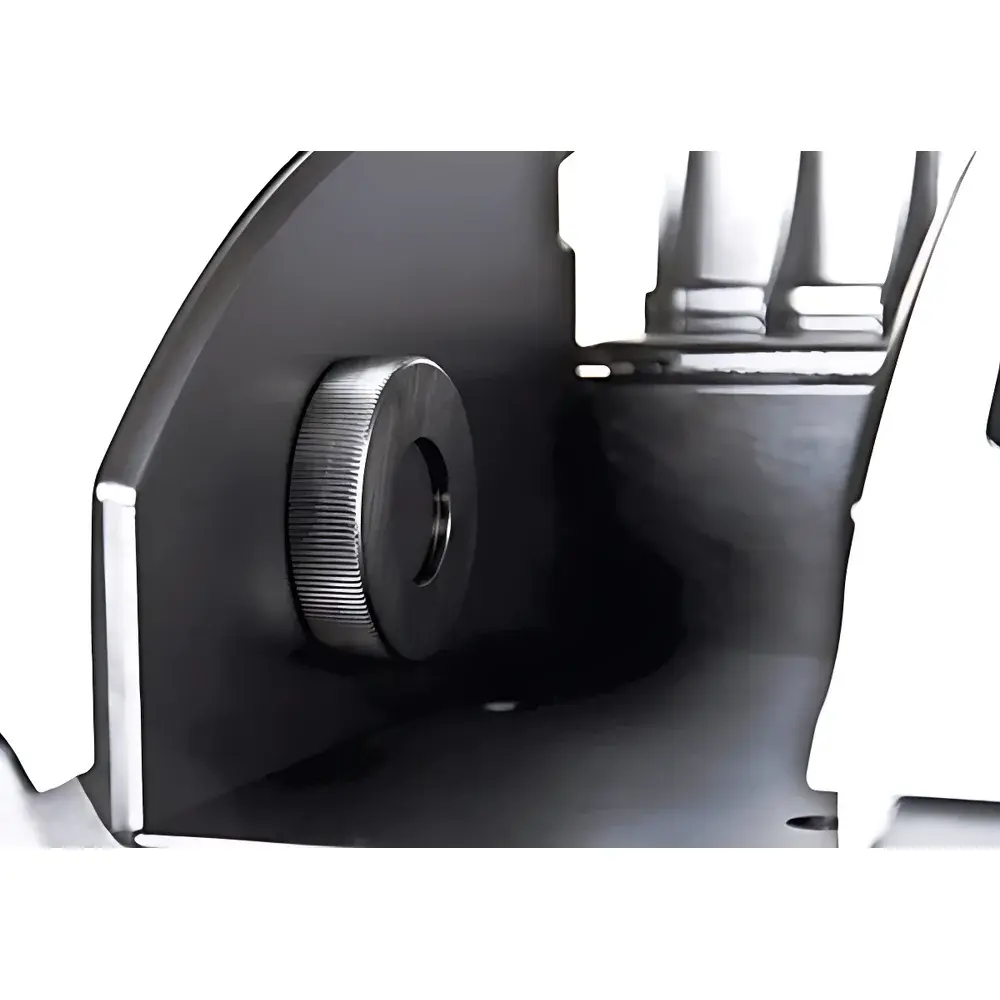
The Vista accommodates standard 100 mm pathlength cuvettes (glass or quartz), as well as custom cell holders for viscous or opaque liquids requiring variable pathlengths. It supports both total transmittance (TTRAN) and directional transmittance (RTRAN) modes, facilitating accurate APHA quantification per ASTM D1209 and ISO 6271. All color calculations adhere to CIE 15:2004 spectral computation protocols and are validated against NIST-traceable liquid color standards. Regulatory documentation—including IQ/OQ templates, 21 CFR Part 11–compliant audit trail logs, and GLP/GMP-ready validation packages—is provided as standard. Instrument consistency is verified using certified transmission filters: average inter-instrument agreement remains ΔE* (D65/10°) < 0.15 for transparent liquids and < 0.25 (max) across a defined APHA range (0–500 Pt-Co units).
Software & Data Management
Vista ships with Vision software (v5.0+), a Windows-based platform supporting method-driven measurement workflows, statistical process control (SPC) charting, and automated report generation (PDF/CSV/XLSX). Raw spectral data (31-point nm intervals, 10 nm equidistant spacing) is exportable for third-party analysis. The software enforces role-based user access control, electronic signatures, and immutable audit trails meeting FDA 21 CFR Part 11 requirements. Cloud synchronization via secure HTTPS enables centralized fleet monitoring and remote firmware updates without local IT intervention. Data integrity safeguards include cyclic redundancy check (CRC) verification on all stored spectra and timestamped metadata embedding (operator ID, environmental conditions, calibration history).
Applications
- Pharmaceutical manufacturing: APHA testing of purified water (PW), water for injection (WFI), and active pharmaceutical ingredient (API) solutions per USP and EP 2.2.59.
- Petrochemical QA: Color grading of solvents, lubricants, and biodiesel per ASTM D1500 and ASTM D6045.
- Food & beverage: Quantification of yellowing in edible oils, syrups, and dairy derivatives using YI E313 and YI D1925 indices.
- Chemical synthesis: Monitoring oxidation state and impurity buildup in intermediates via Pt-Co scale drift during batch reactions.
- Environmental labs: Compliance testing of wastewater effluents against EPA Method 180.1 for color discharge limits.
FAQ
Does the Vista require annual recalibration by HunterLab service engineers?
No—routine recalibration is performed internally using the integrated white tile and air-zero references. However, biannual verification against NIST-traceable liquid standards is recommended for GMP environments.
Can the Vista measure APHA values for samples with turbidity above 10% haze?
Yes—the instrument applies Mie scattering correction algorithms during haze-compensated APHA calculation, maintaining linearity up to 30% haze when using RTRAN mode and appropriate cuvette pathlength.
Is raw spectral data accessible for custom algorithm development?
Yes—Vision software exports full 31-channel spectral transmittance data (nm, %T) in ASCII format, compatible with MATLAB, Python (NumPy/Pandas), and JMP.
What is the expected lifetime of the LED light source?
The full-spectrum LED array is rated for 50,000 hours of operational life (>5 years at 20 h/week), with output stability maintained within ±0.5% over its service period.
Does the Vista support network deployment in enterprise laboratory information management systems (LIMS)?
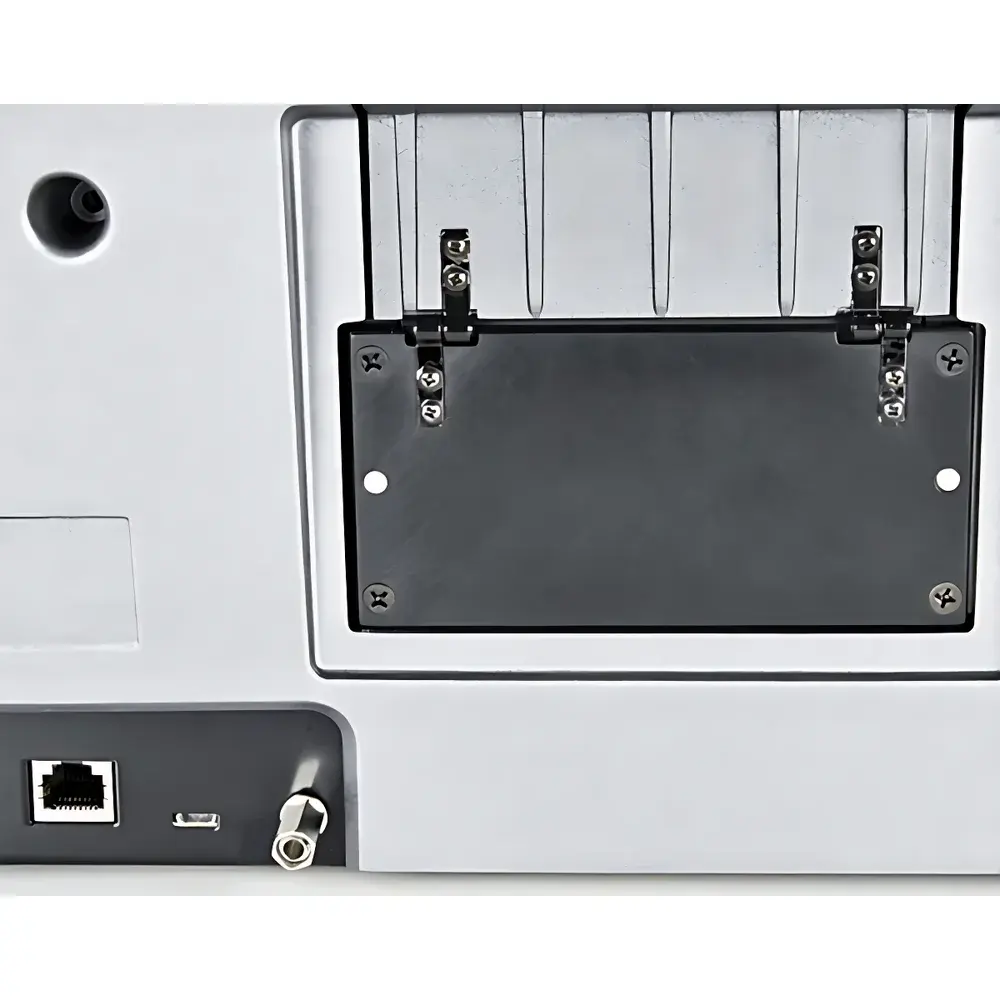
Yes—it provides OPC UA and RESTful API interfaces for bidirectional integration with major LIMS platforms (e.g., LabWare, Thermo SampleManager, STARLIMS), including auto-population of test results and instrument status telemetry.





