
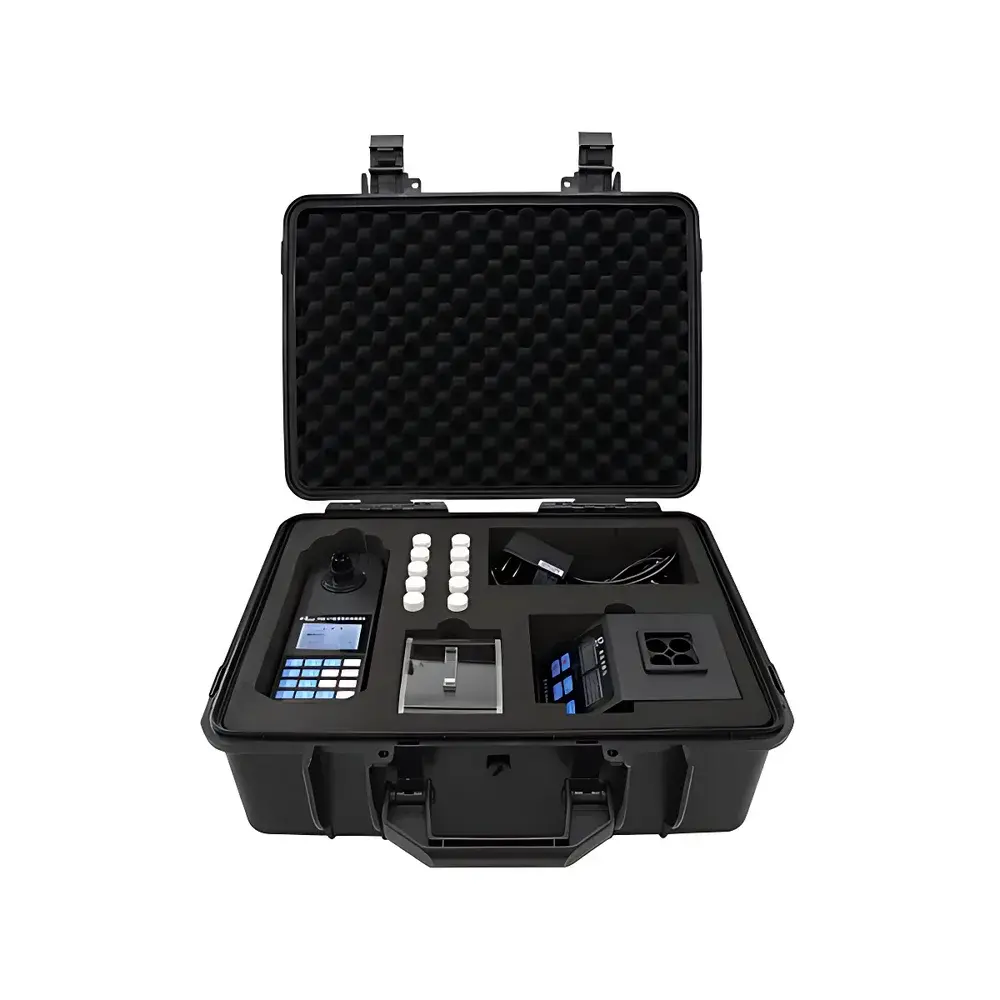
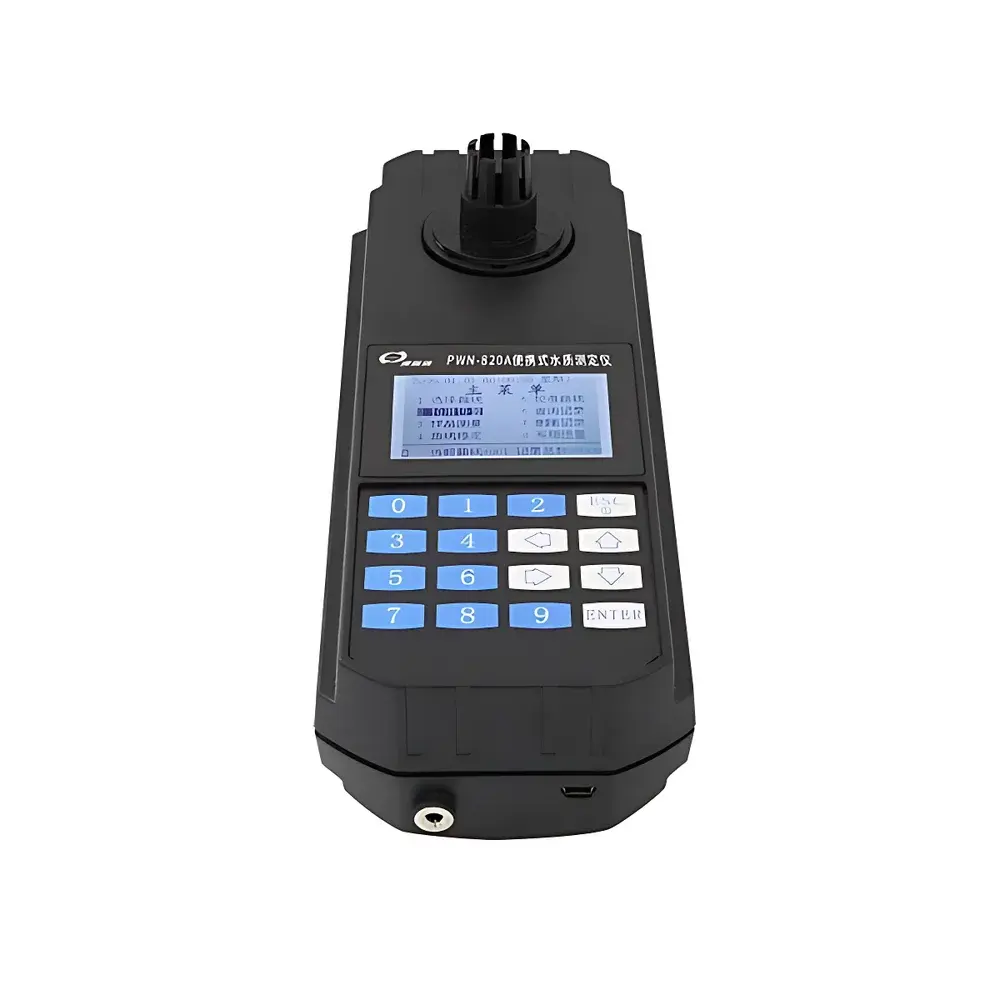
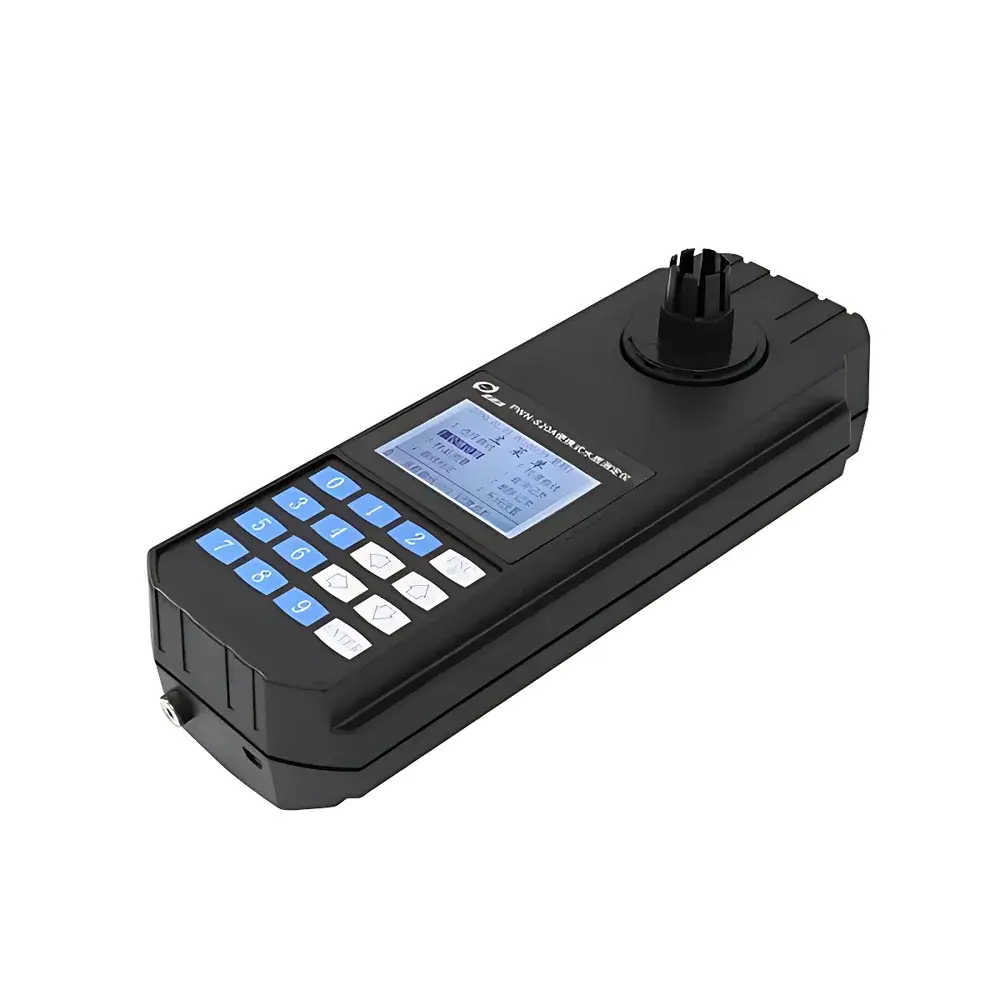
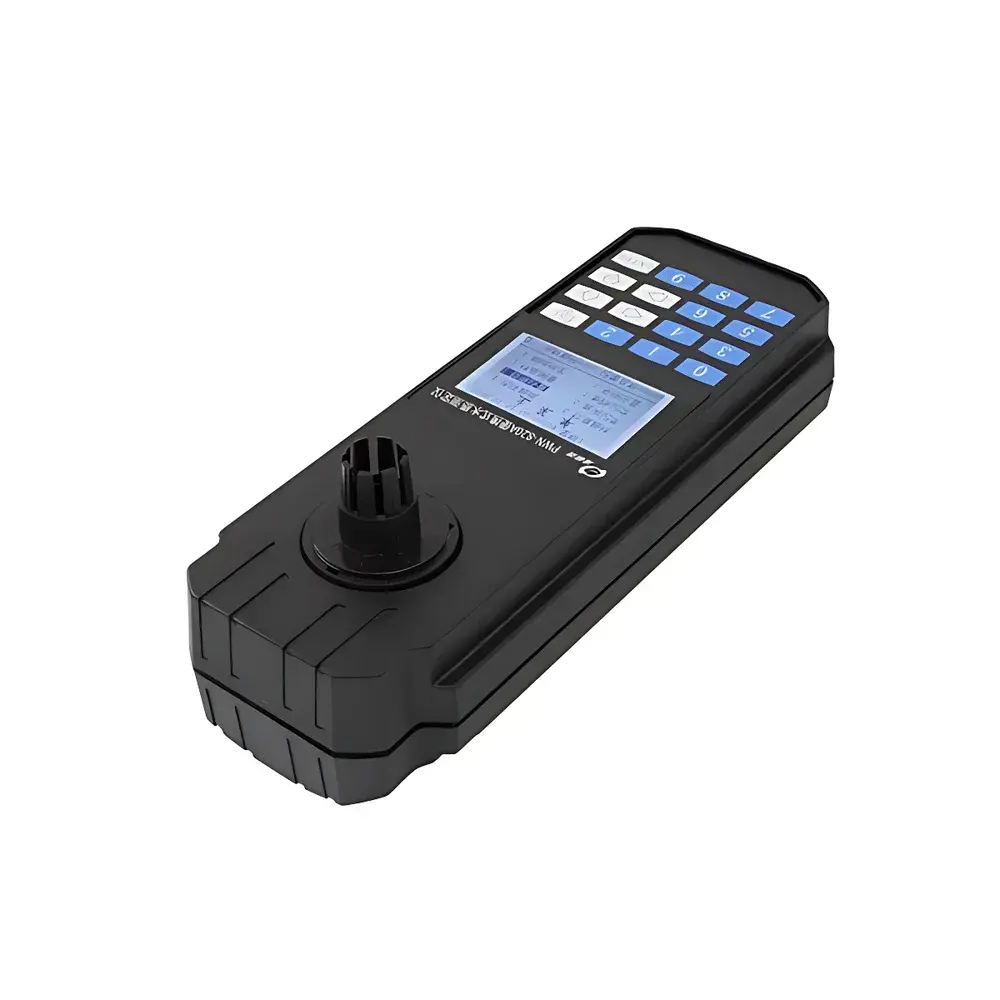
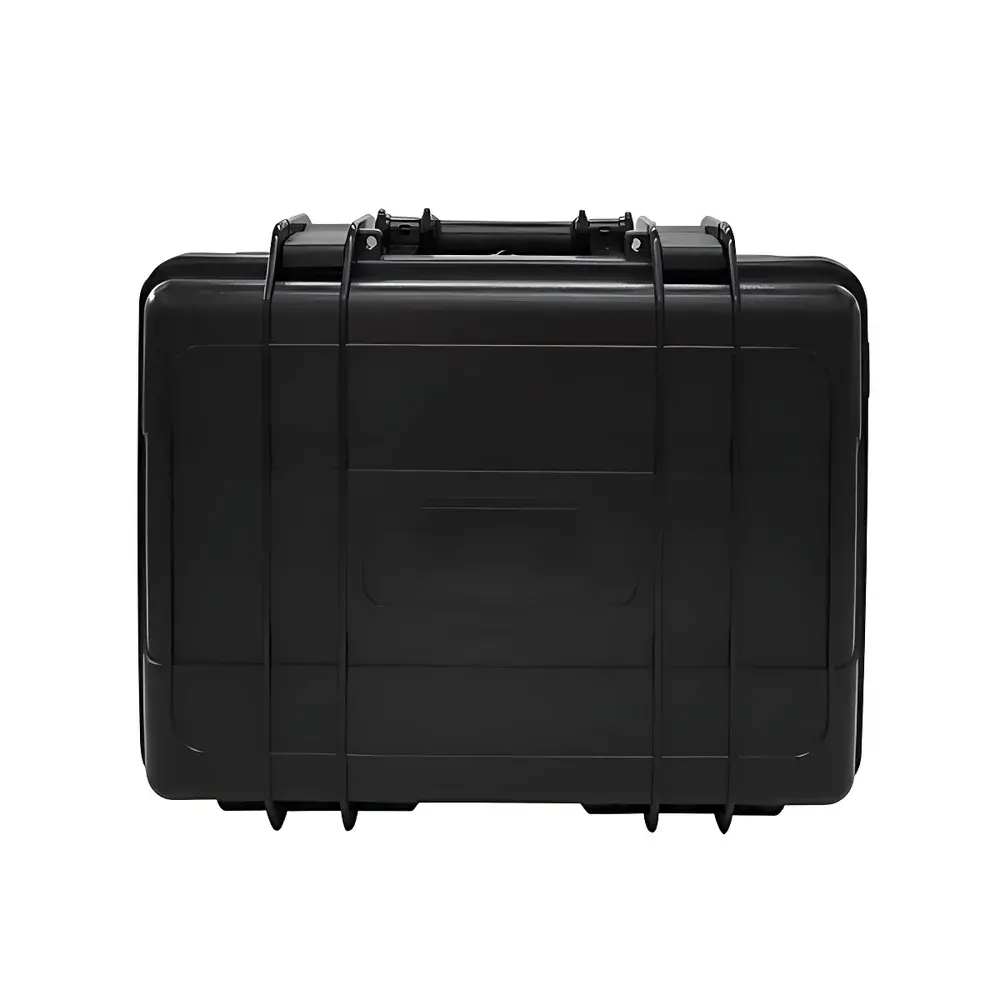
Shenchanghong PWN-820A Portable COD and Ammonia-N Analyzer
| Brand | Shenchanghong |
|---|---|
| Origin | Guangdong, China |
| Manufacturer Type | Direct Manufacturer |
| Country of Origin | China |
| Model | PWN-820A |
| Instrument Type | Portable |
| Measurement Principle | UV-Vis Absorption Spectrophotometry (Dual-Wavelength) |
| Wavelengths | 610 nm (COD), 420 nm (Ammonia-N) |
| COD Range | 0–2000 mg/L (dilutable to 5 mg/L) |
| Ammonia-N Range | 0.02–25 mg/L |
| Accuracy | ≤ ±5% for COD |
| Repeatability | ≤ ±3% |
| Detection Limit | 0.1 mg/L (COD), 0.02 mg/L (Ammonia-N) |
| Measurement Time | ≤ 20 min per batch |
| Batch Capacity | 10 samples |
| Optical Stability | Drift < 0.002 A within 20 min |
| Chloride Interference Tolerance | ≤ 2000 mg/L (for COD) |
| Dimensions (Analyzer) | 80 × 230 × 55 mm |
| Dimensions (Digester) | 105 × 160 × 90 mm |
| Weight | 500 g (analyzer only) |
| Protection Rating | IP65 |
| Power | Rechargeable Li-ion battery (6-month standby) |
| Data Storage | 199 measurement records with timestamp (YYYY-MM-DD hh:mm:ss), absorbance & transmittance values |
| Interface | USB port for data export and PC connectivity |
| Housing Material | Molded ABS polymer |
Overview
The Shenchanghong PWN-820A Portable COD and Ammonia-N Analyzer is a field-deployable dual-parameter spectrophotometric instrument engineered for rapid, on-site assessment of chemical oxygen demand (COD) and ammonia nitrogen (NH₃-N) in surface water, wastewater, drinking water sources, and environmental monitoring stations. It operates on the principle of wavelength-specific absorption photometry: COD is quantified at 610 nm following dichromate digestion under acidic conditions, while ammonia-nitrogen is determined at 420 nm using the Nesslerization method (or salicylate-based colorimetry, depending on reagent formulation). The system integrates a dedicated 4-position digital digester with independent PID temperature control and timing logic—ensuring consistent thermal treatment across samples without cross-interference with optical measurement. Its compact form factor (500 g total analyzer mass), IP65-rated ABS enclosure, and ultra-low-power 16-bit microcontroller architecture enable reliable operation in humid, dusty, or mobile environments—including riverbanks, municipal pumping stations, industrial effluent outfalls, and emergency response scenarios.
Key Features
- Dual-wavelength optical system with cold LED light source and narrow-band interference filters, delivering long-term photometric stability (absorbance drift < 0.002 A over 20 minutes)
- Independent 4-hole digester unit with precision PID-controlled heating (range: ambient to 165 °C) and automatic countdown timer—eliminating thermal crosstalk during spectral acquisition
- On-board data management supporting up to 30 user-defined calibration curves and 199 timestamped measurement records (including absorbance, transmittance, concentration, and full ISO 8601 timestamps)
- USB interface compliant with standard CDC/ACM protocols for direct data transfer to Windows/Linux systems; compatible with CSV export and third-party LIMS integration
- Battery-powered operation with >6 months standby life and integrated low-power mode; includes universal AC/DC adapter (220 V input / 12 V output)
- Robust mechanical design: injection-molded ABS housing, sealed keypad, and corrosion-resistant internal optics—certified to IP65 ingress protection standards
- Chloride interference mitigation up to 2000 mg/L for COD analysis, enabling accurate measurements in saline or coastal wastewater matrices
Sample Compatibility & Compliance
The PWN-820A accommodates standard 16 mm outer-diameter glass or quartz digestion tubes (supplied as 20× disposable/reusable cuvettes) and supports both unfiltered and filtered aqueous samples per ISO 6060 (COD) and ISO 7150-1 (ammonia-nitrogen). Sample volumes are standardized at 2.5 mL for digestion and 1.0 mL for colorimetric readout. The instrument’s methodology aligns with core elements of APHA Standard Methods 5220B (COD) and 4500-NH₃ F/G (ammonia), and its data integrity framework—including timestamped storage, non-volatile memory, and protected calibration parameters—supports GLP-compliant field documentation. While not certified to FDA 21 CFR Part 11, its audit-ready record structure satisfies internal QA/QC requirements for environmental laboratories operating under ISO/IEC 17025:2017 Annex A.2 traceability provisions.
Software & Data Management
No proprietary software installation is required: raw data export occurs via standard USB mass-storage emulation or CDC serial mode. Each stored record contains concentration (mg/L), measured absorbance (A), transmittance (%T), calibration curve ID, operator ID (user-configurable), and full timestamp (year, month, day, hour, minute, second). Internal memory retains all entries through power cycles; data loss prevention logic ensures write confirmation prior to buffer flush. Calibration curves may be imported/exported as plain-text .CSV files, facilitating traceable method validation and inter-instrument consistency checks. Firmware updates are delivered via signed binary packages over USB, preserving cryptographic integrity of embedded algorithms.
Applications
- Routine surveillance of municipal wastewater treatment plant influent/effluent streams
- Field verification of industrial discharge compliance against local environmental permits (e.g., China’s GB 8978-1996, EU Urban Wastewater Treatment Directive Annex I)
- Emergency spill response—rapid triage of organic load and nitrogen toxicity in receiving waters
- Research-grade longitudinal studies in limnology and hydrology where portability and reproducibility are prioritized over laboratory-grade throughput
- Educational use in environmental engineering labs requiring hands-on exposure to standardized wet-chemistry analytical workflows
FAQ
Does the PWN-820A require external lab calibration before first use?
No—factory-calibrated with NIST-traceable reference standards; however, users must perform initial verification using certified check standards per ISO/IEC 17025 clause 7.7.
Can the instrument measure COD and ammonia-N simultaneously in one sample?
No—sequential analysis is required: COD digestion (15–20 min at 165 °C) must be completed before ammonia-N determination, which uses a separate reagent set and shorter reaction time (10 min at room temperature).
Is the 4-hole digester compatible with alternative tube formats?
It accepts only 16 mm OD round-bottom digestion tubes conforming to DIN 12775 specifications; non-standard diameters or flat-bottom designs will compromise thermal uniformity and safety.
How is data security maintained during USB transfer?
Data export is read-only; no firmware or calibration parameters can be modified via USB—preventing accidental configuration changes in shared-use environments.
What maintenance intervals are recommended for optical components?
Annual inspection of LED intensity and filter transmission is advised; cleaning limited to lint-free swabs with isopropanol—no disassembly of optical module required under normal operating conditions.







