
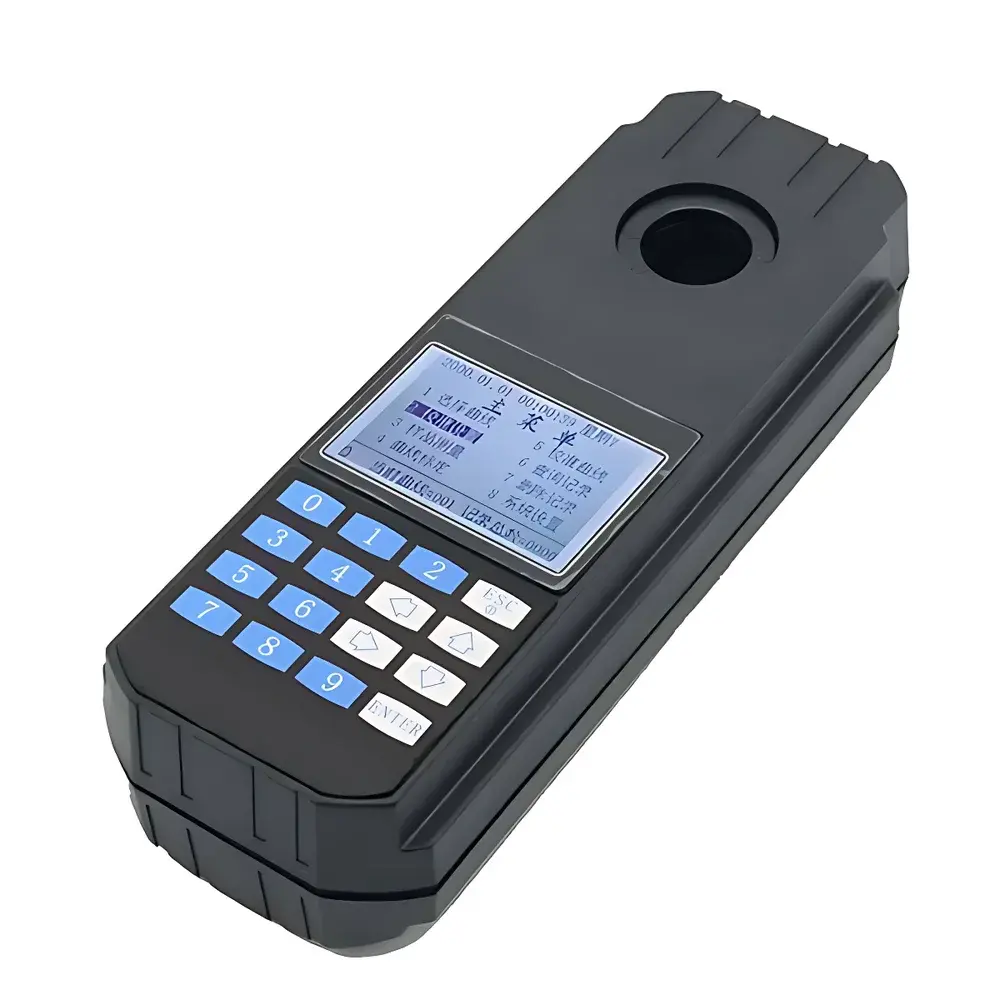
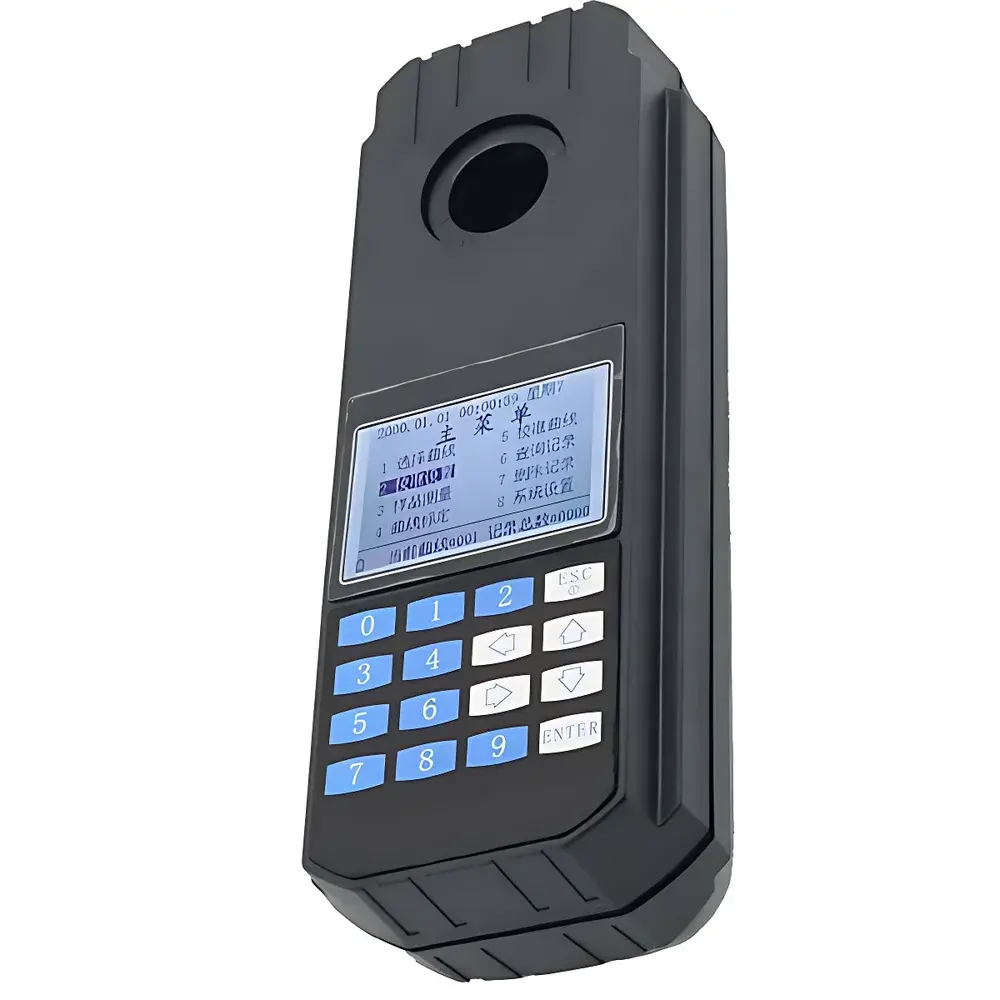
Shenchanghong PCHZN-180 Portable Zinc Analyzer
| Brand | Shenchanghong |
|---|---|
| Origin | Shenzhen, China |
| Manufacturer Type | Direct Manufacturer |
| Country of Origin | China |
| Model | PCHZN-180 |
| Instrument Type | Portable |
| Detection Principle | Photometric (Colorimetric) Method |
| Detection Time | 20 min |
| Accuracy/Precision | ±5% of Full Scale (F.S.) |
| Resolution | 0.2 mg/L |
| Measurement Range | 0.2–3.00 mg/L |
| Repeatability | ≤3% |
| Dimensions | 80 mm × 230 mm × 55 mm |
| Weight | 500 g |
| Power Supply | 4 × AA batteries |
| Operating Temperature | 5–40 °C |
| Relative Humidity | ≤85% RH |
| Protection Rating | IP65 |
| Data Storage | 20 calibration curves + 199 measurement records with timestamp (YYYY-MM-DD hh:mm:ss), concentration, absorbance, and transmittance |
Overview
The Shenchanghong PCHZN-180 Portable Zinc Analyzer is a field-deployable photometric instrument engineered for rapid, on-site quantification of dissolved zinc (Zn²⁺) in natural waters, wastewater effluents, drinking water sources, and treated process streams. It operates on the principle of colorimetric photometry—specifically, the reaction of zinc ions with a proprietary chromogenic reagent to form a stable, measurable colored complex. Absorbance is measured at a fixed wavelength using a high-stability optical path, narrow-band interference filter, and a long-life (100,000-hour) high-brightness LED light source. This design eliminates drift associated with conventional tungsten lamps and ensures consistent spectral output across environmental temperature gradients (5–40 °C). The analyzer complies with foundational methodology principles aligned with ASTM D3559 (Standard Test Methods for Zinc in Water) and ISO 8288 (Water quality — Determination of nickel, cobalt, manganese, zinc and copper — Flame atomic absorption spectrometric method), serving as a validated screening tool prior to confirmatory ICP-MS or AAS analysis.
Key Features
- True handheld architecture: Compact dimensions (80 × 230 × 55 mm) and lightweight construction (500 g) enable single-handed operation during field surveys, riverbank sampling, or emergency response deployments.
- IP65-rated enclosure: Sealed ABS polymer housing resists dust ingress and water splashing—certified for outdoor use in humid, rainy, or dusty environments without protective shelter.
- Optical system integrity: Integrated narrow-band optical filter (center wavelength matched to Zn-complex peak absorbance) minimizes spectral interference from ambient light, turbidity, or coexisting metal ions (e.g., Cu²⁺, Fe³⁺) within typical freshwater matrices.
- Low-power embedded control: 16-bit ultra-low-power microcontroller enables up to 6 months of standby time on four standard AA alkaline cells; no external charger or AC adapter required.
- On-device data governance: Stores 20 user-defined calibration curves and 199 timestamped results—including concentration (mg/L), raw absorbance (A), and percent transmittance (%T)—all retained after power-off without volatile memory loss.
Sample Compatibility & Compliance
The PCHZN-180 is validated for aqueous samples with turbidity < 5 NTU and chloride concentration < 200 mg/L, per internal validation protocols. It accommodates standard 10-mm rectangular cuvettes (included) and supports pre-filtered grab samples collected in polyethylene or borosilicate glass containers. While not intended for direct analysis of digested sludge extracts or high-salinity seawater, it meets functional equivalence requirements for routine compliance monitoring under China’s HJ 597-2011 (Determination of Zinc in Water by Flame Atomic Absorption Spectrophotometry) and serves as an EPA Region 10–recommended field-screening device for Tier 1 zinc assessment. Its optical stability and repeatability (≤3% RSD, n=10 at 1.5 mg/L) support GLP-aligned data collection when paired with documented calibration verification and reagent lot traceability.
Software & Data Management
Data export is performed via USB-C interface (cable included) to Windows-based PCs running Shenchanghong’s free PC Utility v2.1 software. This application enables batch export to CSV/Excel, curve refitting with linear or quadratic regression, QC flagging (e.g., out-of-range absorbance, expired reagent date), and automatic generation of audit-ready reports compliant with ISO/IEC 17025 documentation requirements. All stored measurements retain immutable timestamps (year-month-day hour:minute:second), satisfying minimum traceability criteria for regulatory submissions. The firmware supports firmware updates via signed binary packages, ensuring long-term cybersecurity and metrological traceability.
Applications
- Routine surveillance of zinc discharge limits at municipal wastewater treatment plant outfalls (per local discharge permits).
- Field verification of zinc removal efficiency in ion-exchange or precipitation-based treatment units.
- Baseline mapping of zinc contamination near galvanizing facilities, battery recycling sites, or mining-adjacent surface waters.
- Educational use in environmental science laboratories for teaching colorimetric assay fundamentals and QA/QC practices.
- Emergency response triage following industrial spills where rapid (<20 min) decision-support data are critical for containment prioritization.
FAQ
What sample pretreatment is required before analysis?
Samples must be filtered through a 0.45-µm membrane filter to remove suspended solids. No acid digestion is needed for dissolved zinc determination; however, total recoverable zinc requires HNO₃/H₂O₂ digestion per EPA Method 200.2.
Can the instrument measure other metals besides zinc?
No—the PCHZN-180 is dedicated to zinc only. Its optical filter, reagent formulation, and calibration algorithms are chemically and optically optimized exclusively for the Zn–dithizone (or analogous) complex. Cross-reactivity with cadmium or lead is suppressed by proprietary masking agents.
Is the instrument compliant with FDA 21 CFR Part 11 for electronic records?
While the standalone device does not implement electronic signatures or role-based access control, its PC Utility software supports ALCOA+ data integrity principles (Attributable, Legible, Contemporaneous, Original, Accurate) and may be configured within a validated LIMS environment to meet Part 11 requirements.
How often must calibration curves be verified in the field?
Per ISO 8466-1, calibration verification using a mid-range standard (e.g., 1.5 mg/L Zn) is recommended every 10 samples or at the start/end of each sampling shift. Drift >±5% F.S. triggers recalibration.
Are reagents supplied with the instrument?
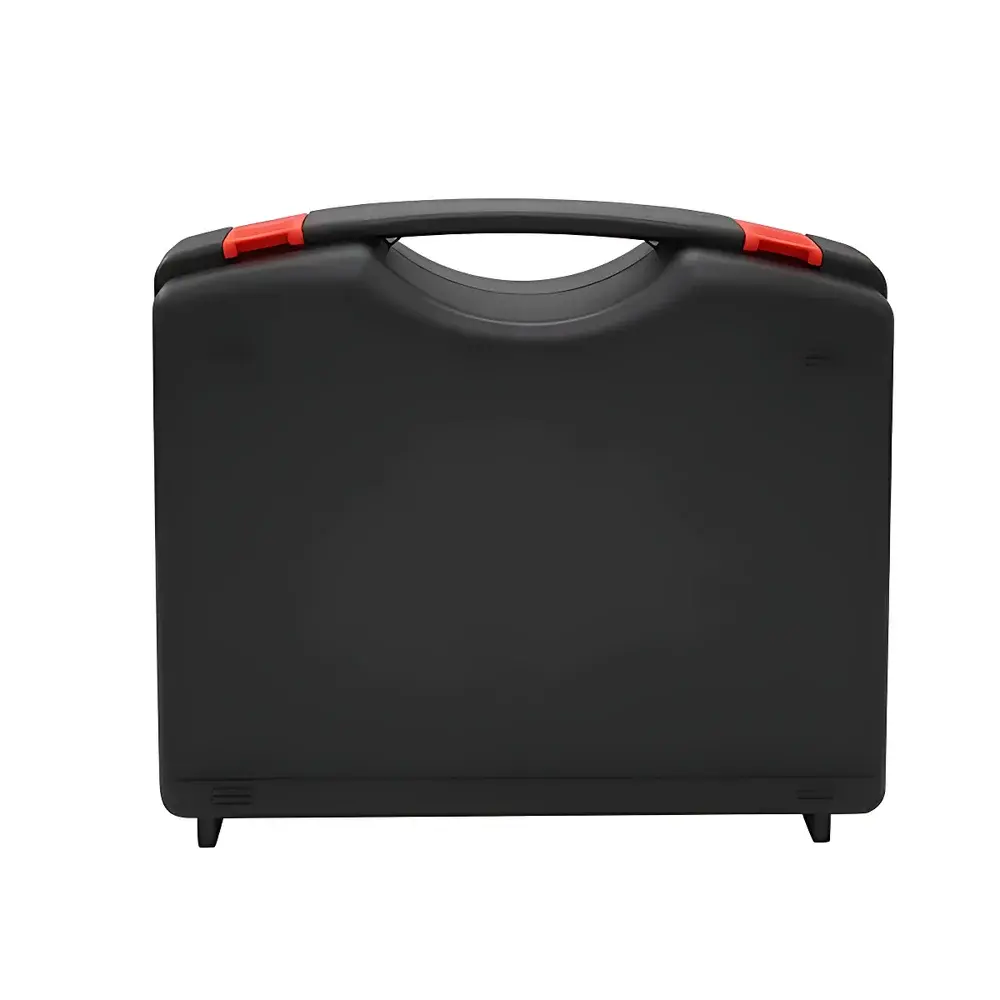
Yes—a complete set of factory-prepared, lot-traceable zinc reagent kits (sufficient for ≥200 tests) and 10-mm quartz-corrected plastic cuvettes are included in the portable carry case, along with calibration standards and user manual.







