
TAITEC BR-22FP·MR Compact Temperature-Controlled Orbital Shaker Incubator
| Brand | TAITEC |
|---|---|
| Origin | Japan |
| Model | BR-22FP·MR |
| Instrument Type | Air-Jacketed Temperature-Controlled Orbital Shaker |
| Timer Range | 0–99 h 59 min |
| Oscillation Speed | 20–300 rpm |
| Amplitude | 25 mm |
| Temperature Range | +15°C to +60°C |
| Capacity | 6 × 500 mL Erlenmeyer flasks |
| Cooling Method | Peltier (4 × 70 W) |
| Heating Method | Peltier |
| Temperature Control Accuracy | ±0.2°C |
| Oscillation Mode | Orbital |
| Chamber Dimensions (W×D×H) | 290 × 250 × 270 mm (internal height) |
| Max Load | ~3.5 kg (including platform and fixtures) |
| Power Supply | AC 100 V, 5 A |
| Net Weight | ~49 kg |
Overview
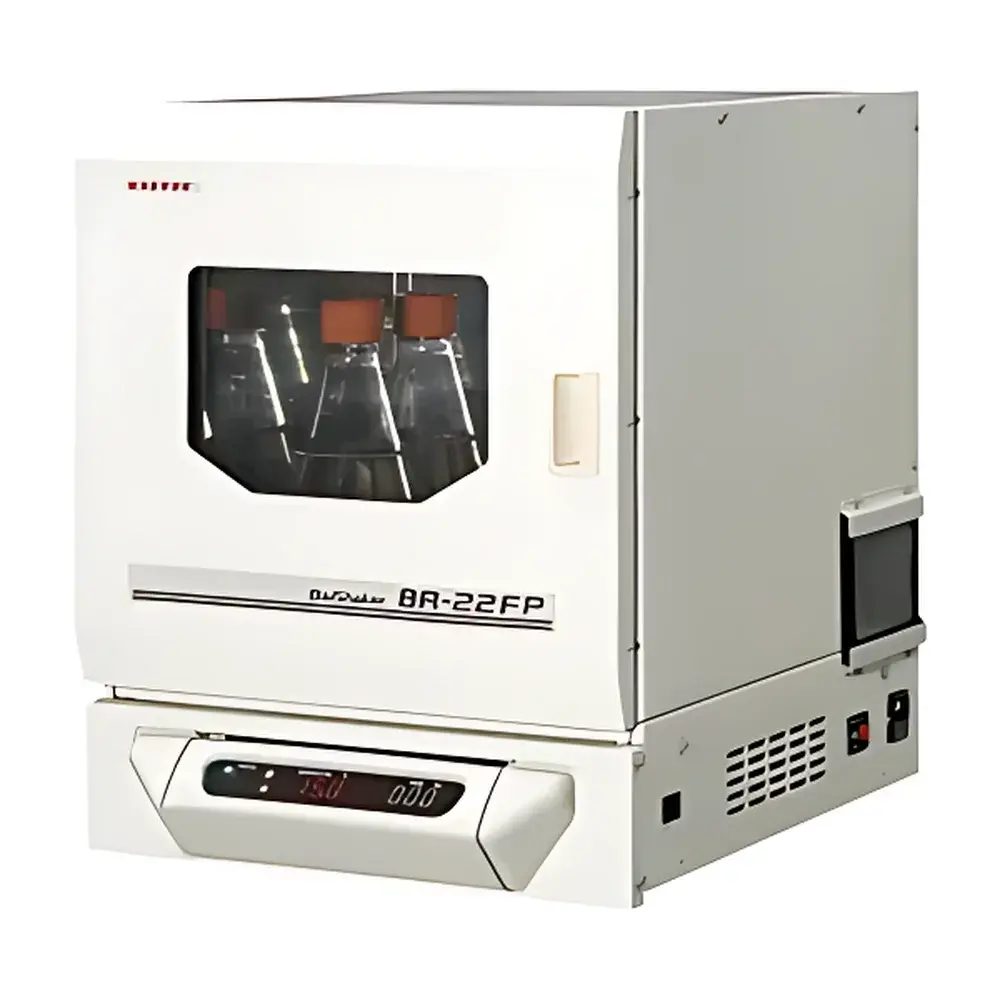
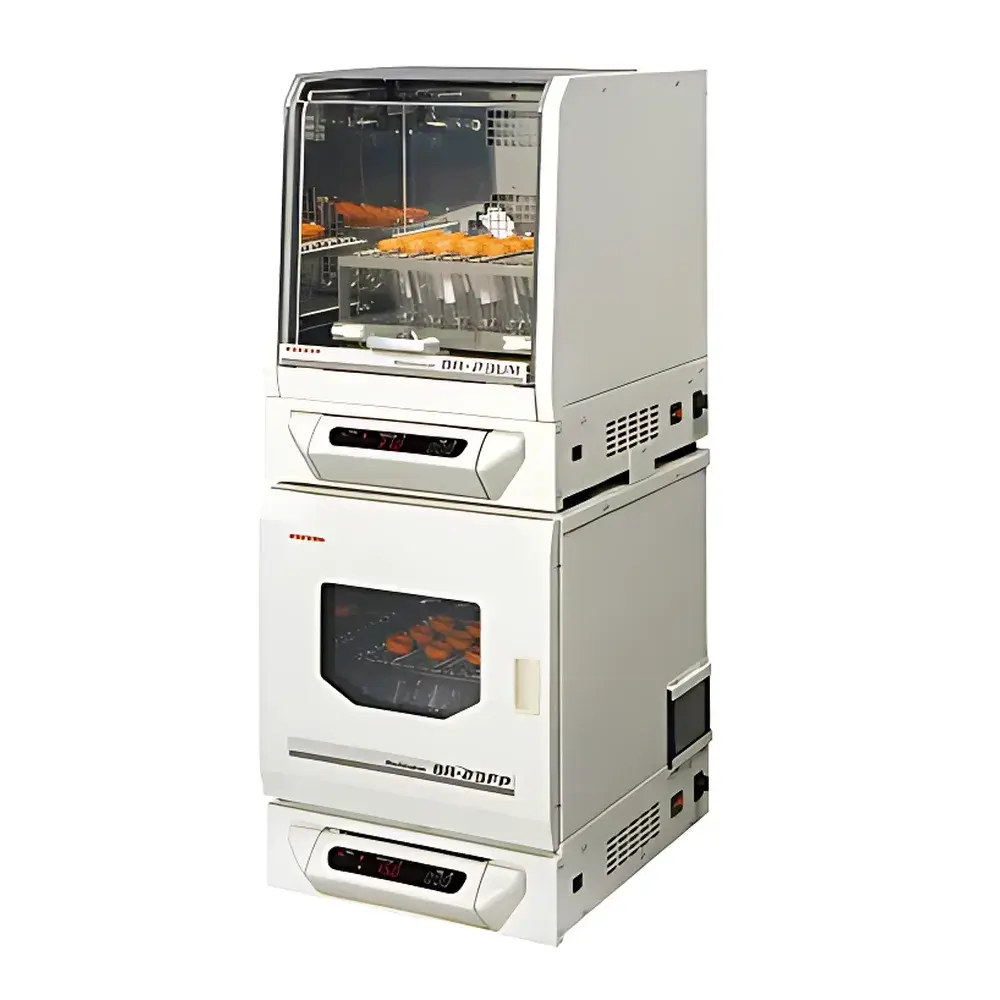
The TAITEC BR-22FP·MR is a compact, high-precision orbital shaker incubator engineered for reproducible microbial and cell culture under tightly controlled thermal and mechanical conditions. Designed for benchtop use in academic, pharmaceutical, and industrial life science laboratories, it employs a dual-mode Peltier thermoelectric system—capable of both heating and active cooling—to maintain stable setpoint temperatures from +15°C to +60°C with ±0.2°C accuracy. Its orbital oscillation mechanism ensures uniform mixing and enhanced oxygen transfer in liquid cultures, critical for aerobic growth of Escherichia coli, yeast, insect cells, and other suspension-based biological systems. The unit’s low-profile footprint (437 × 585 × 545 mm) and front-access door configuration enable seamless integration into space-constrained environments—including under-bench installations—while its stackable architecture (with optional STB-4842 base) supports vertical lab space optimization without compromising airflow or thermal homogeneity.
Key Features
- Orbital shaking mode with speed range of 20–300 rpm and fixed 25 mm amplitude—optimized for consistent suspension and gas exchange in microbiological and cell culture applications.
- Peltier-based temperature control (no compressor or refrigerant) delivers rapid thermal response, energy efficiency, and silent operation—ideal for shared core facilities and noise-sensitive environments.
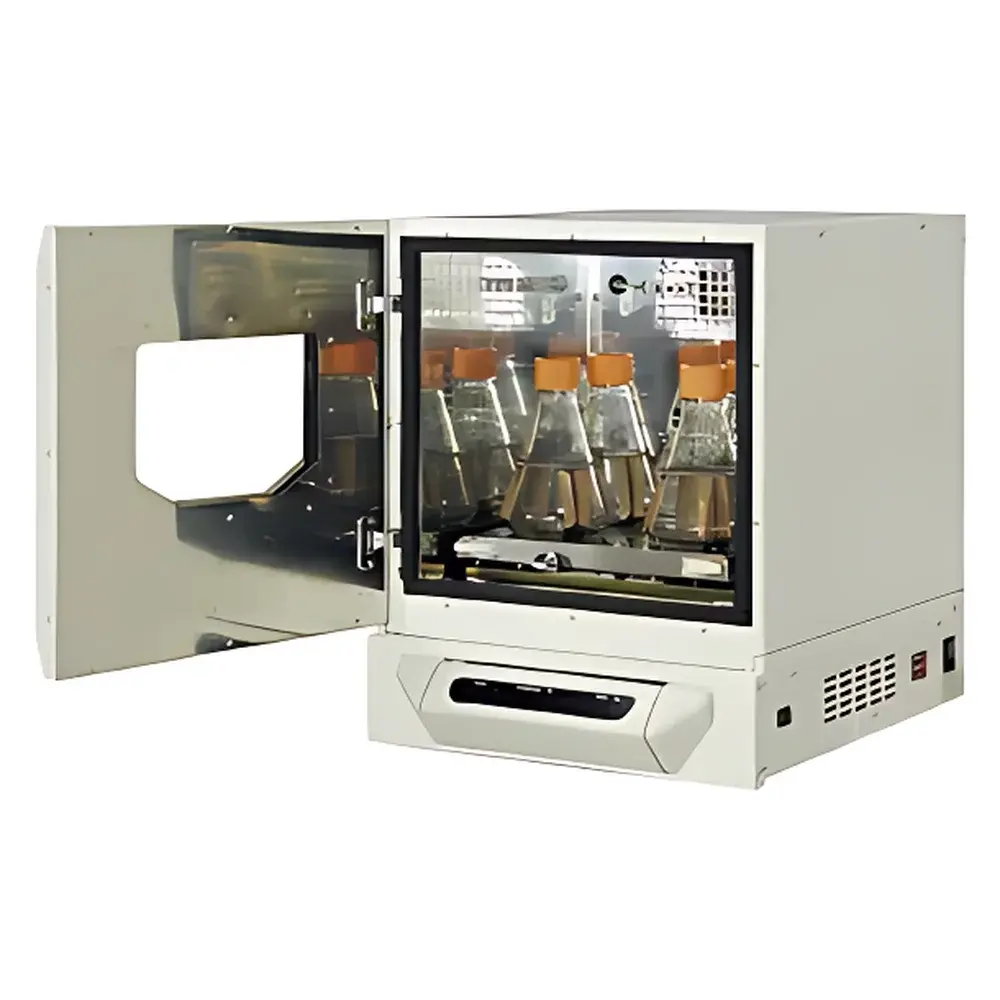
- Front-opening left-hinged door with high-insulation transparent acrylic panel enables unobstructed visual monitoring and ergonomic access without disrupting adjacent equipment.
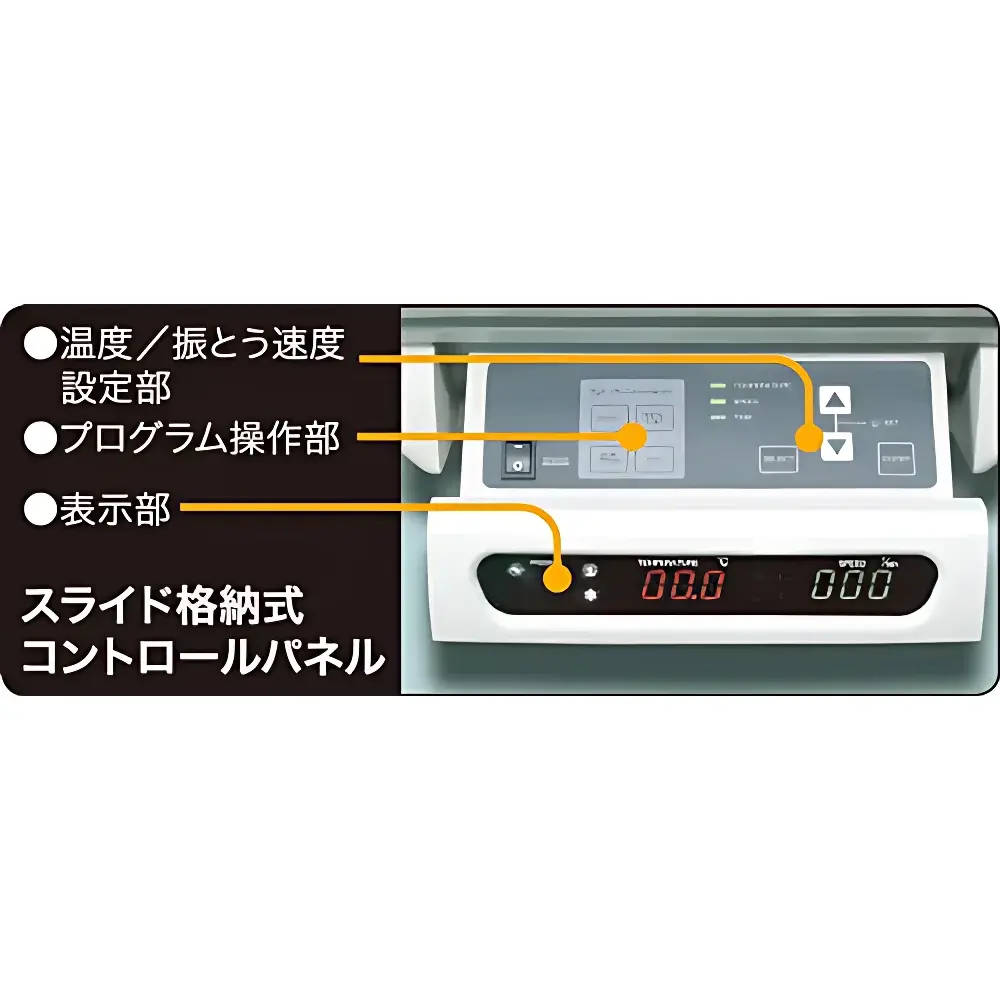
- Retractable digital control panel minimizes protrusion, reduces contamination risk, and simplifies cleaning—designed for GLP-compliant workflows.
- Multi-segment programmable timer (00:00–99:59 h:min) with independent temperature, speed, and duration settings per segment; includes temperature ramping functionality for gradual thermal transitions.
- Comprehensive safety suite: over-temperature/under-temperature alarms (user-definable thresholds), door-open detection, motor current limiting, sensor fault diagnostics, and built-in fuse and leakage protection.
Sample Compatibility & Compliance
The BR-22FP·MR accommodates standard laboratory vessels via interchangeable platforms—including MR-2925 spring-grid, SR-2925 adhesive film, and MT-2925 claw-type fixtures—supporting tubes (φ12–16 mm), centrifuge tubes (15–50 mL), and Erlenmeyer flasks (50–2000 mL). With a maximum load capacity of 3.5 kg and internal chamber dimensions of 290 × 250 × 270 mm, it reliably hosts up to six 500 mL flasks at 300 rpm (recommended ≤200 rpm when stacked). The unit complies with IEC 61010-1:2010 for laboratory electrical safety and meets electromagnetic compatibility requirements per CISPR 11. Its Peltier-only thermal architecture eliminates hydrofluorocarbon (HFC) refrigerants, aligning with EU F-Gas Regulation (EU No 517/2014) and supporting sustainability-focused procurement policies.
Software & Data Management
While the BR-22FP·MR operates via an embedded microcontroller interface (no external PC dependency), its programmable logic supports full audit trail generation for time-stamped temperature and speed profiles—enabling traceability in regulated environments. All parameter changes, alarm events, and runtime logs are retained in non-volatile memory and accessible via on-screen display. Optional integration with TAITEC’s OD-Monitor series (via analog output or RS-485 interface) allows real-time optical density tracking synchronized with shaker parameters—facilitating kinetic growth studies compliant with FDA 21 CFR Part 11 when paired with validated third-party LIMS or ELN systems.
Applications
- Microbial cultivation: High-yield batch culture of E. coli, Bacillus subtilis, and other mesophilic bacteria requiring precise aeration and thermal stability.
- Eukaryotic cell expansion: Suspension culture of Sf9, Sf21, and Drosophila S2 cells under controlled orbital agitation and mid-range temperature conditions.
- Enzyme expression and protein solubilization: Enhanced dissolution kinetics for inclusion body refolding or membrane protein extraction protocols.
- Bioprocess development: Small-scale parameter screening (temperature, rpm, duration) prior to scale-up in bioreactors—consistent with ASTM E2500-21 guidance for equipment qualification.
- Quality control testing: Routine sterility assurance, media performance validation, and environmental isolate propagation in ISO 13485-certified labs.
FAQ
What is the maximum recommended oscillation speed when stacking two units?
When stacked using the STB-4842 base, the upper unit must be operated at ≤200 rpm to ensure mechanical stability and minimize inter-unit vibration coupling.
Can the BR-22FP·MR cool below ambient temperature?
Yes—it achieves active cooling down to +15°C (minimum setpoint) using its quad-Peltier module, independent of room temperature fluctuations within the specified operating range (+5°C to +35°C).
Is the unit suitable for GMP-regulated environments?
It supports GMP-aligned workflows through programmable event logging, user-accessible calibration verification points, and hardware-level safety interlocks—but requires site-specific IQ/OQ/PQ validation per Annex 15 and USP /.
Which platform is recommended for 500 mL Erlenmeyer flasks?
The MT-2925 claw-type platform with CF-0500 clamps provides optimal stability at speeds up to 300 rpm; spring-grid (MR-2925) is acceptable for lower-speed applications (<150 rpm).
Does the unit support remote monitoring or network connectivity?
No native Ethernet or Wi-Fi capability is included; however, analog voltage outputs (0–5 V) for temperature and speed signals are available for integration with building management systems or custom SCADA interfaces.




