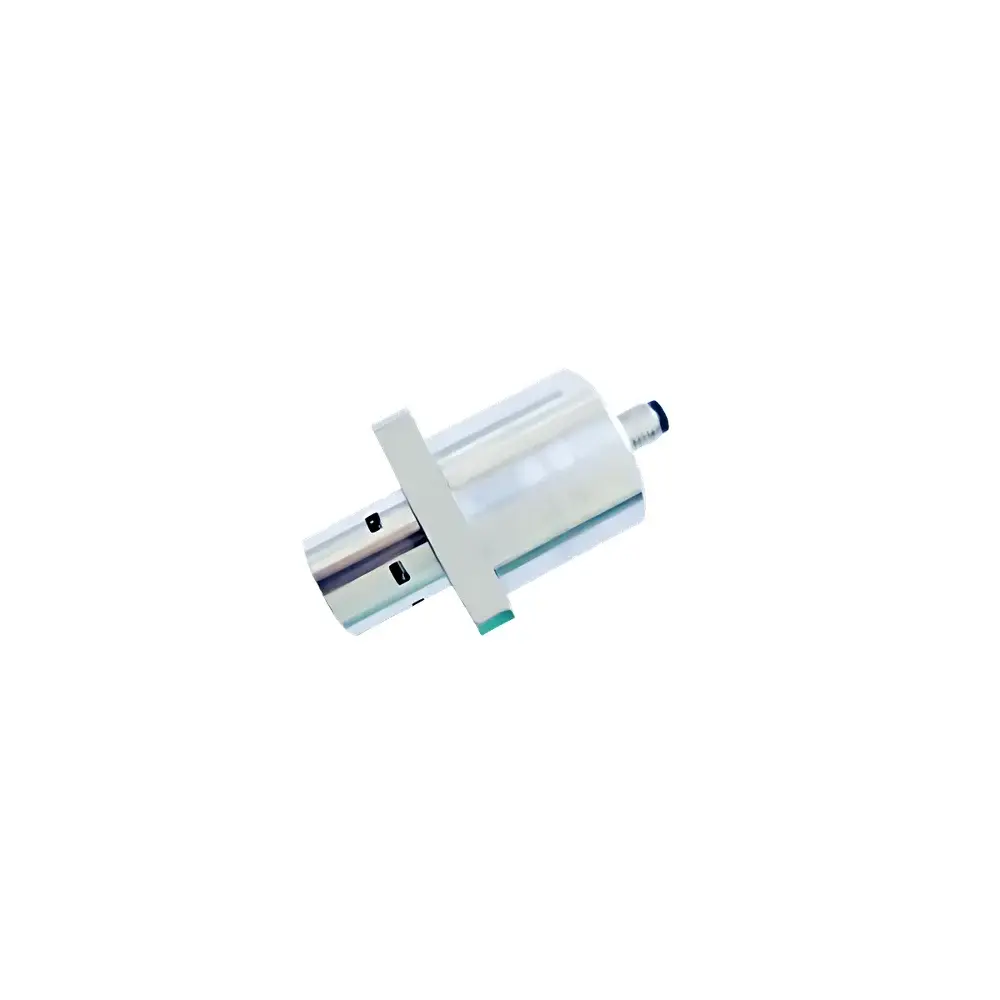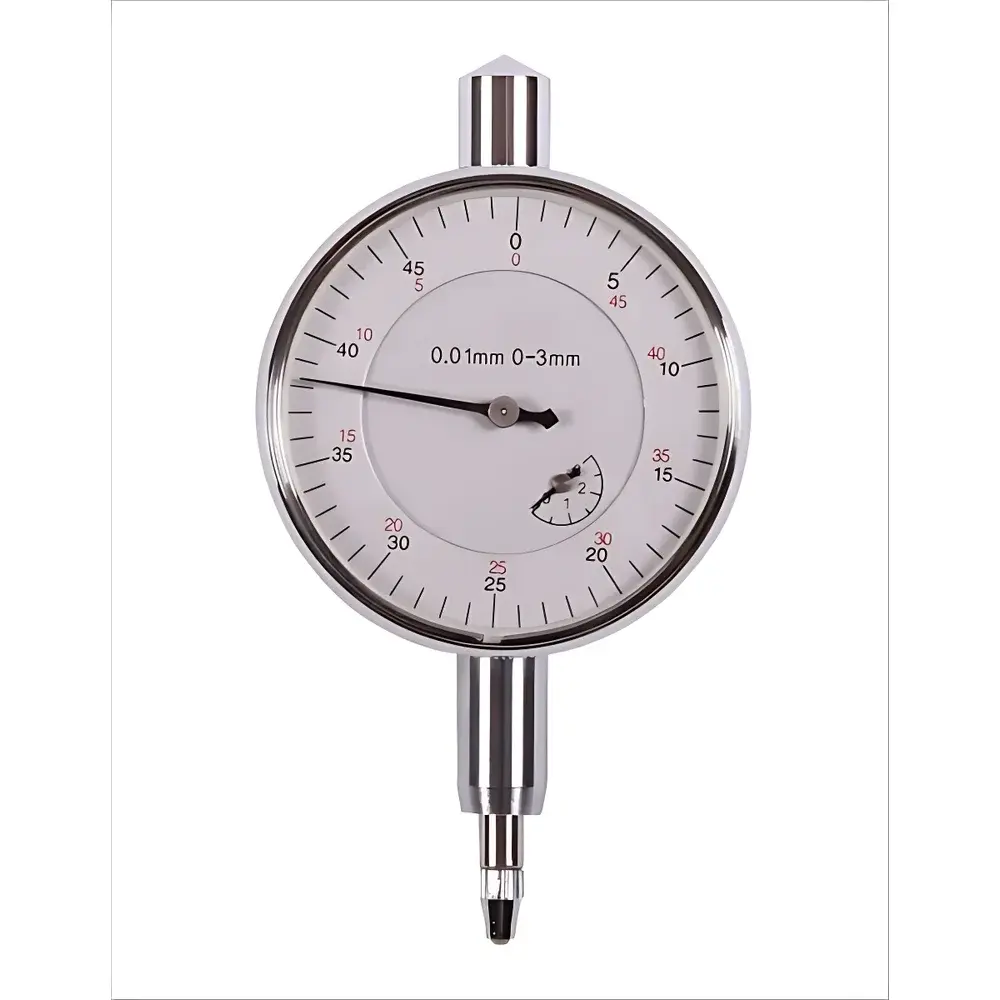
Shang Zun SN-PZD300 Cigarette Packaging Paper Flatness & Curl Measurement Instrument
| Brand | Shang Zun / SHANG ZHUN |
|---|---|
| Origin | Guangdong, China |
| Manufacturer Type | Authorized Distributor |
| Country of Origin | China |
| Model | SN-PZD300 |
| Measurement Volume | 500 × 500 × 300 mm |
| Resolution | 0.01 mm |
| Accuracy | ±0.1 mm |
Overview
The Shang Zun SN-PZD300 Cigarette Packaging Paper Flatness & Curl Measurement Instrument is a dedicated non-contact metrology system engineered for quantitative assessment of geometric deformation in tobacco packaging substrates—specifically cigarette carton board, wrap paper, and laminated label stock. It operates on the principle of structured-light profilometry combined with high-resolution digital image analysis to reconstruct the three-dimensional surface topography of flat or slightly curved paper-based materials. Unlike manual visual inspection or mechanical dial-gauge methods, the SN-PZD300 captures full-field height deviation data across the entire sample area (up to 500 mm × 500 mm), enabling objective quantification of both global planarity (flatness) and localized edge curl (warp, cockle, or curl radius). This measurement capability directly correlates with downstream performance in high-speed packaging lines, where dimensional instability leads to misfeeds, registration errors, glue adhesion failure, or rejection at final inspection stations.
Key Features
- Full-field 3D surface profiling using calibrated structured-light projection and CMOS imaging, delivering spatially resolved height maps with 0.01 mm resolution
- Automated calculation of ISO-compliant flatness parameters: maximum deviation from least-squares plane, total indicator reading (TIR), and root-mean-square (RMS) flatness error
- Dedicated curl analysis module that computes edge lift height, curl radius, and directional asymmetry—critical for predicting foldability and sealing behavior
- Measurement volume of 500 × 500 × 300 mm accommodates standard carton blanks, pre-cut labels, and full-size printed sheets without trimming
- Integrated environmental compensation for ambient temperature fluctuations (20–25 °C operating range) to maintain metrological stability
- Robust industrial-grade enclosure with ESD-safe handling surfaces and vibration-damped optical baseplate for laboratory and QC floor deployment
Sample Compatibility & Compliance
The SN-PZD300 is validated for use with coated and uncoated paperboard (180–450 g/m²), metallized films, foil-laminated substrates, and UV-varnished label stocks commonly employed in premium cigarette packaging. Sample thickness ranges from 0.15 mm to 1.2 mm; surface reflectivity thresholds are optimized for matte, semi-gloss, and gloss finishes without requiring spray coating. All measurement algorithms conform to the geometric tolerancing framework defined in ISO 1101 (Geometrical Product Specifications) and align with internal quality protocols used by major tobacco OEMs. Data output formats comply with ISO/IEC 17025 documentation requirements for accredited testing laboratories, supporting traceable calibration records and uncertainty budgets per GUM (Guide to the Expression of Uncertainty in Measurement).
Software & Data Management
The instrument is operated via Shang Zun’s proprietary FlatScan v3.2 software, a Windows-based application designed for regulated environments. It supports audit-trail logging compliant with FDA 21 CFR Part 11 (electronic signatures, user access levels, immutable event history), and generates PDF reports with embedded metadata—including operator ID, calibration certificate ID, environmental conditions, and raw point-cloud export (.xyz format). Batch processing mode enables automated evaluation of up to 99 samples per session with pass/fail thresholding against configurable limits (e.g., max curl height ≤ 0.35 mm, flatness TIR ≤ 0.8 mm). Export options include CSV (for SPC integration), XML (for LIMS ingestion), and DICOM-compatible surface mesh files for cross-platform CAE analysis.
Applications
- Pre-release qualification of carton board suppliers against OEM flatness specifications (e.g., Philip Morris International PMI-STD-128, Japan Tobacco JT-SPEC-77)
- In-process monitoring of coating, drying, and calendering effects on dimensional stability during paper manufacturing
- Root-cause analysis of packaging line jams linked to substrate warpage or edge curl
- Comparative evaluation of humidity-conditioning protocols (e.g., ISO 187 preconditioning at 23 °C / 50% RH vs. 30 °C / 70% RH)
- Supporting GLP-compliant stability studies for new packaging material formulations under accelerated aging conditions
FAQ
What standards does the SN-PZD300 reference for flatness definition and reporting?
It implements definitions from ISO 1101 (flatness as distance between two parallel planes enclosing the surface), ISO 534 (paper and board thickness measurement principles), and ASTM D726 (standard test method for curl of paper and paperboard).
Can the system measure curled samples placed freely on the stage, or must they be clamped?
Samples are placed freely on the granite reference stage; no clamping or vacuum fixation is required. The optical system compensates for minor gravitational sag via real-time gravity vector correction in the reconstruction algorithm.
Is calibration traceable to national metrology institutes?
Yes—each unit ships with a NIST-traceable calibration certificate for the 3D sensor array, verified annually using certified step-height artifacts (NPL UK reference standard P1024-01).
Does the software support multi-language UI and report generation?
FlatScan v3.2 includes English, Chinese, Spanish, and German language packs; report templates are fully customizable and support bilingual (EN/CN) output for global supply chain documentation.
What maintenance is required to sustain measurement accuracy over time?
Annual recalibration is recommended. Daily verification uses a built-in ceramic reference tile with certified flatness (≤0.05 µm TIR); optical path cleanliness is monitored via integrated LED intensity diagnostics.