
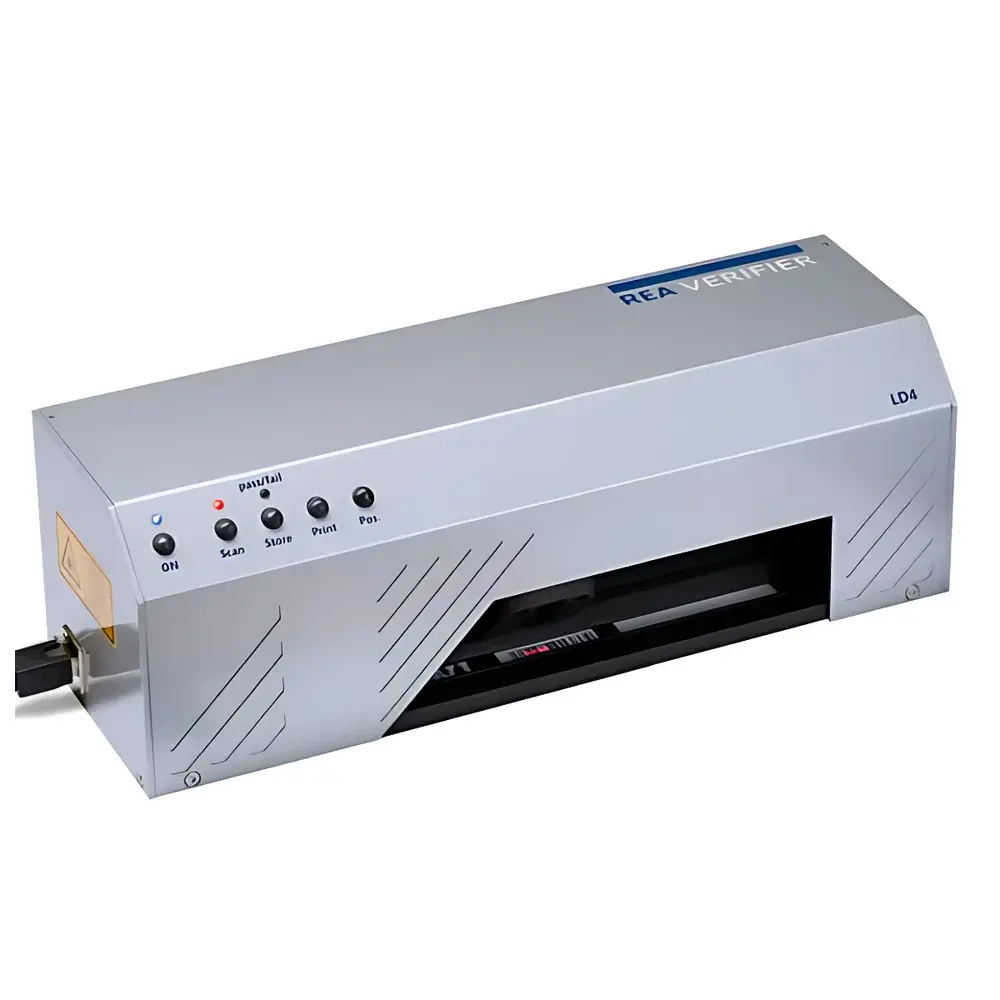
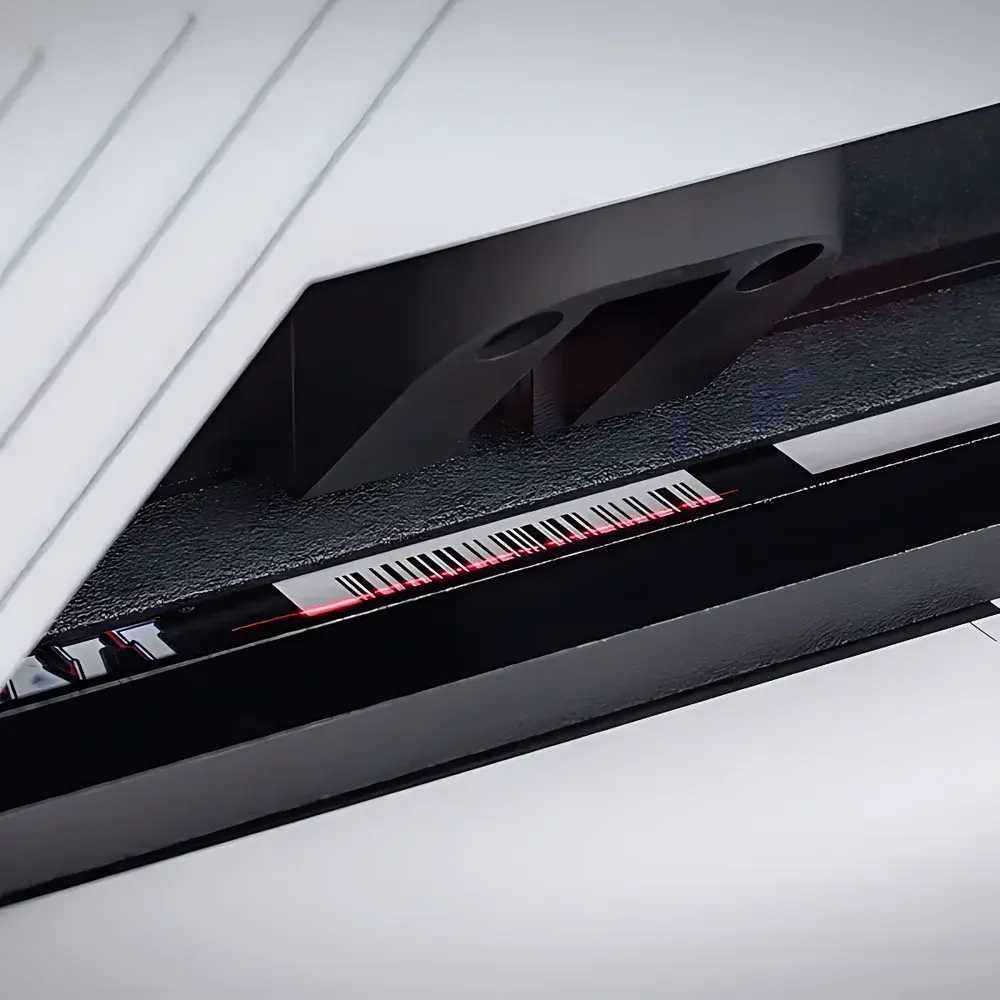
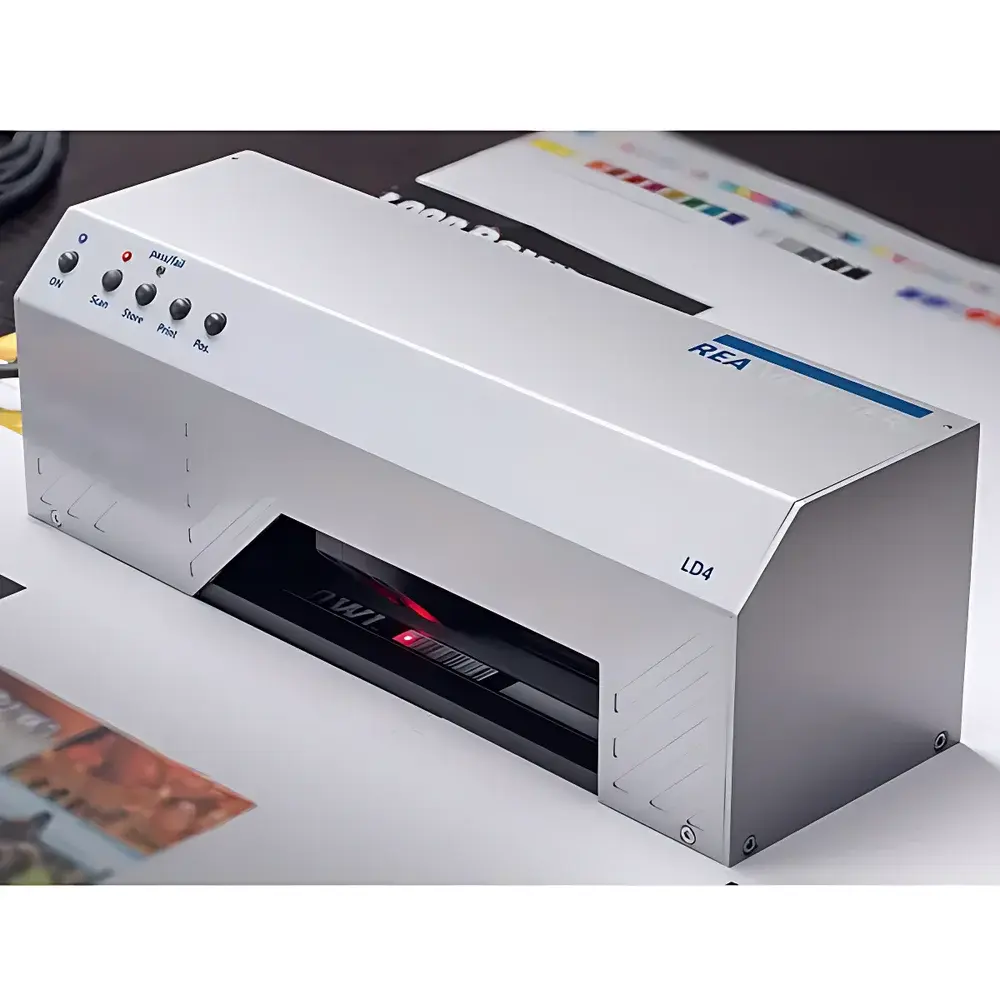
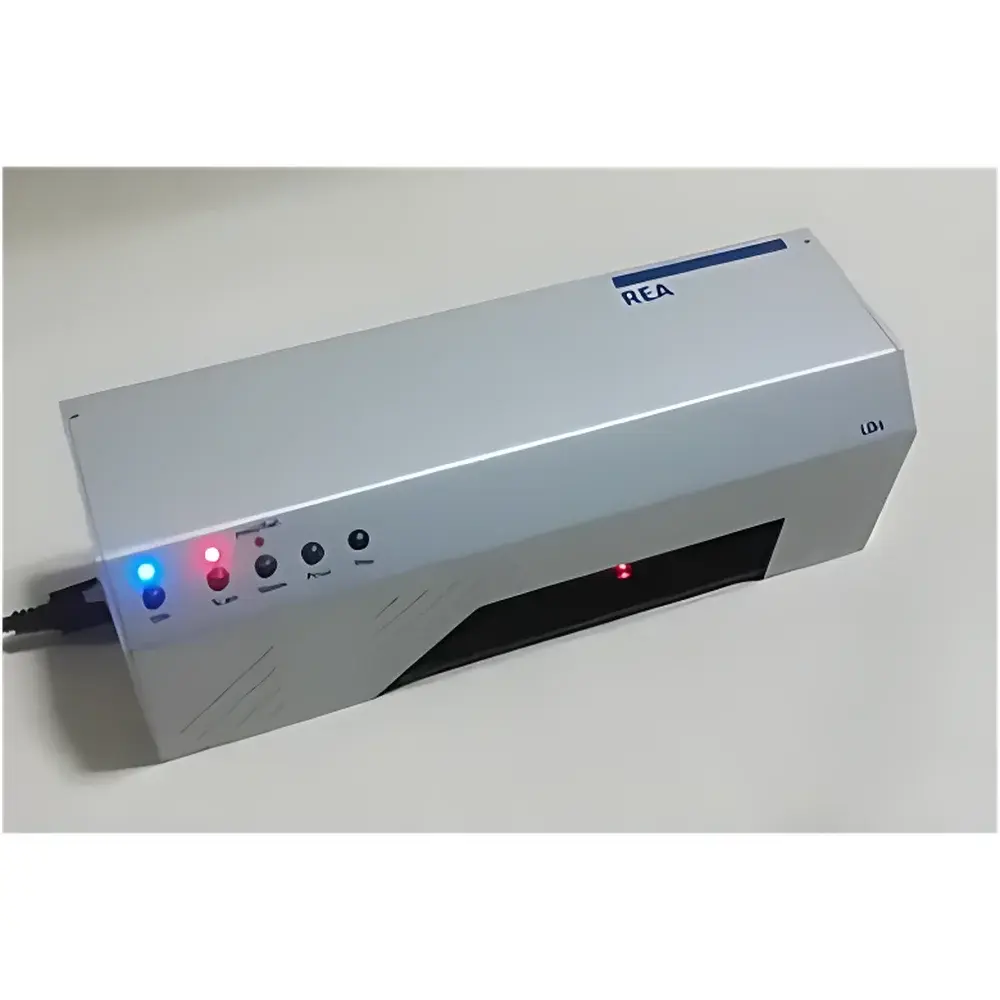
REA PC-Scan/LD4 Barcode Inspection Instrument
| Brand | REA |
|---|---|
| Origin | Germany |
| Model | PC-Scan/LD4 |
| Compliance | ISO/IEC 15416, ISO/IEC 15426-1, GS1 General Specifications |
| Laser Wavelength | 670 nm (Class II) |
| Illumination Angle | 45° |
| Measurement Angle | 90° |
| Aperture Options | 4/6/8 mil (0.1/0.15/0.2 mm) or optional 10/20 mil (0.25/0.50 mm) |
| Accuracy | ±3% (mean reflectance), ±6% (minimum reflectance), ±5% (contrast) |
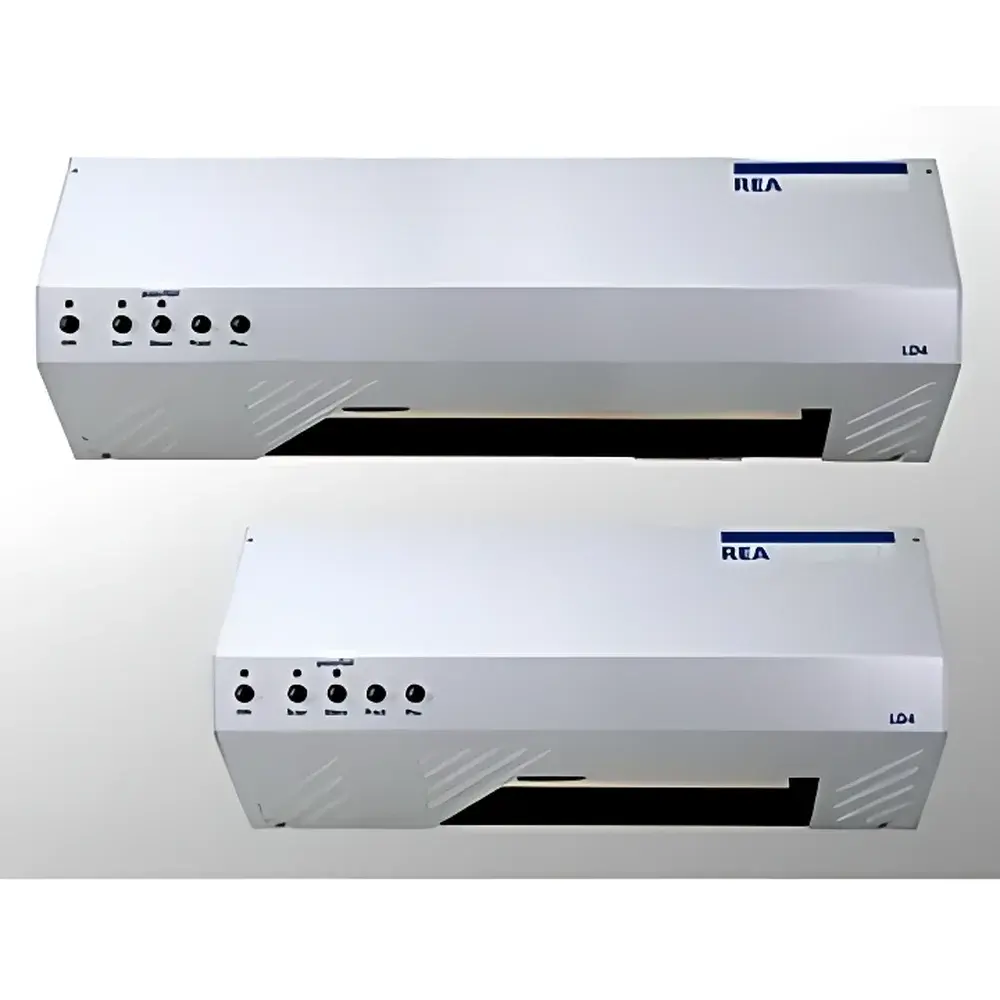
| Scan Width | 133 mm or 220 mm (selectable) |
| Embedded System | ARM9 32-bit CPU, 32 MB RAM, 32 MB Flash, Linux OS |
| Interface | RJ45 Ethernet |
| Dimensions | 281 × 89 × 92 mm or 381 × 89 × 92 mm |
| Weight | 1580 g or 1820 g |
| PC Requirements | Windows 7/8.1/10/11 |
Overview
The REA PC-Scan/LD4 Barcode Inspection Instrument is a high-precision, laboratory-grade stationary barcode verification system engineered for compliance-driven quality assurance in regulated manufacturing, packaging, and logistics environments. It operates on the principle of non-contact laser-based reflectance measurement, employing a Class II red laser (670 nm) at a fixed 45° illumination angle and 90° sensor geometry—fully aligned with ISO/IEC 15416 (linear symbols) and ISO/IEC 15426-1 (verification performance standards). Unlike handheld scanners or basic grade verifiers, the PC-Scan/LD4 integrates a motorized solid-state laser scanning mechanism with a precision optical grating scale, enabling repeatable, traceable, and metrologically stable measurements across full-width scans (133 mm or 220 mm). Its embedded Linux platform ensures deterministic real-time acquisition and eliminates OS-level variability common in Windows-dependent instruments. Designed and manufactured in Germany, the system delivers certified conformance to GS1 General Specifications and supports both static verification and process control applications where auditability, repeatability, and regulatory documentation are mandatory.
Key Features
- Automated pre-scan calibration using built-in reference standards for consistent width, length, and reflectance scaling
- Dual-aperture configuration: standard 4/6/8 mil (0.1–0.2 mm) or optional 10/20 mil (0.25–0.50 mm) laser spot sizes for optimized resolution across diverse print technologies (thermal transfer, flexo, gravure, inkjet)
- Fixed 45° illumination and 90° detection geometry ensures compliance with ISO/IEC 15416 Annex A requirements for specular reflection control
- Motor-driven linear scan path with optical encoder feedback guarantees constant velocity and positional accuracy—eliminating mechanical drift
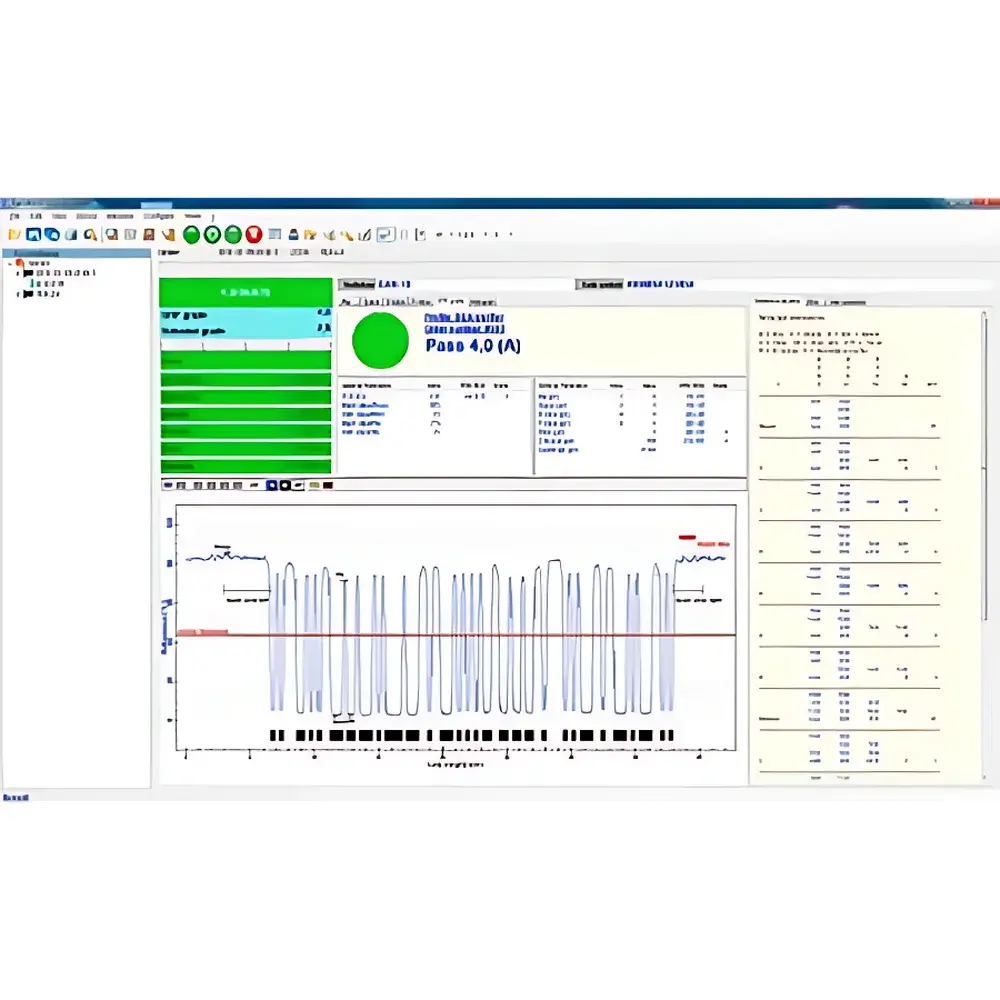
- Real-time pass/fail indication centered on GUI interface, with immediate visual mapping of ISO/IEC 15416 parameters (symbol contrast, modulation, decodability, edge contrast, reflectance margin, etc.)
- Full support for GS1-128 data structure validation including application identifier parsing and content verification per GS1 General Specifications v23
- Password-protected operator access levels and encrypted storage of instrument configurations for GLP/GMP traceability
Sample Compatibility & Compliance
The PC-Scan/LD4 validates all major linear symbologies as defined by GS1 and AIM International, including EAN-13, UPC-A/E (with/without add-ons), ITF-14, Code 39 (standard and Full ASCII), Code 128 (including GS1-128), PZN, Code 32, and GS1 DataBar variants (Limited, Expanded, Stacked). Optional symbol sets extend coverage to logistics-specific codes such as DHL Express Freight Code, UPU barcodes, HIBC formats, Pharmacode variants, and legacy industrial standards (e.g., MSI, Plessey, Codabar Monarch). All measurements adhere strictly to ISO/IEC 15416 grading criteria, with automated calculation of nominal decode grade (A–F), individual parameter scores, and overall symbol grade. The instrument satisfies FDA 21 CFR Part 11 requirements when used with TransWin32 software configured for electronic signatures, audit trails, and secure report generation.
Software & Data Management
The PC-Scan/LD4 operates exclusively with REA’s TransWin32 verification software—a Windows-native application supporting multilingual UI (English, Chinese, German, Spanish, French) and fully customizable reporting. Test results are rendered as interactive reflectance profiles, parameter heatmaps, and annotated waveform overlays—enabling rapid root-cause diagnosis of print defects (e.g., voids, smears, inconsistent bar widths, low contrast). Reports export natively to PDF (with embedded metadata and digital signature options) and CSV (for statistical process control integration). All configurations—including aperture selection, scan speed, grading thresholds, and symbol-specific tolerances—are saved as portable .cfg files, allowing seamless replication across multiple instruments in multi-site deployments. Data retention is limited only by host PC storage capacity; no proprietary cloud dependency or subscription licensing is required.
Applications
This instrument is deployed in pharmaceutical primary packaging lines (blister cards, vials, syringes), medical device labeling (UDI compliance), food & beverage case coding, retail supply chain label certification, and contract packaging QA laboratories. It serves as a reference-grade verifier during pre-press validation, press-side process monitoring, and final lot release testing. Its metrological stability makes it suitable for internal calibration of lower-tier verifiers and as a benchmark tool in third-party certification labs accredited to ISO/IEC 17025. In regulated environments, its deterministic firmware architecture and deterministic measurement pipeline meet ALCOA+ data integrity principles—ensuring attributable, legible, contemporaneous, original, accurate, complete, consistent, enduring, and available records.
FAQ
Does the PC-Scan/LD4 support GS1 DataBar verification?
Yes—it fully complies with GS1 General Specifications for GS1 DataBar Limited, Expanded, and Stacked variants, including quiet zone assessment and bearer bar validation.
Can measurement configurations be exported and shared across multiple units?
Yes—TransWin32 allows saving and loading of complete instrument setups (.cfg files), enabling standardized deployment across global facilities.
Is the system compatible with FDA 21 CFR Part 11 requirements?
When operated with TransWin32 in audit-trail mode and user authentication enabled, the system supports electronic signatures, operation logging, and report immutability—fulfilling core Part 11 expectations.
What is the minimum measurable bar width?
With the 4-mil (0.1 mm) aperture option, the system resolves nominal bar widths down to 0.1 mm at standard print magnifications (X-dimension ≥ 0.125 mm), per ISO/IEC 15416 resolution guidelines.
How is calibration maintained between uses?
The instrument performs automatic reference calibration before each scan using an integrated ceramic calibration standard, ensuring long-term stability without external recalibration kits.




