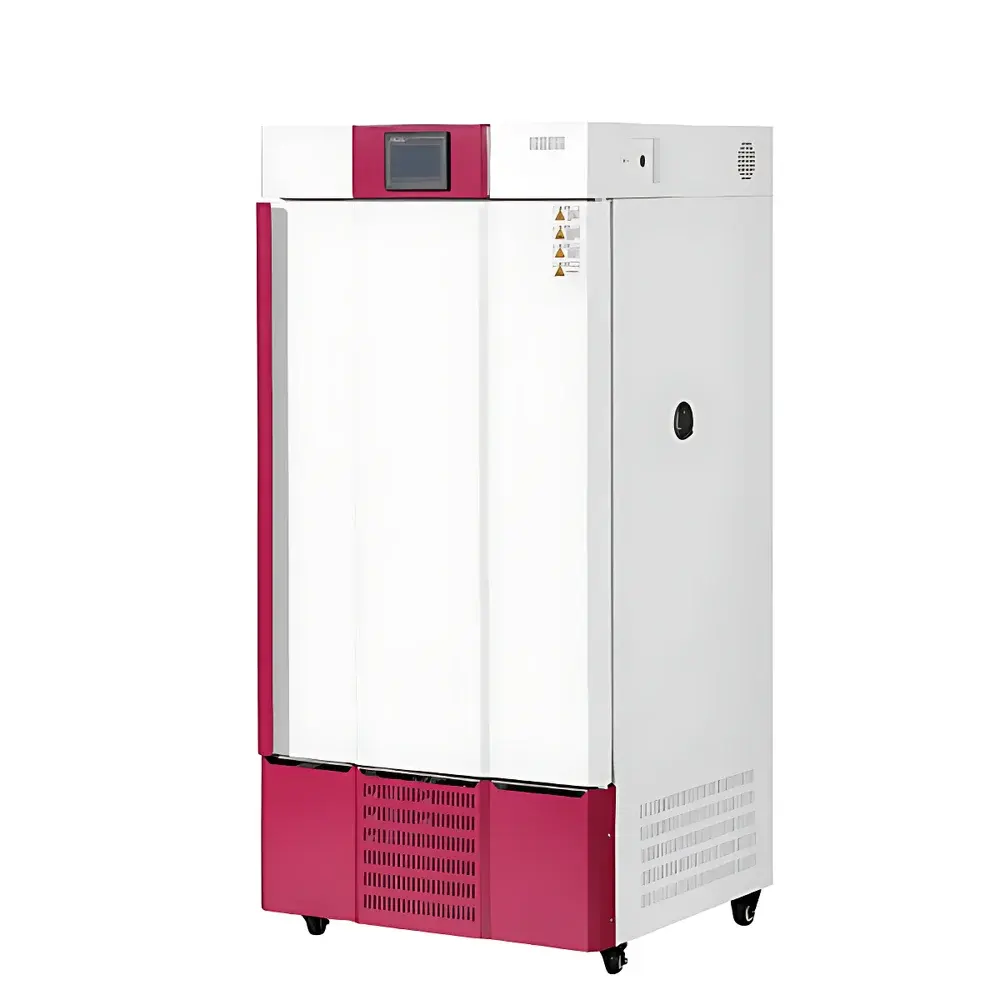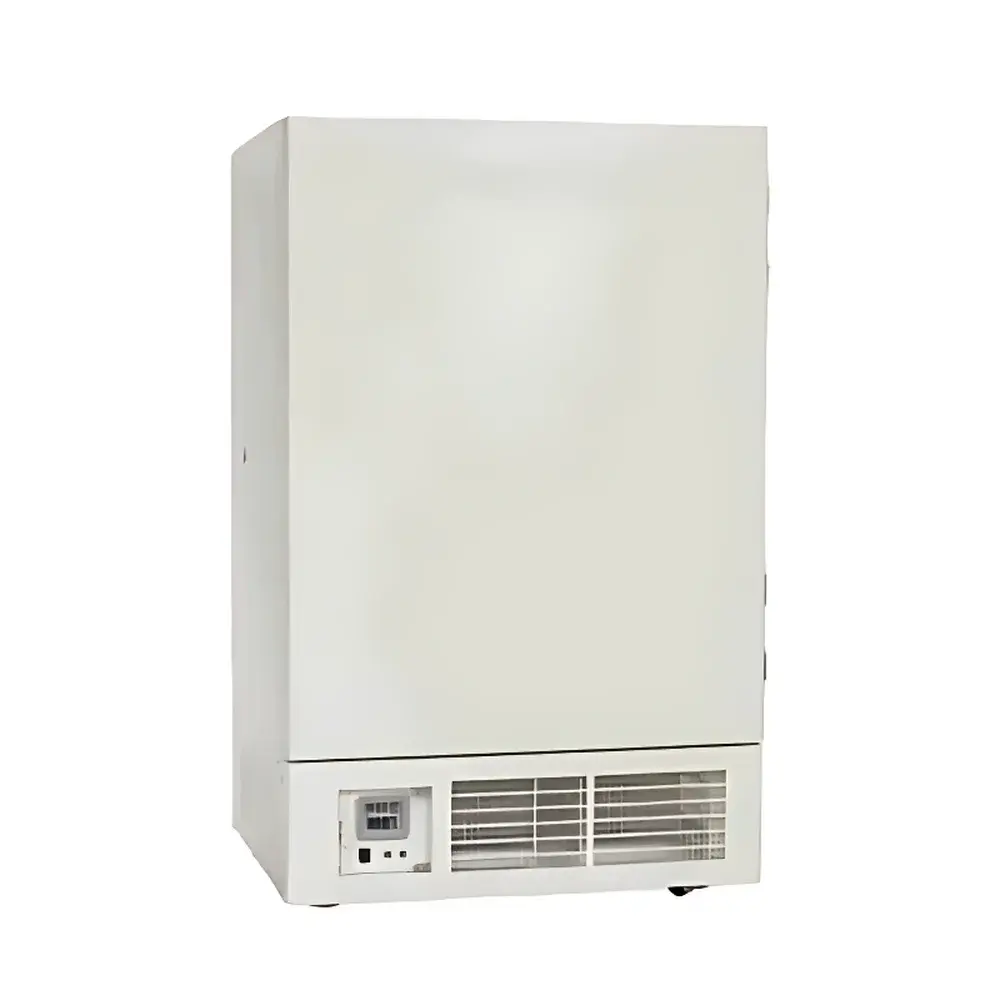
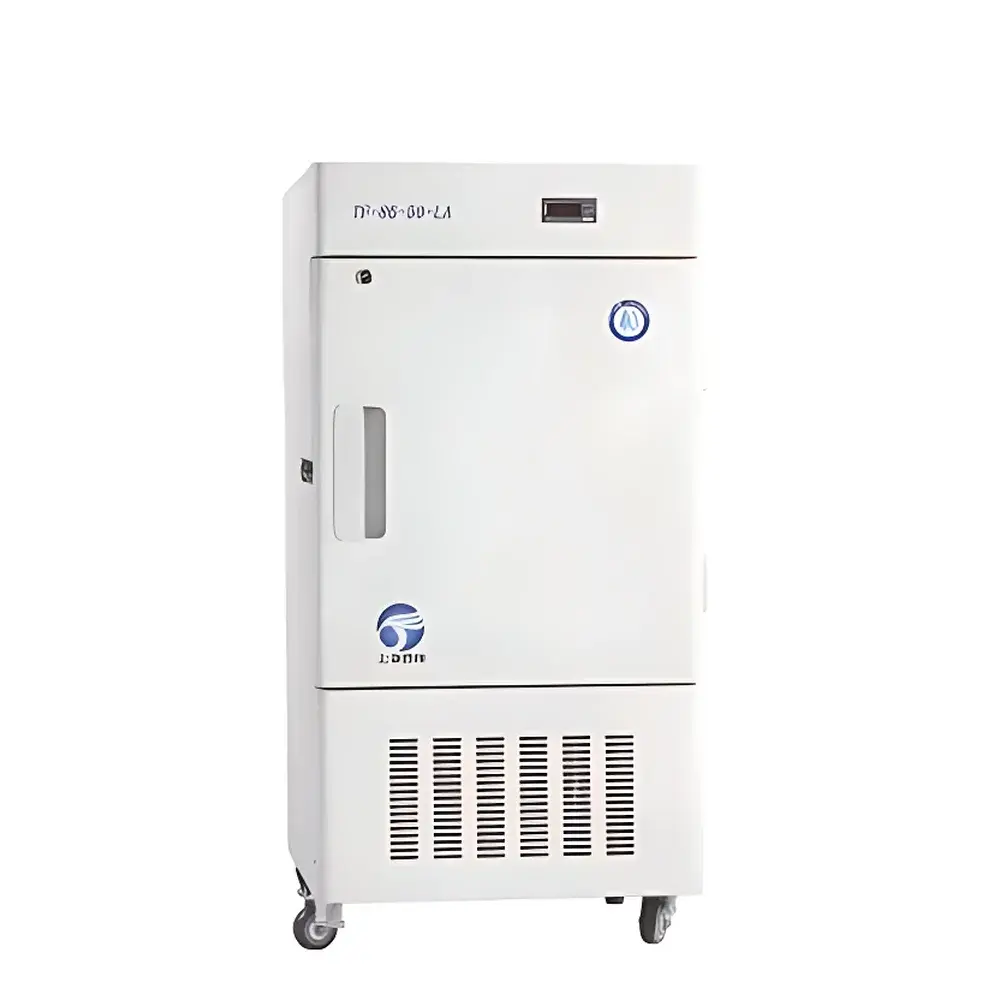
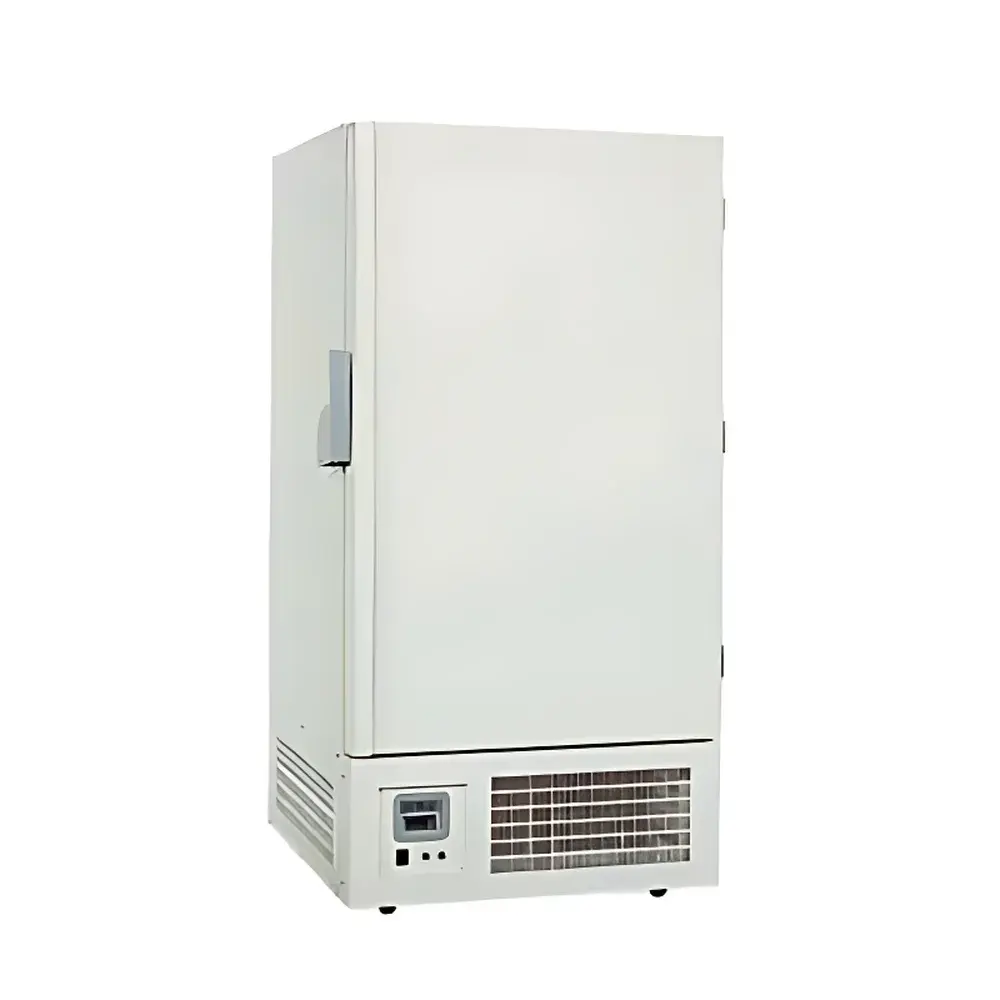
Tianfeng TF-60-938D-LA Ultra Low Temperature Freezer
| Brand | Tianfeng |
|---|---|
| Origin | Shanghai, China |
| Manufacturer | Tianfeng Industrial Co., Ltd. |
| Model | TF-60-938D-LA |
| Temperature Range | -25 °C to -65 °C |
| Effective Volume | 938 L |
| Interior Dimensions (mm) | 1000 × 700 × 1335 |
| Exterior Dimensions (mm) | 1240 × 1000 × 2000 |
| Power Supply | 220 V / 50 Hz |
| Rated Power | 1700 W |
| Noise Level | ≤57 dB(A) |
| Refrigerant | Eco-friendly non-CFC/HFC blend (R290/R170 or equivalent) |
| Insulation | Dual-layer high-density polyurethane foam |
| Interior Material | Stainless steel (AISI 304) |
| Door Configuration | Four independent inner doors with magnetic seals |
| Shelving | Three adjustable stainless-steel shelves |
| Interface | RS-232 (optional) |
| Compliance | ISO 9001:2000 certified manufacturing |
| Safety Features | Door lock, power lock, audible/visual alarm system |
Overview
The Tianfeng TF-60-938D-LA Ultra Low Temperature Freezer is an engineered solution for long-term cryogenic storage of biologics, clinical specimens, and temperature-sensitive materials in research, healthcare, and industrial laboratories. Designed for stable operation at temperatures ranging from –25 °C to –65 °C, the unit employs a dual-mode condensation system—combining natural convection and forced-air cooling—to ensure consistent thermal performance under variable ambient conditions (up to 35 °C ambient, 60% RH). Its refrigeration circuit integrates high-efficiency compressors and internationally sourced critical components—including expansion valves, evaporators, and thermostatic controls—optimized for low energy consumption and mechanical resilience. The cabinet features 120 mm thick polyurethane insulation with closed-cell structure, minimizing thermal bridging and reducing heat ingress by >40% compared to single-layer alternatives. Unlike standard ultra-low freezers relying solely on air-cooled condensers, this design maintains compressor integrity even when dust accumulation partially obstructs airflow—significantly extending mean time between failures (MTBF) in non-clinical or field-deployed environments.
Key Features
- Stainless steel interior (AISI 304) with seamless, radius-corner construction for microbial control and ease of decontamination per CLSI GP35 and ISO 15189 requirements
- Four independently sealed inner doors with magnetic gaskets, limiting cold air loss during frequent access and improving temperature recovery time (<15 min after 30-sec door opening)
- Three height-adjustable stainless-steel shelves supporting uniform load distribution up to 25 kg per shelf
- Dual-mode heat rejection: 50% natural convection + 50% fan-assisted cooling; eliminates reliance on continuous airflow and reduces vulnerability to particulate clogging
- RS-232 serial interface (optional) enabling integration with laboratory information management systems (LIMS) and automated temperature logging compliant with FDA 21 CFR Part 11 audit trail requirements
- Integrated alarm system with real-time monitoring of door status, temperature deviation (>±3 °C), power failure, and sensor fault—triggering both audible (85 dB) and visual indicators
- Lockable external door and independent power switch to meet institutional security policies for controlled-access biological repositories
- Energy-efficient operation: average power draw of 1700 W at –80 °C setpoint, optimized via variable-speed compressor staging and intelligent defrost cycle scheduling
Sample Compatibility & Compliance
The TF-60-938D-LA supports storage of diverse biospecimens including whole blood units, PBMC isolates, primary cell cultures, viral vectors, lyophilized reagents, and marine-derived biomaterials (e.g., frozen fish gonads, crustacean tissue extracts). Its temperature uniformity across the chamber is ±2.5 °C (measured per IEC 61000-4-2 at nine standardized points), satisfying ISO/IEC 17025 calibration traceability needs for accredited biobanks. All internal surfaces are non-porous and compatible with common disinfectants (70% ethanol, 0.5% sodium hypochlorite, hydrogen peroxide vapor), facilitating routine cleaning validated under GLP Annex 11 and AABB Standard 5.2. The unit complies with electromagnetic compatibility (EMC) standards IEC 61326-1 and safety standard IEC 61010-1 for laboratory equipment. Manufacturing adheres to ISO 9001:2000 quality management protocols, with full documentation available for regulatory audits.
Software & Data Management
While the base model operates via an embedded microcontroller with LED display and tactile keypad, optional RS-232 connectivity enables bidirectional communication with third-party data acquisition platforms (e.g., LabVIEW, Python-based SCADA, or enterprise LIMS). Logged parameters include chamber temperature (1-min intervals), compressor runtime, door-open duration, and alarm event timestamps—all exportable as CSV or XML. Audit trails retain ≥12 months of operational history without external storage, meeting minimum retention requirements outlined in CAP Checklist GEN.40550 and UK NEQAS Biobanking SOP-007. Firmware updates are delivered via secure USB handshake to prevent unauthorized modification, aligning with cybersecurity guidance from the NIH Office of Cyber Infrastructure and Computational Biology.
Applications
This freezer serves mission-critical roles across multiple sectors: clinical transfusion services storing RBC concentrates at –65 °C for extended shelf life; marine bioprospecting labs preserving deep-sea extremophiles and seafood-derived enzymes; academic genomics cores archiving FFPE tissue blocks and extracted nucleic acids; and pharmaceutical QC labs holding reference standards for stability testing per ICH Q5C. Its compact footprint (1.24 m width) and 1.89 m total height allow installation in standard-height laboratory corridors and ISO Class 7 cleanrooms without structural modification. Field deployment in coastal research stations and fishing fleet support vessels is enabled by vibration-dampened mounting and tolerance to saline-laden ambient air (tested per ISO 9223 C3 corrosion class).
FAQ
What is the recommended maintenance schedule for optimal performance?
Perform visual inspection of condenser coils and dust filter every 30 days; clean using compressed air or soft brush. Verify door seal integrity quarterly via the “dollar bill test.” Calibrate temperature sensors annually using NIST-traceable dry-block calibrators.
Can this unit be integrated into a centralized building monitoring system?
Yes—via optional RS-232-to-Modbus RTU converter, allowing connection to BMS platforms supporting BACnet MS/TP or Modbus TCP protocols.
Is remote monitoring supported out-of-the-box?
No native Ethernet or Wi-Fi module is included, but third-party IoT gateways (e.g., Siemens Desigo CC, Honeywell WEBpcc) can interface via RS-232 with appropriate protocol mapping.
Does the freezer comply with cold chain validation requirements for GMP-regulated biologics?
It meets IQ/OQ qualification prerequisites per ASTM F2697-21 and supports PQ execution using calibrated thermocouple mapping per EU GMP Annex 15; full validation documentation package available upon request.
What is the warranty coverage and service response time?
Standard 12-month parts-and-labor warranty; extended service contracts include 4-hour onsite response for critical failures within mainland China, with spare parts stocked in Shanghai, Beijing, and Guangzhou depots.