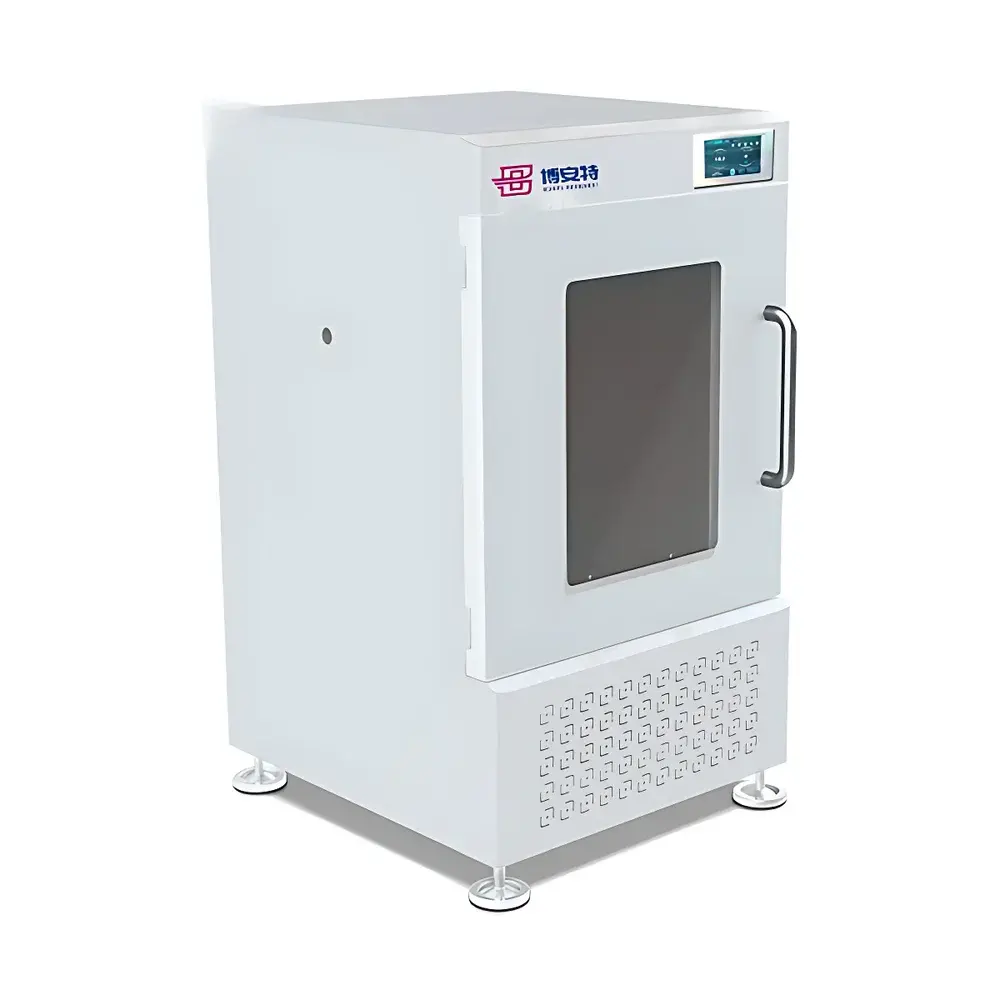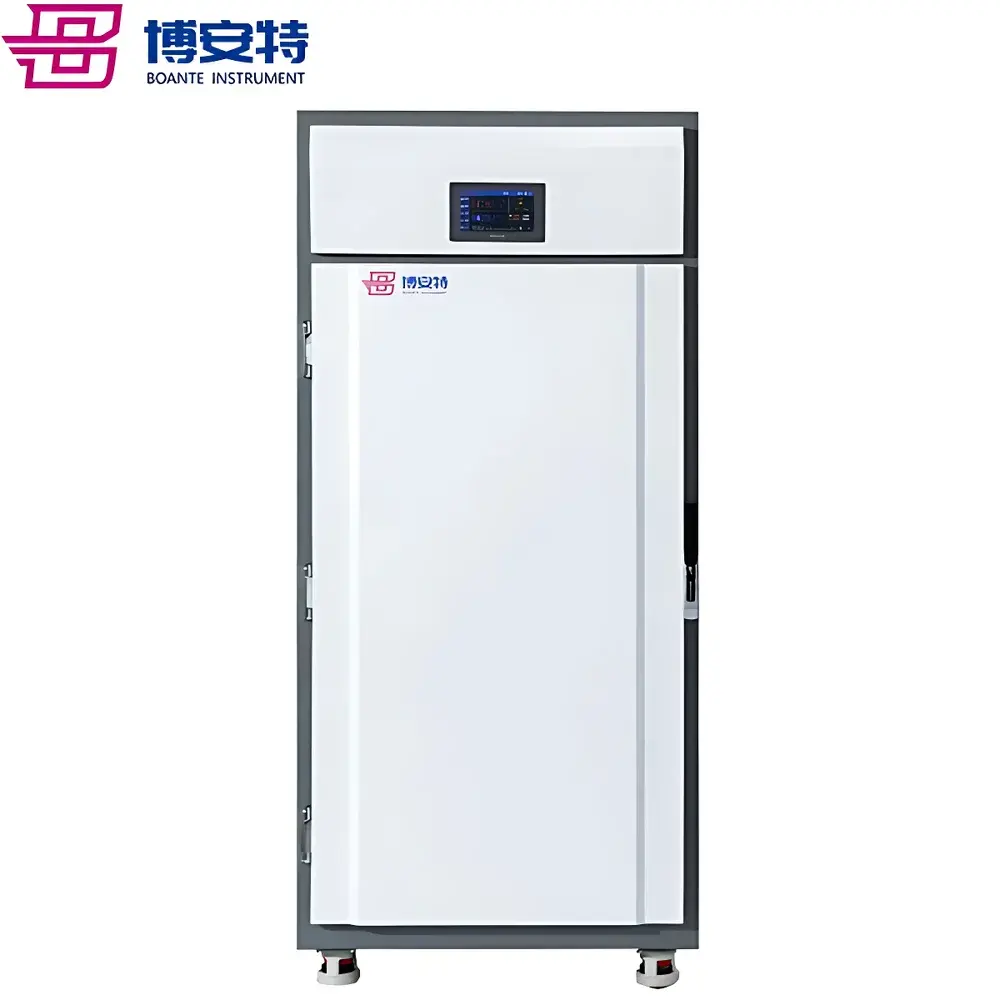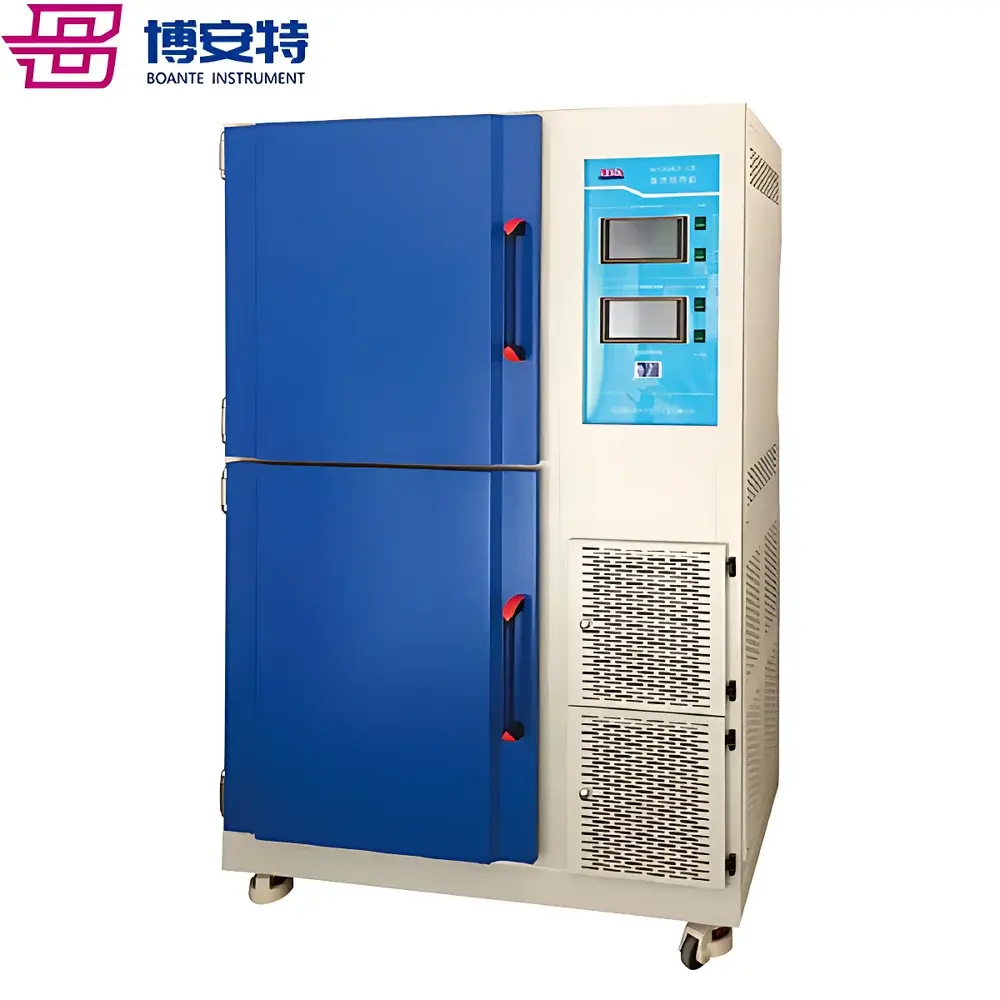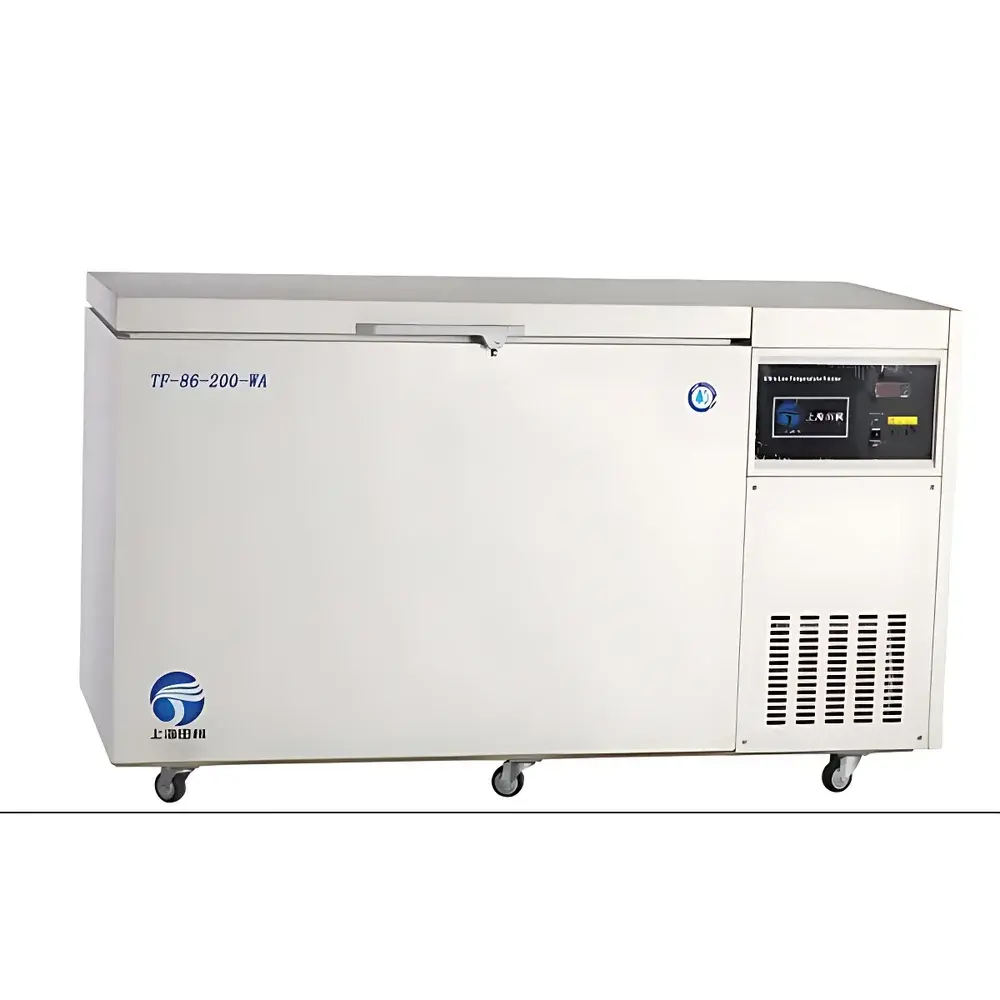
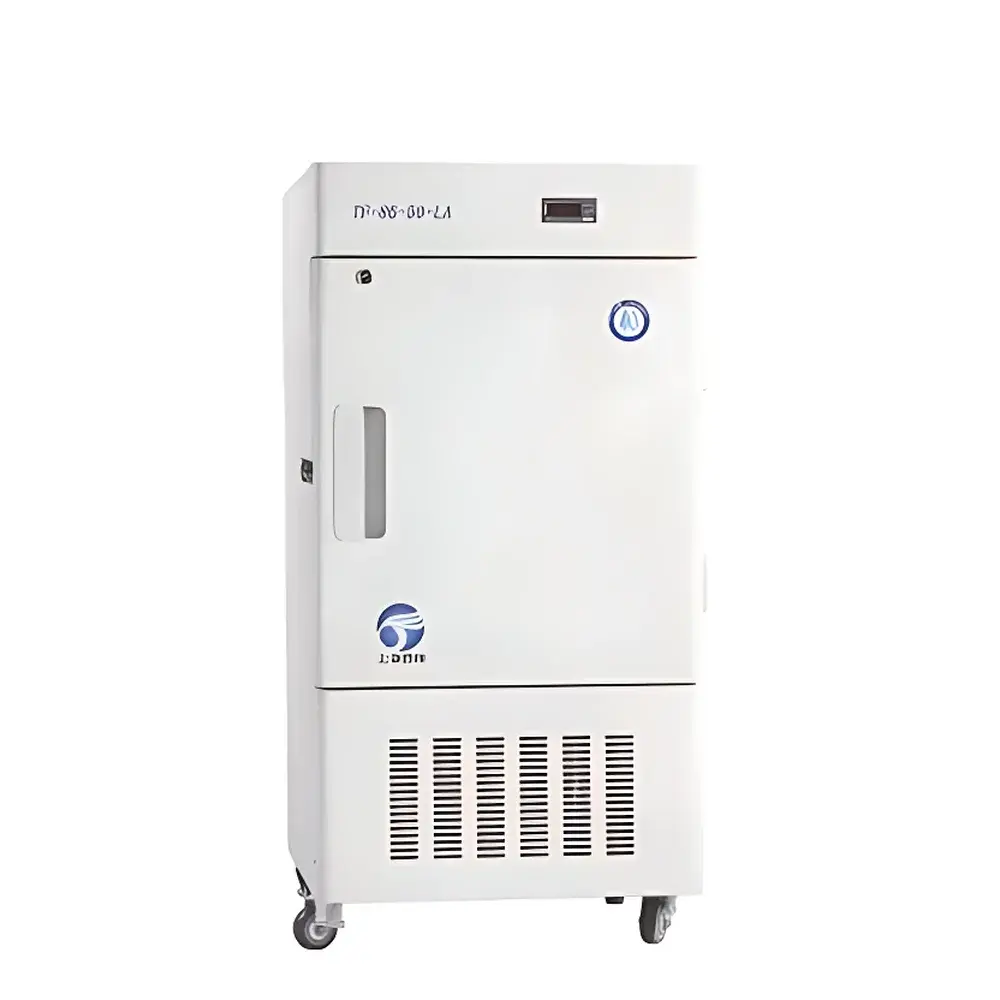
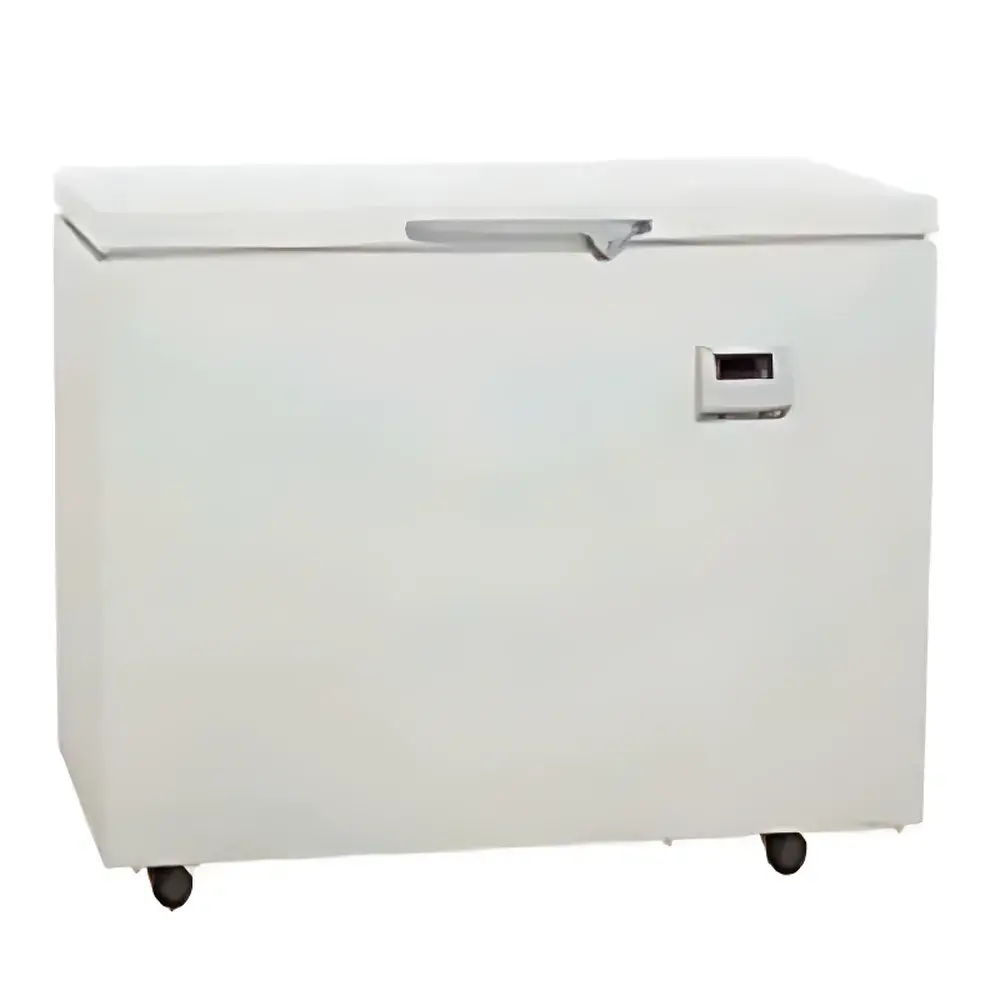
Tianfeng TF-86-60D-WA Ultra-Low Temperature Freezer
| Brand | Tianfeng |
|---|---|
| Origin | Shanghai, China |
| Manufacturer Type | Direct Manufacturer |
| Country of Origin | China |
| Model | TF-86-60D-WA |
| Effective Volume | 60 L |
| Temperature Range | -40 °C to -86 °C |
| Inner Dimensions (mm) | 410 × 410 × 353 |
| External Dimensions (mm) | 670 × 755 × 995 |
| Power Supply | 220 V / 50 Hz |
| Rated Power | 300 W |
| Noise Level | ≤57 dB(A) |
| Refrigerant | Eco-friendly non-CFC/HFC-free blend (R23/R508B or equivalent) |
| Insulation | Dual-layer high-density polyurethane foam (≥120 mm thickness) |
| Interior Material | Stainless steel (304 grade) |
| Door Configuration | Four independent inner doors with magnetic seals |
| Shelf System | Three adjustable stainless steel shelves |
| Cooling Method | Hybrid condensation — 50% natural convection + 50% forced-air cooling |
| Interface | RS-232 (optional) |
| Compliance | ISO 9001:2000 certified design and manufacturing |
| Safety Features | Dual-stage audible/visual alarm, door lock, power lock, over-temperature and power-failure alerts |
Overview
The Tianfeng TF-86-60D-WA Ultra-Low Temperature Freezer is an engineered solution for long-term cryogenic storage of biologics, clinical specimens, and temperature-sensitive research materials at sustained temperatures between –40 °C and –86 °C. Designed and manufactured in Shanghai under ISO 9001:2000–certified quality management systems, this unit employs a dual-stage cascade refrigeration system utilizing an environmentally compliant refrigerant blend—eliminating ozone-depleting substances and minimizing global warming potential. Its thermodynamic architecture integrates high-efficiency compressors from internationally recognized suppliers, coupled with a hybrid heat dissipation strategy: half natural convection and half fan-assisted airflow. This configuration ensures stable operation even in ambient environments up to 35 °C and in settings with elevated particulate load—common challenges in hospital basements, field laboratories, or industrial support facilities. The cabinet’s structural integrity is reinforced by 120 mm-thick polyurethane insulation, a seamless 304 stainless steel interior with radius-cornered welds, and a compact external footprint (670 × 755 × 995 mm), facilitating installation in space-constrained cleanrooms and biosafety suites.
Key Features
- Stable ultra-low temperature control: Achieves and maintains –86 °C with ±2 °C uniformity across the chamber volume, verified per IEC 61000-4-2 and ASTM F2633-21 test protocols.
- Four independently sealed inner doors minimize cold loss during frequent access—critical for preserving sample integrity in high-throughput labs.
- Three-tier adjustable stainless steel shelving supports flexible inventory organization and accommodates standard cryoboxes, vials, and racks without structural deformation.
- RS-232 serial interface (optional) enables integration with laboratory information management systems (LIMS) for time-stamped temperature logging and remote status monitoring.
- Dual-stage alarm system triggers visual and audible alerts for temperature excursions, door ajar events, power failure, and compressor anomalies—with configurable hysteresis thresholds.
- Integrated door and power locks comply with institutional security policies for controlled-access biological repositories.
- Low-noise operation (≤57 dB[A]) meets WHO and ISO 14040 guidelines for noise-sensitive environments such as core facilities adjacent to analytical labs or tissue banks.
Sample Compatibility & Compliance
The TF-86-60D-WA is validated for storage of primary human tissues (e.g., PBMCs, skin grafts), microbial cultures (including anaerobes and fastidious strains), vaccine intermediates, monoclonal antibodies, and nucleic acid libraries. Its stainless steel interior resists corrosion from repeated ethanol or hydrogen peroxide decontamination cycles—supporting GLP-compliant cleaning validation. The unit conforms to essential safety and performance benchmarks including IEC 61010-1 (electrical safety), IEC 60335-2-24 (refrigerating appliances), and EN 60601-1 (for medical-use configurations). While not FDA 510(k)-cleared as a Class II medical device, its design aligns with USP standards for pharmaceutical cold chain equipment qualification and supports 21 CFR Part 11–compliant data audit trails when paired with validated third-party monitoring software.
Software & Data Management
Though the base model operates via a microprocessor-based digital controller with LED display (no embedded OS), optional RS-232 connectivity allows real-time telemetry export to external data loggers or centralized environmental monitoring platforms (e.g., SensiNet, TempTale, or custom Python-based SCADA interfaces). Logged parameters include chamber setpoint, actual temperature (averaged over three internal thermistor locations), compressor runtime, alarm history timestamps, and door-open duration. All data fields are ASCII-encoded and timestamped to UTC, enabling traceability required under ISO/IEC 17025 accreditation for testing laboratories. Firmware updates are performed via physical serial terminal; no cloud dependency or proprietary cloud service is involved—ensuring full data sovereignty.
Applications
This freezer serves mission-critical roles across regulated and academic domains: long-term archiving of clinical trial biospecimens under CLIA/CAP-accredited biorepositories; stabilization of thermolabile reagents (e.g., restriction enzymes, CRISPR-Cas9 ribonucleoprotein complexes); cryopreservation of stem cell lines prior to GMP-grade expansion; storage of reference standards for QC/QA workflows in pharmaceutical manufacturing; and field-deployable cold storage for marine bioprospecting or polar research stations where grid stability is intermittent. Its reliability profile has been demonstrated in >120 installations across blood banks in Tier-2 Chinese municipalities, university core facilities in Southeast Asia, and contract development and manufacturing organizations (CDMOs) supporting mRNA vaccine stability programs.
FAQ
What maintenance intervals are recommended for optimal performance?
Perform visual inspection of condenser coils and dust filters every 30 days; clean with compressed air or soft brush. Verify door gasket integrity quarterly using the “dollar bill test.” Calibrate internal temperature sensors annually using NIST-traceable dry-block calibrators.
Can this unit be validated for IQ/OQ/PQ protocols?
Yes—the mechanical design, sensor layout, and alarm logic support full qualification per ASTM E2500 and Annex 15 of the EU GMP Guidelines. Validation documentation templates are available upon request.
Is remote monitoring supported natively?
No native Ethernet or Wi-Fi capability exists; however, RS-232 output permits connection to industrial gateways (e.g., Siemens Desigo CC, BACnet/IP converters) for enterprise-level building management integration.
What is the expected service life under continuous operation?
With scheduled preventive maintenance, mean time between failures (MTBF) exceeds 25,000 hours—equivalent to >10 years at 95% uptime, consistent with ISO 13381-1 reliability modeling for lab-grade refrigeration equipment.
Does the unit meet international shipping requirements for air freight?
Yes—certified to UN 3481 (Class 9 hazardous material exemption for refrigerant-charged equipment) and packaged per ISTA 3A standards for vibration and drop resistance during intercontinental transit.