
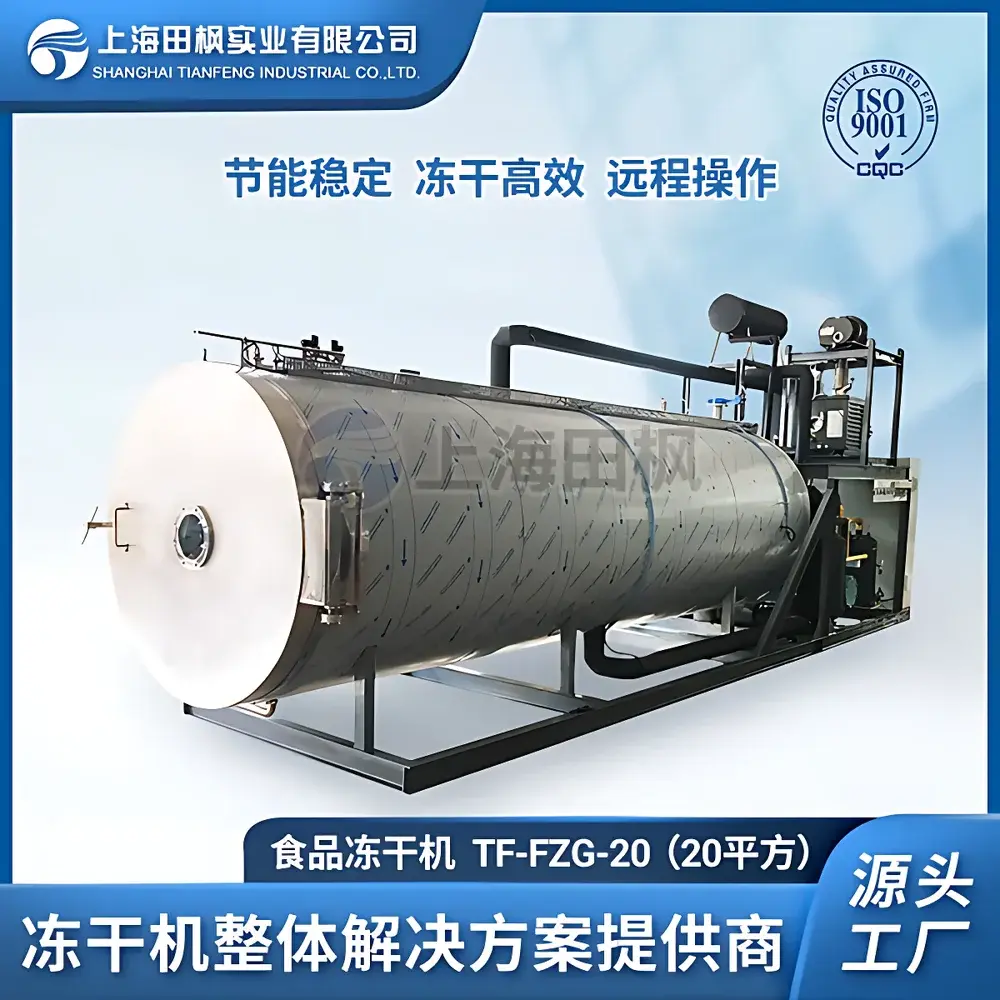
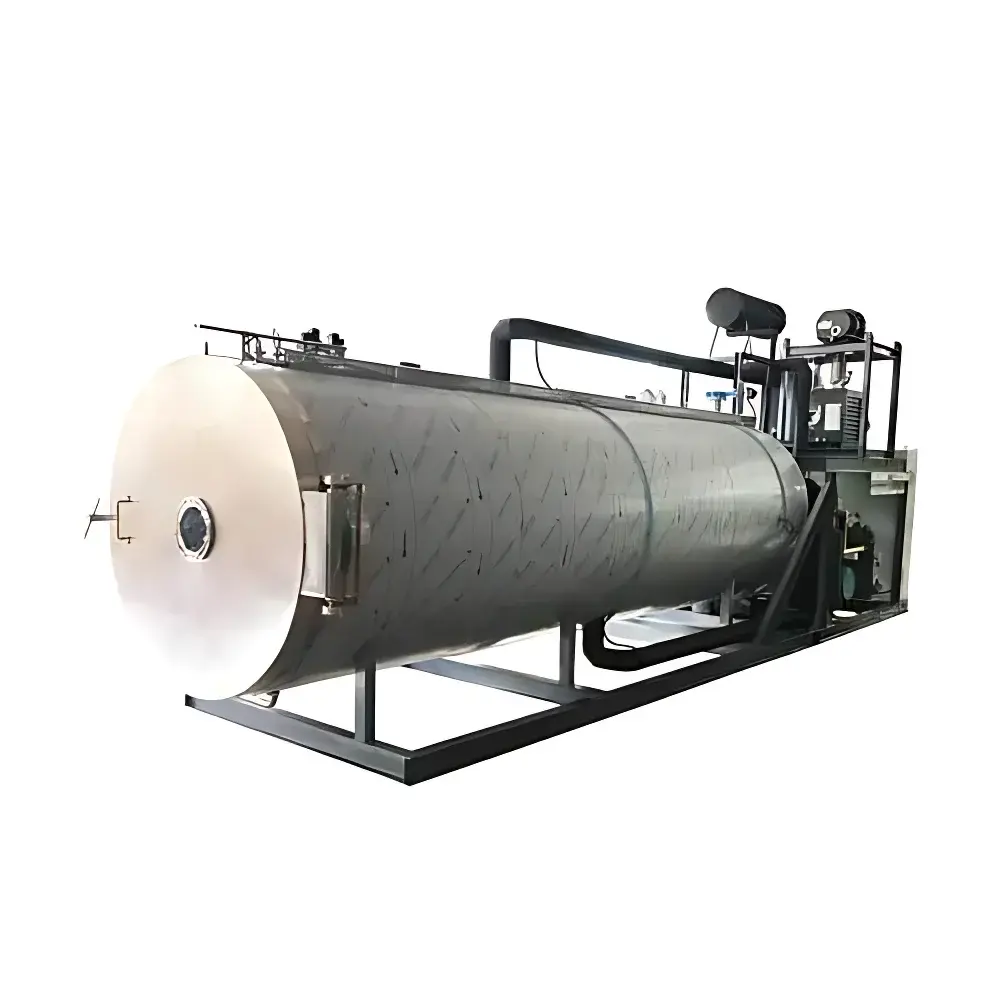
Tianfeng TF-FZG-20 Industrial-Scale Pharmaceutical & Food Freeze Dryer
| Brand | Tianfeng |
|---|---|
| Origin | Shanghai, China |
| Manufacturer Type | Direct Manufacturer |
| Product Category | Domestic |
| Model | TF-FZG-20 |
| Instrument Type | Standard Shelf-Type Freeze Dryer |
| Application Scope | Production-Scale |
| Lyophilization Area | 20 m² |
| Ultimate Vacuum | ≤ 2.7 Pa |
| Condensate Capacity (24 h) | 400 kg |
| Cold Trap Temperature | ≤ −65 °C |
| Overall Dimensions (L×W×H) | 7.6 × 2.1 × 3.6 m |
| Shelf Configuration | 10 + 1 shelves |
| Shelf Spacing | 70 mm |
| Shelf Temperature Range | −45 °C to +80 °C |
| Control System | Omron PLC + Industrial PC with Wi-Fi & Remote Access |
| Construction Material | 304 Stainless Steel (Mirror-Polished Interior) |
| Compliance | GMP-Compliant Design |
| Electrical Power | 90 kW |
| Defrost Method | Steam or Immersion Defrost |
Overview
The Tianfeng TF-FZG-20 is an industrial-scale, shelf-type freeze dryer engineered for high-reliability lyophilization of heat-sensitive biological materials, pharmaceutical intermediates, functional foods, and natural health products. It operates on the fundamental principle of sublimation—removing water from frozen samples under deep vacuum while maintaining product integrity through precise thermal control. Designed for continuous batch processing in regulated manufacturing environments, this system integrates vacuum physics, cryogenics, and process automation to deliver reproducible drying cycles across diverse matrices including vegetable purees, camel milk concentrates, herbal extracts, probiotic suspensions, and protein-based bioreagents. Its architecture conforms to core engineering requirements for production-grade equipment: structural rigidity, hygienic surface finish, pressure vessel certification, and full traceability of critical process parameters.
Key Features
- GMP-compliant construction: Entire drying chamber and shelf assembly fabricated from electropolished 304 stainless steel with mirror-finish interior (Ra ≤ 0.4 µm), eliminating microbial harborage points and enabling validated cleaning-in-place (CIP) procedures.
- Integrated cold trap design: Front-chamber/rear-condenser layout minimizes footprint while optimizing vapor flow path; condenser coils machined from high-purity stainless steel with leak-tested welds and certified to ASME BPVC Section VIII Div. 1 standards.
- Thermally stable shelf system: 11 total shelves (10 active + 1 dummy), configurable in aluminum extrusion or 304 stainless steel; aluminum variant offers superior thermal conductivity (≥ 200 W/m·K), while stainless option ensures maximum corrosion resistance and cleanability.
- High-capacity refrigeration: Dual-stage cascade refrigeration system achieves ≤ −65 °C cold trap temperature within ≤ 90 minutes; uses environmentally compliant HFC-404A/HFC-23 blend with redundant safety interlocks and oil management circuitry.
- Robust vacuum architecture: Equipped with ULVAC (formerly ULVAC-ASTEC) high-vacuum pumps delivering ≤ 2.7 Pa ultimate pressure; optional multi-pump configurations available for accelerated primary drying or solvent-laden applications.
- Advanced process control: Omron CJ2M-series PLC with deterministic scan cycle (< 10 ms), integrated into a Windows-based IPC with real-time data logging, alarm history, and 21 CFR Part 11–compliant electronic signature capability.
Sample Compatibility & Compliance
The TF-FZG-20 accommodates heterogeneous sample formats—including bulk trays (up to 200 × 100 cm per shelf), stoppered vials (2R–50R), and custom molds—without compromising cycle uniformity. Its shelf temperature range (−45 °C to +80 °C) supports both conventional freezing and controlled annealing protocols required for crystalline API stabilization or amorphous matrix formation. All wetted surfaces meet FDA 21 CFR 178.3570 food-contact material specifications. Pressure vessel documentation includes PED 2014/68/EU conformity assessment and Chinese GB 150.1–2011 certification. The system is prequalified for compliance with ISO 22000, ICH Q5C, USP , and EU Annex 1 requirements for sterile and non-sterile manufacturing.
Software & Data Management
The embedded control interface provides dual-mode operation: fully automated recipe-driven cycles or manual parameter override with hardware-enforced safety limits. Up to 100 independent drying protocols can be stored locally with version-controlled revision history. Data acquisition captures ≥ 16 channels per second—including shelf temperature (±0.3 °C accuracy), chamber pressure (capacitance manometer, ±0.05 Pa), condenser temperature, and refrigerant pressures—with automatic export to CSV or SQL databases. Audit trail functionality logs all user actions, setpoint changes, and alarm events with time stamps and operator IDs. Remote monitoring via encrypted TLS 1.2 connection supports secure off-site troubleshooting and real-time KPI dashboards.
Applications
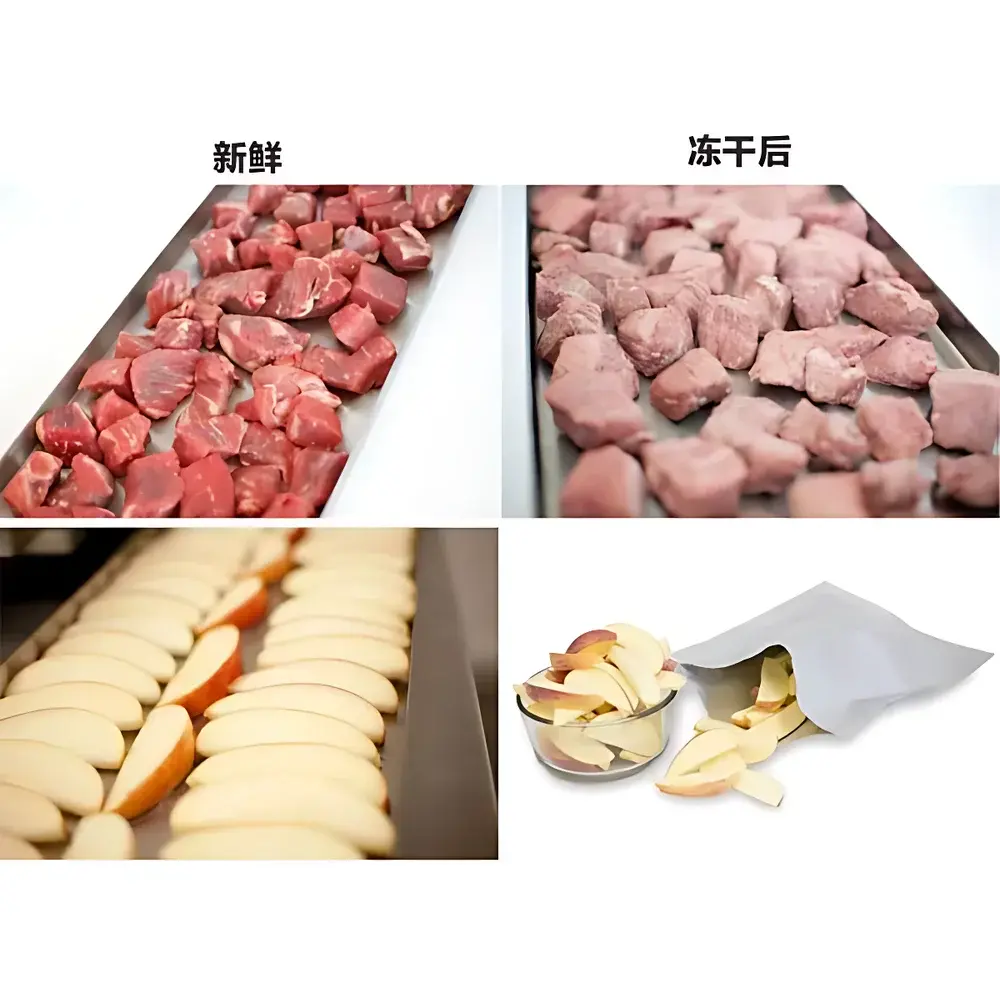
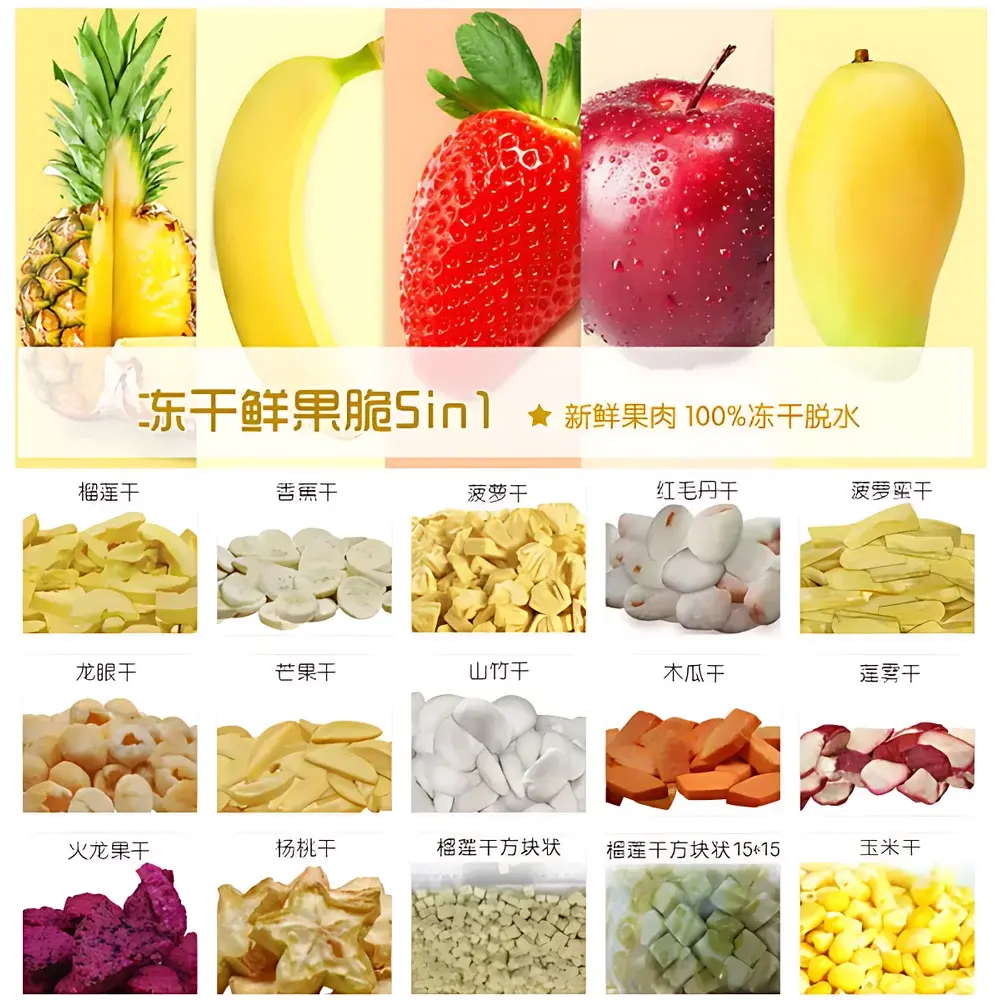
This freeze dryer serves as a platform for scalable development and commercial production of lyophilized products requiring long-term stability and minimal thermal degradation. Typical use cases include: stabilization of lactic acid bacteria cultures (e.g., Lactobacillus spp. in camel milk formulations); dehydration of anthocyanin-rich vegetable powders (e.g., purple sweet potato, beetroot) without pigment oxidation; preparation of injectable botanical extracts compliant with EP 2.9.32; and pilot-scale drying of cell culture supernatants prior to downstream purification. Its 20 m² capacity enables batch sizes up to 400 kg ice load, supporting transition from lab-scale (≤ 0.5 m²) to commercial manufacturing under identical process parameters.
FAQ
Does the TF-FZG-20 support validation documentation packages (IQ/OQ/PQ)?
Yes—Tianfeng provides vendor-qualified templates aligned with ASTM E2500 and ISPE Baseline Guide principles, including sensor calibration certificates, leak test reports, and cycle mapping studies.
Can shelf temperature gradients be mapped and compensated?
Yes—the system supports thermocouple porting at 9 locations per shelf; gradient analysis tools are embedded in the software to generate correction profiles for uniform heat transfer.
Is remote maintenance access permitted without compromising cybersecurity?
All remote connections require two-factor authentication and operate over isolated VLAN segments; no direct internet exposure of PLC logic or database servers is permitted by default configuration.
What materials are used for gaskets and seals in contact with product?
FDA-listed EPDM and silicone elastomers meeting USP Class VI and ISO 10993-5 biocompatibility standards; halogen-free alternatives available upon request.
How is defrost cycle performance verified?
Steam defrost efficacy is validated using thermographic imaging and residual moisture testing per ASTM F2476; immersion defrost includes conductivity-based endpoint detection to prevent over-wetting.
Related Products



