
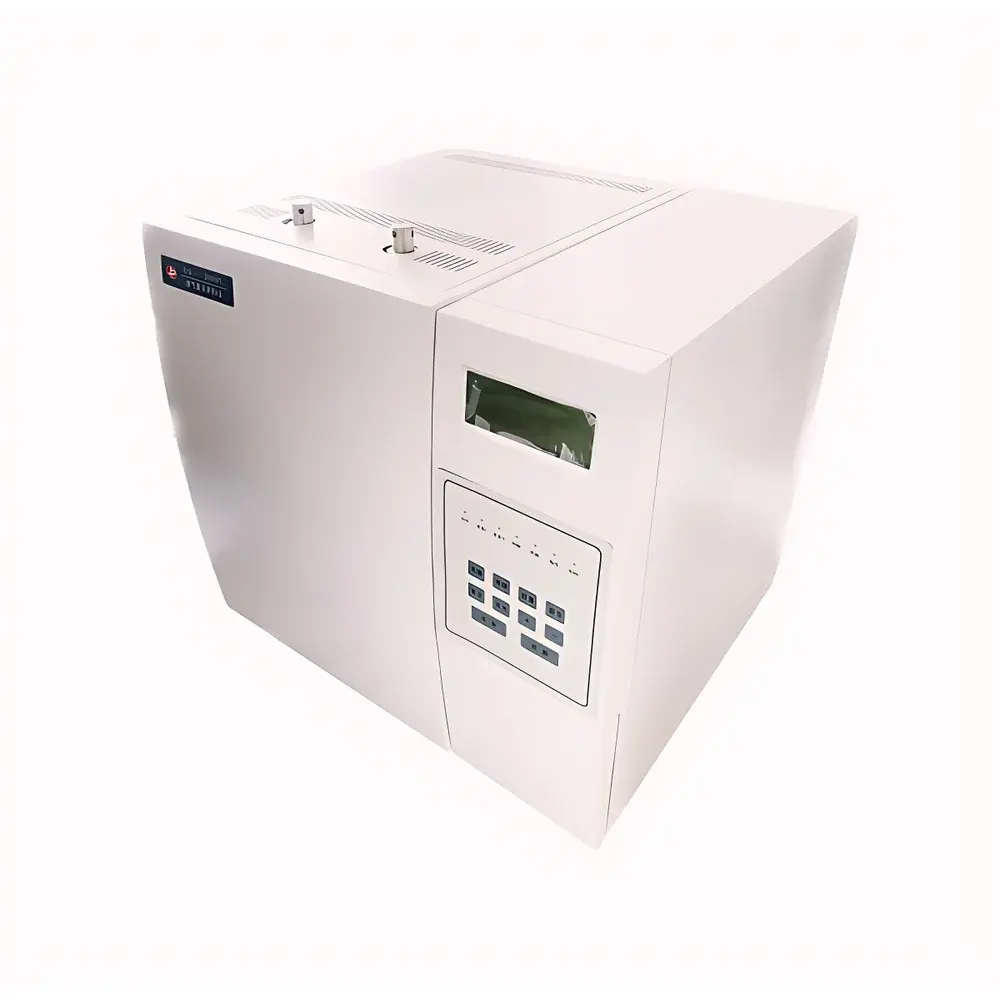
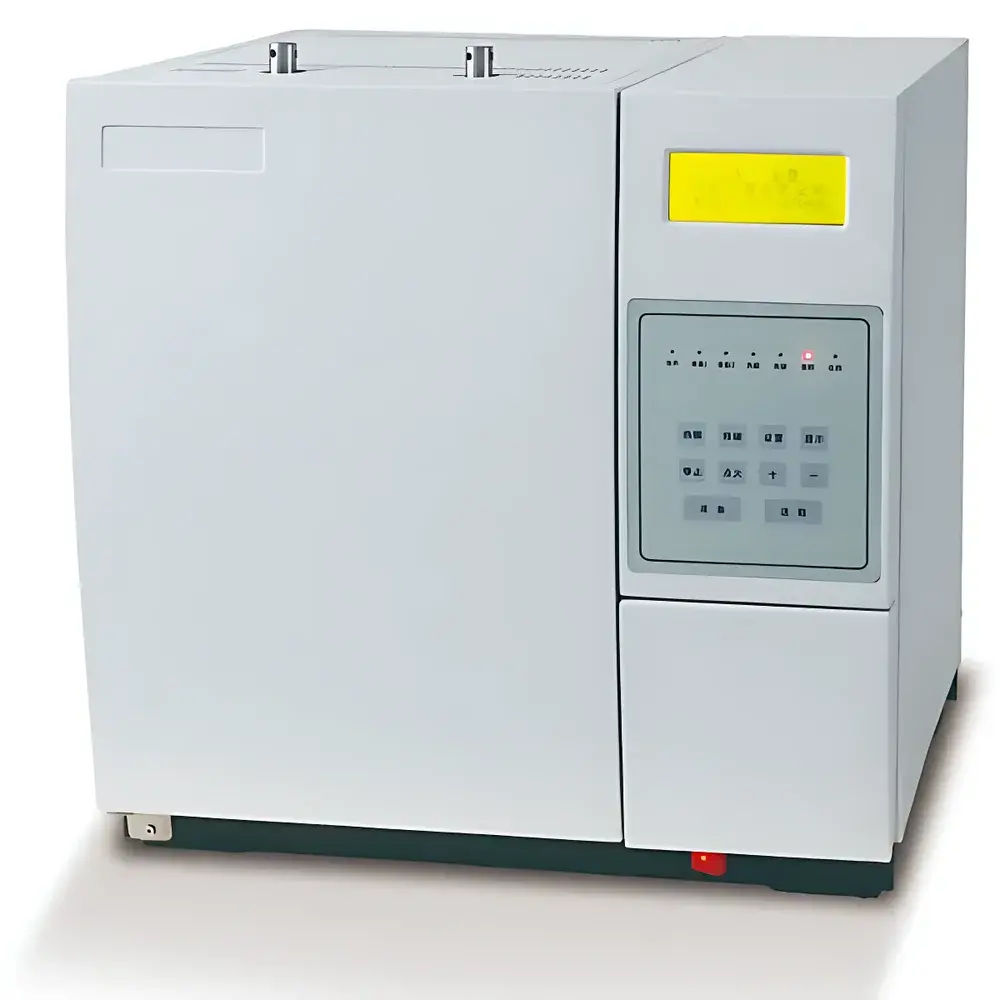
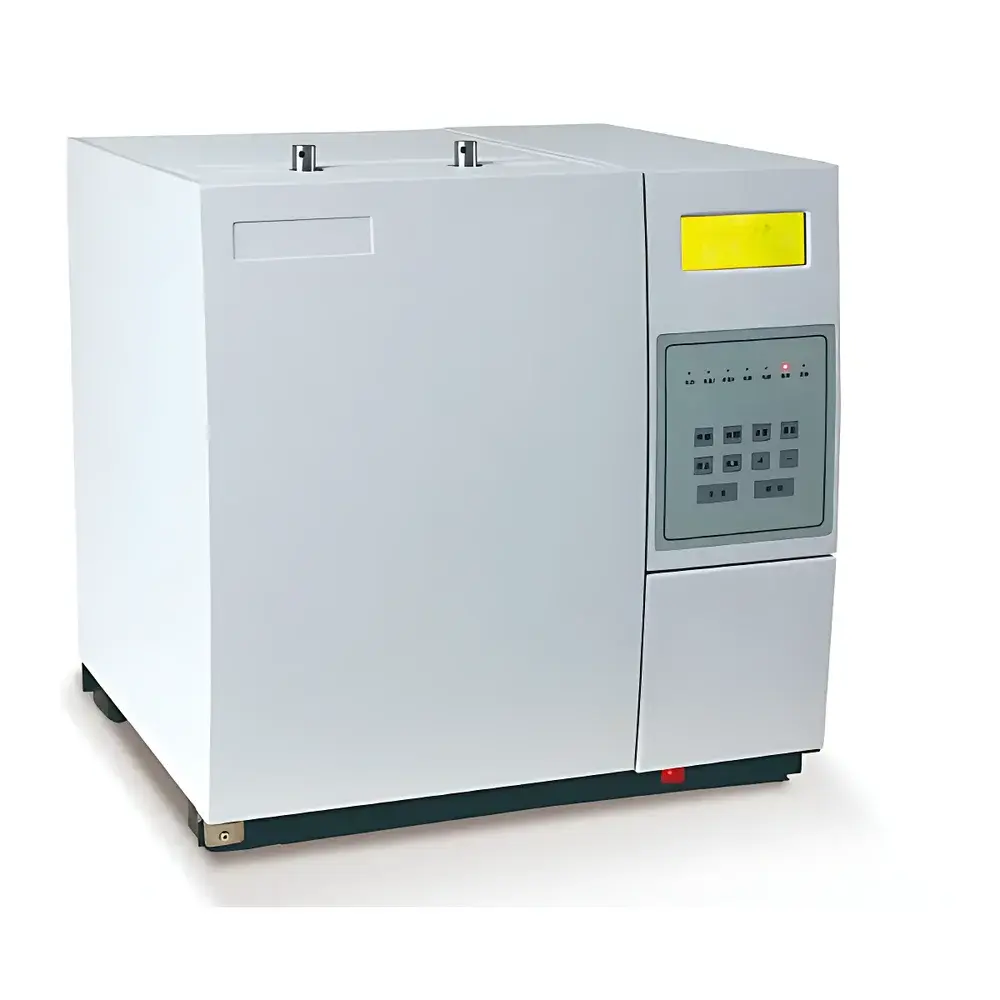
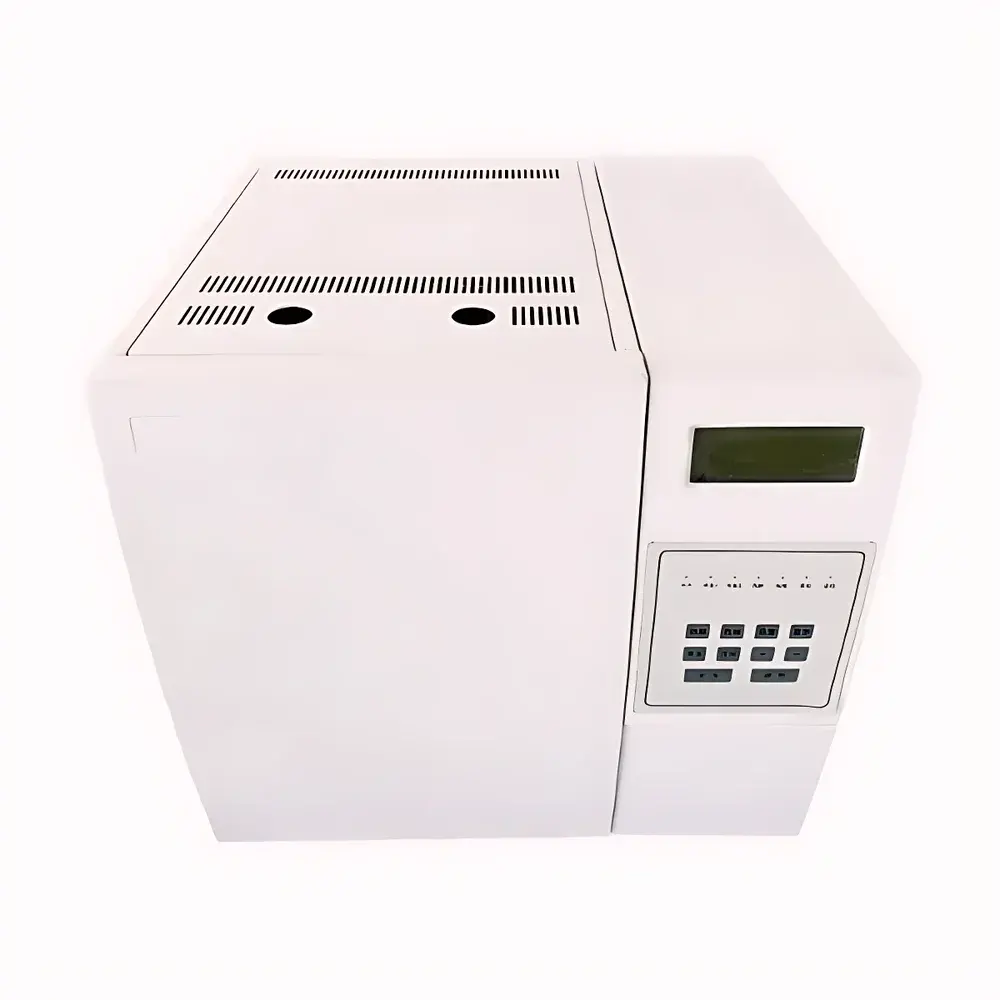
OG-2000V Geochemical Rock Pyrolysis Analyzer by Jinpu
| Brand | Jinpu |
|---|---|
| Origin | Shandong, China |
| Model | OG-2000V |
| Instrument Type | Laboratory Gas Chromatograph for Geochemical Pyrolysis |
| Application Domain | Petroleum & Petrochemical Industry |
| Temperature Control Range | 360 ± 0.5 °C (FID), 600 ± 0.5 °C (Pyrolysis Furnace & Oxidation Furnace) |
| Ramp Rate | < 0.5 °C/min |
| Maximum Injector Temperature | 800 °C |
| Detection Principle | Flame Ionization Detection (FID) |
| Minimum Hydrocarbon Detection | 0.001 mg HC/g rock |
| Baseline Drift | < 0.1 mV/30 min |
| Linear Dynamic Range | 10⁶ |
| Analysis Cycle Time (Full Pyrolysis–Residual Carbon) | 14.5 min |
| Number of Predefined Thermal Programs | 4 (Source Rock, Reservoir Rock, Thermal Simulation, User-Defined) |
| Temperature Linearity Deviation | < 0.5 °C/min |
| Interface | USB 2.0 (Direct Signal Output to PC) |
Overview
The OG-2000V Geochemical Rock Pyrolysis Analyzer is a purpose-built laboratory gas chromatograph engineered for quantitative geochemical evaluation of sedimentary rocks in petroleum exploration and production laboratories. It implements sequential thermal desorption, pyrolysis, and oxidation protocols—per ASTM D7260 and ISO 10303-compliant methodologies—to determine key hydrocarbon generation parameters including S1 (free hydrocarbons), S2 (kerogen-derived hydrocarbons), S3 (CO₂ from organic carbon oxidation), and residual carbon (RC). The instrument integrates a dual-flame ionization detector (dual-FID) configuration with high-stability temperature control across three independent zones: injector (up to 800 °C), pyrolysis furnace (600 ± 0.5 °C), and oxidation furnace (600 ± 0.5 °C). Its core measurement principle relies on controlled thermal degradation under inert (He/N₂) and oxidative (air/O₂) atmospheres, followed by real-time FID signal acquisition calibrated against certified shale standards traceable to NIST SRM 2710a.
Key Features
- Single-cylinder sample introduction mechanism ensures precise, repeatable crucible positioning—critical for accurate Tmax determination and inter-laboratory reproducibility (RSD < 0.8 °C).
- Electromechanical sample handling: two 2/5-way solenoid valves govern carrier gas routing; identical sample rods used for both pyrolysis and TOC analysis eliminate thermal gradient artifacts and mechanical wear.
- Programmable six-port valve actuated by stepper motor enables fully automated switching between pyrolysis and oxidation gas streams—no manual intervention or calibration drift over extended operation.
- High-integration electronics architecture: only two PCBs manage all analog signal conditioning, temperature regulation, and valve sequencing—reducing failure points and enabling field-level maintenance without specialized tools.
- Ultra-low-noise microcurrent amplifier (gain stability ±0.02 %/hr) delivers linear response up to 2000 mV output, supporting robust quantification of high-S2 samples without range switching or signal saturation.
- Real-time digital temperature display for all three heated zones—providing full transparency for GLP audit trails and method validation documentation.
- Active forced-air cooling system reduces cycle time to 14.5 minutes per full Rock-Eval™-equivalent sequence (S1–S2–S3–RC), improving throughput by >40% versus legacy single-furnace designs.
Sample Compatibility & Compliance
The OG-2000V accepts standard 10–100 mg powdered rock samples in alumina crucibles (Ø 6.5 × 10 mm). It complies with industry-standard analytical workflows defined in API RP 44, ASTM D7260-22 (Standard Practice for Determination of Total Organic Carbon in Sedimentary Rocks), and CNPC SY/T 5119–2021. All thermal programs adhere to the Rock-Eval® nomenclature framework and support export of raw data in ASCII format compatible with Petrel, Kingdom, and IHS Harmony interpretation platforms. The system supports 21 CFR Part 11-compliant audit trail logging when operated with validated software versions—ensuring data integrity for regulatory submissions in E&P reporting contexts.
Software & Data Management
Bundled GeoPyro v4.2 software provides full instrument control, real-time chromatogram visualization, peak integration, and standardized geochemical parameter calculation (Tmax, HI, OI, PI, RC%, TOC%). It runs natively on Windows 10/11 (64-bit) and includes built-in templates for source rock typing (e.g., kerogen classification per Tissot & Welte), reservoir quality assessment, water-flooded zone identification, and hydrocarbon phase prediction. Raw signal files (.dat) include embedded metadata (sample ID, operator, date/time, calibration status, thermal program ID) and support batch processing via scriptable Python API. Data export options include CSV, Excel (.xlsx), and PDF report generation with customizable headers, footers, and company branding.
Applications
- Quantitative assessment of petroleum source rock maturity, richness, and kerogen type in basin modeling studies.
- Routine screening of drill cuttings and core samples during exploration and appraisal drilling operations.
- Thermal simulation experiments to model hydrocarbon generation kinetics under varying burial histories.
- Quality control of enhanced oil recovery (EOR) fluid interactions with reservoir rock matrices.
- Supporting regulatory compliance reporting for environmental baseline surveys in offshore concession areas.
FAQ
What detection method does the OG-2000V use, and why is FID preferred over TCD for geochemical pyrolysis?
The instrument employs dual flame ionization detectors (FIDs) optimized for hydrocarbon selectivity and low detection limits (0.001 mg HC/g rock). FID offers superior sensitivity, dynamic range (10⁶), and resistance to matrix effects compared to thermal conductivity detectors (TCD), especially in complex rock extracts containing CO₂, H₂O, and light hydrocarbons.
Does the system support automated calibration and performance verification?
Yes—built-in calibration routines support daily system suitability testing using certified reference materials (e.g., n-decane spikes, shale standards). Baseline drift, sensitivity, and retention time stability are automatically logged and flagged if exceeding predefined thresholds.
Can the OG-2000V be integrated into a LIMS environment?
Via optional OPC UA or RESTful API modules, the instrument supports bidirectional communication with major LIMS platforms (e.g., LabWare, STARLIMS) for sample registration, result ingestion, and electronic signature capture.
Is hardware modification required to interface with modern PCs?
No—USB 2.0 native interface eliminates need for legacy serial/parallel adapters or proprietary DAQ cards; plug-and-play compatibility with Windows 10/11 ensures long-term IT infrastructure sustainability.
What maintenance intervals are recommended for routine operation?
FID nozzle cleaning every 200 injections; Ni catalyst replacement every 6 months or 1,000 analyses; annual verification of temperature accuracy using NIST-traceable thermocouple calibrators. Full service manual and spare parts catalog are provided with delivery.
Related Products





