
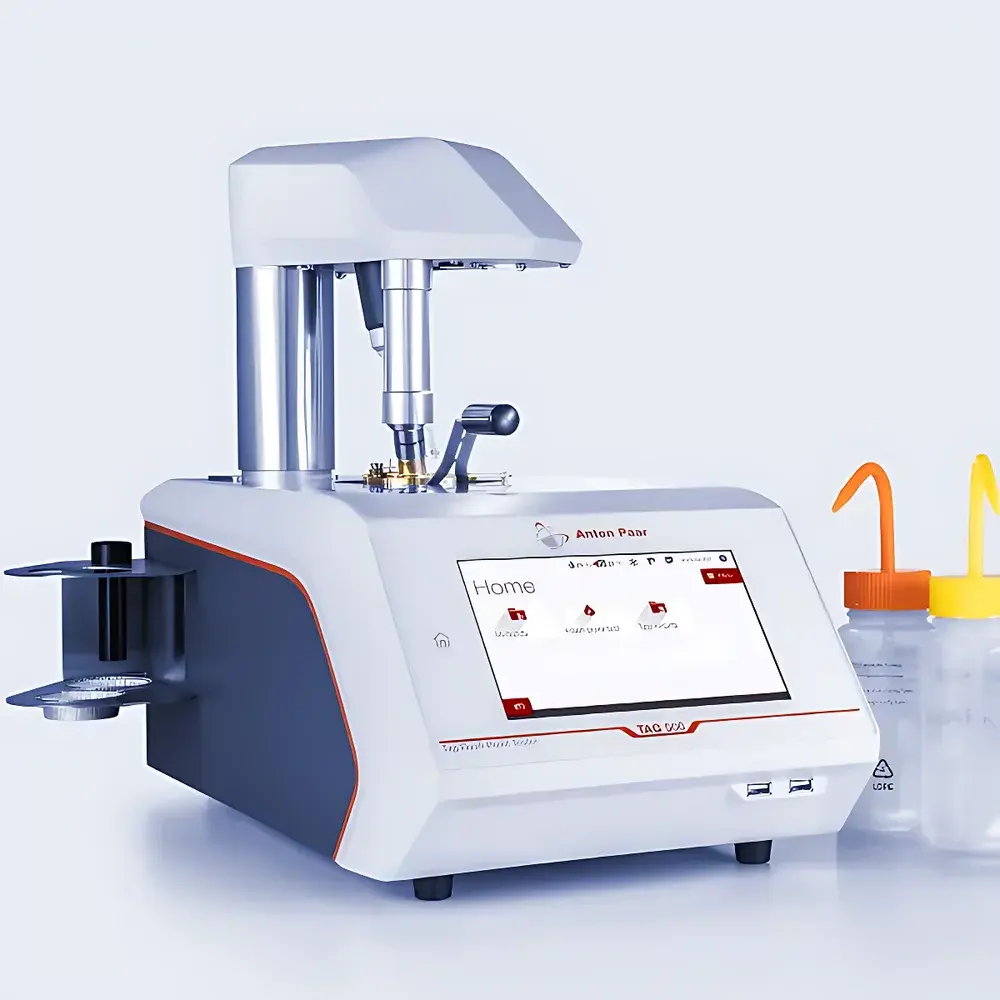
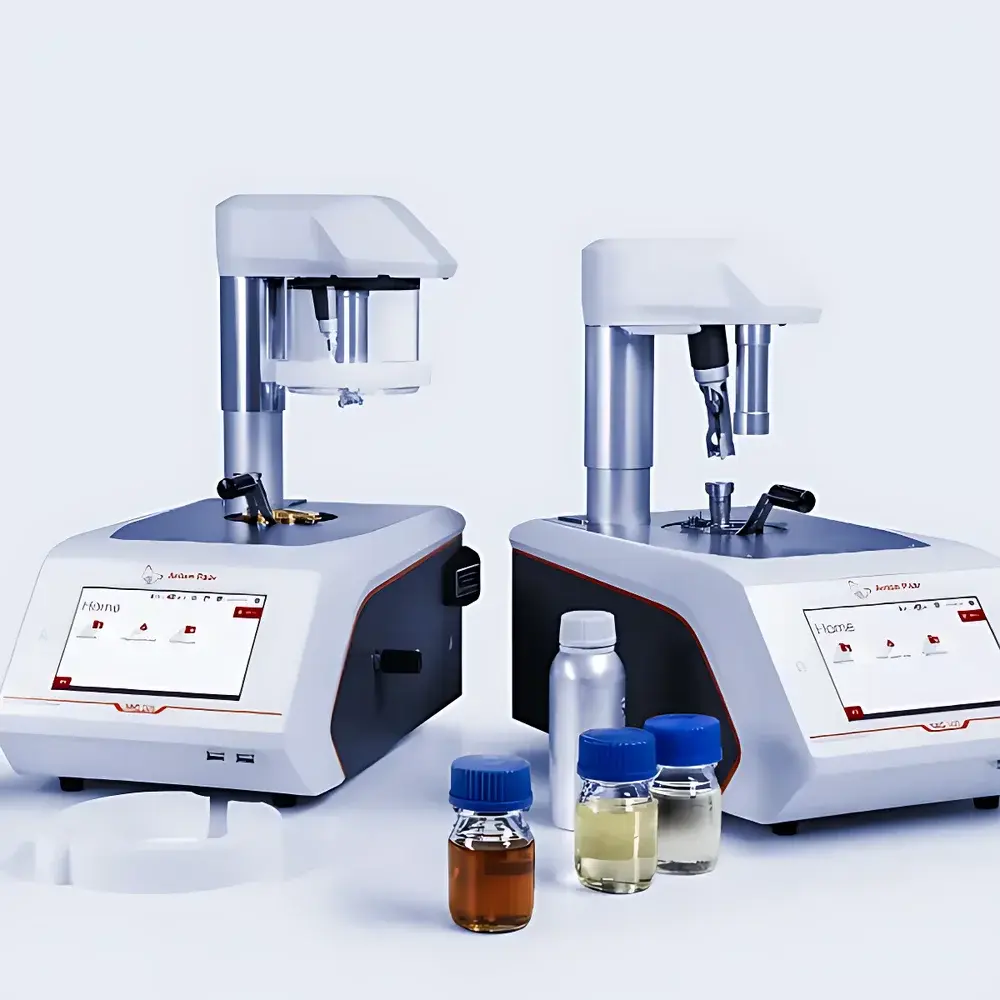
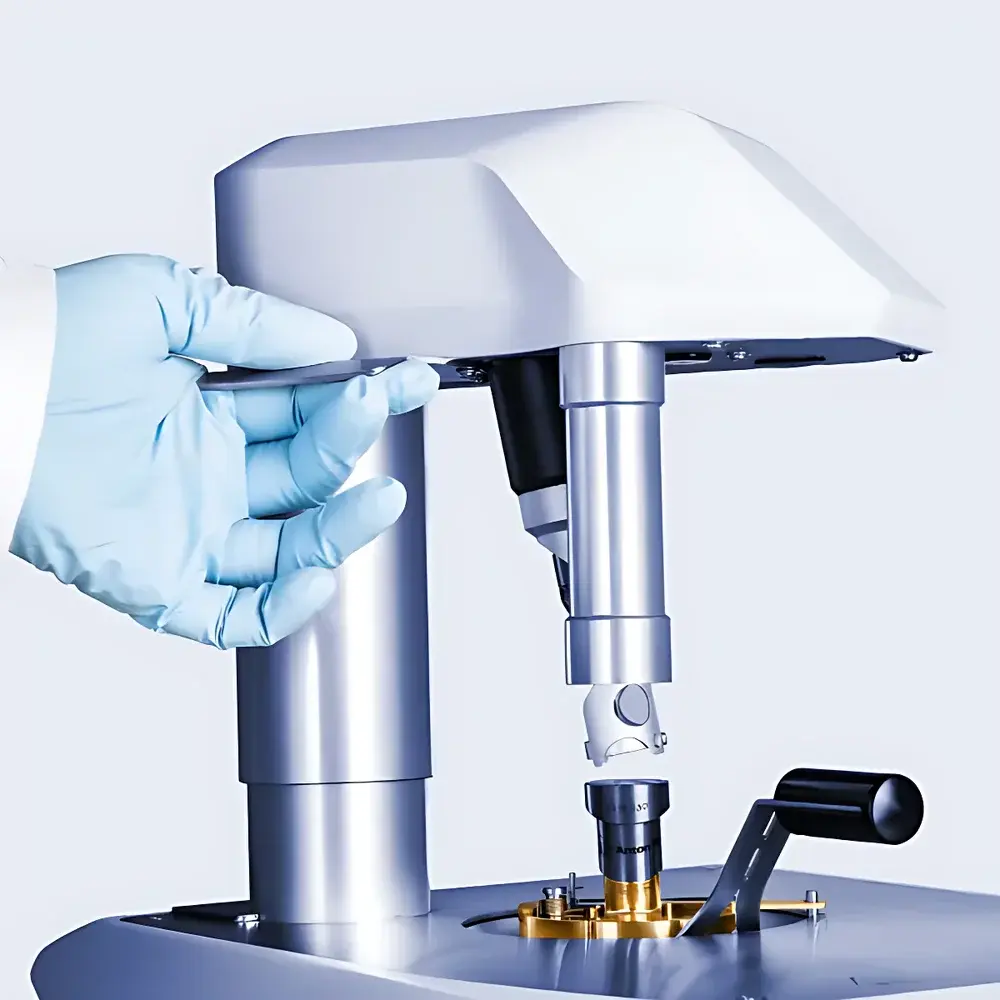
Anton Paar TAG 300/500 Closed-Cup Flash Point Analyzer
| Brand | Anton Paar |
|---|---|
| Origin | Germany |
| Manufacturer | Anton Paar GmbH |
| Type | Imported Instrument |
| Model | TAG 300/500 |
| Detection Method | Closed-Cup (TAG) |
| Operation Mode | Fully Automatic |
| Sample Temperature Range | −35 °C to +130 °C |
| Ignition Source | Ceramic-Coated Electric Igniter |
| Compliant Standards | ASTM D56, ASTM D3941, ASTM D3934, ISO 1516, ISO 1523 |
Overview
The Anton Paar TAG 300/500 is a fully automated, CE-marked closed-cup flash point analyzer engineered for precise, repeatable, and safe determination of flash point temperatures in flammable liquids according to standardized Tagliabue (TAG) methodology. Based on the equilibrium and non-equilibrium closed-cup principles defined in ASTM D56 (Tag Open Cup is not applicable; this instrument strictly adheres to closed-cup variants), ASTM D3941 (equilibrium method), ASTM D3934 (non-equilibrium method), ISO 1516, and ISO 1523, the system delivers metrologically traceable results under rigorously controlled thermal and atmospheric conditions. Its core measurement principle relies on controlled heating of a sealed sample cup, followed by periodic electronic ignition and detection of vapor-phase flammability via thermocouple-monitored temperature ramping and real-time flame recognition. Designed for routine quality control and regulatory compliance in petroleum refining, aviation fuel certification, specialty chemical manufacturing, fragrance & flavor R&D, and industrial solvent production, the TAG 300/500 integrates hardware robustness with software-driven procedural integrity—ensuring data reliability across GLP, GMP, and ISO/IEC 17025 environments.
Key Features
- Fully automated operation with integrated sample cup handling, ignition, temperature ramping, and flame detection—eliminating manual intervention and operator variability.
- Ceramic-coated electric igniter with >10× extended service life versus conventional wire-based systems; no consumables or gas cylinders required for standard operation.
- Dual-redundant optical flame detection system (TAG 500) or optional upgrade (TAG 300) providing fail-safe fire recognition independent of thermal sensors.
- Integrated CO2/N2 automatic extinguishing module with pressure-regulated inert gas supply (400–500 kPa); terminates measurement and cools sample to safe temperature upon flame confirmation.
- Modular, cable-free multi-sensor head with auto-mating electrical and thermal interfaces—enabling rapid probe exchange and minimizing contamination risk.
- Internal Peltier-based cooling (fan-assisted) enabling flash point testing from +10 °C to +130 °C (TAG 500) or +10 °C to +110 °C (TAG 300); external chiller support extends operational range to −35 °C.
- 7-inch capacitive touchscreen (PCAP) with customizable UI layout, real-time test progress visualization, and context-sensitive soft keys for method selection, calibration, and diagnostics.
- Comprehensive atmospheric pressure compensation using an internal barometric sensor; flash point values automatically corrected to standard atmospheric pressure (101.325 kPa).
Sample Compatibility & Compliance
The TAG 300/500 accommodates a broad spectrum of volatile organic liquids—including jet fuels (Jet A-1, JP-8), gasoline blends, diesel fractions, aromatic solvents (xylene, toluene), alcohols, esters, essential oils, and halogenated compounds—without requiring method reconfiguration. Sample contact materials are configurable: brass test cups conform to ASTM/ISO reference specifications, while stainless-steel variants are available for corrosive or sulfur-rich matrices. All operational sequences enforce strict adherence to the sequence logic, heating rate tolerances, stirrer activation timing, and ignition timing windows mandated by ASTM D56, D3941, D3934, ISO 1516, and ISO 1523. The system supports full audit trail generation per FDA 21 CFR Part 11 requirements when paired with AP Connect software, including electronic signatures, user-level access control (administrator/operator/analyst roles), and immutable timestamped event logging.
Software & Data Management
Instrument control, method development, and result reporting are managed through the embedded firmware and optional AP Connect platform. Up to 1,000 user-defined test protocols—including custom ramp rates, dwell times, ignition intervals, and pass/fail criteria—can be stored locally. Measurement data (flash point, onset temperature, repeatability, standard deviation, atmospheric pressure, ambient humidity) are automatically timestamped and archived in a 1 GB internal database supporting ~50,000 tests. Export options include CSV, PDF, and XML formats via USB or LAN; direct integration with LIMS, ELN, or MES systems is enabled through HTTP API or SMTP-triggered email reports. AP Connect provides centralized cloud-accessible storage, remote instrument monitoring, firmware update deployment, and cross-device statistical trending—fully compliant with network security policies (TLS 1.2+, LDAP authentication).
Applications
- Aviation fuel certification per ASTM D1655 Annex A1 (flash point ≥ 38 °C for Jet A/A-1).
- Regulatory release testing of gasoline, naphtha, and distillate fractions in refinery QC labs.
- Stability assessment of fragrance oils and cosmetic solvents during formulation development.
- Batch release verification of industrial cleaning agents, paint thinners, and adhesive carriers.
- Research-grade screening of biofuel blends (e.g., FAME, ethanol-gasoline mixtures) for volatility safety profiling.
- Contract laboratory services requiring ISO/IEC 17025-compliant flash point determinations with full traceability.
FAQ
What distinguishes the TAG 300 from the TAG 500 model?
The TAG 500 includes an enhanced dual-zone Peltier cooling system, extended low-temperature capability (−35 °C with external chiller), standard optical flame detection, and integrated CO2/N2 extinguishing. The TAG 300 offers a cost-optimized configuration with single-zone cooling (down to −7 °C internally), optional flame detection, and modular extinguisher add-on.
Can the instrument perform both equilibrium and non-equilibrium flash point tests?
Yes. It natively supports ASTM D3941 (equilibrium) and ASTM D3934 (non-equilibrium) methods, as well as ISO 1516 and ISO 1523, with programmable heating rates, stirrer control, and ignition scheduling per standard requirements.
Is calibration traceable to national standards?
Yes. Certified reference materials (CRM) for flash point (e.g., NIST SRM 2721, 2722) can be used for performance verification. Internal temperature sensors (Pt100), pressure transducer, and igniter timing are subject to user-executable calibration routines with documented adjustment logs.
How is data integrity ensured during long-term deployment?
All measurements generate immutable records with digital signatures, change history, and time-stamped metadata. AP Connect enforces role-based access, encrypted data transmission, and automated backup—meeting ALCOA+ (Attributable, Legible, Contemporaneous, Original, Accurate, Complete, Consistent, Enduring, Available) principles.
Are stainless-steel test cups available for sulfuric acid or HCl-containing samples?
Yes. Optional 316L stainless-steel test cups and lids are supplied for aggressive media; compatibility must be verified per application-specific corrosion testing protocols prior to routine use.
Related Products







