
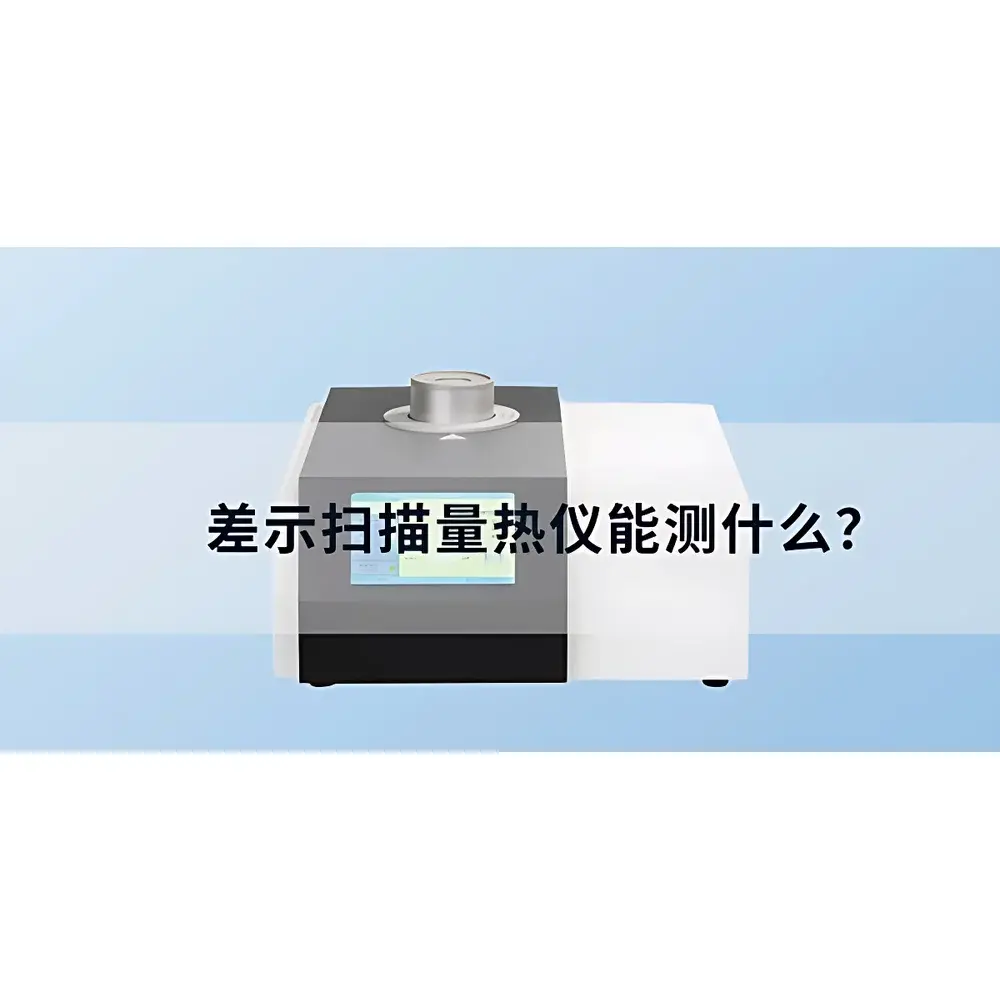
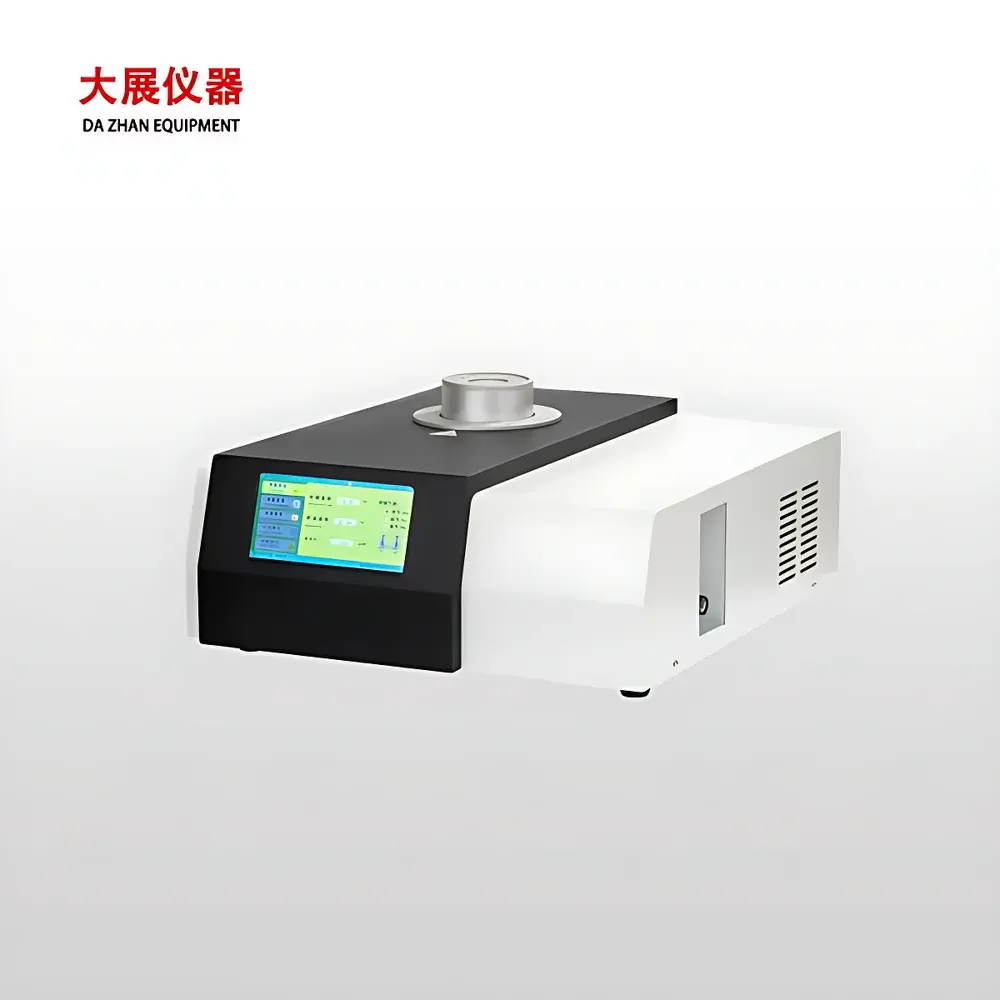
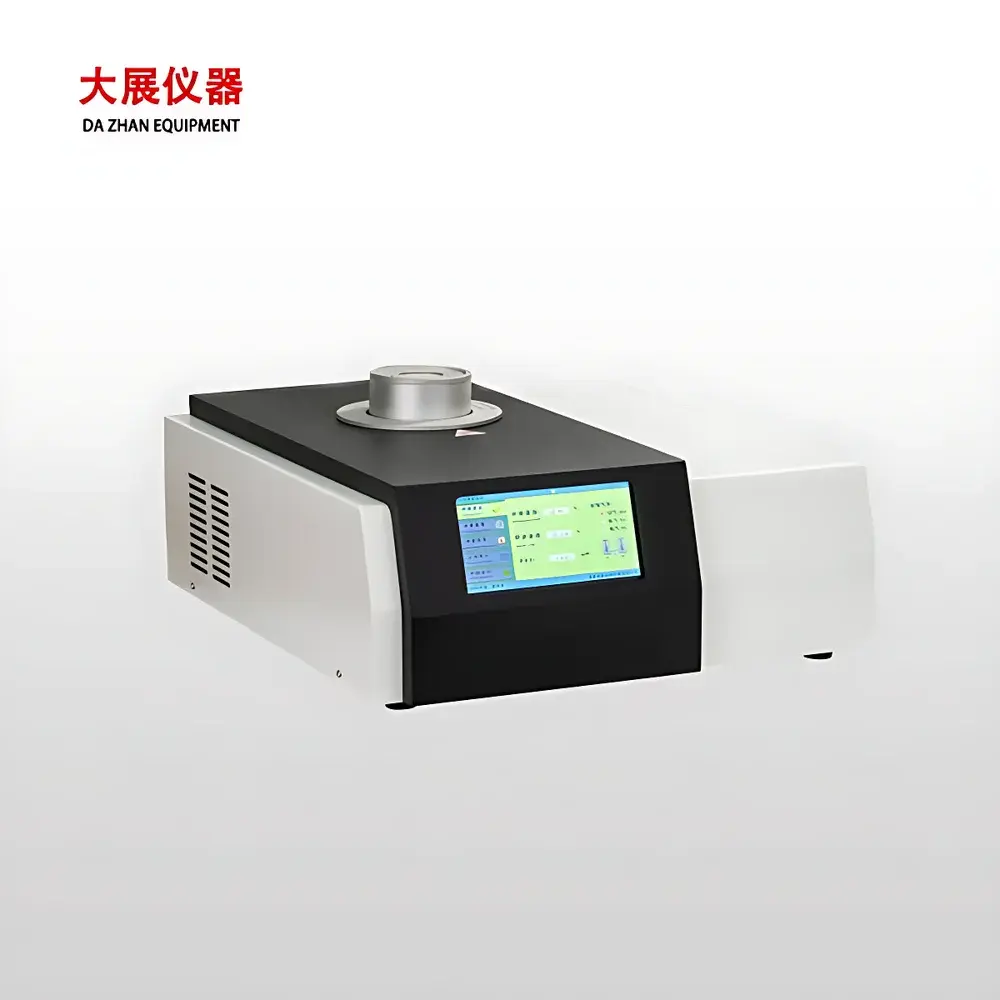
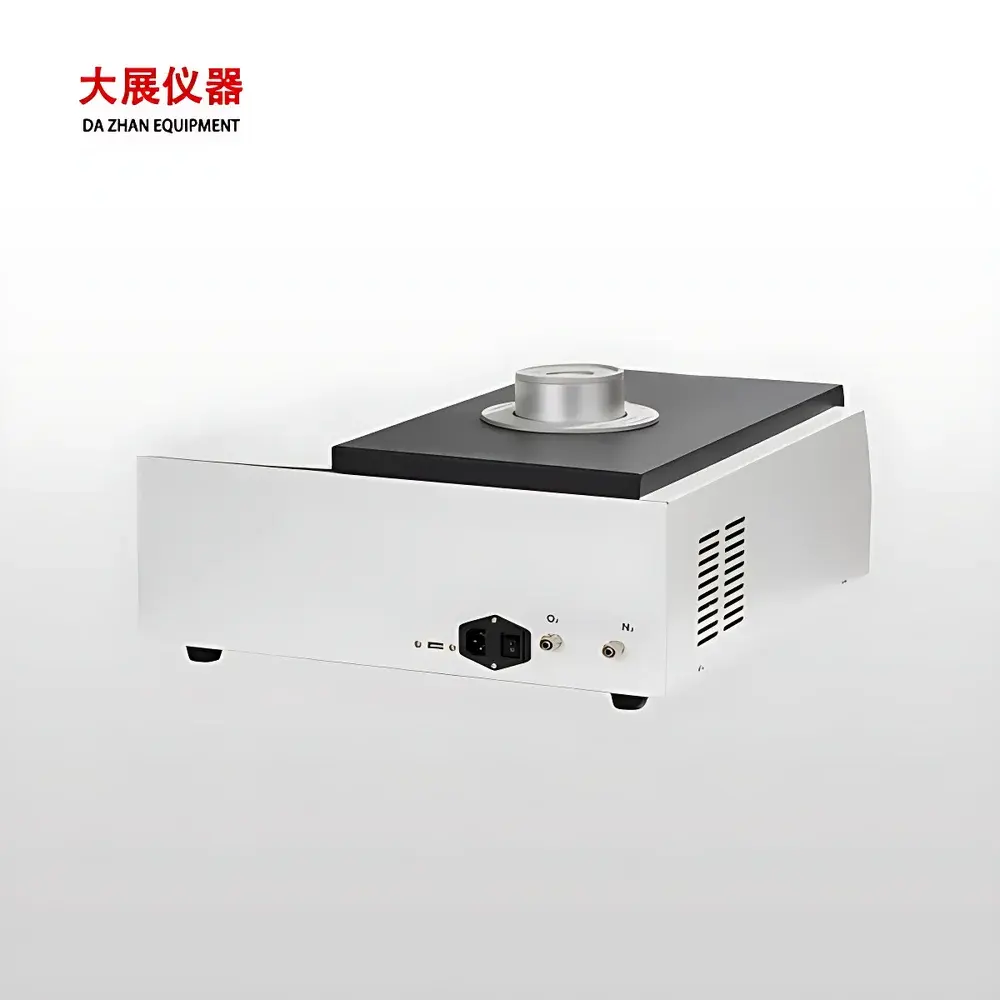
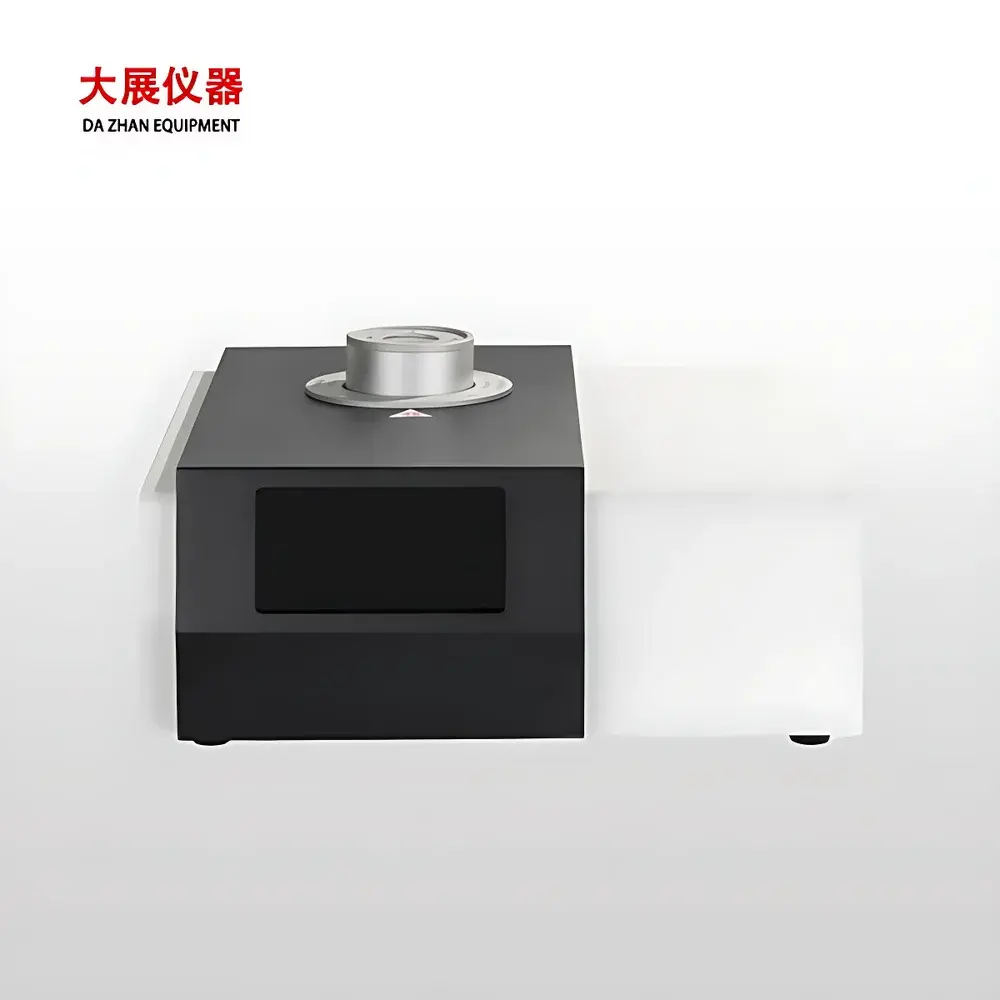
Nanjing Dazhan DZ-DSC100A Differential Scanning Calorimeter
| Brand | Nanjing Dazhan |
|---|---|
| Origin | Jiangsu, China |
| Manufacturer Type | Direct Manufacturer |
| Model | DZ-DSC100A |
| Sample Capacity | Single-sample |
| Instrument Type | Heat-Flux DSC |
| Temperature Range | Ambient to 600 °C |
| Temperature Accuracy | ±0.1 °C |
| Temperature Precision | ±0.01 °C |
| Temperature Stability (Drift) | ±0.01 °C |
| Heating/Cooling Rate | 0.1–100 °C/min |
| DSC Signal Range | 0 to ±600 mW |
| DSC Noise Level | 0.01 μW |
| DSC Resolution | 0.01 μW |
| DSC Sensitivity | 0.01 mW |
| Control Method | Full-program PID-based auto-control with isothermal, ramp, and hold segments |
| Atmosphere Management | Dual-gas (N₂/O₂) automatic switching with digital mass flow control |
| Data Interface | USB 2.0 bidirectional communication |
| Display | 7-inch 24-bit color capacitive touchscreen LCD |
| Calibration | Pre-loaded certified reference materials (e.g., Indium, Zinc) with one-click thermal and enthalpy calibration |
Overview
The Nanjing Dazhan DZ-DSC100A Differential Scanning Calorimeter is a high-stability, heat-flux-type thermal analysis instrument engineered for precise quantification of endothermic and exothermic transitions in solid and semi-crystalline materials. Based on the principle of differential heat flow measurement between a sample and an inert reference under controlled temperature programs, the DZ-DSC100A delivers reproducible thermograms for fundamental thermal event characterization—including glass transition (Tg), cold crystallization, melting onset and peak temperature (Tm), crystallinity estimation, oxidative induction time (OIT), crosslinking enthalpy, and thermal degradation kinetics. Its operational range from ambient to 600 °C supports routine polymer characterization, pharmaceutical solid-state screening, metal alloy phase analysis, and quality assurance of composite precursors—making it suitable for R&D laboratories, QC departments, and academic thermal analysis facilities requiring ISO/IEC 17025-aligned instrumentation at entry-to-mid-tier performance levels.
Key Features
- Optimized heat-flux furnace architecture featuring dual-sensor symmetry and low thermal inertia, enabling enhanced baseline flatness (<±0.01 °C drift over 30 min isothermal hold) and improved peak resolution for closely spaced transitions.
- Digital mass flow controller (MFC) integrated into the purge gas system, supporting programmable N₂ or O₂ flow rates (0–200 mL/min) with real-time logging synchronized to thermogram timestamps in the raw data file.
- Dual-mode operation: local control via 7-inch 24-bit color capacitive touchscreen with intuitive icon-driven workflow, or remote orchestration via PC-based software using USB 2.0 bidirectional protocol—ensuring compatibility with automated lab environments.
- Cortex-M3 ARM microcontroller core delivering deterministic real-time PID loop execution, minimizing overshoot during rapid heating ramps (up to 100 °C/min) and ensuring sub-0.1 °C thermal accuracy across the full operating range.
- Onboard calibration suite with pre-verified reference standards (Indium, Zinc, Tin), enabling user-performed temperature and enthalpy calibration without external hardware—fully traceable to NIST-traceable certificates supplied with each unit.
Sample Compatibility & Compliance
The DZ-DSC100A accommodates standard 40 µL aluminum crucibles (hermetic or vented), platinum pans for aggressive chemistries, and optional high-pressure stainless-steel cells (up to 10 bar). It complies with key international test method frameworks including ASTM E794 (melting point), ASTM D3418 (Tg, Tm, heat of fusion), ISO 11357 series (polymers), and USP <1232> (thermal stability of drug substances). Data acquisition and storage meet GLP audit trail requirements: all parameter changes, calibration events, and operator logins are timestamped and immutably recorded in the proprietary .DSC binary format. Optional software modules support 21 CFR Part 11-compliant electronic signatures and role-based access control.
Software & Data Management
Bundled Windows-native analysis software provides baseline correction (tangent, step, or spline), peak integration (onset, peak, endset), multi-curve overlay, kinetic modeling (Ozawa-Flynn-Wall, Kissinger), and customizable report generation (PDF, CSV, Excel). Raw data files embed metadata including instrument serial number, firmware version, gas flow logs, and calibration history—enabling full traceability. Export formats conform to ASTM E1447 and ASTM E1640 standards for inter-laboratory data exchange. Batch processing mode allows unattended analysis of up to 99 sequential runs with auto-naming rules and pass/fail criteria based on user-defined thermal thresholds.
Applications
- Quantitative determination of degree of crystallinity in polyolefins and polyesters via fusion enthalpy normalization against 100% crystalline references.
- Oxidative induction time (OIT) testing per ASTM D3895 to evaluate antioxidant efficacy in PE/PP compounds under isothermal O₂ exposure at 200 °C.
- Characterization of amorphous drug dispersion stability via detection of secondary relaxation (β-transition) below Tg using modulated DSC protocols (optional upgrade).
- Thermal cure profiling of epoxy resins—identifying gelation onset, vitrification temperature, and residual enthalpy to optimize post-cure cycles.
- Phase diagram construction for binary metal alloys through repeated heating-cooling scans with <0.05 °C repeatability in Tm determination (n=10, SD ≤ 0.08 °C).
FAQ
What reference materials are included for calibration?
Indium (Tm = 156.60 °C, ΔHfus = 28.45 J/g), Zinc (Tm = 419.53 °C), and Tin (Tm = 231.93 °C) are supplied with NIST-traceable certificates. One-click calibration routines correct both temperature offset and DSC signal gain simultaneously.
Is the instrument compatible with inert and reactive atmospheres?
Yes—the built-in dual-channel digital MFC supports automatic switching between N₂ (inert) and O₂ (oxidative) gases. Optional third-gas port enables custom mixtures (e.g., 5% O₂ in N₂) via external manifold integration.
Can the DZ-DSC100A perform modulated temperature DSC (MTDSC)?
The base configuration operates in conventional DSC mode. MTDSC capability requires optional firmware license and upgraded sensor electronics—contact technical support for upgrade path documentation.
How is data integrity ensured during long-duration experiments?
All thermograms are saved in a binary format with embedded CRC-32 checksums. The system performs automatic file validation upon load; corrupted files trigger immediate alert and recovery prompts without data loss.
Does the instrument meet regulatory requirements for pharmaceutical QA labs?
Yes—when paired with validated software and documented SOPs, the DZ-DSC100A satisfies ICH Q5C (stability), USP <1232>, and EU GMP Annex 11 expectations for thermal characterization of APIs and excipients, including audit trail, electronic signature, and change control functionality.



