
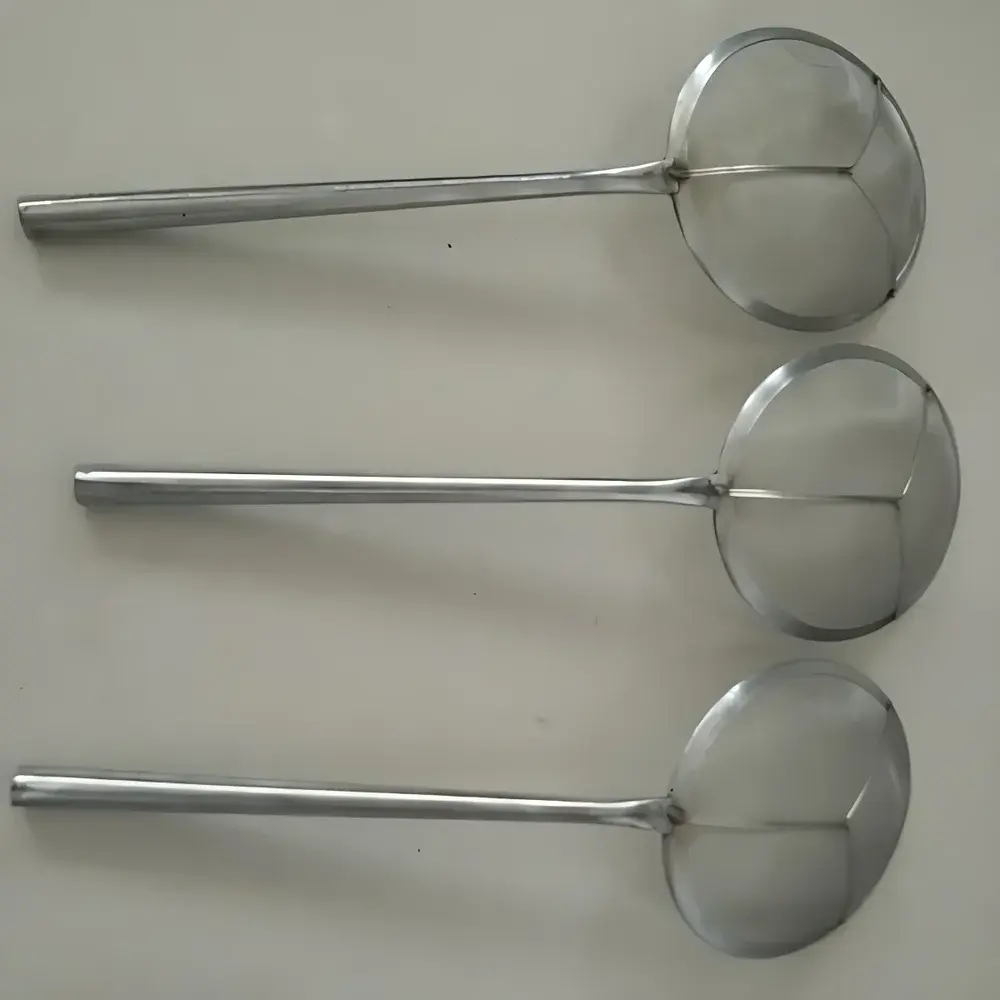
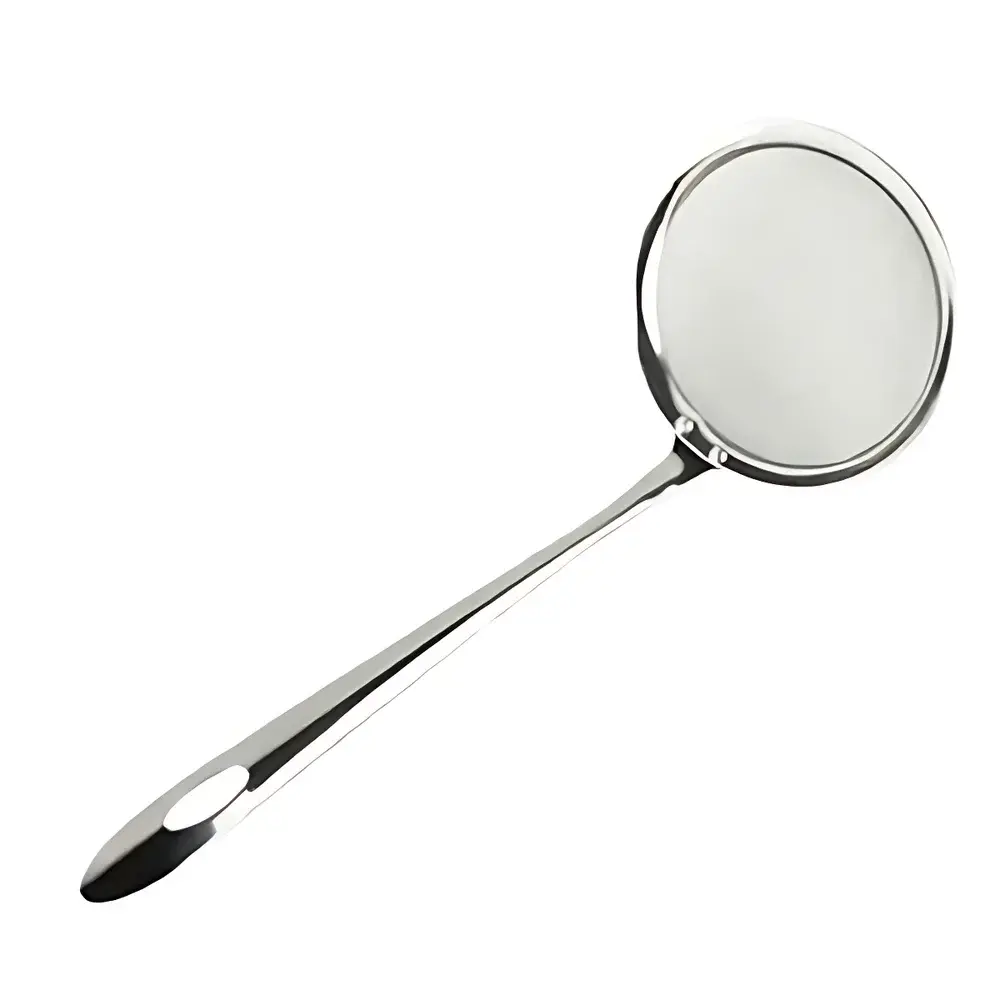
MingShen Science Float-Sink Test Scoop
| Brand | MingShen Science |
|---|---|
| Origin | Henan, China |
| Manufacturer Type | Authorized Distributor |
| Product Origin | Domestic (China) |
| Model | Float-Sink Test Scoop |
| Price | USD 7.20 (ex-works) |
Overview
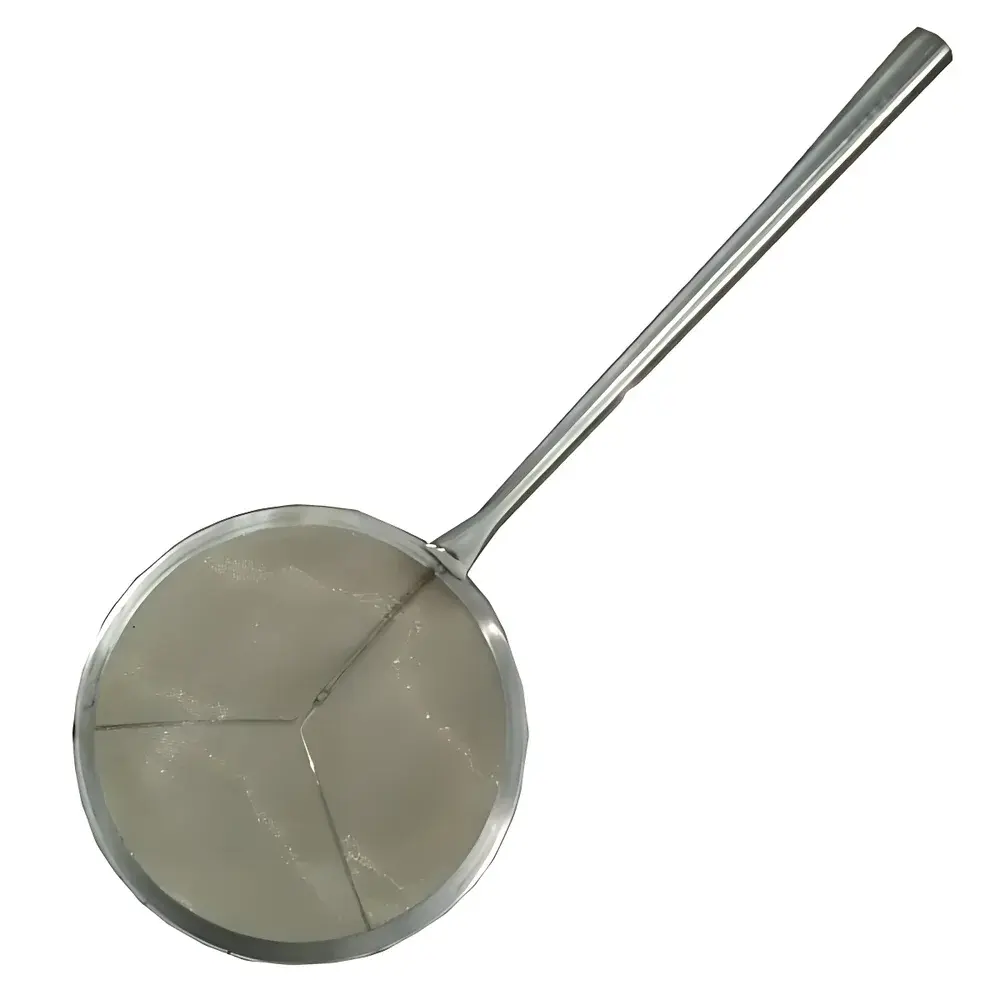
The MingShen Science Float-Sink Test Scoop is a precision laboratory tool engineered for standardized float-sink (density separation) analysis in coal preparation laboratories, mineral processing R&D centers, and geological testing facilities. Designed in strict accordance with ASTM D3174–22 (Standard Test Method for Ash in the Analysis Sample of Coal and Coke) and ISO 1171:2022 (Solid Mineral Fuels — Determination of Ash), this scoop supports gravimetric density fractionation by enabling controlled, low-turbulence retrieval of buoyant material from heavy liquid suspensions. Its operational principle relies on selective surface skimming—minimizing disturbance to the sediment layer while maximizing recovery efficiency of low-density fractions (e.g., coal macerals, light gangue, or synthetic polymer particles) suspended at defined interface depths. The device is not a standalone analytical instrument but an essential ancillary component within full float-sink test workflows, where reproducible sample handling directly impacts yield accuracy, ash content reporting, and washability curve fidelity.
Key Features
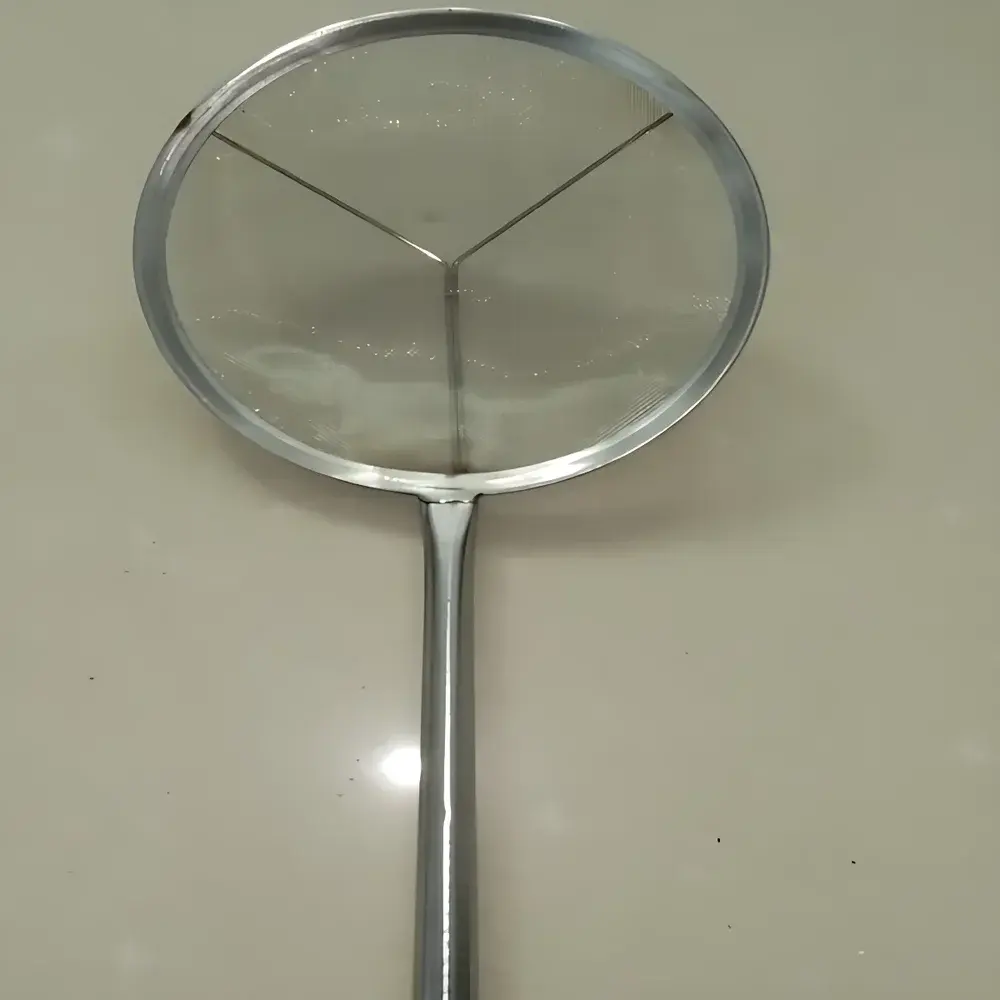
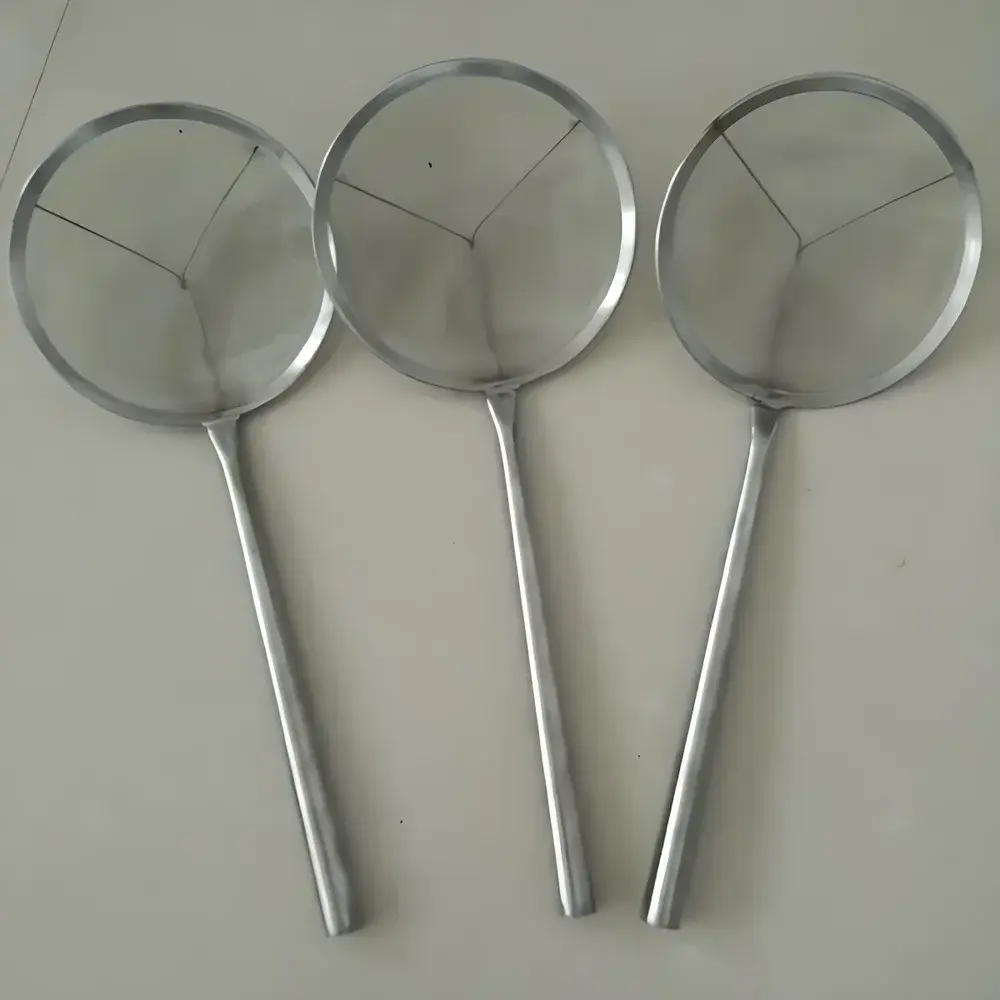
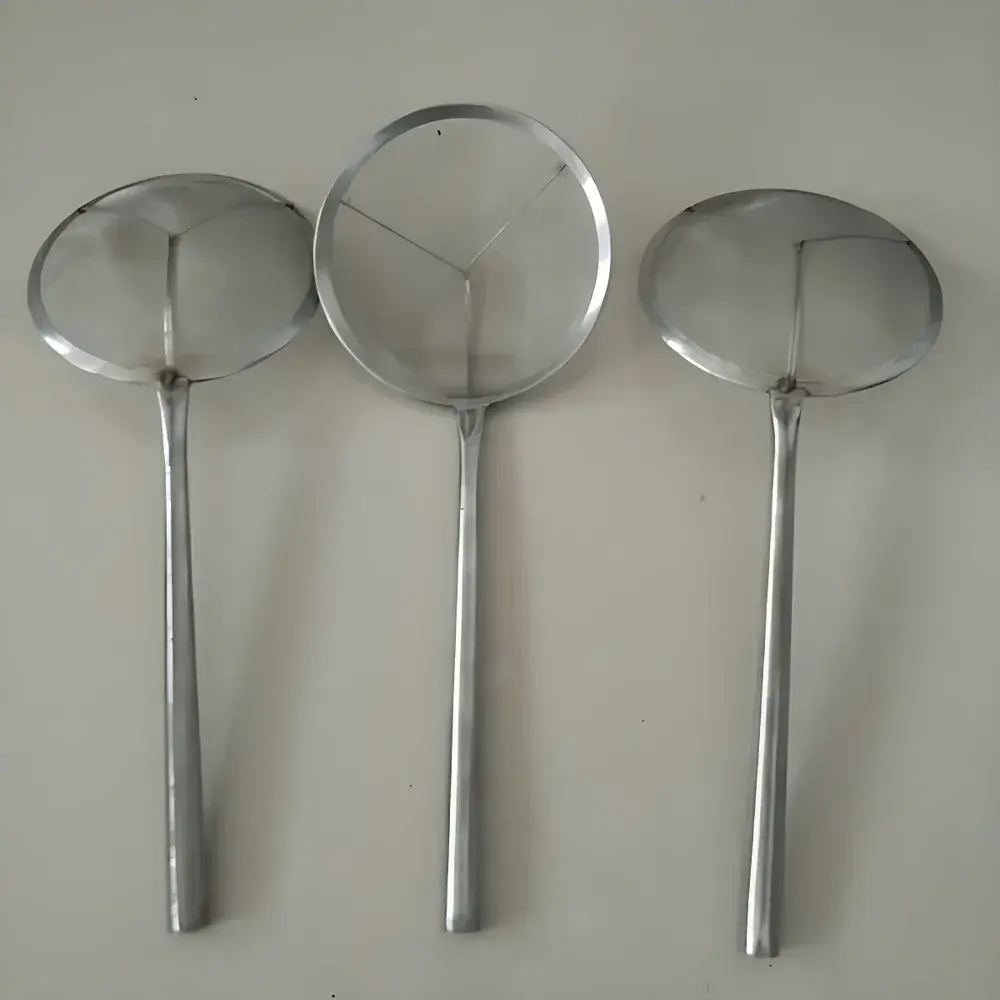
- Stainless steel wire mesh construction with precisely calibrated 0.5 mm square aperture—ensures consistent particle retention while permitting rapid drainage of dense medium (e.g., lithium heteropolytungstate, sodium polytungstate, or zinc bromide solutions)
- Ergonomic handle design with non-slip textured grip—optimized for steady, single-handed operation during repeated immersion and lifting cycles
- Controlled immersion depth limit (≤100 mm)—prevents vortex formation and minimizes entrainment of high-density sediment into the recovered float fraction
- Flat-bottomed, rigid rim geometry—maintains planar contact with suspension surface to ensure uniform scooping force distribution and directional consistency
- Corrosion-resistant finish compatible with pH 2–12 heavy liquids—validated for repeated use in both acidic and alkaline density media without structural degradation or metal ion leaching
Sample Compatibility & Compliance
This scoop is validated for use with standard float-sink test protocols involving coal samples (13–0.5 mm top size per ISO 1958:2020), crushed ore composites (up to 6 mm), and synthetic calibration standards (e.g., glass microspheres of known density). It complies with GLP documentation requirements when used in conjunction with traceable balance calibration, certified density media, and temperature-controlled bath systems (±0.5 °C). While not subject to CE or FDA regulatory classification as a medical or diagnostic device, its materials meet EN 10204:2004 Type 3.1 material certification standards for stainless steel components used in accredited testing laboratories.
Software & Data Management
No embedded electronics or firmware are present—the scoop operates exclusively as a manual mechanical tool. However, it integrates seamlessly into digital lab workflows via compatibility with LIMS platforms (e.g., LabWare LIMS, Thermo Fisher SampleManager) through standardized SOP templates. Users may assign unique asset IDs, log usage frequency per test batch, and link scooping events to corresponding float-sink assay records—including density medium lot numbers, temperature logs, and mass balance reconciliation reports. Audit trails generated during GLP-compliant testing include timestamps, operator ID, and observed float recovery efficiency metrics—all exportable in CSV or PDF format for regulatory review.
Applications
- Determination of coal washability characteristics per ASTM D4371–21 (Standard Practice for Float-Sink Analysis of Coal)
- Quantification of relative density distribution in iron ore, phosphate rock, and tungsten-bearing concentrates
- Validation of gravity concentrator performance (e.g., jigs, spirals, shaking tables) using synthetic feed analogs
- Quality control of recycled plastics streams via density-based polymer sorting verification
- Geochemical provenance studies requiring physical separation of detrital heavy minerals prior to SEM-EDS or LA-ICP-MS analysis
FAQ
Is this scoop suitable for use with organic solvents such as carbon tetrachloride?
No—carbon tetrachloride is prohibited under modern laboratory safety protocols (OSHA 1910.1200) due to carcinogenicity and environmental persistence. Use only EPA-approved, non-volatile heavy liquids meeting ASTM D7269–19 specifications.
What cleaning protocol is recommended between tests?
Rinse thoroughly with deionized water, followed by ultrasonic cleaning in 2% citric acid solution (10 min), then air-dry in laminar flow hood. Avoid chlorine-based cleaners to prevent pitting corrosion.
Can the mesh aperture be customized to 0.25 mm or 1.0 mm?
Yes—custom mesh configurations are available upon request with minimum order quantity of 50 units and lead time of 6–8 weeks.
Does this product carry ISO/IEC 17025 accreditation?
The scoop itself is not accredited; however, its use is fully compliant with ISO/IEC 17025:2017 Clause 6.4.1 (Equipment Verification) when verified against dimensional calipers traceable to NIST SRM 2192.
Related Products




