
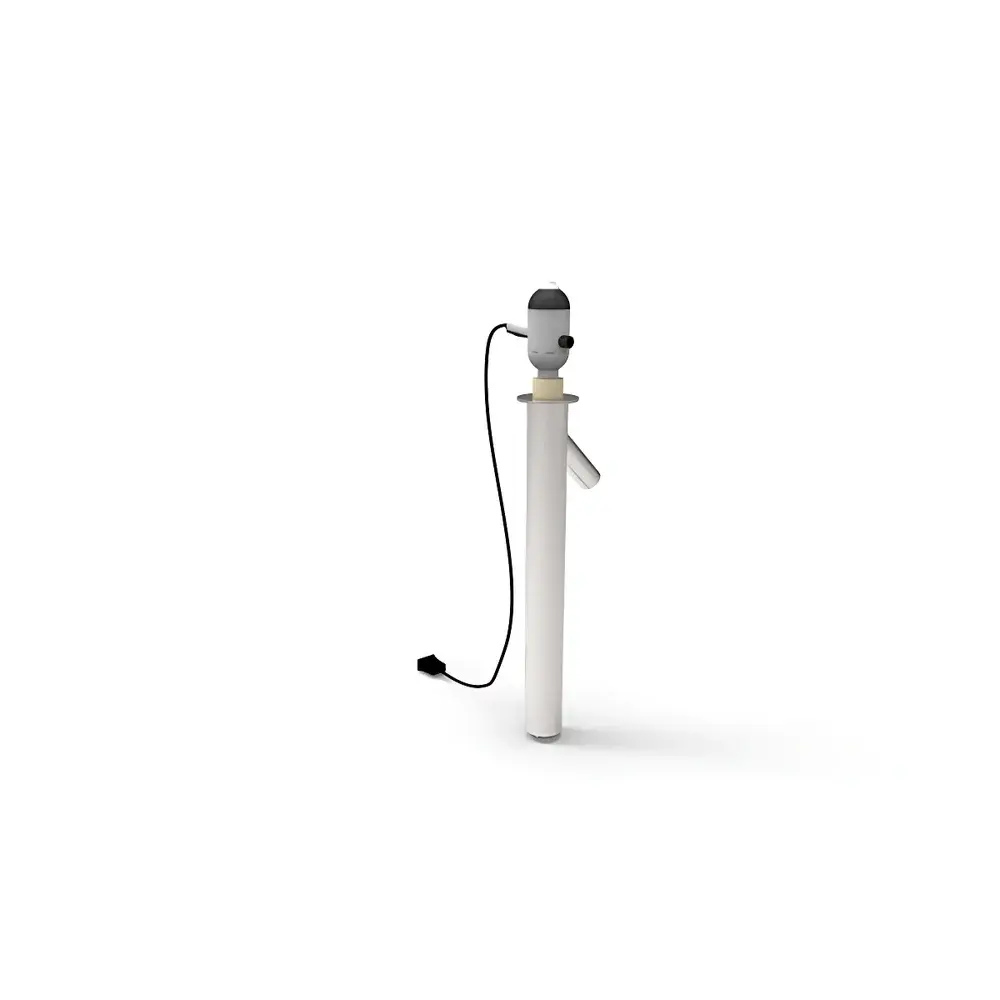
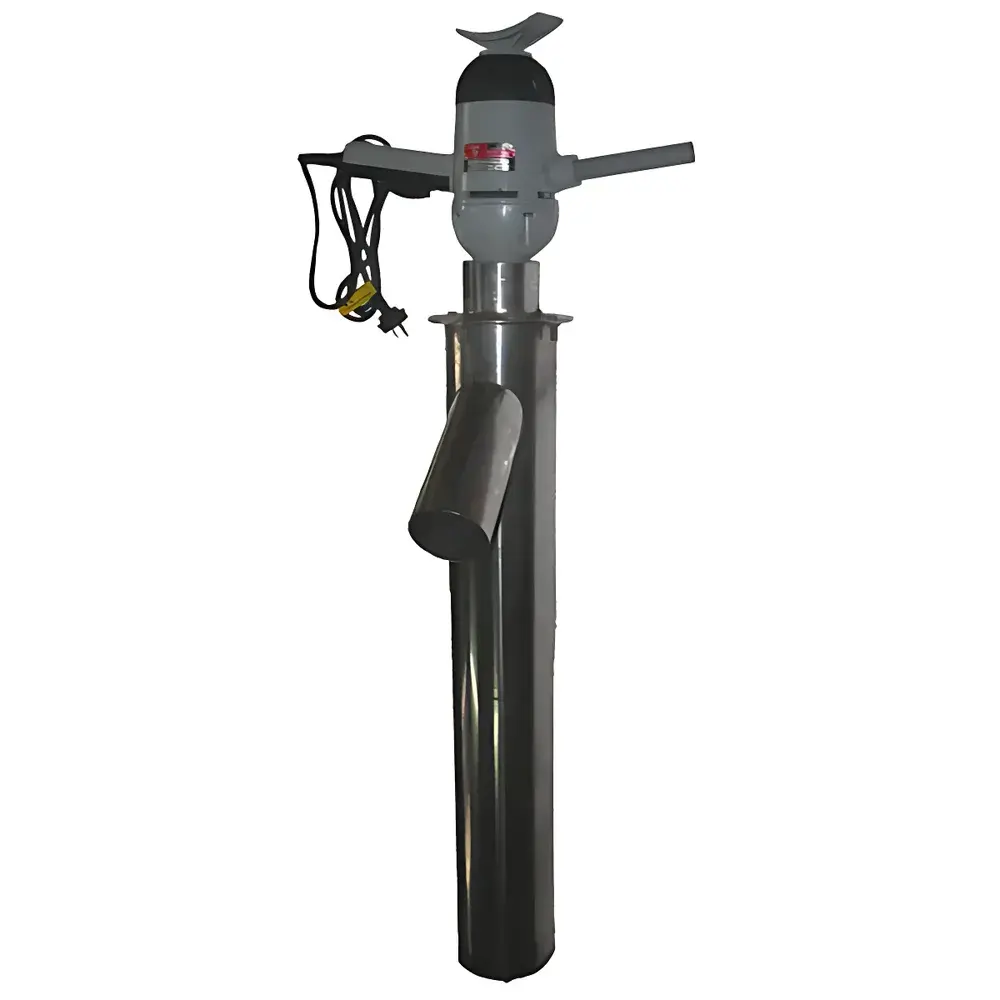
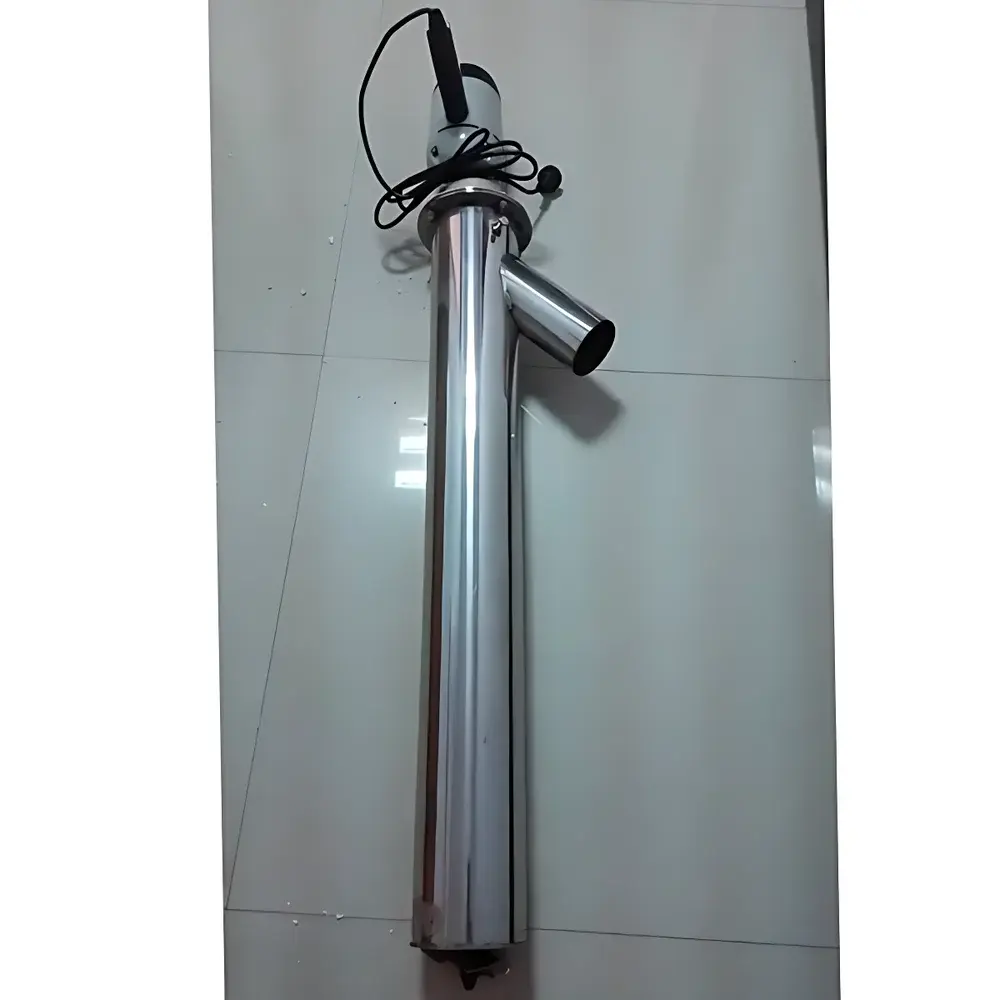
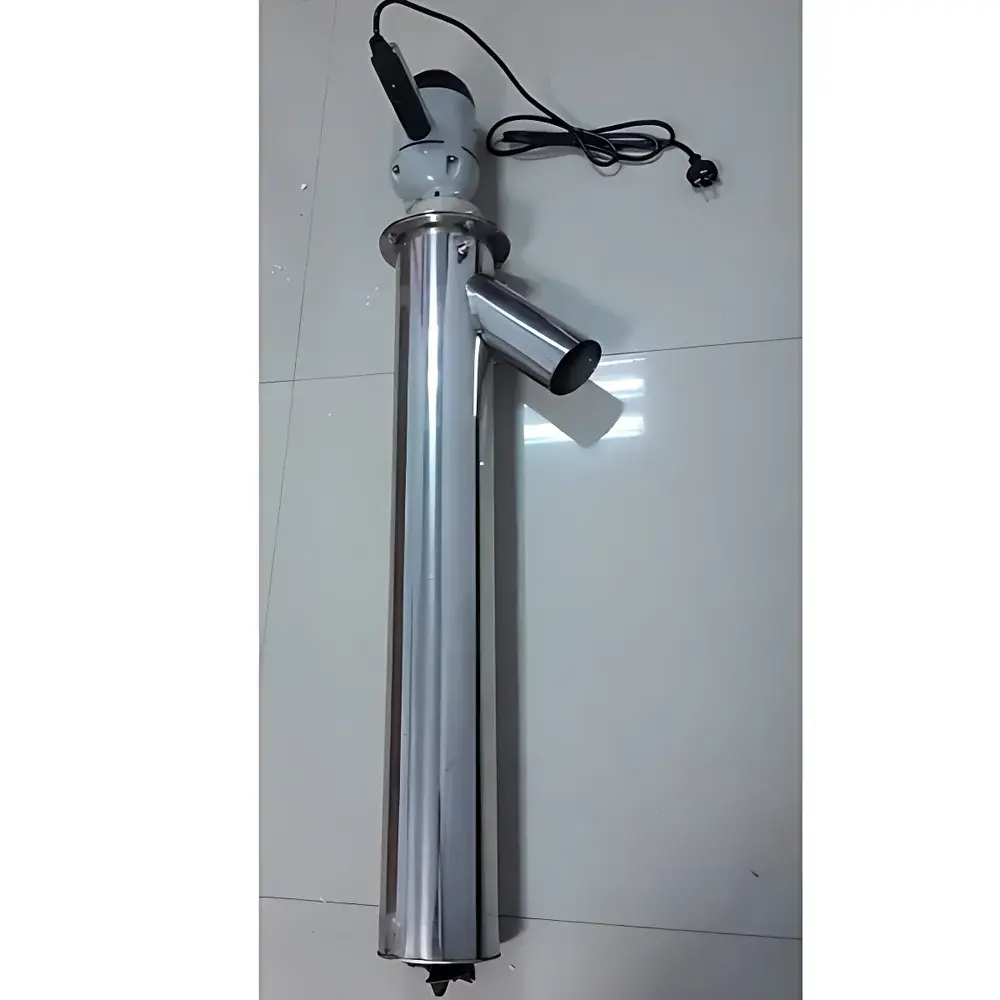
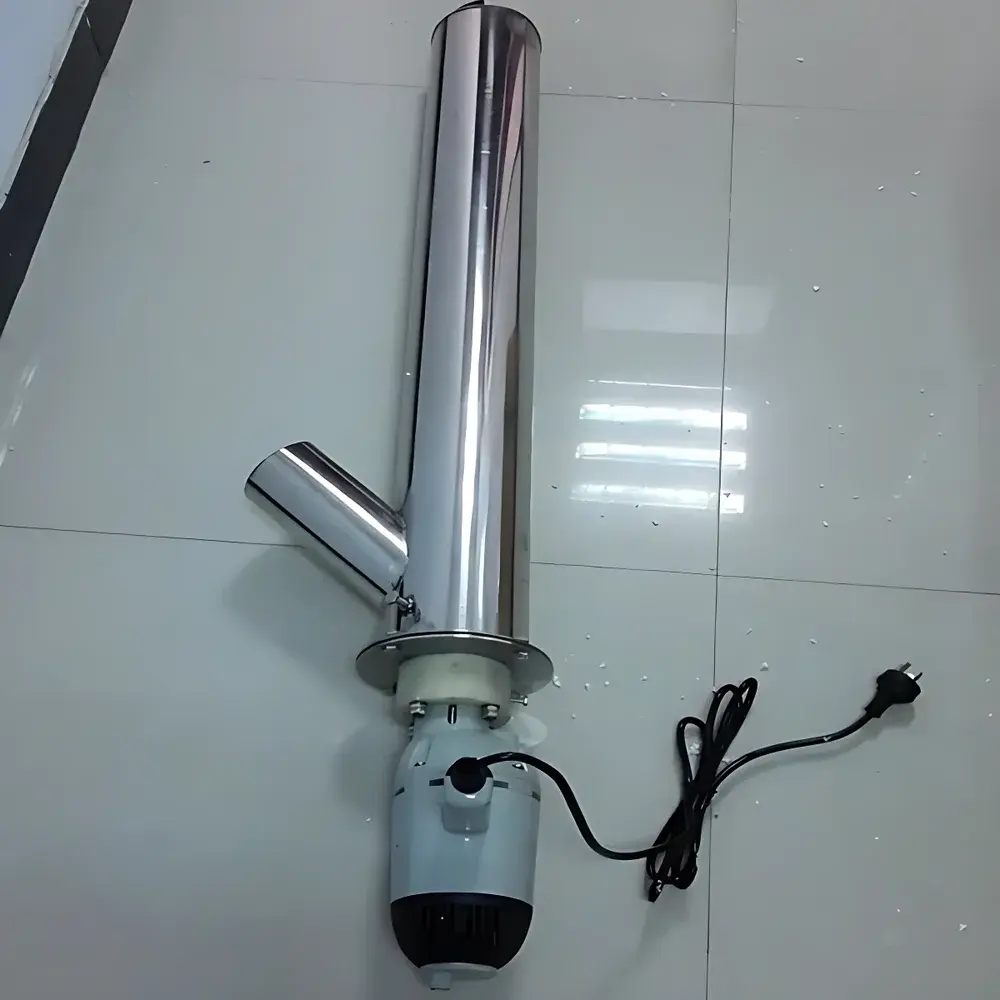
MingShen Science SDCY-6000D Portable Electric Soil and Bulk Solid Sampler
| Brand | MingShen Science |
|---|---|
| Origin | Henan, China |
| Manufacturer Type | Authorized Distributor |
| Origin Category | Domestic (China) |
| Model | SDCY-6000D |
| Automation Level | Semi-Automatic |
| Sampling Depth | 1200 mm |
| Sampling Capacity | 0–5 kg per cycle |
| Max Particle Size | 60 mm |
| Motor Power | 1.2 kW |
| Operating Voltage | 220 V AC |
| Sampler Weight | 20 kg |
| Auger Tube Diameter | Φ133 mm |
| Overall Dimensions | 1660 × 500 × 300 mm |
Overview
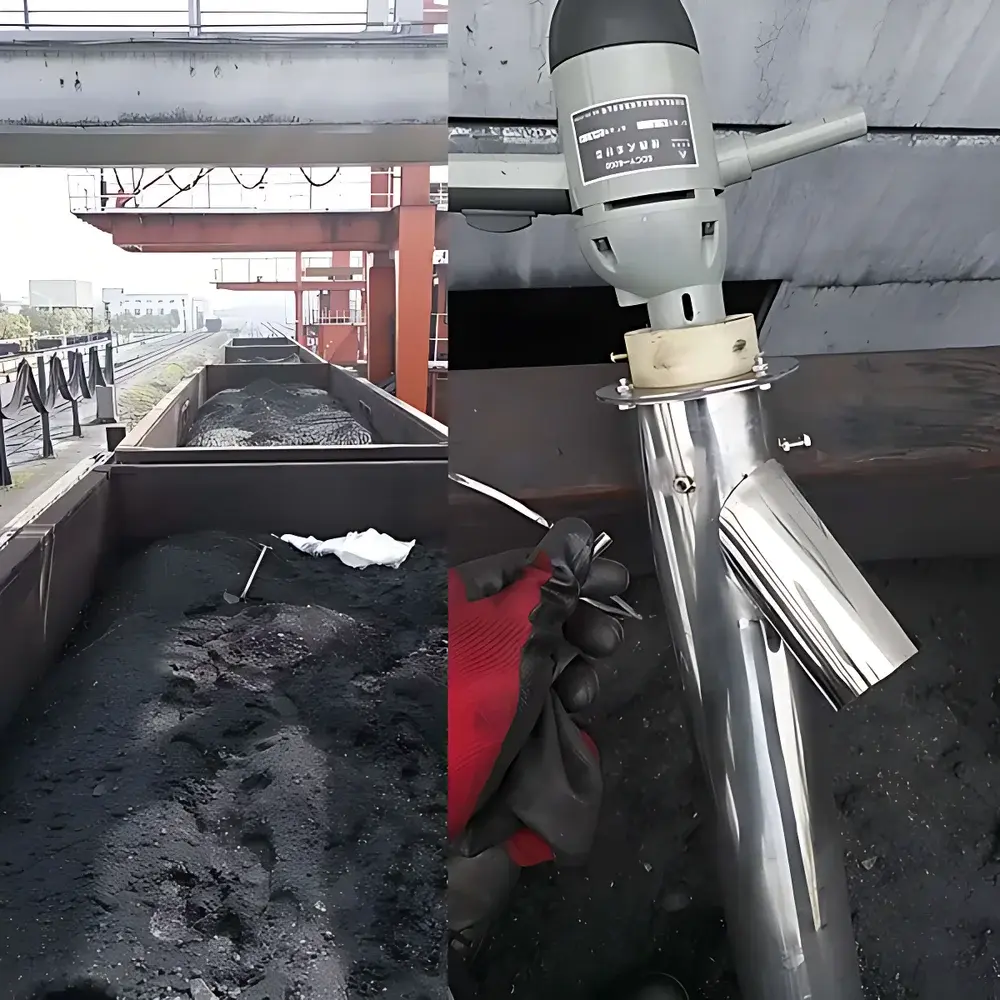
The MingShen Science SDCY-6000D Portable Electric Soil and Bulk Solid Sampler is a semi-automatic, motor-driven auger-based sampling instrument engineered for reliable, operator-assisted collection of heterogeneous solid particulate materials—including coal, soil, ore, slag, limestone, fly ash, and industrial granular feedstocks. It operates on the principle of rotary auger advancement: a high-torque electric motor drives a helical drill bit to penetrate vertically, horizontally, or obliquely into the material bed, lifting representative subsurface samples via continuous screw conveyance into an integrated collection tube. Designed specifically for field-deployable use in environments where fixed or fully automated sampling infrastructure is impractical—such as power plant coal receiving yards, open-pit stockpiles, construction sites, geological survey points, and raw material storage silos—the SDCY-6000D delivers consistent sample integrity while minimizing manual intervention and operator fatigue. Its compact footprint, modular hand-carried configuration, and adaptable mounting options (e.g., rail-mounted trolley or overhead beam suspension) enable rapid deployment across diverse spatial constraints without requiring civil modifications or permanent installation.
Key Features
- Motor-driven auger system with 1.2 kW brush-type AC motor for stable torque output under variable load conditions
- Adjustable penetration depth control up to 1200 mm, supporting both full-depth and stratified (segmented) sampling protocols
- Φ133 mm diameter stainless-steel sampling tube with smooth internal finish to minimize sample adhesion and cross-contamination
- Ergonomic dual-hand grip design with integrated momentary push-button switch for precise start/stop control
- Modular mechanical architecture enabling rapid disassembly for cleaning, calibration verification, and field maintenance
- Configurable collection interface compatible with standard sample bags (polyethylene or laminated foil), stainless-steel trays, or custom receptacles
- No hydraulic or pneumatic subsystems—reliant solely on electrical power (220 V AC), ensuring operational simplicity and reduced failure modes
Sample Compatibility & Compliance
The SDCY-6000D is validated for sampling non-cohesive to moderately cohesive bulk solids with particle sizes ≤60 mm and moisture content up to 25% w/w. It complies with foundational sampling principles outlined in ISO 13909-1:2016 (Coal and coke — Sampling — Part 1: General principles) and ASTM D2234/D2234M (Standard Practice for Collection of a Gross Sample of Coal). While not certified to GLP or GMP standards per se, its repeatable mechanical action supports traceable sampling workflows required under ISO/IEC 17025-accredited laboratories when paired with documented SOPs and operator training records. For coal quality assurance applications, it facilitates adherence to ASTM D3172 (Standard Practice for Proximate Analysis of Coal and Coke) and ASTM D3176 (Ultimate Analysis), provided sampling points are selected using statistically valid protocols (e.g., grid-based or systematic random sampling).
Software & Data Management
The SDCY-6000D is a hardware-only instrument with no embedded microcontroller, firmware, or digital interface. All operational parameters—including sampling location, depth, time stamp, operator ID, and collected mass—are recorded manually in field logbooks or imported into LIMS-compatible spreadsheets. This analog design eliminates cybersecurity vulnerabilities, reduces validation burden, and ensures long-term functional stability without software obsolescence. Users may integrate the device into electronic data capture systems via external barcode scanners, digital weighing terminals, or mobile data collection apps that support CSV export. Audit trails remain dependent on procedural discipline rather than automated logging; therefore, laboratories implementing this sampler must define and enforce strict documentation requirements aligned with ISO/IEC 17025 Clause 7.5 (Technical Records) and FDA 21 CFR Part 11 (where applicable to regulated coal testing).
Applications
- Power generation: Inbound coal sampling at railway unloading hoppers, truck dump stations, and stockyard reclaim zones
- Mining & metallurgy: Representative sampling of run-of-mine (ROM) ore, crushed aggregates, and sinter feedstock
- Environmental site assessment: Stratified soil coring for contamination profiling (e.g., heavy metals, hydrocarbons) down to 1 m depth
- Cement & building materials: Homogeneity evaluation of limestone, clay, slag, and fly ash prior to kiln feed blending
- Research & development: Controlled batch sampling in pilot-scale material handling trials and process simulation studies
- Third-party inspection: Field verification of consignment composition during logistics handover (e.g., FOB port, CIF terminal)
FAQ
Can the SDCY-6000D be used for wet or sticky soils?
Yes—provided moisture content remains below ~25% w/w. For highly saturated or clay-rich matrices, a preliminary “cleaning pass” (empty auger rotation without collection) is recommended before primary sampling to purge residual material from prior use.
Is calibration required before each use?
No formal calibration is mandated; however, daily visual inspection of auger integrity, tube cleanliness, and switch responsiveness is essential. Periodic torque verification (annually or after 500 operating hours) using a calibrated dynamometer is advised for critical QA/QC applications.
Does the unit meet ATEX or IECEx requirements for hazardous areas?
No—the SDCY-6000D is not intrinsically safe nor explosion-proof. It must only be operated in non-classified environments per IEC 60079-0 general requirements.
What maintenance intervals are recommended?
Lubrication of gear housing every 200 operating hours; replacement of carbon brushes every 1,000 hours; annual inspection of electrical insulation resistance (>1 MΩ at 500 V DC).
Can depth-specific sampling be performed without stopping the motor?
No—depth segmentation requires manual interruption of auger rotation to allow complete discharge of the current segment before resuming collection at the next interval. This ensures discrete stratification and avoids vertical mixing.







