
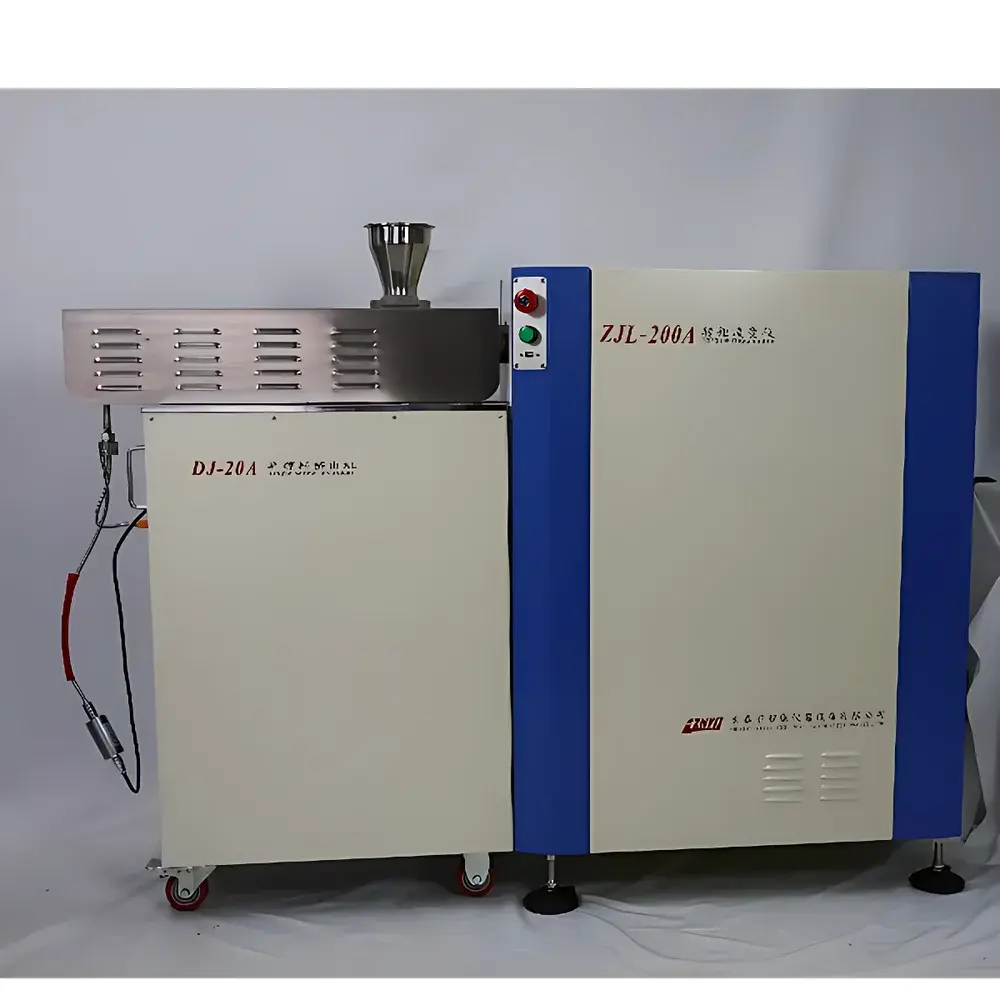
Changchun Intelligent ZJL-200A Torque Rheometer
| Brand | Changchun Intelligent |
|---|---|
| Origin | Jilin, China |
| Model | ZJL-200A |
| Motor Power | 3.0 kW |
| Speed Range | 0.1–150 rpm |
| Speed Control Accuracy | ±0.5% F.S. |
| Torque Measurement Range | 0–200 N·m |
| Torque Resolution | 0.1 N·m |
| Torque Accuracy | ±0.5% F.S. |
| Frequency Range | 10⁻³–628 rad/s |
| Melt Pressure Range | 0.1–100 MPa |
| Pressure Accuracy | ±0.5% F.S. |
| Temperature Control Range | Ambient to 300 °C (5-zone) |
| Temperature Accuracy | ±1.0 °C |
| Mixer Chamber Capacity | 60 mL |
| Screw L/D Ratio | 25:1 |
| Capillary Dies | Ø1.27 mm, L/D = 20:1, 30:1, 40:1 |
| Dimensions (Host + Mixer or Extruder) | 1600 × 450 × 1300 mm (L×W×H) |
| Supply Voltage | AC 380 V, 6 kW |
Overview
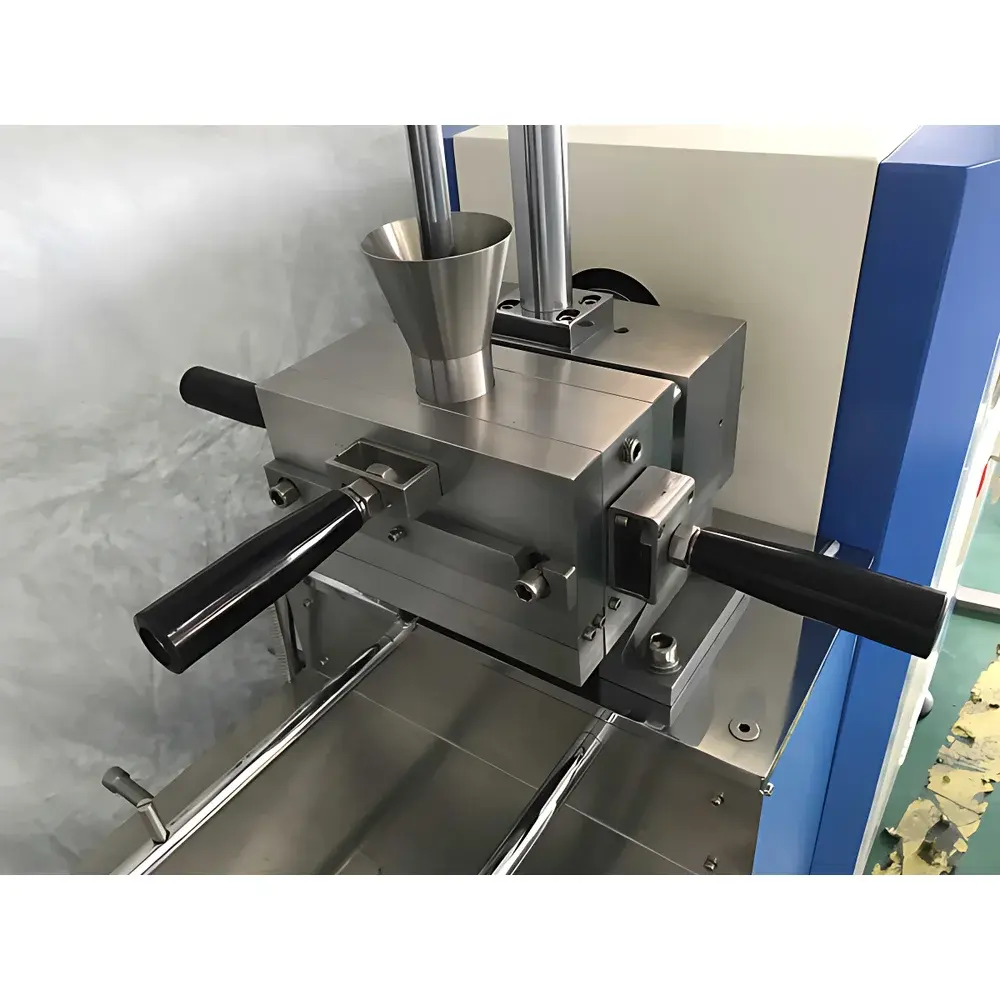
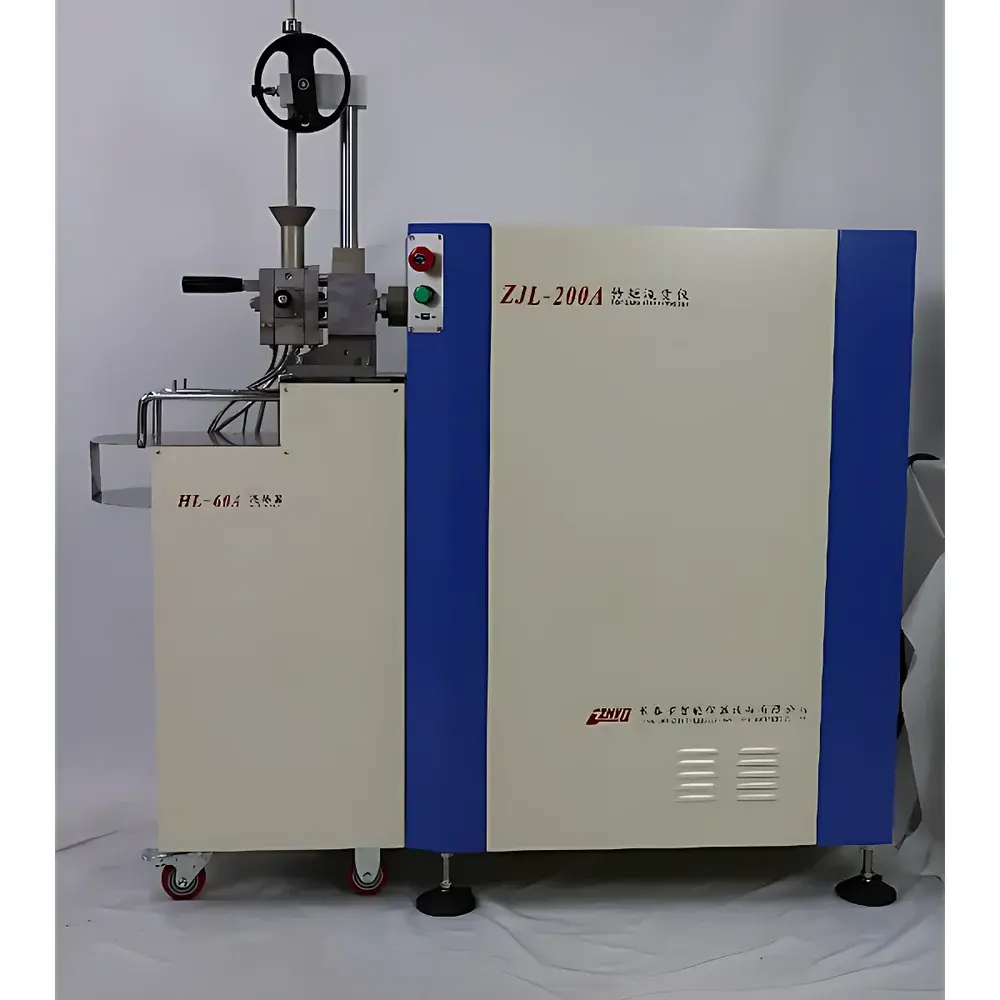
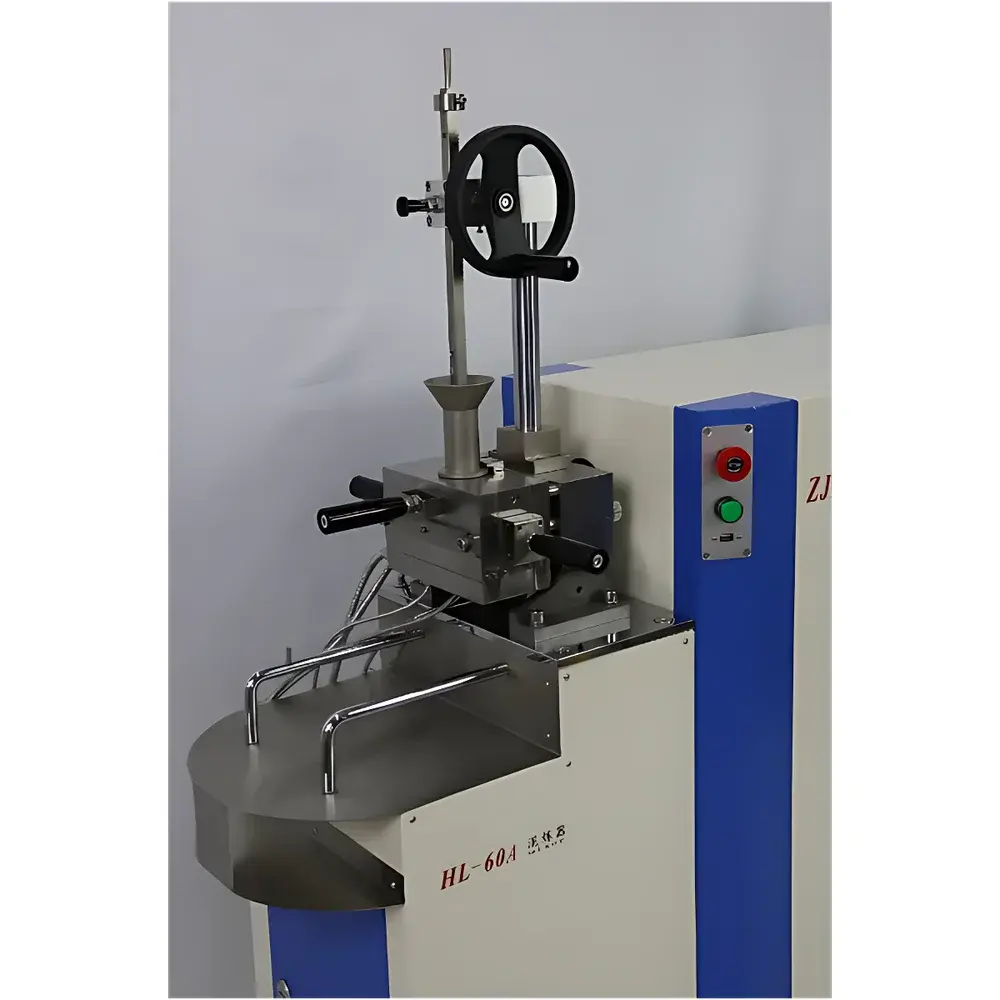
The Changchun Intelligent ZJL-200A Torque Rheometer is a laboratory-scale, modular torque-controlled rheological testing system engineered for the quantitative characterization of thermoplastic and thermosetting polymer melts under realistic processing conditions. Operating on the principle of controlled-shear rotational rheology—where torque generated by material resistance to rotor or screw motion is measured as a function of time, temperature, and shear rate—the instrument enables direct simulation of industrial mixing, extrusion, and compounding processes. Unlike capillary or rotational viscometers designed for low-viscosity liquids, the ZJL-200A is specifically configured for high-viscosity, semi-solid, and solid-state polymeric systems—including PVC compounds, filled elastomers, reactive resins, and crosslinking thermosets. Its dual-mode architecture supports interchangeable mixer and single-screw extruder configurations, allowing users to generate process-relevant data on melt viscosity, plasticization kinetics, thermal stability, shear sensitivity, and dynamic rheological behavior without requiring separate dedicated instruments.
Key Features
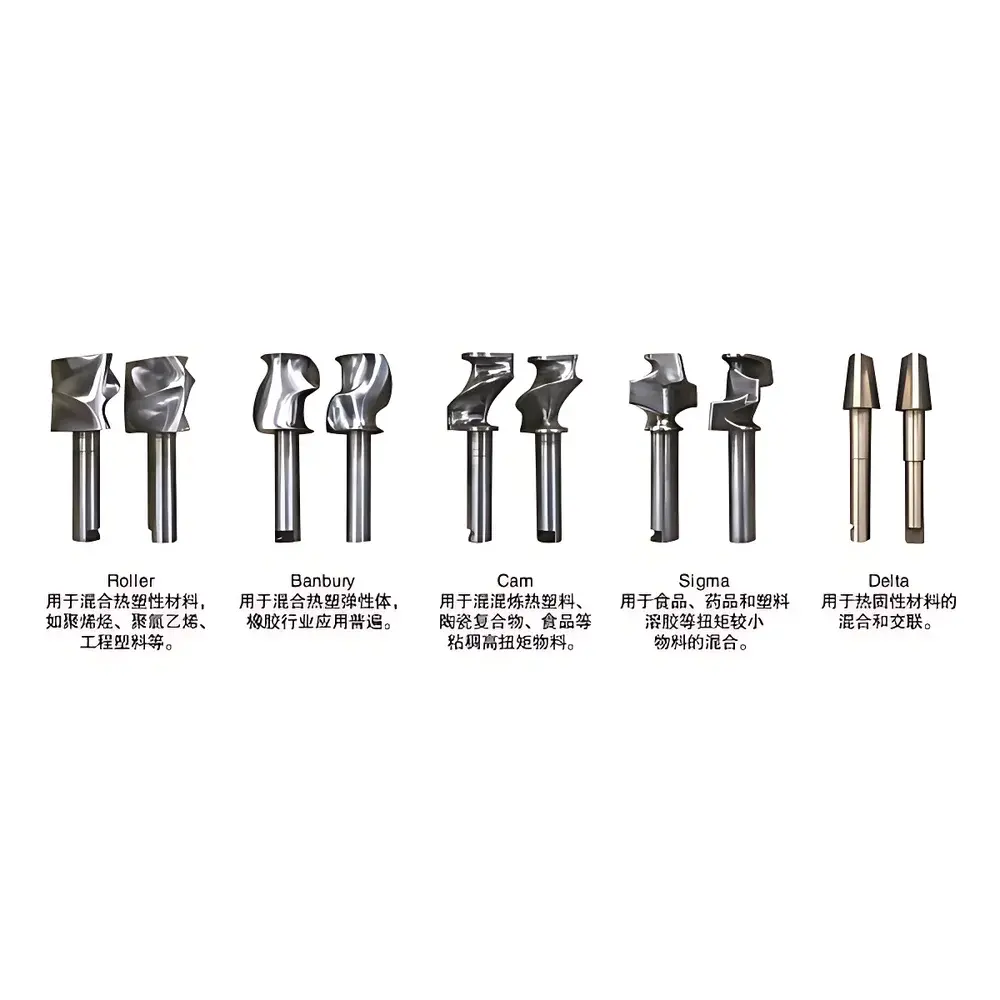
- Modular dual-configuration platform: seamlessly switches between mixer mode (60 mL chamber, Roller-type rotors) and extruder mode (L/D 25:1 screw, 38CrMoAlA barrel)
- High-torque drive system: 3.0 kW motor with mechanical bearing support, delivering up to 200 N·m maximum torque and 0.1 N·m resolution
- Precision multi-parameter control: independent 5-zone temperature regulation (ambient to 300 °C, ±1.0 °C), real-time melt pressure monitoring (0.1–100 MPa), and closed-loop speed control (0.1–150 rpm, ±0.5% F.S.)
- Broad dynamic range: angular frequency coverage from 10⁻³ to 628 rad/s (equivalent to ~0.0016–100 Hz), enabling both slow ramped deformation and rapid transient response analysis
- Integrated sensor suite: calibrated torque transducer, platinum RTD temperature probes, strain-gauge-based melt pressure transducers, and optical encoder-based speed feedback
- Robust mechanical architecture: heavy-duty cast-iron base frame, hardened steel transmission components, and corrosion-resistant heating elements compliant with long-term thermal cycling requirements
Sample Compatibility & Compliance
The ZJL-200A accommodates solid feedstocks (pellets, powders, flakes) and highly viscous melts (η* > 10⁴ Pa·s at 1 s⁻¹), making it suitable for UPVC formulation development, thermoplastic elastomer compounding, epoxy/phenolic resin curing studies, and rubber vulcanization kinetics. It supports ASTM D3835 (standard test method for determining rheological properties of thermoplastics using a capillary rheometer), ISO 11443 (plastics—determination of the melt mass-flow rate and melt volume-flow rate), and ISO 6721-10 (dynamic mechanical properties—part 10: determination of linear viscoelastic properties). While not inherently 21 CFR Part 11-compliant out-of-the-box, its WinNian, Mixer, and Plastic software modules can be validated per GLP/GMP requirements when deployed in regulated environments—supporting audit trails, user access levels, electronic signatures, and raw data export in CSV and XML formats.
Software & Data Management
The system operates via three dedicated Windows-based applications: Mixer for batch mixing experiments, Plastic for continuous extrusion profiling, and WinNian for post-acquisition rheological modeling (e.g., Carreau-Yasuda fitting, Arrhenius activation energy calculation, Payne effect quantification). All interfaces provide synchronized real-time plotting of torque, temperature, pressure, speed, and elapsed time; support multi-curve overlay, baseline correction, numerical smoothing (Savitzky-Golay), derivative computation, and automatic report generation with embedded calibration metadata. Raw datasets are stored in structured binary format with timestamped headers and are exportable without loss of precision. Software supports automated sequence scripting for unattended multi-step protocols—including temperature ramps, speed sweeps, hold periods, and stepwise addition of additives—enabling reproducible comparative studies across formulations.
Applications
- Quantifying plasticization onset and fusion kinetics in rigid PVC formulations under shear
- Evaluating thermal degradation thresholds and residence-time-dependent scorch behavior in rubber compounds
- Mapping crosslink density evolution during cure cycles of unsaturated polyester and vinyl ester resins
- Assessing filler dispersion quality and agglomerate breakdown kinetics via torque overshoot analysis
- Correlating screw speed variations with melt homogeneity, die swell, and output stability in extrusion trials
- Validating constitutive models (e.g., Giesekus, Phan-Thien–Tanner) against experimental torque–time histories
- Supporting DOE-driven formulation optimization in academic polymer engineering labs and industrial R&D centers
FAQ
What sample forms are compatible with the ZJL-200A?
Granules, pellets, powder blends, pre-compounded masterbatches, and pre-cured elastomer sheets—no pre-melting required. Feedstock is loaded directly into the mixer chamber or extruder hopper.
Can the system perform oscillatory tests?
No. The ZJL-200A is a steady-state and transient torque rheometer; it does not implement controlled-strain or controlled-stress oscillatory modes. Its strength lies in simulating non-linear, time-dependent processing events.
Is the capillary die set included standard?
Yes. Three precision-machined stainless-steel capillaries (Ø1.27 mm, L/D = 20:1, 30:1, and 40:1) are supplied as standard accessories for pressure-drop-based apparent viscosity calculations.
What maintenance intervals are recommended for the mechanical drive system?
Lubrication of the gear reducer and motor bearings is recommended every 500 operational hours; torque sensor zero calibration should be performed before each daily session using the built-in tare function.
Does the system support third-party data acquisition integration?
Yes. Analog outputs (0–10 V / 4–20 mA) are available for torque, temperature, pressure, and speed signals, enabling synchronization with external DAQ systems or PLC-based process controllers.



