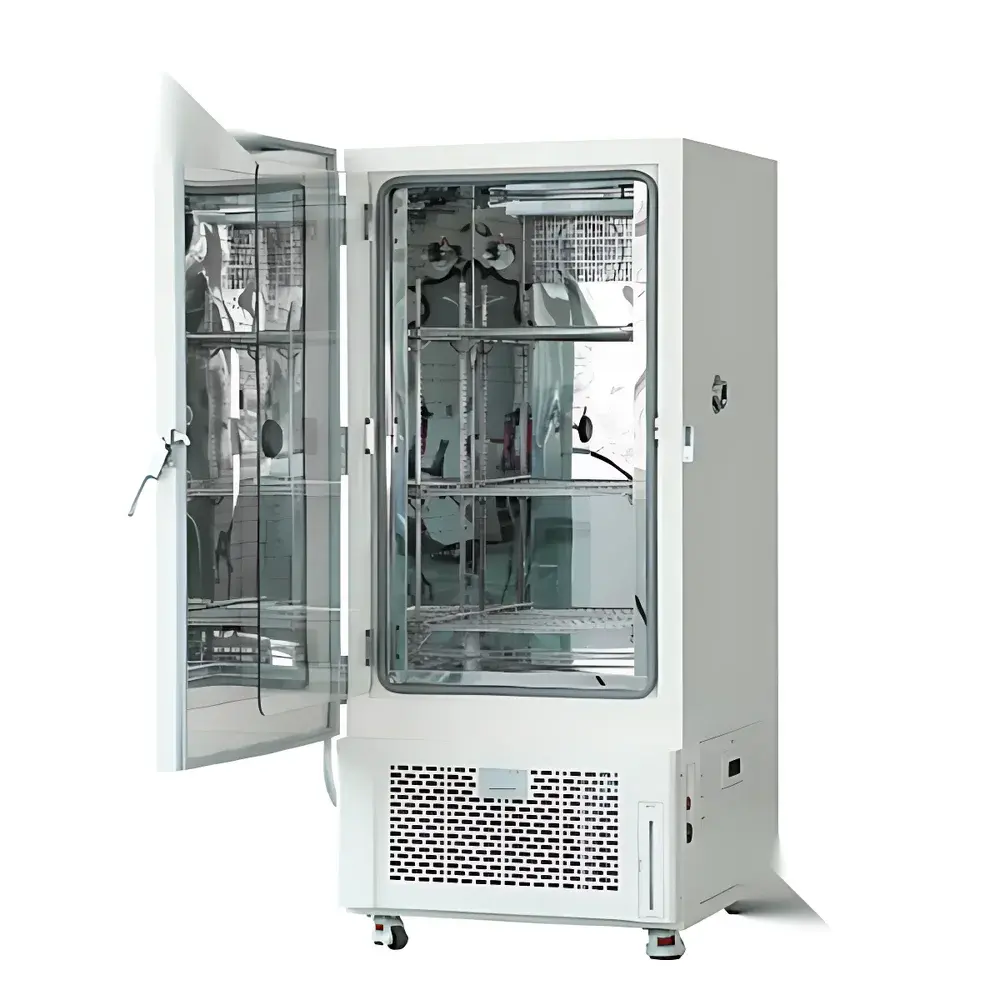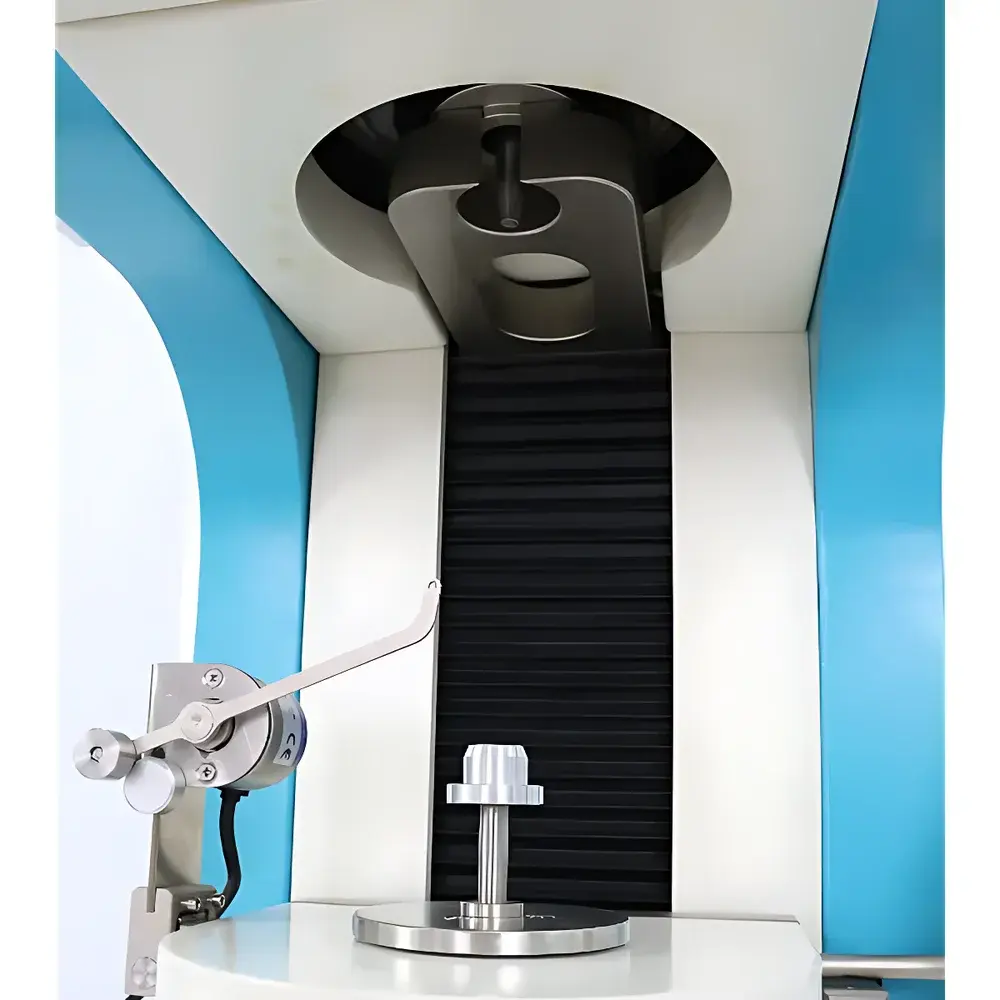
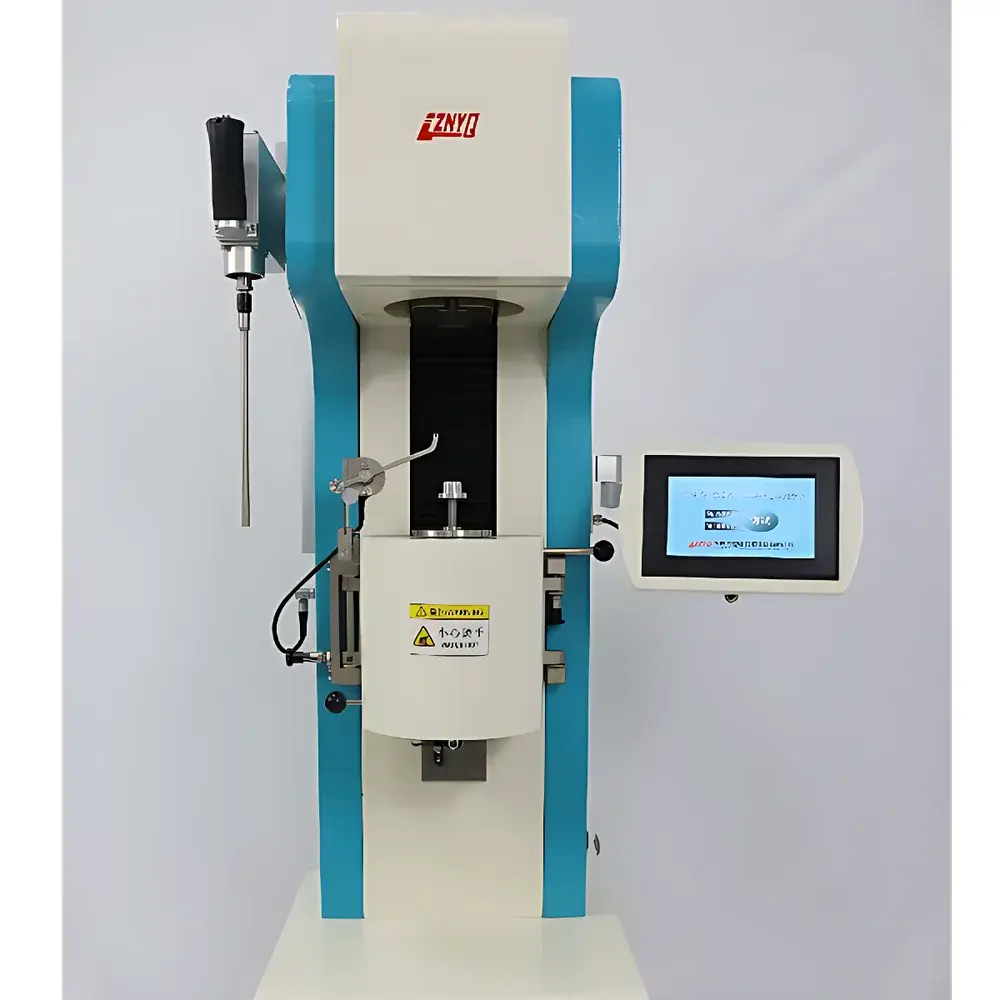
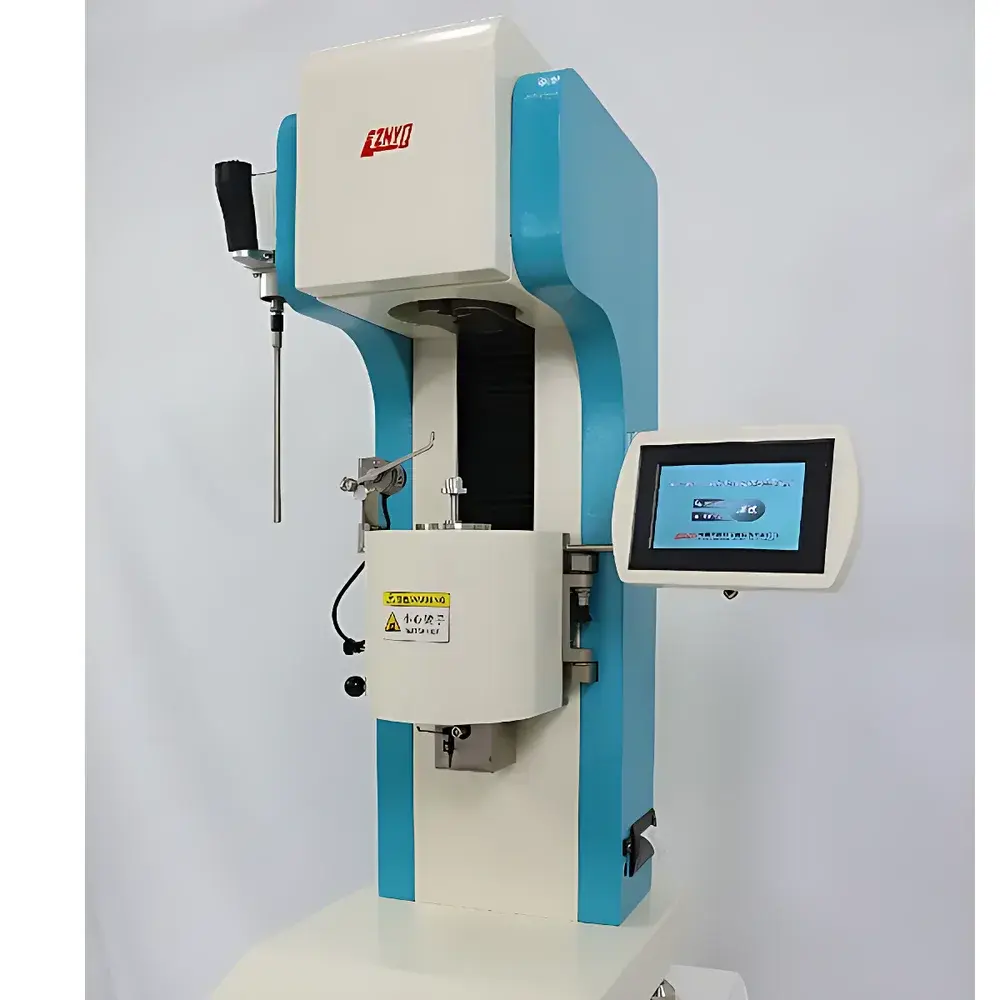
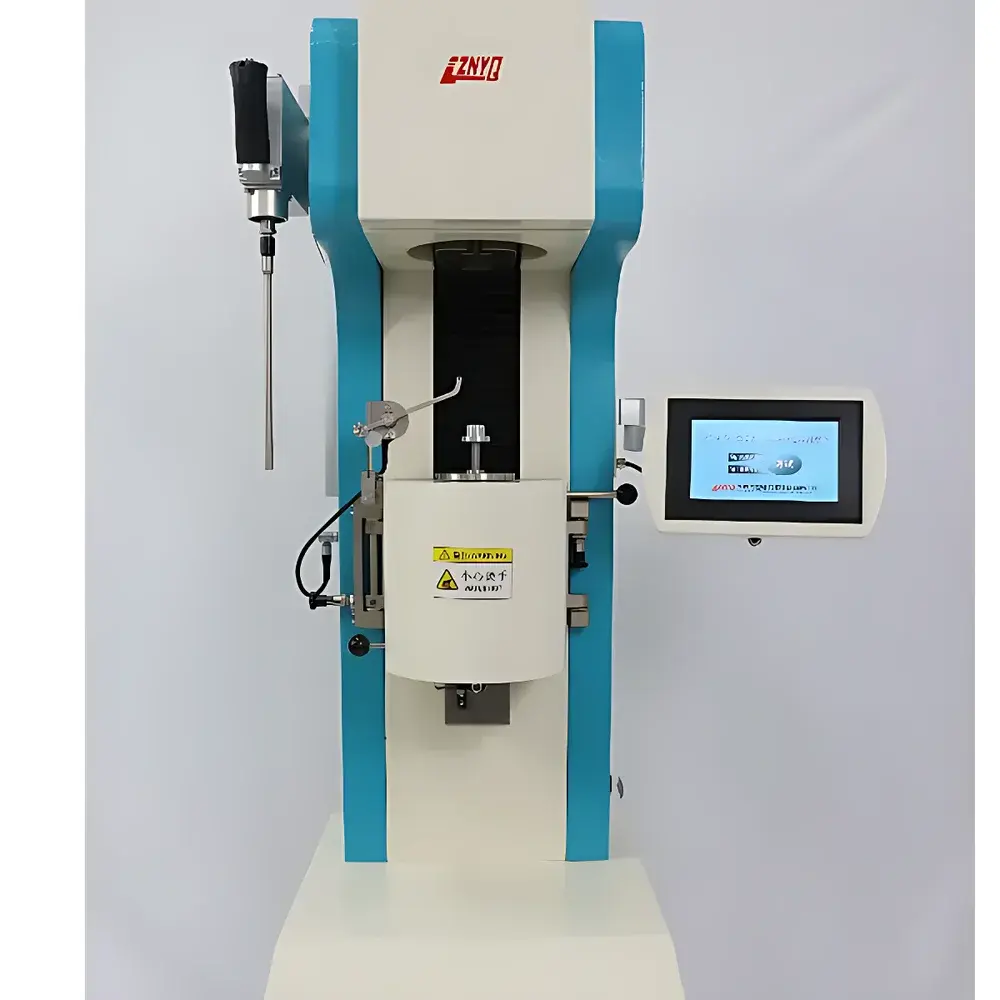
Changchun Intelligent SRZ-400A Melt Flow Indexer
| Brand | Changchun Intelligent |
|---|---|
| Origin | Jilin, China |
| Model | SRZ-400A |
| Standards Compliance | GB/T 3682–2000 Method A, ISO 1133:1997 |
| Temperature Range | 80–400 °C |
| Temperature Accuracy | ±0.2 °C |
| Temperature Resolution | 0.1 °C |
| Barrel ID | 9.550 ± 0.025 mm |
| Piston Head Diameter | 9.475 ± 0.015 mm |
| Piston Head Length | 6.35 ± 0.1 mm |
| Die Capillary Diameter | 2.095 ± 0.005 mm |
| Stroke Interval | 30 mm |
| Position Control Accuracy | ±0.1 mm |
| Max Power Consumption | < 500 W |
| Temperature Recovery Time | ≤ 4 min |
| Net Weight | 50 kg |
Overview
The Changchun Intelligent SRZ-400A Melt Flow Indexer is a precision-engineered instrument designed for the quantitative determination of melt mass-flow rate (MFR) and melt volume-flow rate (MVR) of thermoplastic polymers under standardized load and temperature conditions. Based on the fundamental principle of extrusion plastometry—where molten polymer is forced through a calibrated capillary die under controlled gravitational or applied load—the SRZ-400A delivers repeatable, traceable results aligned with international test methodologies. Its operational framework adheres strictly to ASTM D1238 (for MFR/MVR), ISO 1133:1997 (Parts 1 & 2), and GB/T 3682–2000 Method A, making it suitable for routine quality control in polymer manufacturing, R&D laboratories, and third-party testing facilities serving the rubber and plastic industry.
Key Features
- Microprocessor-based closed-loop temperature control system with PID algorithm, ensuring thermal stability within ±0.2 °C across the full 80–400 °C operating range
- Precision-machined barrel assembly featuring a nominal internal diameter of 9.550 ± 0.025 mm and matched piston head (9.475 ± 0.015 mm) to minimize radial clearance and ensure laminar flow consistency
- Calibrated die capillary with nominal orifice diameter of 2.095 ± 0.005 mm, manufactured from hardened stainless steel and certified per ISO 1133 Annex B requirements
- Automated specimen cutting mechanism synchronized with programmable time intervals (e.g., 10 s, 20 s, 30 s), eliminating operator-dependent timing errors
- Digital linear position detection with ±0.1 mm repeatability over a defined 30 mm stroke interval, enabling accurate MVR calculation via volumetric displacement
- Integrated thermal recovery optimization: achieves setpoint stabilization within ≤4 minutes after load change or temperature step, reducing cycle time without compromising accuracy
- Onboard thermal printer supporting direct output of test parameters (load, temperature, cut interval, sample mass), operator ID, date/time stamp, and calculated MFR/MVR values
Sample Compatibility & Compliance
The SRZ-400A is validated for use with a broad spectrum of thermoplastic resins including polyethylene (PE), polypropylene (PP), polystyrene (PS), acrylonitrile-butadiene-styrene (ABS), polyamide (PA6, PA66), polyacetal (POM), fluoropolymers (e.g., PTFE, FEP), polycarbonate (PC), and acrylic esters. Each test must be conducted under the specific load–temperature–die configuration prescribed by the relevant standard (e.g., 2.16 kg at 190 °C for PP; 5.0 kg at 230 °C for PC). The instrument’s mechanical geometry—including barrel concentricity, piston surface finish (Ra < 0.4 µm), and die entry radius (0.4 ± 0.05 mm)—meets ISO 1133 metrological tolerances to ensure inter-laboratory comparability. All critical components are traceably calibrated against NIST-traceable reference standards, and documentation supports GLP/GMP audit readiness.
Software & Data Management
While the SRZ-400A operates as a standalone unit with embedded firmware, its data export interface (RS-232 or optional USB-to-serial adapter) enables seamless integration with laboratory information management systems (LIMS) and enterprise QC databases. Raw measurement logs—including timestamped weight entries, temperature profiles, and positional feedback—can be transferred in CSV format for statistical process control (SPC) analysis. Firmware supports configurable user access levels, electronic signature logging for critical operations (e.g., calibration reset), and audit trail generation compliant with FDA 21 CFR Part 11 requirements when deployed in regulated environments. Optional PC-based software provides graphical MFR trend visualization, batch report generation, and deviation alerting based on user-defined specification limits.
Applications
- Raw material acceptance testing of incoming polymer pellets or powders against supplier specifications
- In-process monitoring during extrusion, injection molding, and blow molding to correlate MFR with mechanical performance (e.g., tensile strength, impact resistance)
- Stability assessment of polymer batches subjected to thermal degradation or shear history
- Development of processing windows for new compound formulations (e.g., filled PP, flame-retardant ABS)
- Regulatory submission support for medical-grade polymers (ISO 10993-compliant materials) and automotive-grade resins (SAE J2360)
- Interlaboratory round-robin studies requiring ISO/IEC 17025–accredited measurement capability
FAQ
What standards does the SRZ-400A comply with?
It meets the dimensional, thermal, and procedural requirements of GB/T 3682–2000 Method A, ISO 1133:1997, and ASTM D1238 (with appropriate load and die selection).
Can the instrument measure both MFR and MVR?
Yes—MFR is derived from gravimetric cutting, while MVR is calculated using the known piston displacement over time and the calibrated barrel cross-sectional area.
Is calibration certification included with delivery?
Each unit ships with a factory calibration report referencing traceable standards for temperature, dimension, and timing subsystems. Full ISO/IEC 17025 calibration services are available upon request.
What maintenance is required for long-term accuracy?
Routine cleaning of the barrel, piston, and die with brass brushes and solvent; annual verification of temperature uniformity (axial/radial profiling) and dimensional wear (using certified plug gauges); replacement of die or piston if measured deviations exceed ISO 1133 tolerance bands.
Does the SRZ-400A support multi-load testing without manual intervention?
No—it requires manual load change per test sequence. However, its rapid thermal recovery (<4 min) minimizes downtime between successive tests at different temperatures or loads.