
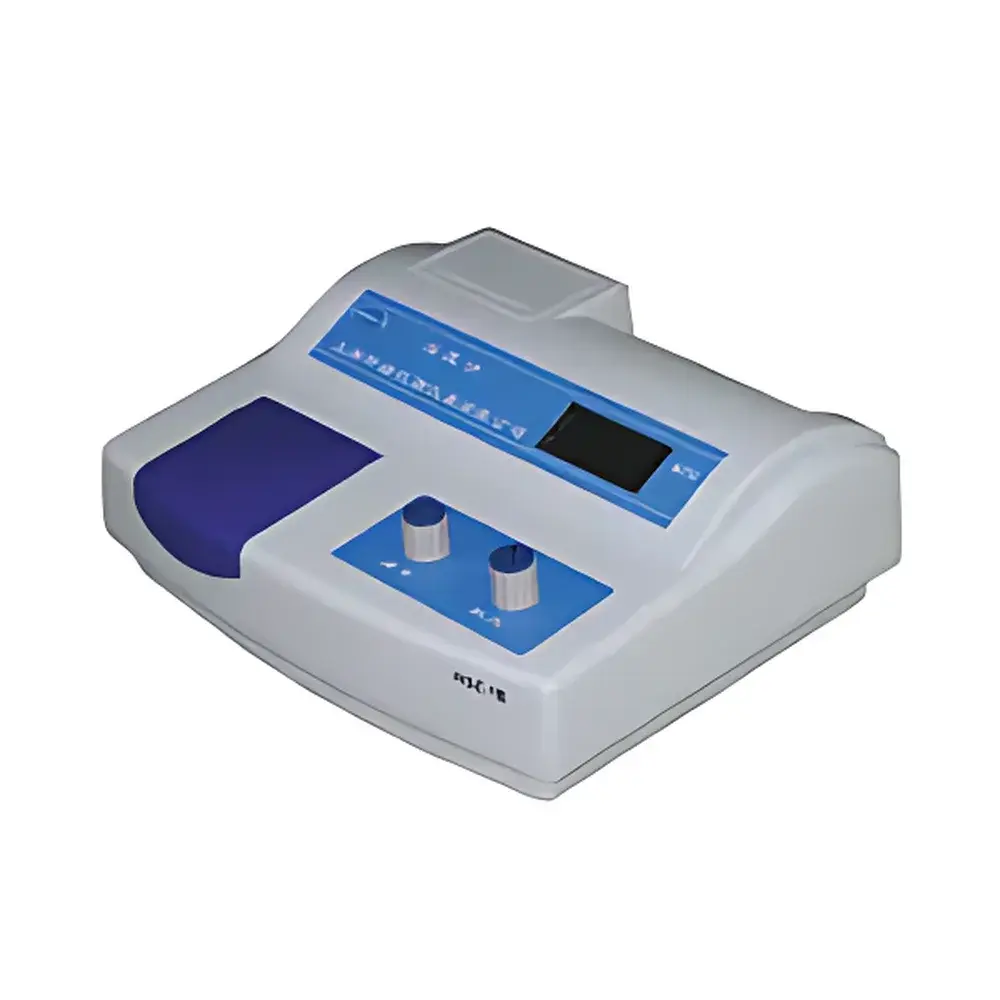
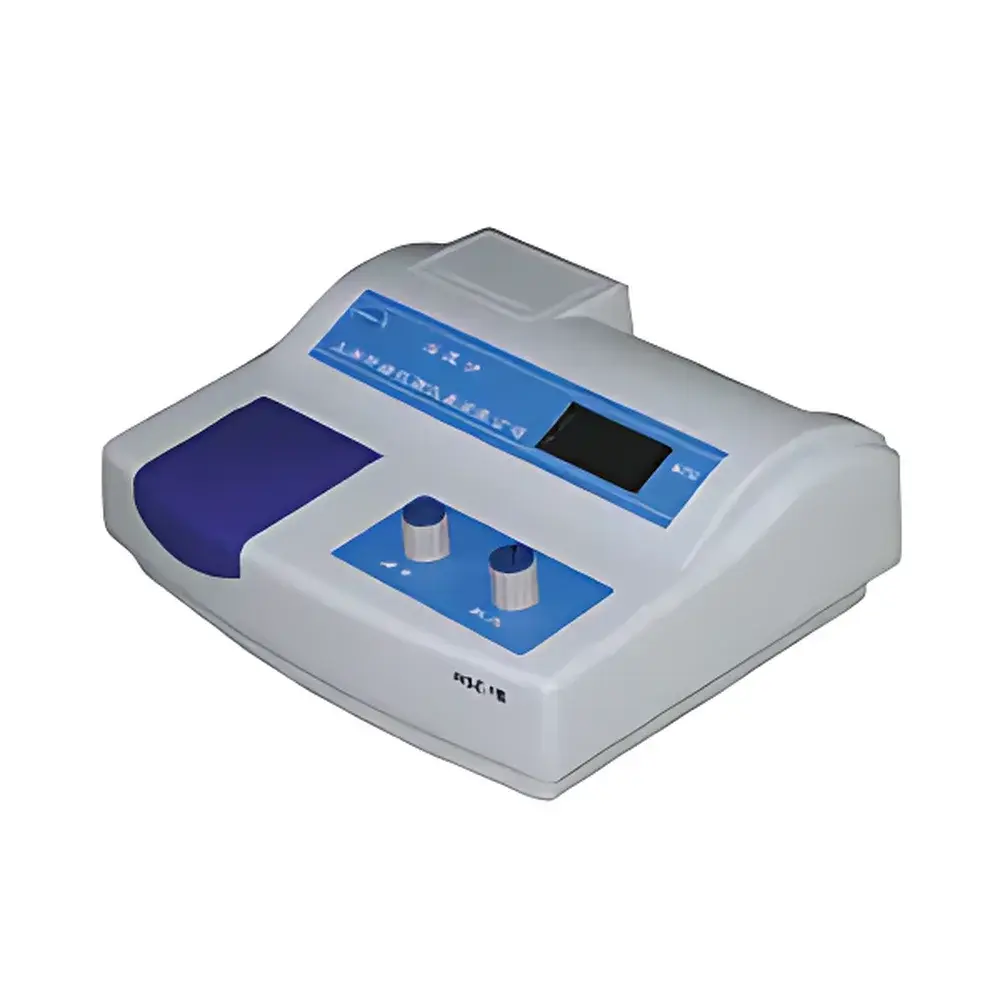
Truelab WGZ-1, WGZ-200, and WGZ-800 Standard Turbidimeters
| Brand | Truelab |
|---|---|
| Origin | Shanghai, China |
| Model Series | WGZ-1 / WGZ-200 / WGZ-800 |
| Instrument Type | Portable turbidimeter |
| Measurement Principle | 90° scattered light detection (ISO 7027 compliant) |
| Measurement Range | WGZ-1: 0–100 NTU & 0–200 NTU |
| WGZ-200 | 0–20 NTU & 0–200 NTU |
| WGZ-800 | 0–200 NTU & 0–800 NTU |
| Minimum Readout | WGZ-1: 0.1 NTU |
| WGZ-200 | 0.01 NTU |
| WGZ-800 | 0.1 NTU |
| Basic Error | ±2.5% F.S. (WGZ-1) |
| Repeatability | ≤1% |
| Zero Drift | ±0.5% F.S. (equivalent to ±0.2 NTU for WGZ-1/WGZ-800 |
| Operating Temperature | 0–25 °C |
| Resolution | 0.2 NTU (typical display resolution across series) |
Overview
The Truelab WGZ-1, WGZ-200, and WGZ-800 Standard Turbidimeters are portable, ISO 7027-compliant instruments engineered for reliable quantification of turbidity in water and transparent liquid samples via 90° scattered light detection. Based on nephelometric principles, these turbidimeters measure the intensity of light scattered at a right angle to the incident beam—minimizing interference from sample color absorption and enabling accurate assessment of suspended particulate concentration. Each model is calibrated using formazin standard solutions traceable to NIST-certified reference materials, ensuring metrological consistency across laboratories. The WGZ series supports routine quality control in regulated environments where adherence to international standards—including ISO 7027, ASTM D6508, and USP <<731>—is required for method validation and data integrity.
Key Features
- Optimized optical architecture featuring high-intensity, long-life LED light source with stable spectral output at 850 nm—eliminating lamp replacement and reducing warm-up time to ≤30 seconds.
- Integrated chromatic compensation algorithm that corrects for inherent sample coloration, preventing underestimation of true turbidity values in yellowish or brownish waters (e.g., surface runoff, treated effluents).
- Large-backlit LCD display with clear numeric readout and intuitive single-button operation—designed for field use and benchtop deployment without external power dependency.
- Low-drift analog front-end and precision analog-to-digital conversion ensure consistent signal fidelity across the full dynamic range, supporting reproducible measurements even after extended operational cycles.
- Rugged, ergonomic housing with IP54-rated ingress protection—suitable for humid laboratory environments, mobile monitoring stations, and outdoor sampling sites.
Sample Compatibility & Compliance
The WGZ series accommodates standard 25-mm round glass or plastic cuvettes (10-mm path length), compatible with common sample preparation workflows in drinking water, wastewater, pharmaceutical process water, and beverage production. All models meet ISO 7027:2016 requirements for instrument performance criteria—including linearity, repeatability, zero stability, and stray light rejection. For regulatory compliance, measurement protocols can be documented per GLP/GMP frameworks, and raw data export supports audit-ready recordkeeping. While not natively Part 11–compliant, the devices support manual entry into validated LIMS or ELN systems with full operator attribution and timestamping.
Software & Data Management
These turbidimeters operate as standalone instruments with no embedded firmware-based data logging. However, analog voltage output (0–2 V DC proportional to NTU) and optional RS-232 interface enable integration with third-party DAQ systems, SCADA platforms, or custom LabVIEW/Python acquisition scripts. Users may generate calibration logs, QC check records, and trending reports using external spreadsheet tools or validated laboratory informatics software. Calibration verification against primary standards (e.g., StablCal® suspensions) is recommended prior to each analytical batch per ISO/IEC 17025 Clause 7.7.
Applications
- Drinking water treatment: Monitoring coagulation efficiency, filter performance, and final distribution system clarity.
- Pharmaceutical manufacturing: Testing purified water (PW) and water for injection (WFI) per USP <<731> and EP 2.2.2.
- Environmental monitoring: Field assessment of river, lake, and estuarine turbidity for sediment transport modeling.
- Food & beverage QA: Verification of clarity in bottled water, juices, beer, and wine post-filtration.
- Hospital and public health labs: Rapid screening of dialysis water and sterilization rinse water per AAMI ST108.
FAQ
What calibration standards are recommended for routine verification?
Formazin-based primary standards (e.g., 0.1, 10, 100, and 800 NTU) certified to ISO 7027 are required. Secondary standards such as StablCal® or AMCO AEPA polymer suspensions may be used for daily checks if traceable to formazin.
Can the WGZ-200 measure below 0.1 NTU with acceptable uncertainty?
Yes—the WGZ-200 achieves a minimum readout of 0.01 NTU and is specifically optimized for low-turbidity applications such as ultrapure water analysis, though measurement uncertainty increases below 0.05 NTU per ISO guidelines.
Is temperature compensation automatic or manual?
Temperature compensation is not implemented; users must maintain sample temperature within the specified operating range (0–25 °C) during measurement to avoid refractive index–induced scatter variance.
How often should zero calibration be performed?
Zero adjustment using deionized water or certified zero-standard suspension is advised before each measurement session and after any change in ambient conditions or optical path cleaning.






