
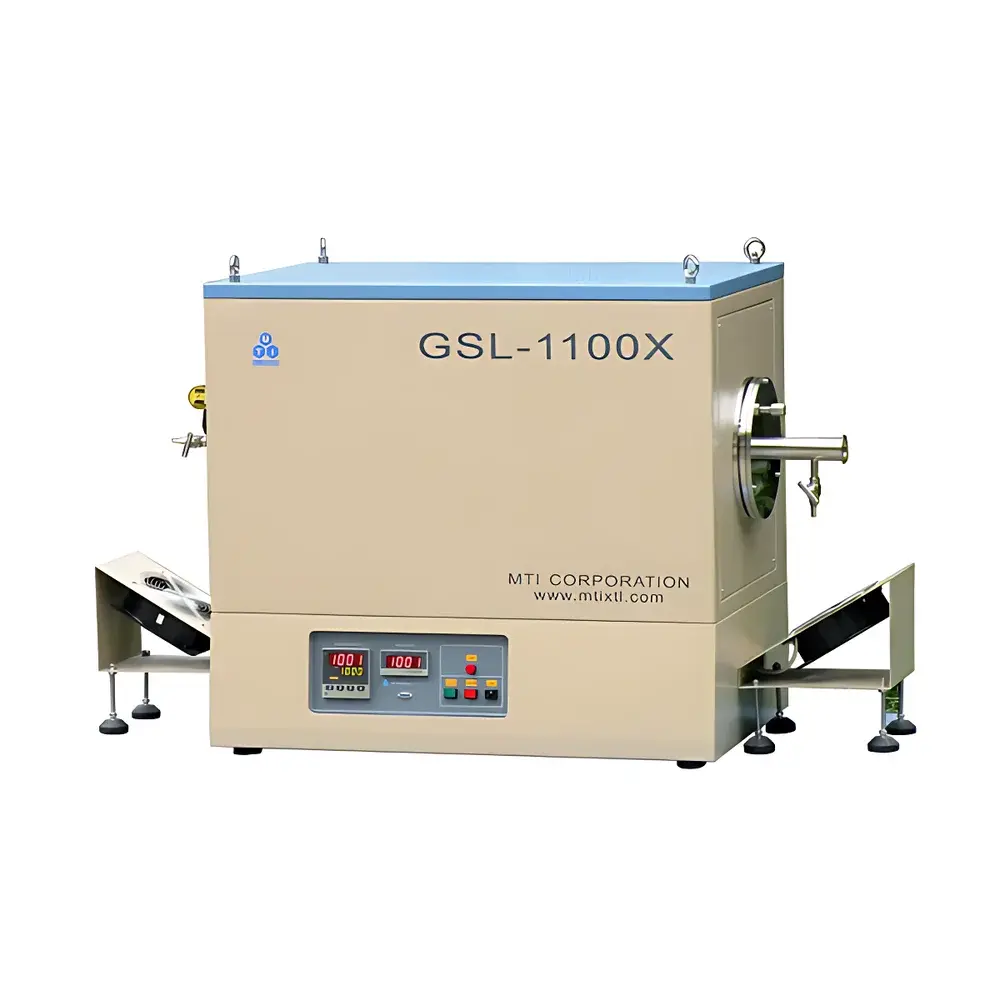
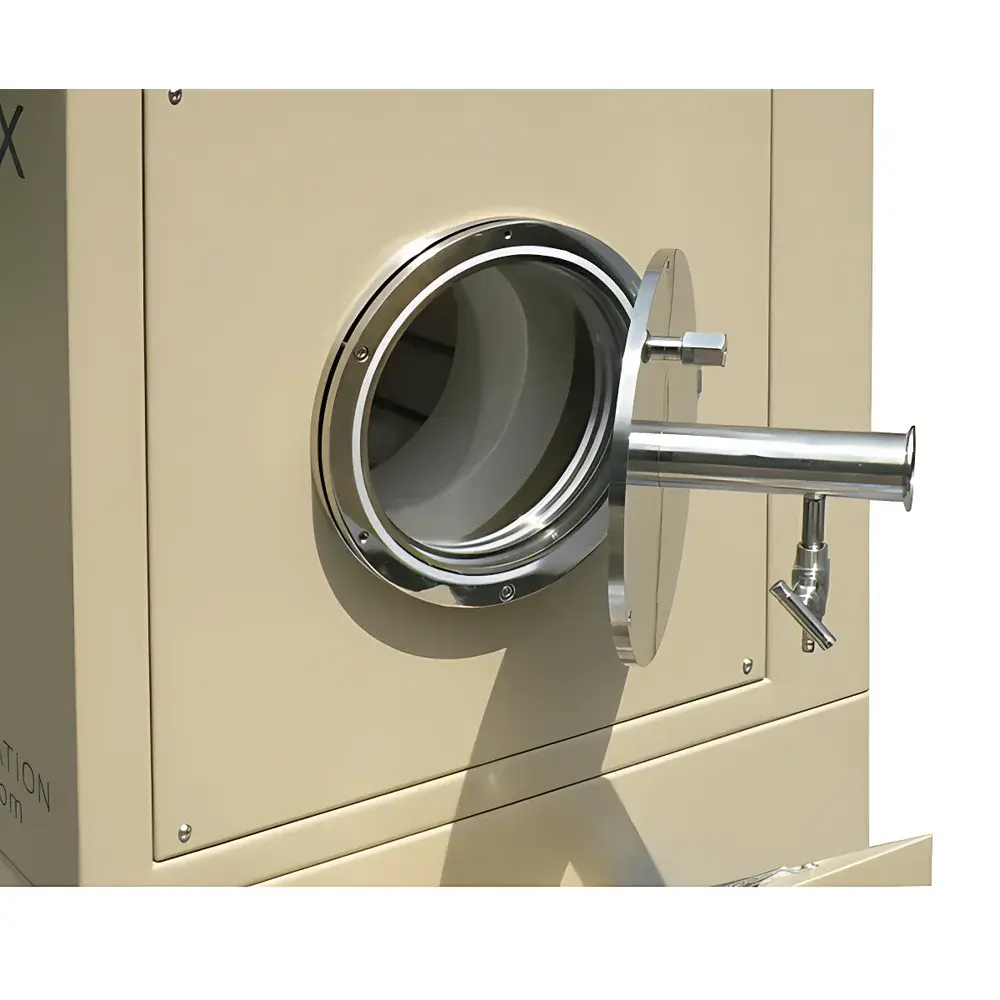
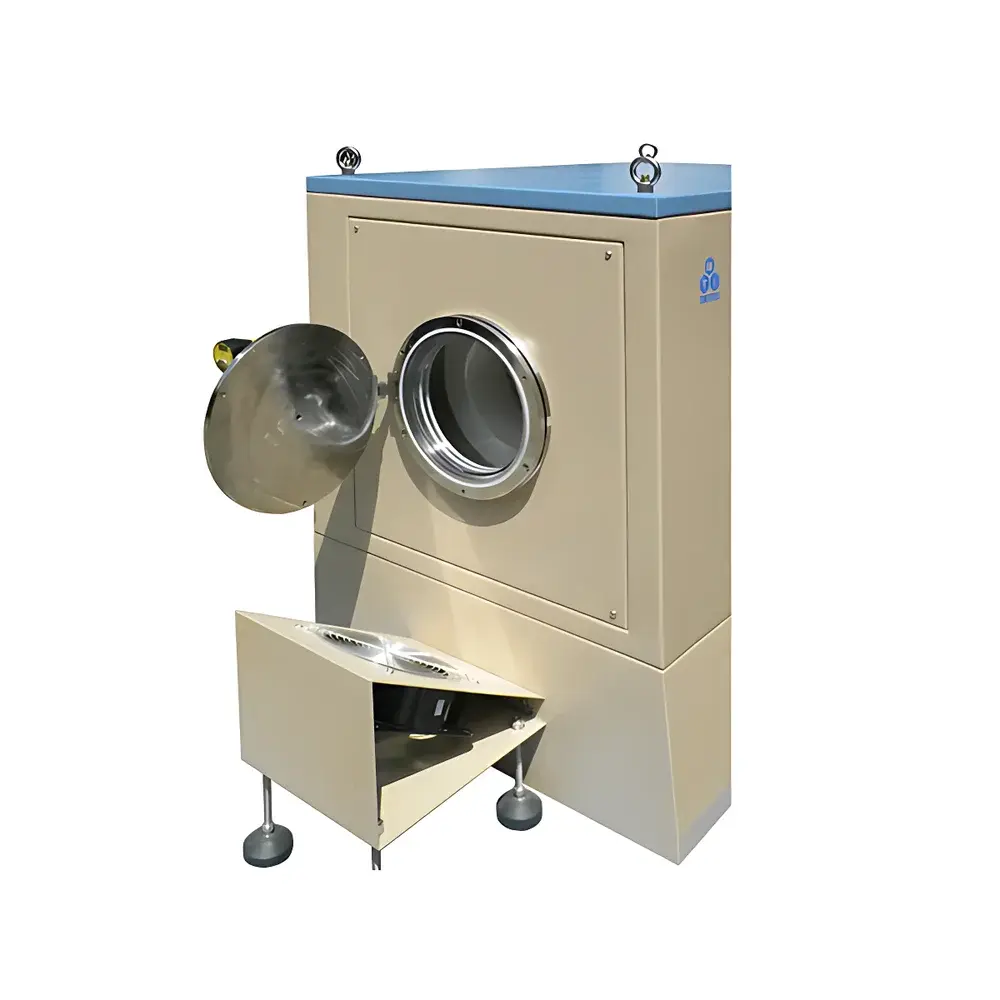
KJ GROUP GSL-1100X-6-S Single-Zone CVD Vacuum Tube Furnace
| Brand | KJ GROUP |
|---|---|
| Origin | Liaoning, China |
| Manufacturer Type | Authorized Distributor |
| Country of Origin | China |
| Model | GSL-1100X-6-S |
| Power Supply | AC 220 V, 8 kW |
| Quartz Tube ID | 152 mm (6″), Length: 1016 mm |
| Heating Zone Length | 600 mm |
| Uniform Temperature Zone | 200 mm |
| Max Operating Temperature | 1100 °C (continuous: 400–1000 °C) |
| Heating/Cooling Rate | ≤10 °C/min |
| Temperature Control Accuracy | ±1 °C |
| Vacuum Level | 1×10⁻² torr (mechanical pump), 1×10⁻⁵ torr (turbo molecular pump) |
| Vacuum Flange | KF40 |
| Thermocouple | Dual K-type + dedicated calibration port |
| Cooling | Forced-air circulation via double-layer water-cooled jacket |
| Certification | CE |
Overview
The KJ GROUP GSL-1100X-6-S is a single-zone high-temperature vacuum tube furnace engineered for controlled chemical vapor deposition (CVD), annealing, sintering, and thin-film synthesis under inert, reducing, oxidizing, or low-pressure atmospheres. Its core architecture centers on a 152 mm (6″) inner-diameter fused quartz tube—capable of accommodating substrates up to 127 mm (5″) in diameter—mounted within a precision-engineered dual-shell chamber with active air cooling. The furnace operates on the principle of resistive heating via Ni-Cr-Al alloy elements embedded in high-purity polycrystalline alumina fiber insulation, ensuring thermal stability, low heat loss, and uniform axial temperature distribution across a 200 mm isothermal zone. Designed for integration into cleanroom-compatible or lab-scale CVD workflows, it supports reproducible process execution from ambient to 1100 °C, with programmable ramp/soak profiles and real-time thermal monitoring essential for semiconductor, 2D materials, and functional oxide research.
Key Features
- Dual-layer stainless steel housing with forced-air circulation cooling system, maintaining external shell surface temperature below 70 °C during continuous operation at 1000 °C.
- High-integrity vacuum sealing using KF40 flanges and dual silicone O-rings, rated for sustained operation down to 1×10⁻⁵ torr when paired with a turbo-molecular pumping station.
- Redundant temperature sensing architecture: two independently wired K-type thermocouples plus a dedicated calibration port for NIST-traceable sensor verification—enabling GLP-compliant thermal validation.
- 30-segment PID temperature controller with programmable ramp rates (0.1–10 °C/min), soak times, and auto-start/stop logic; compatible with optional RS485/Modbus interface for centralized lab automation.
- CE-certified electrical design with grounded AC 220 V / 8 kW supply, integrated over-temperature cutoff, and EMI-suppressed power input—meeting IEC 61000-6-3 and IEC 61000-6-4 immunity standards.
Sample Compatibility & Compliance
The GSL-1100X-6-S accommodates standard 5″ (127 mm) wafers, ceramic substrates, metal foils, and powder samples within its 152 mm ID quartz tube. Quartz components are ASTM F796-compliant and resistant to halogen-based precursors (e.g., TiCl₄, SiH₄) when operated below 1000 °C. Vacuum integrity conforms to ISO 2859-1 sampling plans for leak-rate verification, while thermal uniformity meets ASTM E220 requirements for furnace qualification. The system supports GMP-aligned documentation protocols when used with optional PC software and audit-trail-enabled controllers (FDA 21 CFR Part 11 ready with third-party validation packages).
Software & Data Management
An optional USB/RS485 communication module enables direct connection to Windows-based PCs running KJ GROUP’s proprietary FurnaceControl Suite. This application provides real-time temperature logging (≥1 Hz sampling), profile editing with drag-and-drop segment sequencing, automated data export to CSV or Excel, and password-protected user roles. All thermal events—including setpoint changes, alarm triggers, and power interruptions—are timestamped and stored locally with SHA-256 hash integrity checks. Raw thermocouple voltage outputs are accessible for third-party SCADA integration (OPC UA or LabVIEW drivers available upon request).
Applications
- Growth of graphene, MoS₂, h-BN, and other 2D transition metal dichalcogenides via atmospheric or low-pressure CVD.
- Thermal annealing of perovskite solar cell precursors (e.g., MAPbI₃) under nitrogen or argon with precise oxygen partial pressure control.
- Synthesis of Li-ion battery cathode materials (e.g., NMC, LFP) requiring multi-step calcination under reducing atmospheres (5% H₂/Ar).
- Diffusion doping of silicon wafers using phosphine or diborane precursors in conjunction with mass flow controllers and scrubber systems.
- High-temperature sintering of transparent conductive oxides (ITO, AZO) with post-deposition crystallinity optimization.
FAQ
What vacuum level is achievable with the standard mechanical pump configuration?
With the included two-stage rotary vane pump, base pressure reaches 1×10⁻² torr after 45 minutes of pumping—sufficient for most inert-gas CVD processes.
Can the furnace be upgraded to UHV conditions?
Yes—KF40 ports support direct coupling to turbo-molecular pumps (e.g., Pfeiffer HiPace 300) achieving 1×10⁻⁵ torr; vacuum feedthroughs for electrical or optical access are available as custom options.
Is the quartz tube resistant to HF or chlorine-containing precursors?
Standard fused quartz exhibits limited resistance to anhydrous HF or Cl₂ above 600 °C; for aggressive chemistries, we recommend optional high-purity synthetic quartz (OH-content <1 ppm) or alumina-lined tubes.
Does the system comply with laboratory safety standards for Class 1000 cleanrooms?
The furnace emits no particulates during operation and features zero oil vapor backstreaming when equipped with dry scroll or turbo pumps—fully compatible with ISO 14644-1 Class 6 (Class 1000) environments.
How is temperature uniformity verified across the 200 mm hot zone?
Uniformity is validated per ASTM E220 Annex A3 using a traversing K-type thermocouple array; typical deviation is ±1.5 °C at 1000 °C, confirmed by factory calibration certificate supplied with each unit.



