
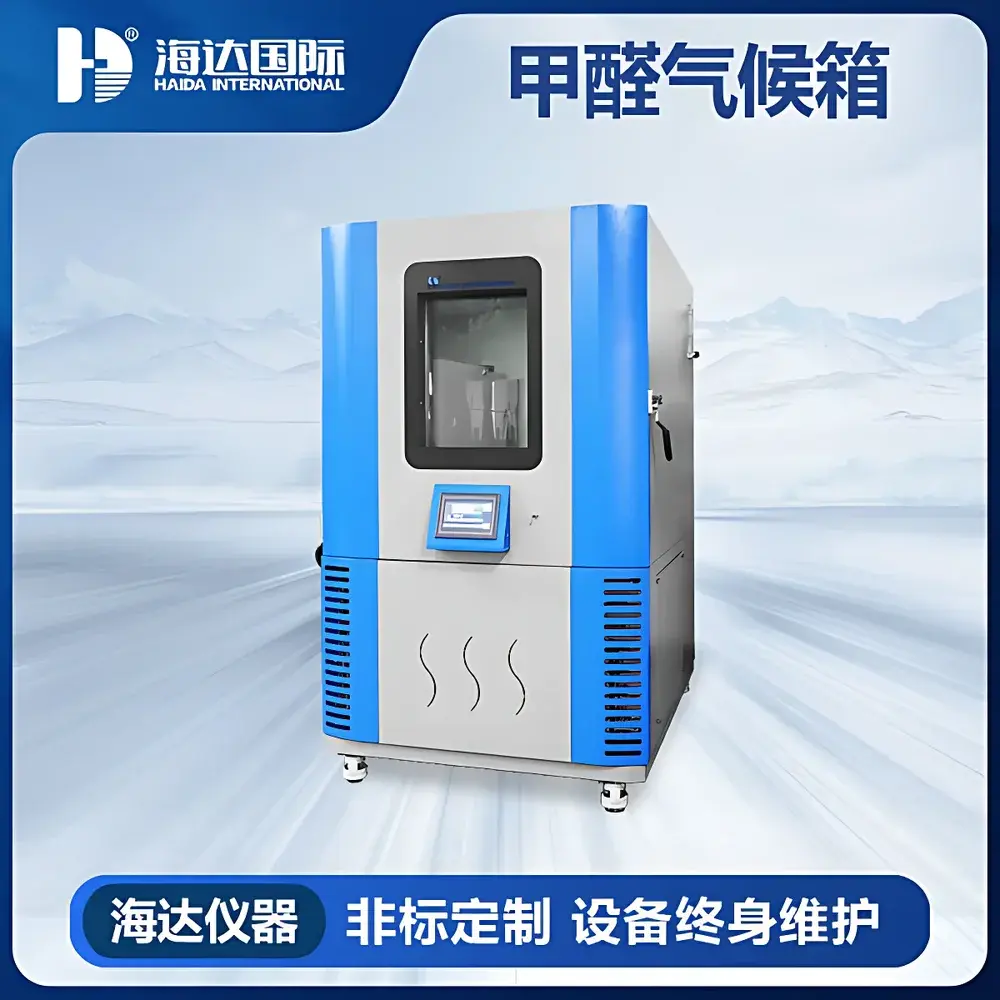
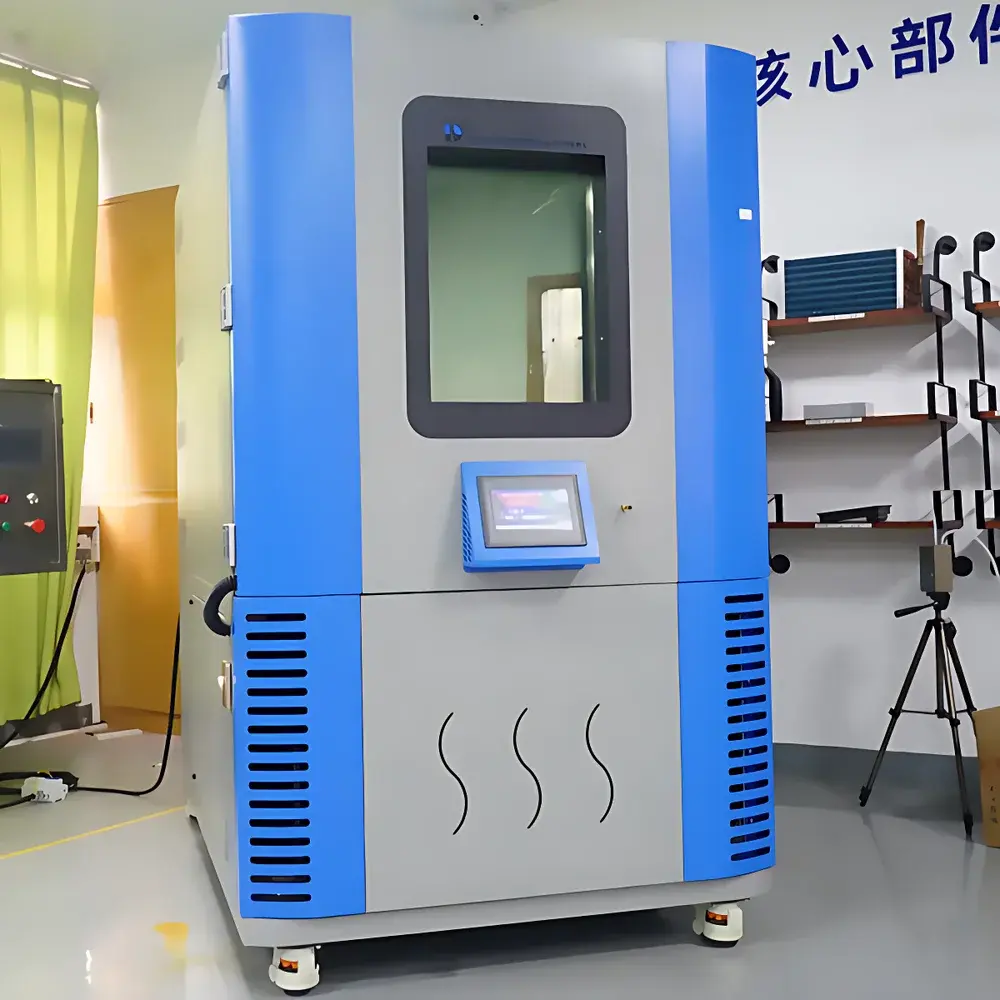
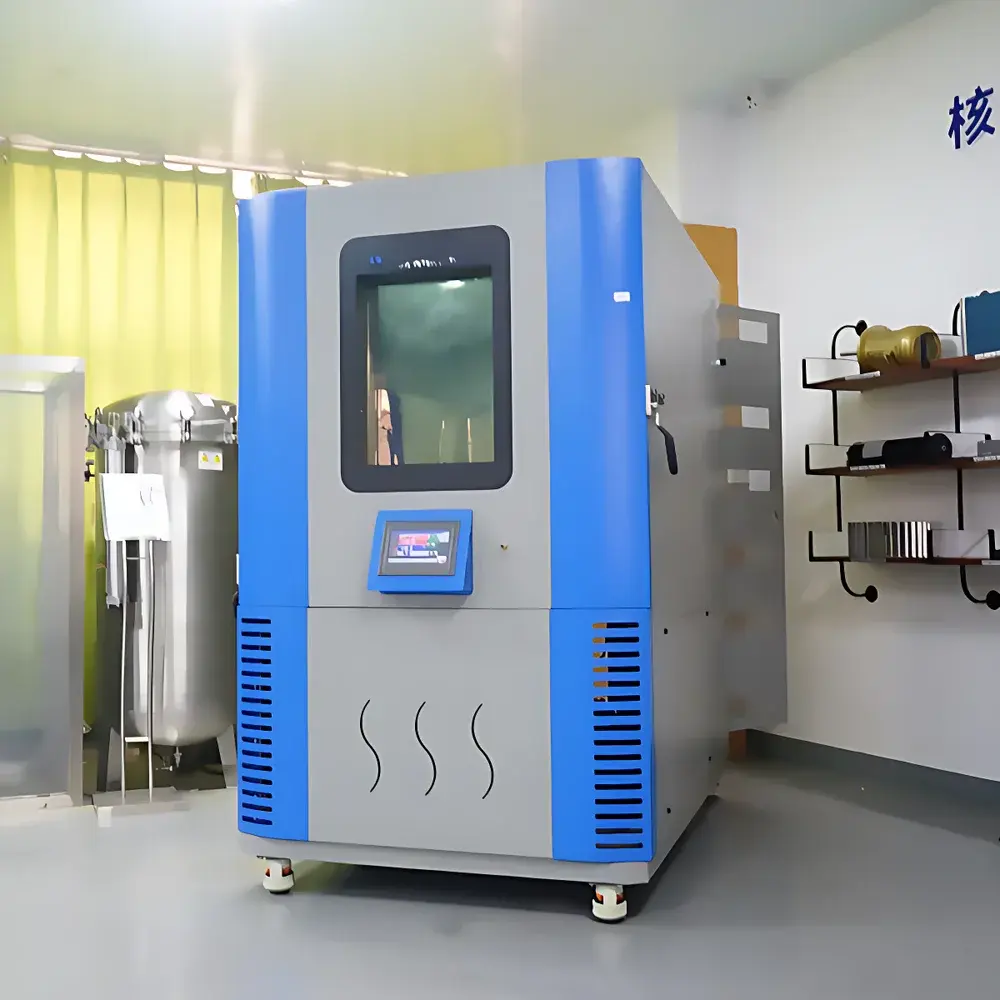
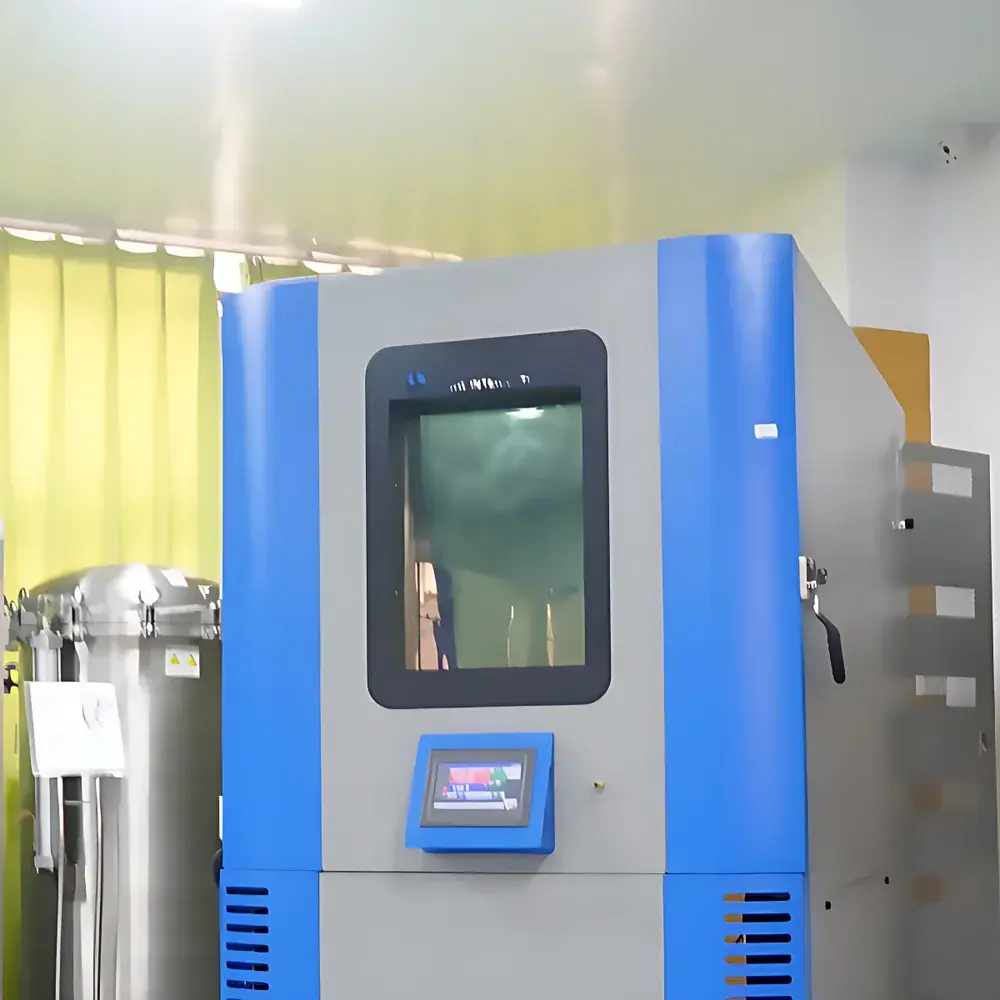
HAIDA HD-F801-3 Formaldehyde & VOC Emission Climate Chamber
| Brand | HAIDA INTERNATIONAL |
|---|---|
| Origin | Guangdong, China |
| Manufacturer Type | Direct Manufacturer |
| Product Category | Domestic (China-Made) |
| Model | HD-F801-3 Formaldehyde & VOC Emission Climate Chamber |
| Pricing | Upon Request |
| Temperature Range | 15–40°C |
| Temperature Resolution | 0.1°C |
| Humidity Range | 30–80% RH |
| Humidity Resolution | 0.1% RH |
| Temperature Fluctuation | ≤±0.3°C |
| Temperature Uniformity | ≤±1.0°C |
| Temperature Deviation | ≤±0.5°C |
| Humidity Deviation | ≤±3% RH |
| Airflow Velocity | 0.1–0.3 m/s (adjustable) |
| Internal Chamber Dimensions | 1000 × 950 × 1072 mm (D × W × H) |
| Power Supply | 220 V, 50 Hz, 8 kW |
Overview
The HAIDA HD-F801-3 Formaldehyde & VOC Emission Climate Chamber is a precision-engineered 1 m³ environmental test chamber designed for standardized determination of formaldehyde and volatile organic compound (VOC) emissions from building materials, wood-based panels, furniture components, and interior finishing products. It operates on the principle of dynamic chamber testing—where conditioned air is continuously supplied to the test chamber at a controlled temperature, relative humidity, and air exchange rate, enabling quantitative collection of emitted gaseous pollutants over defined exposure periods. The system complies with internationally recognized standards including GB 18580–2017 (China), ASTM D6007–02 (Standard Test Method for Formaldehyde Release from Wood Products Using a Small-Scale Environmental Chamber), EN 717–1 (Wood-Based Panels – Determination of Formaldehyde Release – Part 1: Formaldehyde Release by the Chamber Method), and ANSI/BIFMA X7.1–2007 (Office Furniture Performance Standard). Its modular architecture, PID-controlled climate regulation, and traceable operational parameters ensure high reproducibility and regulatory alignment for quality control laboratories, certification bodies, and R&D facilities operating under GLP or ISO/IEC 17025 frameworks.
Key Features
- 1 m³ stainless steel-lined test chamber with seamless internal welding and electropolished surfaces to minimize background VOC adsorption and facilitate cleaning.
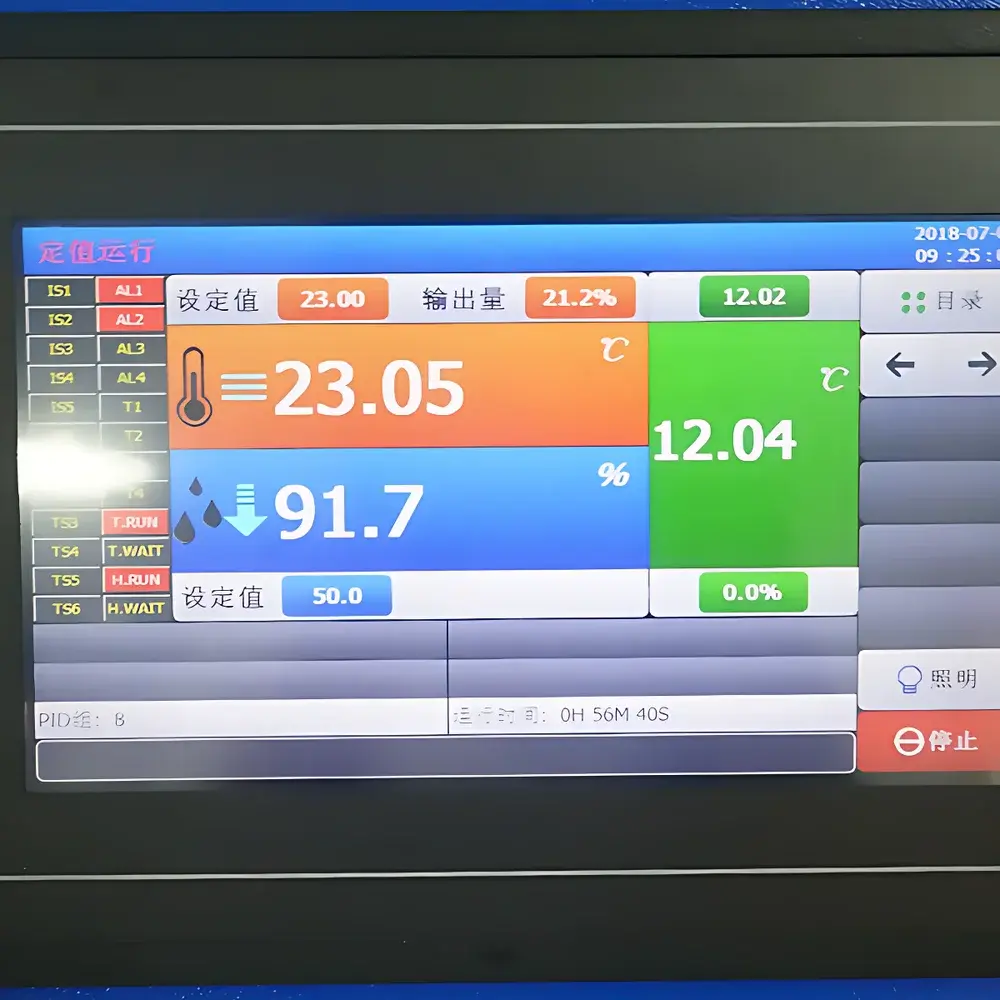
- Microprocessor-based dual-loop climate control system integrating Siemens PLC and Wecon 10-inch industrial touchscreen HMI for intuitive parameter setting, real-time monitoring, and event logging.
- High-accuracy temperature regulation (±0.3°C fluctuation) using refrigeration-compressor + water bath thermal management; humidity controlled via dew-point generation with independent chilled-water reservoirs for precise RH setpoint attainment.
- Adjustable laminar airflow (0.1–0.3 m/s) driven by rear-mounted axial fans and optimized ductwork with perforated baffle plates to ensure uniform air distribution and minimal sample boundary-layer interference.
- Integrated alarm system with visual and automatic shutdown protocols for low/high water level in dew-point and temperature water tanks, ensuring equipment protection and data integrity.
- Modular electrical cabinet housing contactors, circuit breakers, and I/O modules compliant with IEC 61000-6-2 (EMC immunity) and IEC 61000-6-4 (EMC emission) standards.
- Pre-configured compliance mode settings aligned with standard test durations (e.g., 24 h, 7 d, 28 d), temperature (23°C ± 0.5°C), and RH (45% ± 3% RH) per GB 18580 and EN 717–1 requirements.
Sample Compatibility & Compliance
The HD-F801-3 accommodates flat-panel samples up to 1.0 m² surface area (standard loading ratio: 1.0 m²/m³), including particleboard, MDF, plywood, laminate flooring, wall coverings, adhesives, and composite insulation materials. Sample mounting uses non-outgassing stainless steel fixtures and adjustable height racks to maintain consistent spacing and airflow exposure. All internal materials—including gaskets, seals, insulation, and tubing—are certified low-emission (per ISO 16000-9 Annex B) and pre-conditioned prior to validation runs. The chamber meets traceability requirements for ISO/IEC 17025-accredited testing laboratories and supports audit-ready documentation for FDA 21 CFR Part 11–compliant electronic records when paired with validated third-party data acquisition software.
Software & Data Management
While the onboard controller provides local operation and real-time trend visualization, the HD-F801-3 supports RS485 Modbus RTU and optional Ethernet TCP/IP communication for integration into centralized laboratory information management systems (LIMS). Logged data—including chamber temperature, dew-point temperature, RH%, airflow rate, runtime, and alarm events—is timestamped and exportable as CSV or PDF reports. For full regulatory traceability, users may implement external validated software platforms that provide electronic signatures, audit trails, user access controls, and secure data archiving—meeting GLP, GMP, and ISO 17025 clause 7.5.2 requirements for measurement uncertainty documentation and result retention.
Applications
- Determination of formaldehyde emission rates (mg/m²·h) from engineered wood products per GB 18580–2017 and JIS A 1460.
- Quantification of total VOC (TVOC) and individual VOC species (e.g., benzene, toluene, xylene, aldehydes) using coupled GC-MS or HPLC analysis of sorbent tube or impinger-collected samples.
- Accelerated aging studies evaluating emission kinetics under elevated temperature/humidity stress conditions (e.g., 30°C/70% RH).
- Validation of low-emission material claims for GREENGUARD, LEED IEQ Credit 4.4, and Cradle to Cradle Certified™ programs.
- Method development and inter-laboratory comparison studies under ISO 554 and ISO 16000-9 environmental conditioning protocols.
FAQ
What standards does the HD-F801-3 formally support?
It is engineered to meet the operational specifications of GB 18580–2017, ASTM D6007–02, EN 717–1, and ANSI/BIFMA X7.1–2007 for formaldehyde emission testing. Additional VOC protocols require compatible sampling and analytical instrumentation.
Is the chamber suitable for long-term stability testing (e.g., 28-day exposures)?
Yes—its dual-reservoir water management system, compressor redundancy design, and continuous-duty-rated components support uninterrupted operation for up to 30 days with scheduled maintenance intervals.
How is humidity accuracy maintained across temperature ranges?
Humidity is controlled indirectly via dew-point temperature regulation using a calibrated chilled-water dew-point generator; RH accuracy is derived from NIST-traceable saturation vapor pressure tables embedded in the controller firmware.
Can the airflow rate be validated independently?
Yes—the integrated rotameter with needle valve allows manual verification using a calibrated anemometer or mass flow meter at the exhaust port; recommended calibration interval is every 6 months or per ISO/IEC 17025 internal procedure.
What maintenance is required for regulatory compliance?
Monthly inspection of water tank cleanliness, quarterly verification of temperature/humidity sensor calibration (using reference probes per ISO 17025), biannual replacement of desiccant in auxiliary dry-air supply lines (if used), and annual full-system performance qualification per ASTM E2454.



