
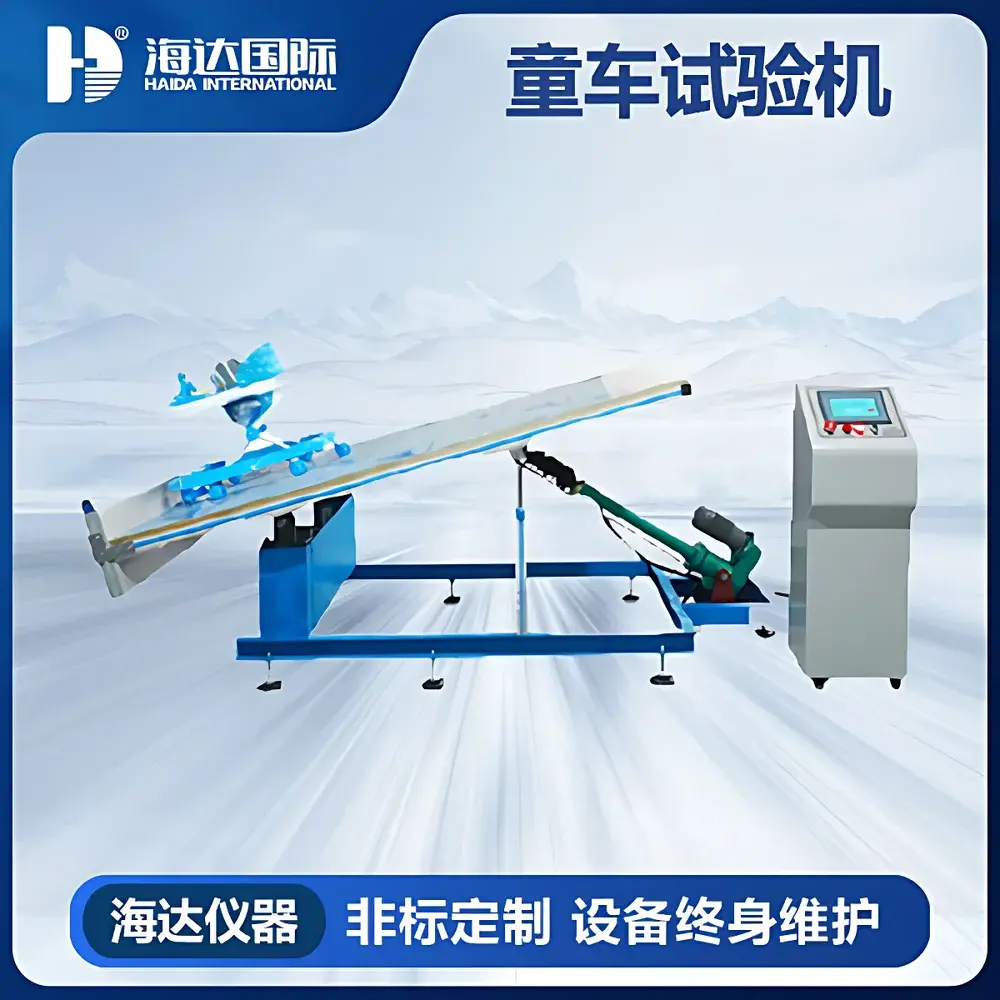
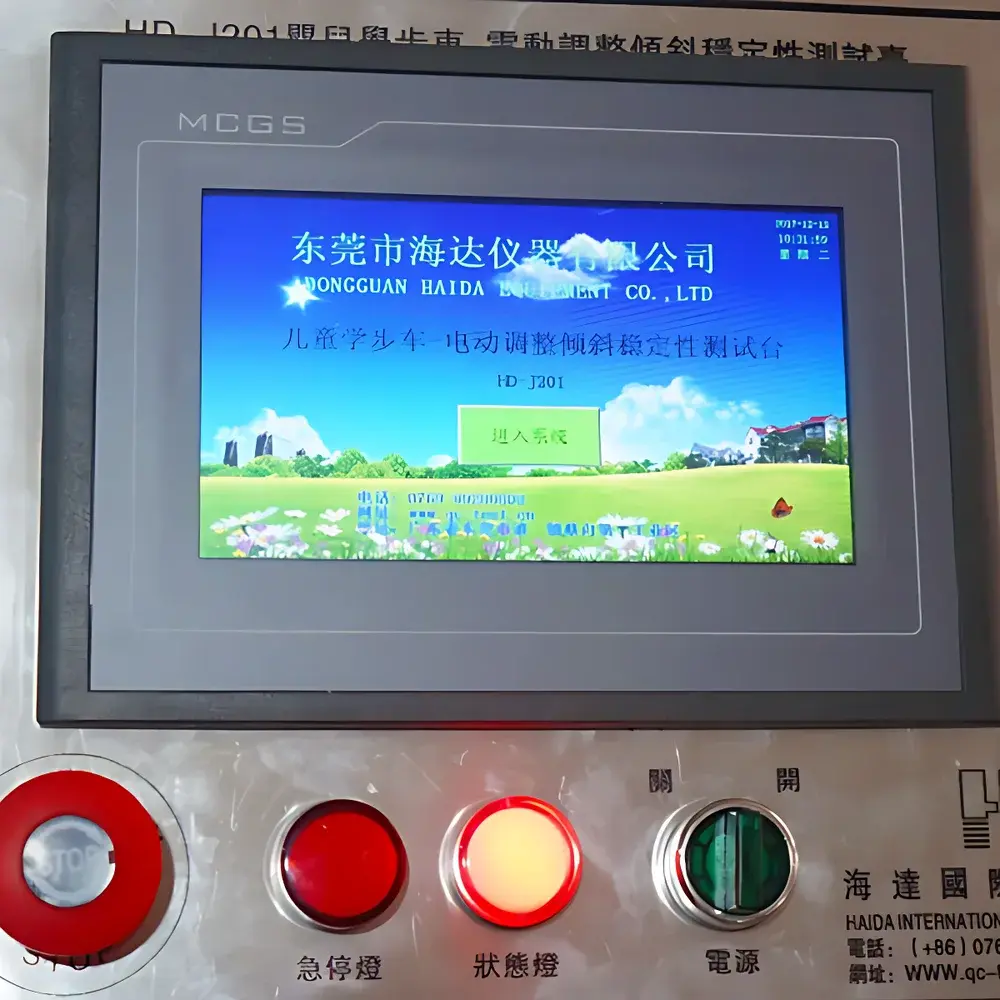
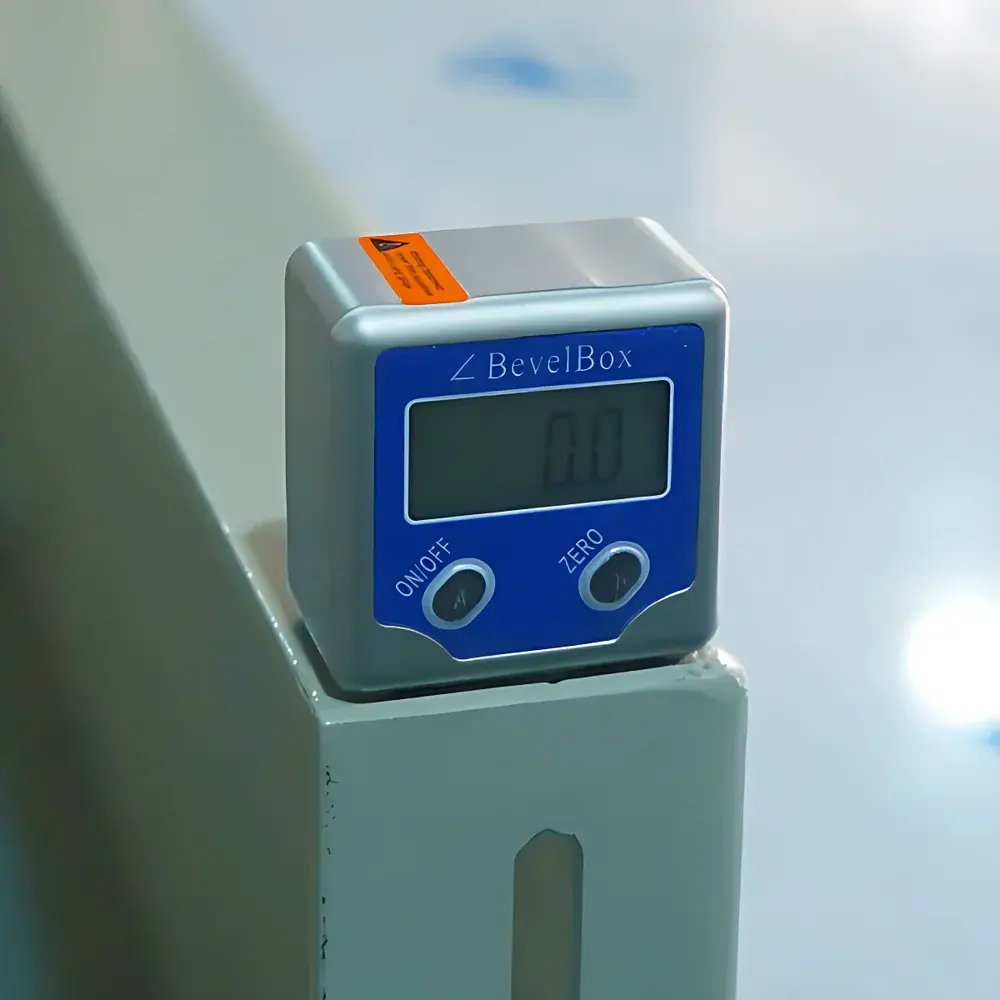
HAIDA HD-J201 Electrically Adjustable Tilt Stability Test Stand for Infant Walkers
| Brand | HAIDA INTERNATIONAL |
|---|---|
| Origin | Guangdong, China |
| Manufacturer Type | OEM/ODM Manufacturer |
| Origin Category | Domestic (China) |
| Model | HAIDA HD-J201 Electrically Adjustable Tilt Stability Test Stand for Infant Walkers |
| Quotation | Upon Request |
| Test Angle Range | 0–20° |
| Platform Dimensions | 1200 × 2000 mm |
| Angular Accuracy | ±0.1° |
| Adjustable Impact Stop Height | 40–200 mm |
| Overall Dimensions (L×W×H) | 2350 × 1350 × 1100 mm |
| Power Supply | AC 220 V, 5 A |
| Standard Compliance | GB 14749–2006 Clause 5.9 (Safety Requirements for Infant Walkers) |
Overview
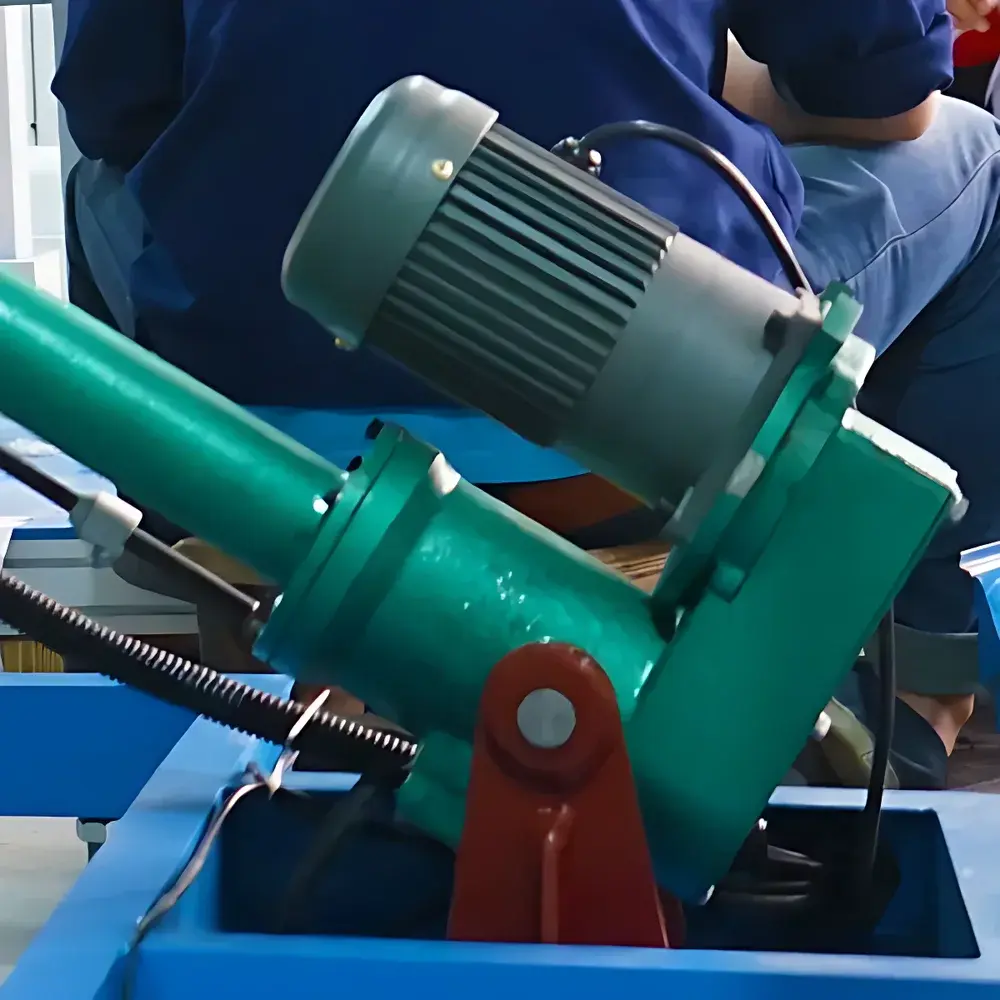
The HAIDA HD-J201 Electrically Adjustable Tilt Stability Test Stand is a purpose-built mechanical testing system engineered to evaluate the static and dynamic stability performance of infant walkers under controlled inclined conditions. Designed in strict accordance with the mechanical test requirements specified in GB 14749–2006 Safety Requirements for Infant Walkers, particularly Clause 5.9 “Stability Test”, this stand implements a repeatable, motor-driven tilt mechanism that precisely positions the test platform between 0° and 20° relative to horizontal. The system operates on the principle of gravitational moment analysis: by incrementally increasing the platform inclination angle while applying standardized loading (Test Weight A per GB 14749–2006), the point at which the walker’s center of gravity exceeds its support polygon—resulting in tipping or lateral displacement—is objectively determined. Its rigid structural frame, low-inertia servo-controlled tilt actuation, and calibrated angular feedback ensure high reproducibility across sequential tests, making it suitable for both routine quality control and formal regulatory validation in ISO/IEC 17025-accredited laboratories.
Key Features
- Electrically driven, programmable tilt mechanism with closed-loop angular positioning and ±0.1° repeatability
- Large-format test platform (1200 mm × 2000 mm) accommodating single- and multi-occupant walkers, including extended-wheelbase models
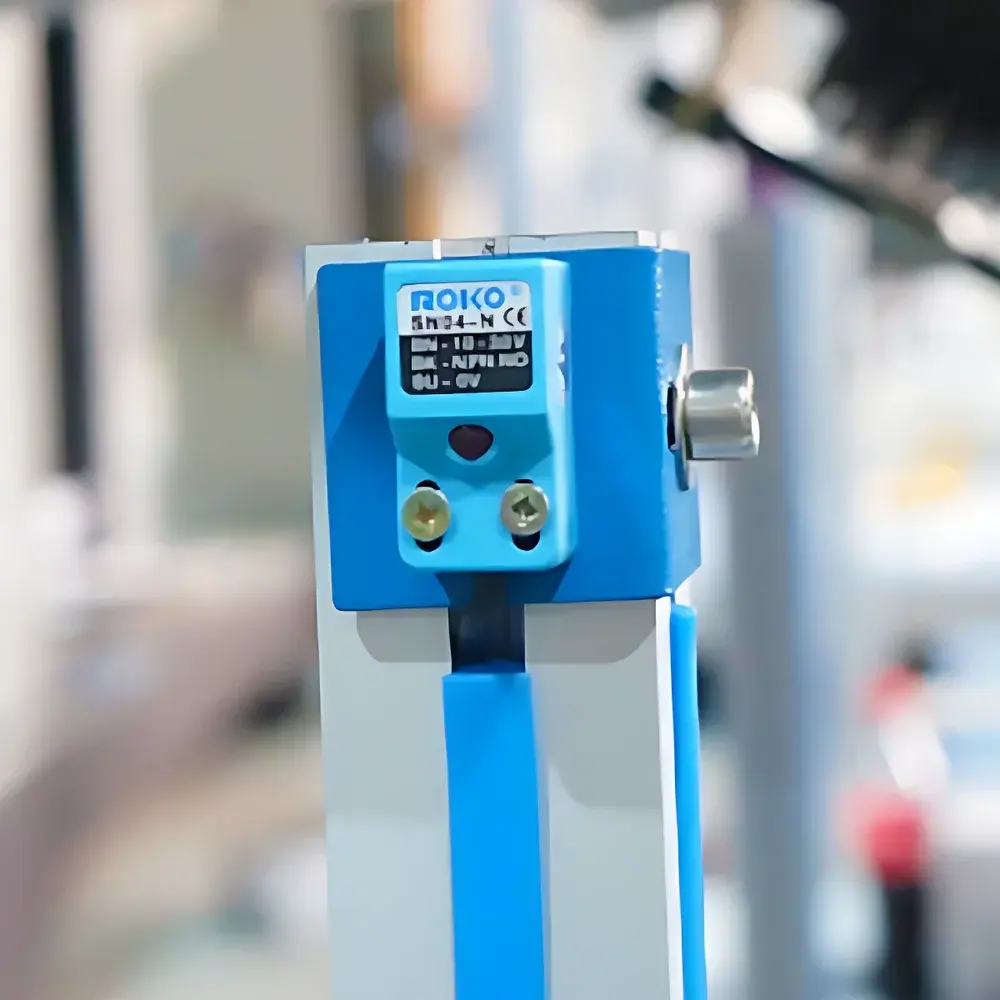
- Adjustable impact stop (40–200 mm height) mounted along the lower edge of the platform, independently height-tunable without affecting platform geometry
- Non-supportive stop design: engineered to prevent contact with the walker’s bottom surface during testing—ensuring compliance with GB 14749–2006 Clause 5.9.2
- Integrated mounting interface for standardized Test Weight A (per GB 14749–2006 Annex A), with optional non-mass-affecting fixation clamps
- Robust steel-frame architecture with anti-slip platform surface and integrated cable management for long-term operational stability
- CE-marked power module (220 V AC, 5 A) with overcurrent protection and emergency stop circuitry compliant with IEC 60204-1
Sample Compatibility & Compliance
The HD-J201 supports infant walkers conforming to national and international safety frameworks, including but not limited to GB 14749–2006 (China), ASTM F963–17 Section 4.22 (U.S.), and EN 1273:2005 (EU). It accommodates walkers with adjustable seat heights—requiring evaluation at maximum seat elevation—as mandated by Clause 5.9.3. The platform geometry and stop configuration are validated against dimensional tolerances defined in GB 14749–2006 Figure 8 and Table 4. All mechanical components undergo traceable calibration using NIST-traceable inclinometers and dimensional gauges. Documentation packages include Factory Calibration Certificates, Installation Qualification (IQ) protocols, and Operational Qualification (OQ) test reports aligned with GLP principles.
Software & Data Management
While the HD-J201 operates as a standalone electromechanical system, optional digital integration is available via RS-485 or USB-to-serial interface for connection to laboratory information management systems (LIMS) or custom QC software. Angle setpoints, dwell times, and pass/fail status per test cycle can be logged with timestamp and operator ID. When paired with HAIDA’s optional TestLog Pro v3.1 software (sold separately), users gain audit-trail functionality compliant with FDA 21 CFR Part 11 requirements—including electronic signatures, version-controlled test templates, and immutable raw data export in CSV and PDF formats. All firmware updates are digitally signed and verified prior to installation.
Applications
- Pre-market conformity assessment of infant walkers for domestic certification (CNCA/CQC) and export clearance (e.g., GCC, BIS, INMETRO)
- Production line end-of-line (EOL) stability verification with pass/fail threshold automation
- Root cause analysis of tipping incidents during product development—enabling iterative chassis and wheelbase optimization
- Third-party testing lab accreditation under CNAS (China National Accreditation Service) or ILAC-MRA signatory scopes
- Training and demonstration of GB 14749–2006 test methodology for QA/QC personnel and regulatory auditors
FAQ
Does the HD-J201 meet requirements for third-party certification testing?
Yes—the system is designed to fulfill all mechanical and procedural specifications in GB 14749–2006 Clause 5.9 and has been successfully deployed in multiple CNAS-accredited laboratories for official type testing.
Can the platform accommodate walkers with asymmetric wheel configurations?
Yes—the 1200 × 2000 mm platform provides ample lateral and longitudinal clearance; alignment is verified using the built-in centerline marker and adjustable reference stops.
Is manual angle adjustment possible if the electric drive fails?
No—this model relies exclusively on motorized tilt actuation to guarantee ±0.1° accuracy and repeatability; a backup mechanical hand-crank option is not included but can be quoted as a custom modification.
What documentation is supplied with the system?
Standard delivery includes User Manual (English/Chinese), Calibration Certificate, Electrical Safety Report (IEC 61000-6-3/6-4), and GB 14749–2006 Test Procedure Reference Guide.
Is remote technical support available for international customers?
Yes—HAIDA offers video-assisted diagnostics, firmware update guidance, and virtual OQ execution support via secure screen-sharing sessions with certified application engineers.



