
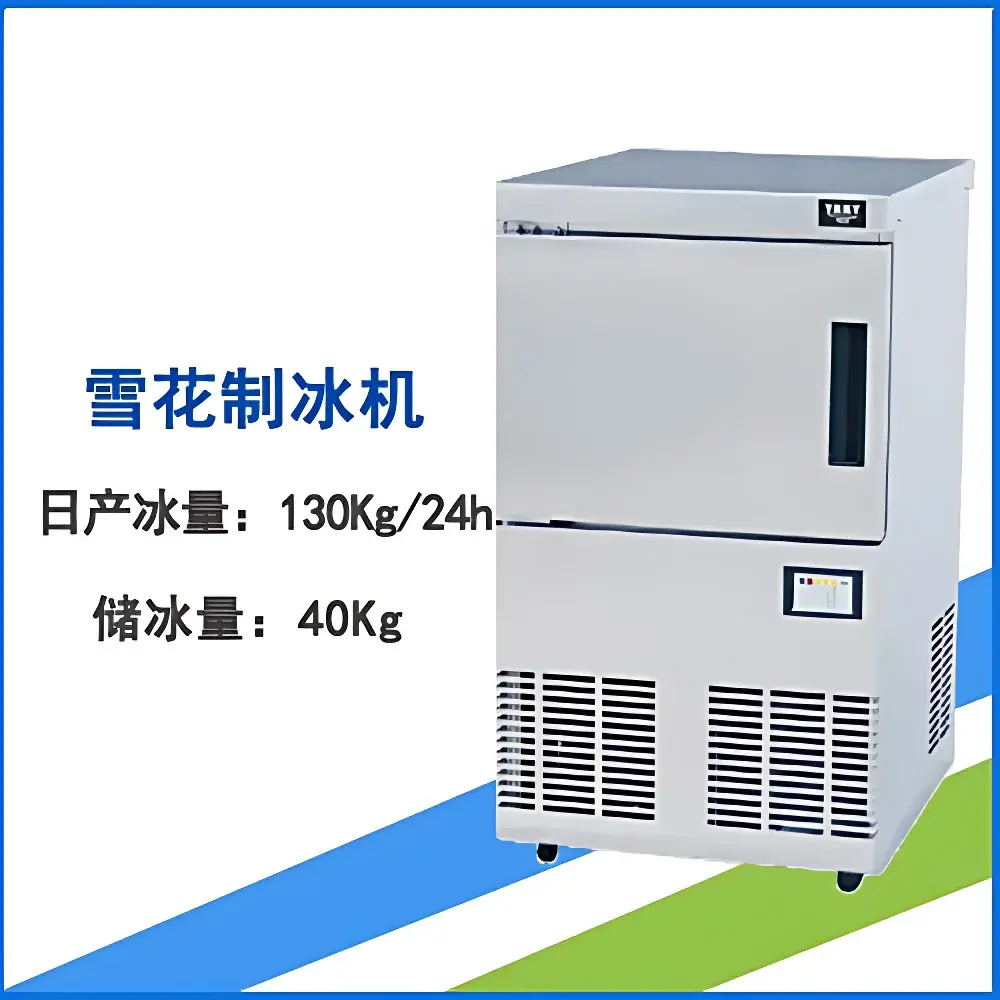
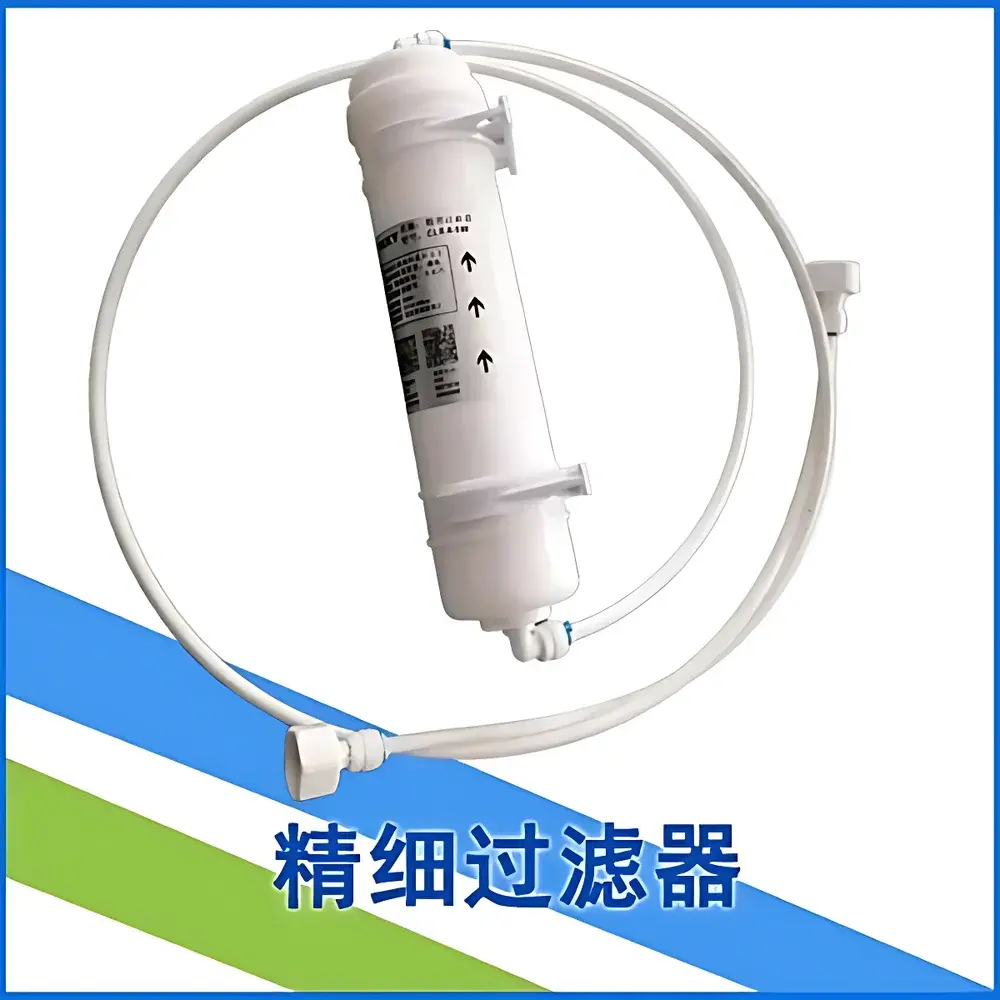
Coolium FM130 Laboratory Flake Ice Machine
| Brand | Coolium |
|---|---|
| Origin | Beijing, China |
| Manufacturer Type | Authorized Distributor |
| Product Type | Flake Ice Machine |
| Ice Production Capacity | 130 kg/24 h |
| Ice Storage Capacity | 40 kg |
| Water Consumption | 5.5 L/h |
| Cooling Method | Air-Cooled |
| Compressor Power | 3/8 HP |
| Net Weight | 83 kg |
| Power Supply | 220 V / 50 Hz / 480 W / 15 A |
| Dimensions (W×D×H) | 600 × 570 × 850 mm |
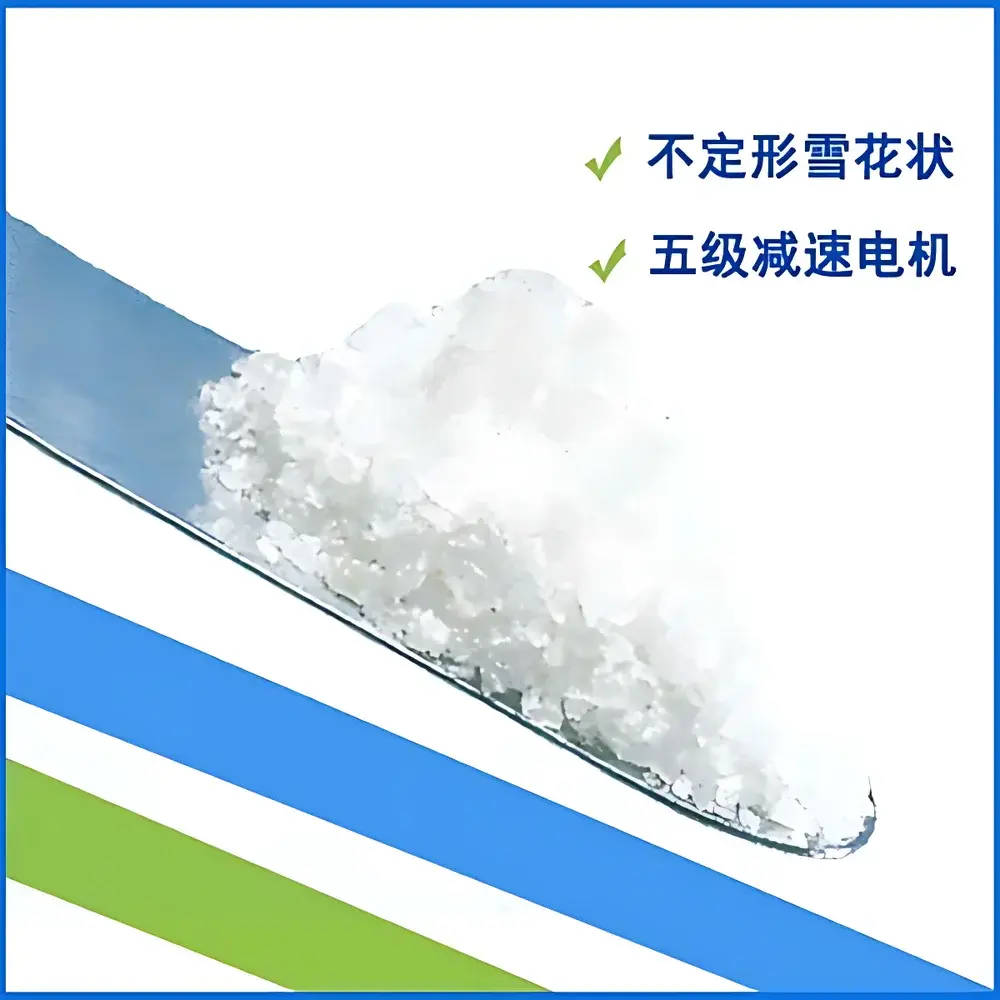
| Ice Form | Fine, Irregular Flake Ice |
| Drive System | Multi-Stage (5-Stage) Gear Reduction |
| Control System | Microprocessor-Based Digital Controller |
| Housing Material | Stainless Steel (AISI 304) |
| Safety Features | Built-in RCD (Residual Current Device), Auto-Restart After Power/Water Recovery |
Overview
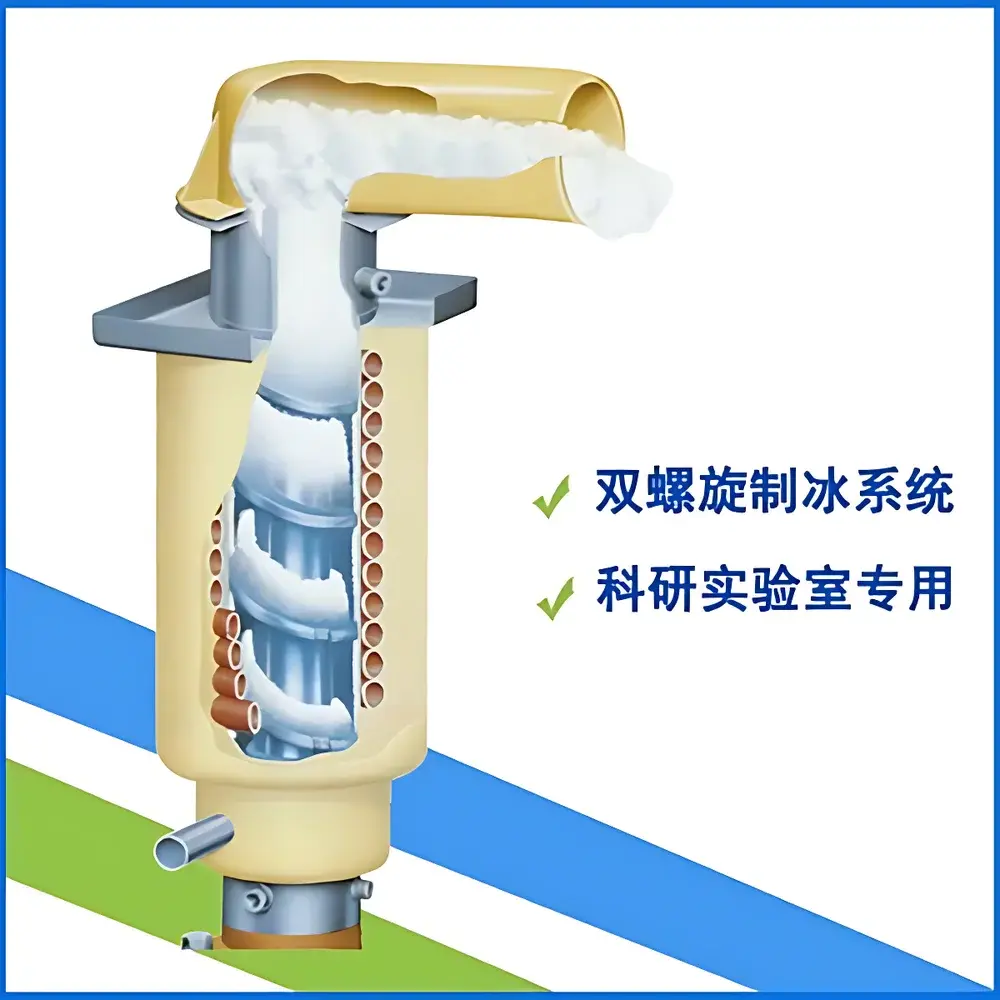
The Coolium FM130 Laboratory Flake Ice Machine is an air-cooled, microprocessor-controlled flake ice system engineered specifically for demanding laboratory environments where consistent, high-surface-area ice is critical for temperature-sensitive sample handling, enzymatic assays, chromatography sample preparation, and cold-chain integrity maintenance. Unlike cubed or nugget ice, flake ice produced by the FM130 features irregular, thin, snow-like particles with high surface-to-volume ratio—enabling rapid thermal transfer and uniform packing around vials, tubes, and reaction vessels. Its core thermodynamic architecture employs a dual-spiral extrusion freezing mechanism: water is distributed onto a refrigerated drum surface, rapidly frozen into a thin layer, then mechanically scraped off by two counter-rotating augers to generate fine, dry flakes. This process eliminates internal crystalline stress and ensures low-moisture-content ice ideal for applications requiring minimal meltwater dilution—such as PCR setup, tissue homogenization, or electrophoresis buffer cooling.
Key Features
- Dual-Spiral Extrusion Technology: Patented twin-auger design enables compact footprint (600 × 570 × 850 mm) while delivering 130 kg of flake ice per 24 hours—optimized for benchtop integration in ISO Class 5–7 cleanrooms and QC labs.
- Air-Cooled Condensing System: Eliminates need for external water cooling infrastructure; suitable for installations where chilled water supply is unavailable or impractical.
- 5-Stage Gear Reduction Drive: Paired with a premium imported hermetic compressor (3/8 HP), this configuration ensures low operational noise (<52 dB[A] at 1 m), vibration damping, and extended service life under continuous duty cycles.
- Stainless Steel Enclosure (AISI 304): Corrosion-resistant housing meets laboratory hygiene standards; seamless welds and rounded internal corners prevent microbial harborage and simplify cleaning validation per GLP protocols.
- Intelligent Microcontroller: Monitors evaporator temperature, condensing pressure, water flow rate, and ice thickness in real time; triggers automatic defrost, shutdown on low-water detection, and fault logging with LED status codes.
- Auto-Restart Functionality: Upon restoration of power or water supply, the unit resumes operation from its last validated state—no manual reset required—ensuring continuity in unattended overnight runs.
Sample Compatibility & Compliance
The FM130 produces non-porous, low-density flake ice (typical particle size: 1–3 mm thickness, irregular planar geometry), making it compatible with narrow-bore containers (e.g., 0.2 mL PCR strips, 1.5 mL microcentrifuge tubes) and high-precision thermal baths. Ice output complies with ASTM D4178-22 (Standard Specification for Flake Ice) for physical consistency and melt profile. The unit’s electrical design conforms to IEC 61000-6-3 (EMC Emission Limits) and IEC 61000-6-2 (Immunity Requirements). Residual current device (RCD) protection satisfies IEC 61008-1 for personnel safety. While not certified for medical device manufacturing under ISO 13485, the FM130 supports GxP-aligned workflows when integrated into documented lab SOPs—including traceable calibration of onboard temperature sensors and audit-ready event logs.
Software & Data Management
The FM130 operates via embedded firmware with no external software dependency. All operational parameters—including runtime hours, total ice mass produced, number of auto-defrost cycles, and fault history—are stored in non-volatile memory. Event timestamps are retained for ≥12 months. For laboratories implementing 21 CFR Part 11 compliance, the unit supports integration with third-party environmental monitoring systems (EMS) via optional RS-485 Modbus RTU interface (available as add-on module), enabling remote status polling, alarm forwarding, and synchronized data archiving in validated LIMS or ELN platforms. Audit trails generated through such integrations satisfy ALCOA+ principles (Attributable, Legible, Contemporaneous, Original, Accurate, Complete, Consistent, Enduring, Available).
Applications
- Cold preservation of biological samples during nucleic acid extraction and library prep
- Temperature stabilization of HPLC autosampler trays and GC injection ports
- Rapid cooling of exothermic reactions in synthetic chemistry workflows
- Pre-chilling of centrifuge rotors and rotor buckets prior to high-speed runs
- Buffer temperature control during electrophoresis and Western blotting
- Supporting ISO/IEC 17025-accredited calibration labs requiring traceable thermal mass for thermometer verification
FAQ
What is the typical flake ice density and melting rate under standard lab conditions (22°C ambient)?
Flake ice from the FM130 exhibits a bulk density of approximately 350–400 kg/m³ and melts at ~0.8–1.2 kg/h when packed around room-temperature samples in insulated containers.
Can the FM130 be installed in a temperature-controlled cold room (e.g., 4°C)?
Yes—its air-cooled condenser is rated for ambient operating temperatures between 5°C and 35°C. Performance remains stable across this range, though maximum daily output may decrease by ≤12% at 5°C due to reduced heat rejection efficiency.
Is routine descaling required? If so, what is the recommended interval and agent?
Descaling is advised every 3–6 months depending on feed water hardness (measured as CaCO₃ ppm); use only food-grade citric acid solution (2–3% w/v) per manufacturer protocol—never chlorine-based cleaners.
Does the unit include validation documentation (IQ/OQ) support materials?
Coolium provides a Factory Acceptance Test (FAT) report and user-accessible calibration certificate for the main temperature sensor. Full IQ/OQ protocols must be developed in-house or by qualified third parties per ISO/IEC 17025 or GAMP 5 guidelines.



