
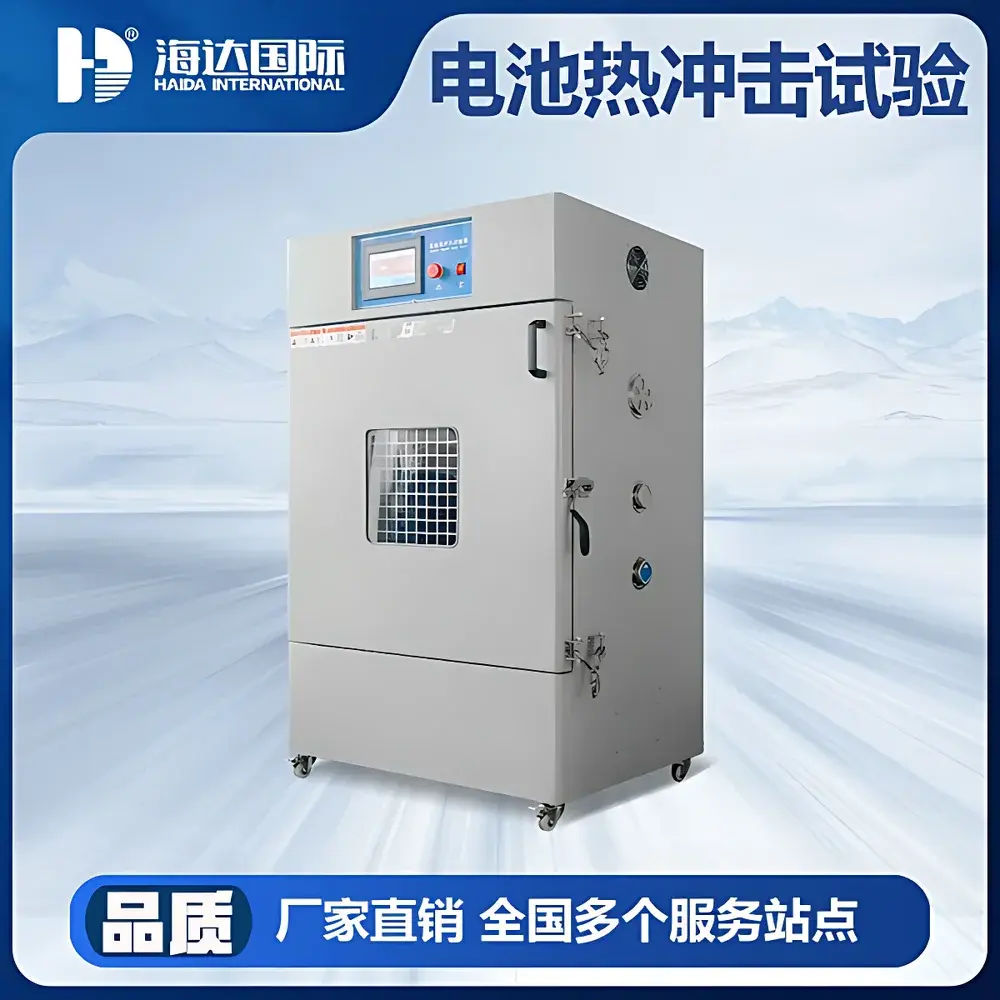
HAIDA HD-H210 Battery Thermal Shock Test Chamber
| Brand | HAIDA INTERNATIONAL |
|---|---|
| Origin | Guangdong, China |
| Manufacturer Type | Direct Manufacturer |
| Country of Origin | China |
| Model | HD-H210 |
| Temperature Range | RT to 200 °C |
| Internal Dimensions (W×D×H) | 400 × 400 × 400 mm |
| External Dimensions (W×D×H) | 860 × 700 × 1310 mm |
| Temperature Display Resolution | 0.1 °C |
| Temperature Stability | ±1.0 °C |
| Temperature Uniformity | ±2 °C |
| Heating Rate | (5 ± 1) °C/min |
| Soak Time Range | 0–9999 h |
| Control Interface | Keypad-based Controller |
| Inner Chamber Material | 1.2 mm SUS304 Stainless Steel |
| Outer Cabinet Material | 1.5 mm Cold-Rolled Steel with Powder Coating |
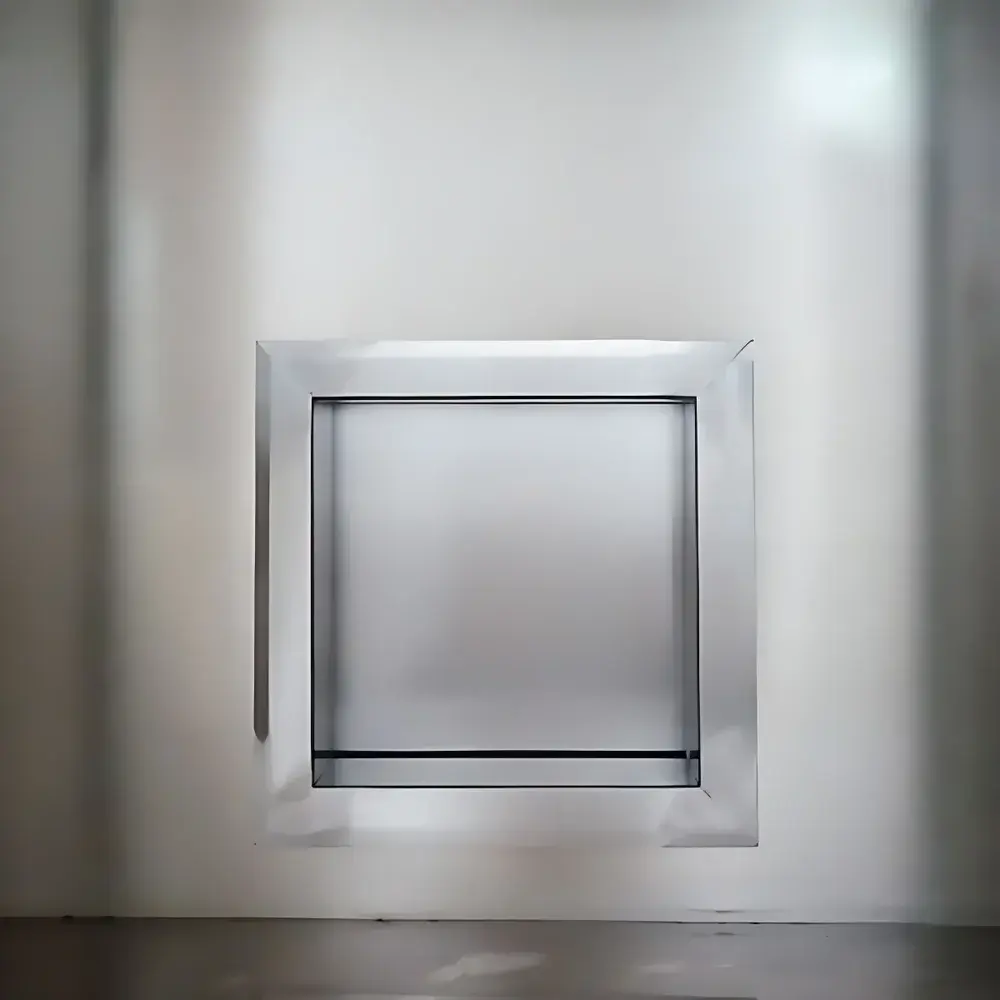
| Viewing Window | 250 × 250 mm Dual-Layer Tempered Glass with Stainless Steel Mesh |
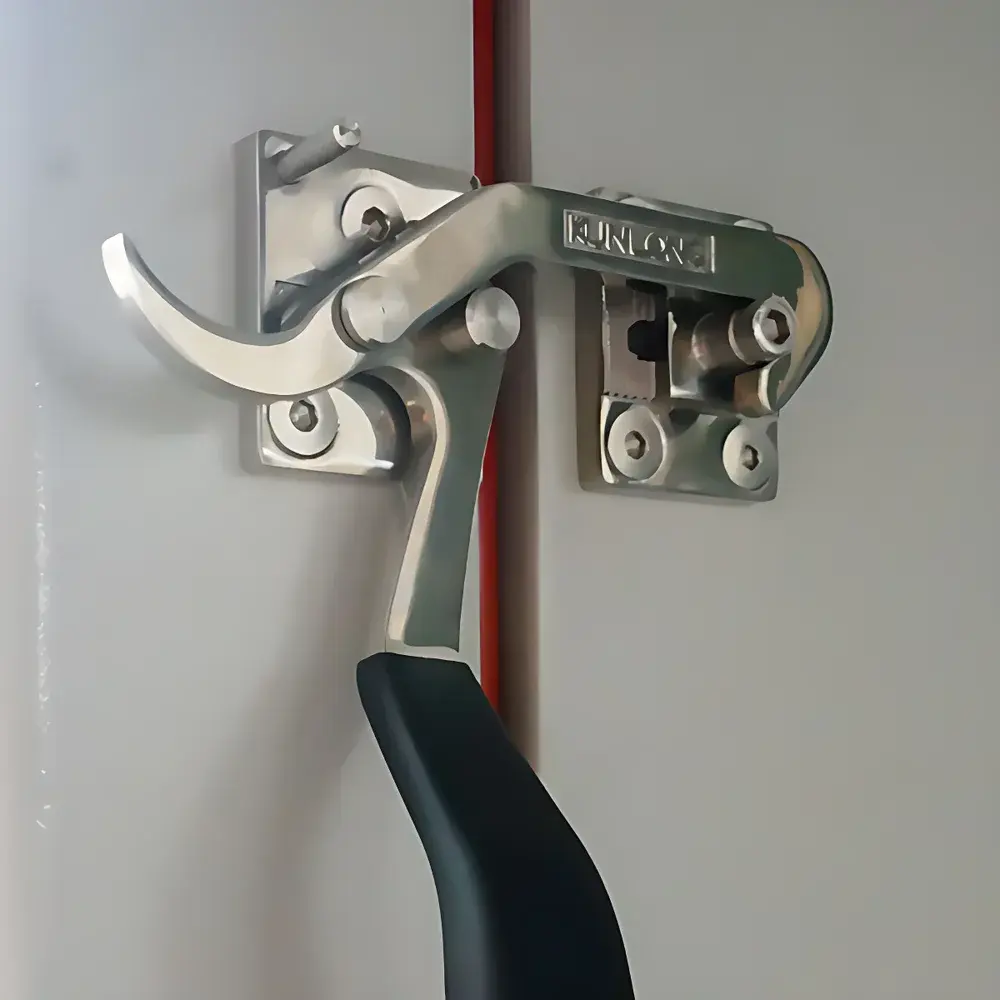
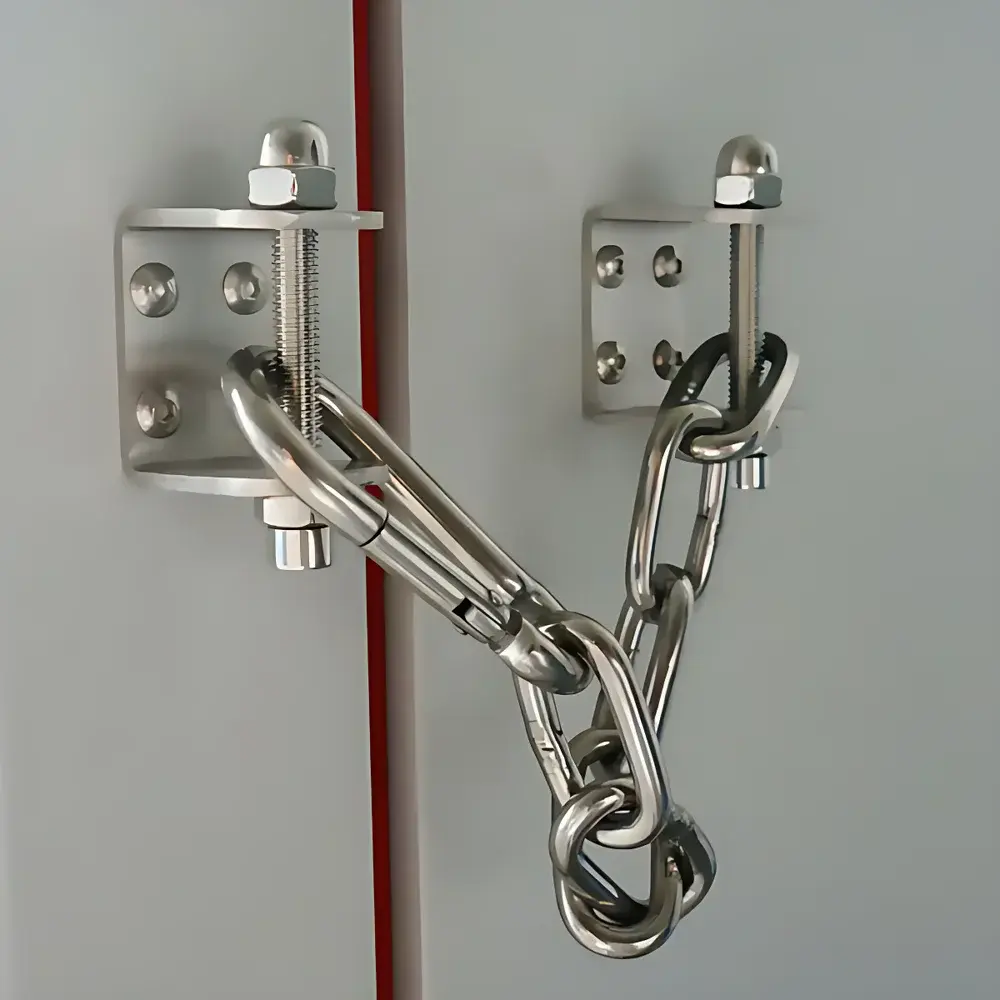
| Door Configuration | Single Left-Swing Door with Explosion-Proof Chain |
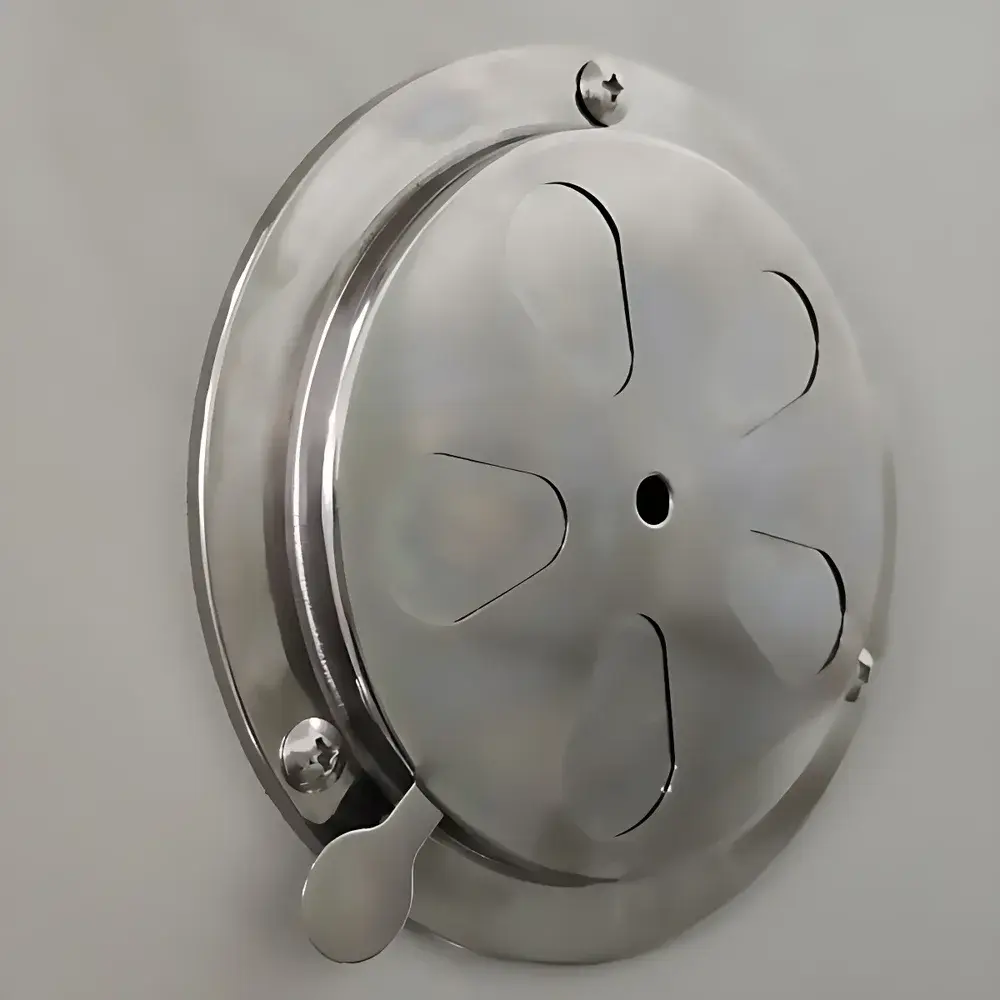
| Test Ports | Two Ø50 mm Penetration Ports (Right Side) |
| Insulation | High-Efficiency Compressed Glass Wool |
| Safety Protections | Non-fuse Breaker, Over-Temperature Cut-off Switch, Thermal Fuse, Audible Alarm on Over-Temp Event |
| Air Circulation | Convection-Based Forced-Air System |
| Net Weight | 75 kg |
| Power Supply | AC 220 V |
| Rated Power | 2 kW |
Overview
The HAIDA HD-H210 Battery Thermal Shock Test Chamber is an engineered environmental stress test system designed specifically for evaluating thermal resilience and safety performance of lithium-ion batteries, battery modules, and fuel cell components under rapid temperature transition conditions. Unlike general-purpose ovens, the HD-H210 implements a precisely regulated convection-driven heating cycle—capable of ramping from ambient (RT) to 200 °C at a controlled rate of (5 ± 1) °C/min—to simulate real-world thermal abuse scenarios such as thermal runaway propagation, enclosure overheating in vehicle battery packs, or hydrogen storage system exposure during operational fault conditions. Its chamber architecture adheres to the fundamental principles of ISO/IEC 17025-compliant thermal testing environments: uniform heat distribution, traceable temperature stability, and repeatable soak profiles. The unit is purpose-built for compliance-driven validation workflows in hydrogen energy infrastructure development, where thermal integrity of PEM fuel cell stacks, bipolar plates, and onboard battery management systems must be verified against international transport and safety standards.
Key Features
- Stainless steel inner chamber (SUS304, 1.2 mm thickness) ensures corrosion resistance against off-gassing byproducts common in high-temperature battery failure modes.
- Dual-layer tempered glass observation window (250 × 250 mm) with integrated stainless steel mesh provides real-time visual monitoring while maintaining structural integrity under pressure differentials.
- Two Ø50 mm feedthrough ports on the right side enable simultaneous integration of thermocouples, voltage probes, gas sensors, or data loggers without compromising chamber seal integrity.
- Convection-based forced-air circulation system delivers consistent thermal uniformity (±2 °C across working volume), critical for reproducible thermal shock assessment per IEC 62133 Clause 7.4 and UN 38.3 Section 38.3.4.
- Over-temperature protection circuitry includes redundant safeguards: non-fuse breaker, bi-metallic over-temp switch, thermal fuse, and audible alarm activation upon deviation beyond ±1.0 °C setpoint tolerance.
- Keypad-controlled interface supports programmable soak durations up to 9999 hours—enabling extended dwell tests required for accelerated aging studies under GB/T 31485-2015 Annex C and UL 1642 Section 9.2.
Sample Compatibility & Compliance
The HD-H210 accommodates prismatic, cylindrical, and pouch-format lithium-ion cells; small-format PEM fuel cell MEAs; and auxiliary hydrogen system components (e.g., pressure regulators, solenoid valves) up to 400 mm in any dimension. Its internal volume (0.064 m³) meets minimum spatial requirements for single-cell and sub-module-level evaluations defined in GB/T 31241-2014 Section 7.7 and IEC 62133-2:2017 Clause 7.4.1. All operational parameters—including heating ramp rate, dwell time, and thermal recovery behavior—are traceable to NIST-traceable reference standards via calibrated Pt100 sensors. The chamber’s design supports audit-ready documentation for GLP-compliant laboratories and satisfies hardware prerequisites for FDA 21 CFR Part 11-aligned electronic record systems when paired with external validated data acquisition platforms.
Software & Data Management
While the HD-H210 utilizes a standalone keypad controller for basic operation, it is fully compatible with third-party SCADA and LIMS interfaces via analog 4–20 mA output signals (optional retrofit). Real-time temperature logging—synchronized with external voltage/current monitors—is achievable using industry-standard protocols (Modbus RTU over RS-485). All test logs generated through external DAQ systems may be configured to include digital signatures, user authentication, and immutable audit trails compliant with ISO/IEC 17025:2017 Clause 7.5.2 and EU Annex 11 requirements for computerized systems used in safety-critical testing.
Applications
- Thermal runaway initiation and propagation analysis in Li-ion traction batteries per GB/T 31485-2015 Clause 7.4.
- Safety certification testing for portable power banks and e-bike battery packs under GB/T 31241-2014 and UL 1642.
- Pre-qualification screening of PEM fuel cell stack materials exposed to transient thermal loads during cold-start or load cycling.
- Validation of hydrogen sensor housing integrity and response latency under rapid thermal gradients (e.g., near reformer units or compression stages).
- Accelerated life testing of BMS thermal fuses, relays, and current shunts operating at elevated ambient temperatures.
FAQ
Does the HD-H210 comply with UN 38.3 Section 38.3.4 for thermal shock testing?
Yes—the chamber’s heating rate control, temperature uniformity, and dwell accuracy meet the technical specifications outlined in UN Manual of Tests and Criteria, Part III, subsection 38.3.4.
Can the unit be integrated into an automated test cell with Ethernet-based supervision?
The base model supports analog signal output; Ethernet or TCP/IP connectivity requires optional communication module installation and firmware update—contact HAIDA Application Engineering for OEM integration guidelines.
Is the inner chamber suitable for testing hydrogen-permeable materials?
The SUS304 construction and welded seam integrity are compatible with low-pressure hydrogen environments; however, for high-pressure H₂ compatibility, additional leak-testing and material certification per ISO 15998 must be performed prior to deployment.
What calibration documentation is provided with shipment?
Each unit ships with a factory calibration certificate referencing NIST-traceable standards for temperature sensor linearity and controller setpoint accuracy across the full operating range (RT to 200 °C).
Are replacement parts such as heating elements and circulation fans available globally?
Yes—HAIDA maintains an international spare parts logistics network with lead times under 10 business days for critical wear components, including fan assemblies, thermal fuses, and Pt100 sensor cartridges.





