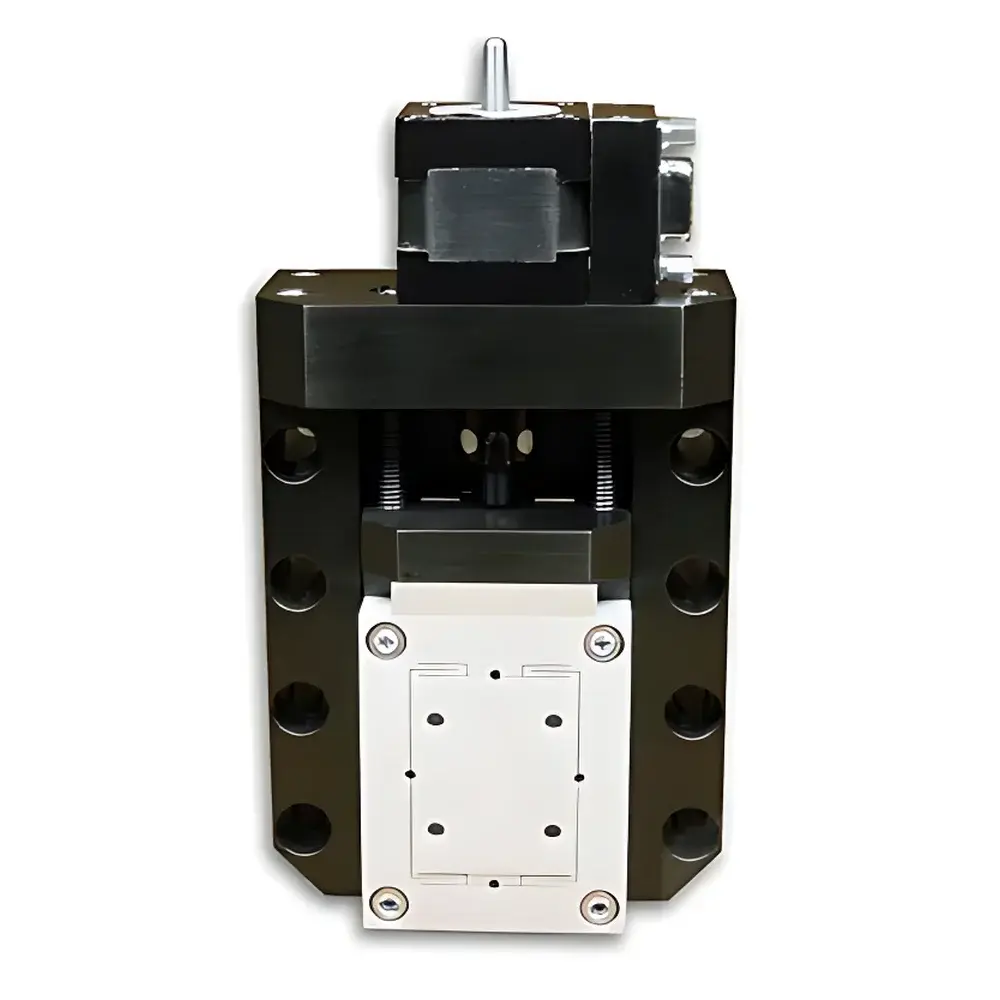
MCL Think Nano Nano-SPMZ Single-Axis Integrated Micro- and Nanopositioning Translation Stage

| Brand | MCL Think Nano |
|---|---|
| Origin | USA |
| Model | Nano-SPMZ |
| Product Type | Motorized Translation Stage |
| Coarse Travel | 25 mm |
| Fine Travel | 30 µm |
| Coarse Step Size | 95 nm |
| Encoder Resolution (optional) | 20 nm |
| Nanopositioning Resolution | 0.06 nm |
| Resonant Frequency (unloaded) | 4 kHz ±20% |
| Stiffness | 3.0 N/µm ±20% |
| Max Horizontal Load | 1.0 kg |
| Max Vertical Load | 0.5 kg |
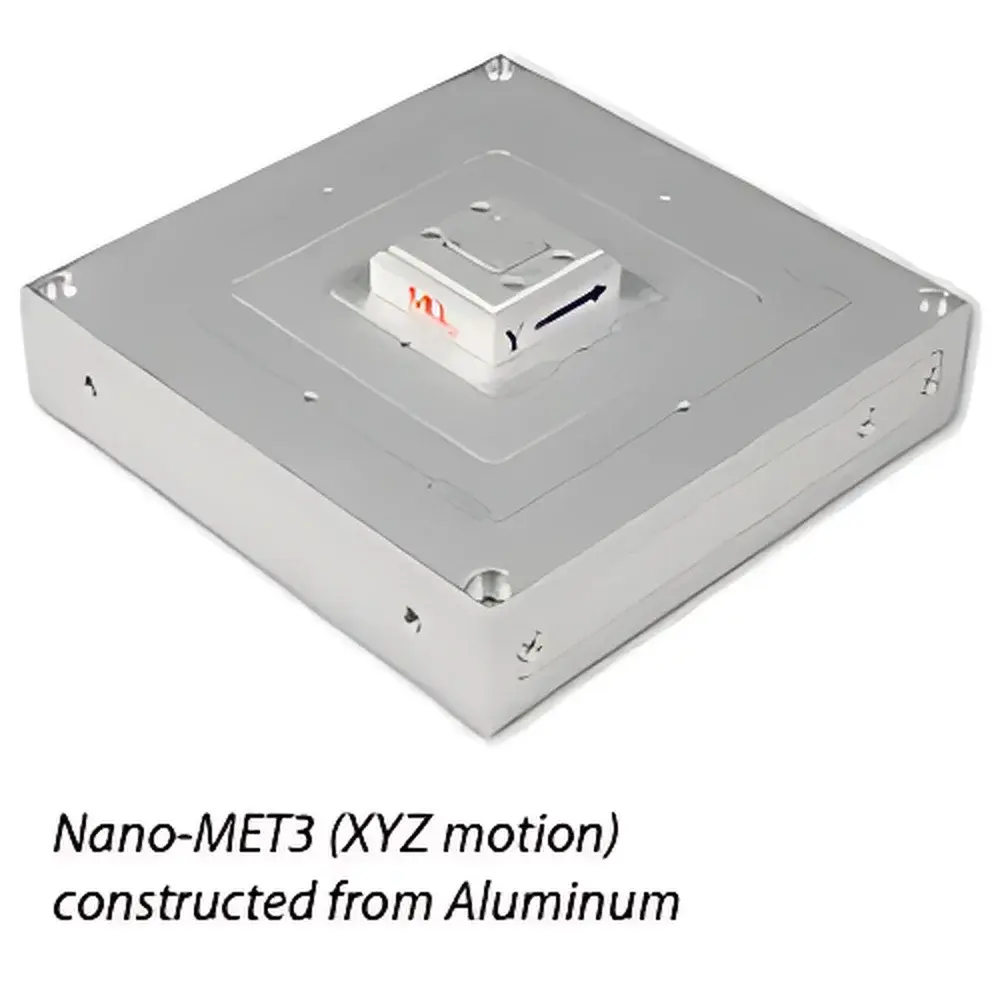
| Body Material | Aluminum |
| Controller | MicroDrive™ & Nano-Drive® |
| Interface | Bidirectional USB |
Ask about pricing, availability and specifications.
Overview
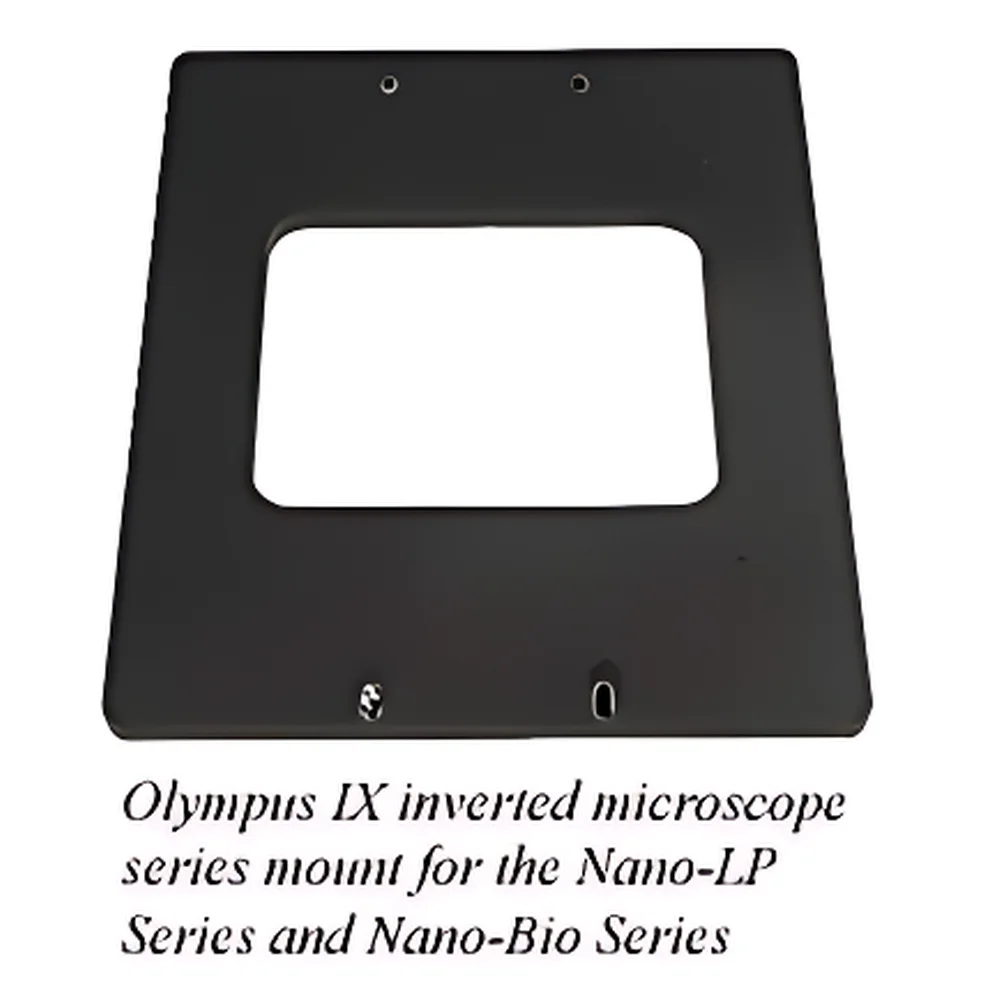
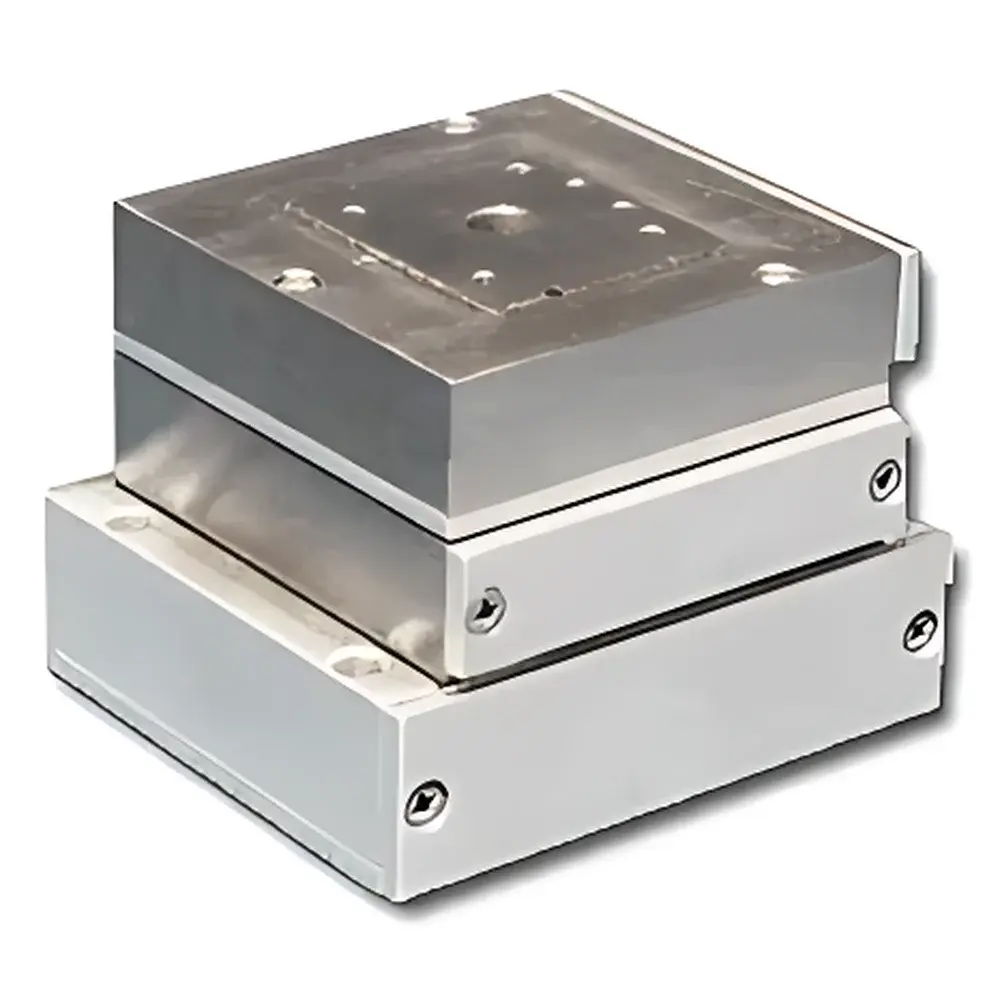
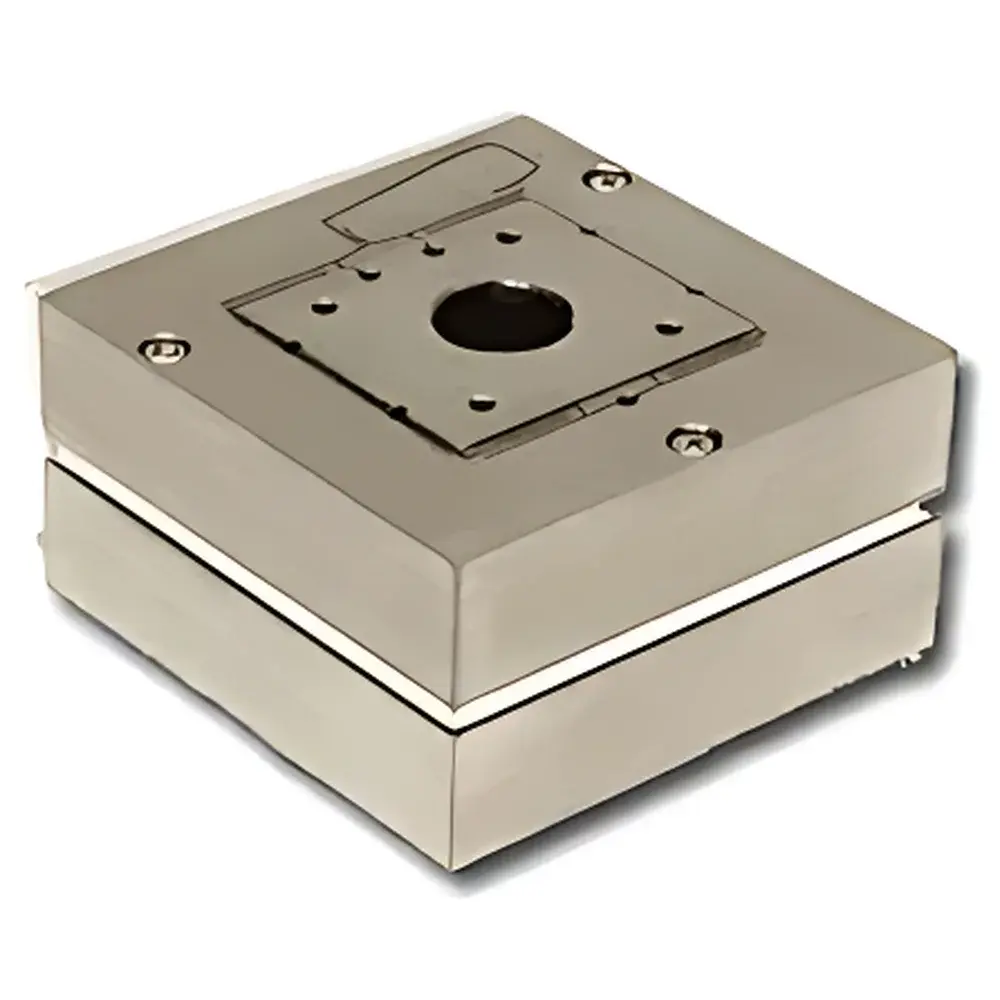
The MCL Think Nano Nano-SPMZ is a single-axis, integrated micro- and nanopositioning translation stage engineered for high-precision optical and scanning probe microscopy applications. It combines two complementary motion domains within a mechanically monolithic, optomechanically stable architecture: a stepper motor–driven coarse positioning stage (25 mm travel) and a piezoelectric-driven fine positioning stage (30 µm travel) with sub-angstrom resolution. The system operates on the principle of hierarchical motion control—coarse positioning establishes global sample or probe placement with nanometer repeatability, while the nanopositioner delivers closed-loop, high-bandwidth displacement with 60 picometer (0.06 nm) minimum incremental motion and exceptional thermal and mechanical stability. Designed for integration into vacuum-compatible, vibration-sensitive environments—including inverted microscopes, AFM/NSOM platforms, and nanofabrication workstations—the Nano-SPMZ maintains dimensional stability under static and dynamic loading conditions, with aluminum construction ensuring low thermal expansion and high stiffness-to-mass ratio.
Key Features
- Integrated dual-stage architecture: stepper-driven micropositioner (25 mm range) + piezoelectric nanopositioner (30 µm range) in a single compact module
- Closed-loop operation enabled by proprietary PicoQ® capacitive position sensors, delivering real-time feedback with 0.06 nm resolution and <1 pm RMS noise floor
- Optional high-resolution linear encoder (20 nm resolution) for enhanced coarse-stage metrology and long-term positional traceability
- Bidirectional USB interface supporting direct PC communication via MCL’s MicroDrive™ and Nano-Drive® controller firmware
- Configurable motion profiles: automatic acceleration/deceleration for moves >500 steps; constant-velocity stepping at 1 step/ms for shorter moves
- Robust mechanical design with 3.0 N/µm axial stiffness and optimized load-bearing geometry for both horizontal (1.0 kg) and vertical (0.5 kg) mounting configurations
- Native compatibility with standard optical table kinematic mounts (e.g., M6, 1/4″-20), facilitating rapid integration into multi-axis systems
Sample Compatibility & Compliance
The Nano-SPMZ is designed to meet the mechanical and environmental requirements of advanced laboratory instrumentation. Its aluminum housing provides non-magnetic, non-outgassing characteristics suitable for UHV-compatible adaptations (with optional surface treatments). The stage conforms to ISO 9022-3 (optical instruments—environmental testing) for operational temperature range (15–30 °C) and humidity tolerance (30–70% RH, non-condensing). While not certified to specific regulatory frameworks, its closed-loop architecture, deterministic motion control, and bidirectional USB interface support audit-ready data logging when deployed in GLP- or GMP-aligned workflows—particularly when paired with third-party software enabling FDA 21 CFR Part 11–compliant electronic records and signature functionality. Mechanical interfaces adhere to ANSI/BHMA A156.19 standards for precision mounting hardware.
Software & Data Management
Control and calibration are managed through MCL’s native MicroDrive™ (micropositioner) and Nano-Drive® (nanopositioner) software suites, available for Windows and Linux. Both applications provide programmable API access (DLL and Python bindings), enabling seamless integration into custom automation pipelines (e.g., LabVIEW, MATLAB, Python-based SPM acquisition frameworks). Position data—including encoder readings, sensor feedback, and trajectory timestamps—is streamed at up to 10 kHz and logged in HDF5 or CSV formats with nanosecond timestamp resolution. All firmware updates, calibration files, and configuration presets are stored locally and version-controlled via embedded EEPROM, ensuring reproducibility across instrument deployments. The USB interface supports simultaneous readout from both coarse encoder and fine-position sensor channels, permitting cross-domain synchronization for hybrid scanning protocols.
Applications
- Atomic force microscopy (AFM) and near-field scanning optical microscopy (NSOM): precise Z-height control during tip approach, force spectroscopy, and topographic imaging
- Nanoindentation systems requiring calibrated, load-compensated vertical displacement with sub-nanometer repeatability
- Optical trap alignment and beam steering in single-molecule biophysics setups
- In situ TEM/SEM nanomanipulation stages where compact form factor and EMI resilience are critical
- Quantum optics experiments involving cavity mirror alignment, grating positioning, or fiber coupling optimization
- Calibration reference stages for interferometric displacement metrology systems operating at λ/100 resolution
FAQ
Is the Nano-SPMZ compatible with vacuum environments?
Yes—standard units operate in ambient air, but vacuum-rated variants (with modified cabling, lubricants, and outgassing-tested materials) are available upon engineering consultation.
Can the coarse and fine axes be controlled independently via software?
Yes—MicroDrive™ and Nano-Drive® expose separate command sets and status registers, allowing asynchronous or synchronized operation depending on experimental protocol requirements.
What is the latency between USB command issuance and physical motion onset?
Typical command-to-motion latency is ≤1.2 ms for coarse moves and ≤80 µs for nanopositioner steps, measured from USB packet receipt to first detectable displacement.
Does the system support external trigger input for synchronized acquisition?
Yes—TTL-compatible trigger inputs are provided for both stages, enabling hardware-synchronized data capture with oscilloscopes, cameras, or lock-in amplifiers.
How is thermal drift compensated during extended scans?
PicoQ® sensors provide continuous position feedback at 10 kHz, and the Nano-Drive® firmware implements real-time drift correction algorithms based on thermal coefficient models validated over 24-hour stability tests.