
LaVision StrainMaster Digital Image Correlation (DIC) Deformation and Strain Imaging System
| Brand | LaVision GmbH |
|---|---|
| Origin | Germany |
| Model | StrainMaster-sys |
| Type | Turnkey Optical DIC System for Full-Field Deformation, Displacement & Strain Measurement |
| Compliance | Designed for ASTM E837, ISO/IEC 17025-aligned laboratory environments, supports GLP/GMP data integrity requirements via DaVis software audit trail functionality |
Overview
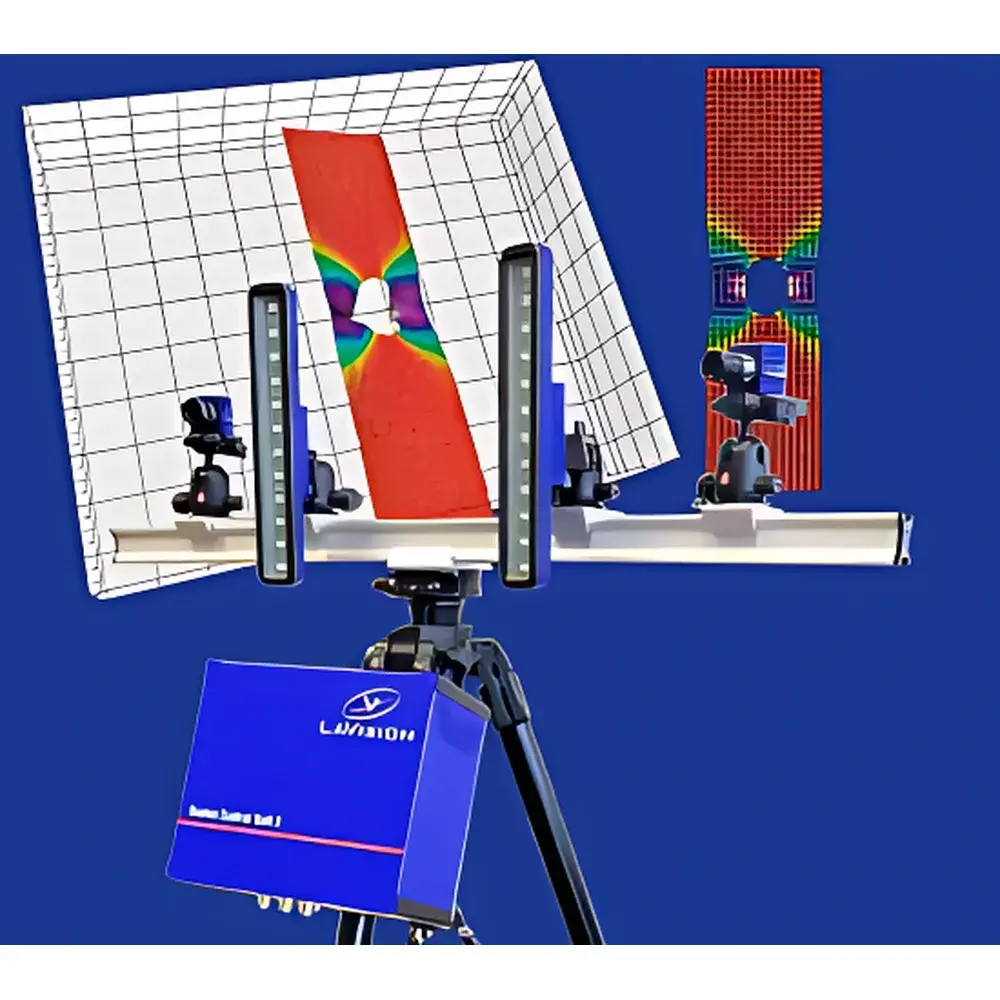
The LaVision StrainMaster is a turnkey digital image correlation (DIC) imaging system engineered for non-contact, full-field measurement of surface displacement, deformation, and strain in materials testing and structural mechanics applications. Based on stereo photogrammetry principles, the system captures synchronized high-resolution image pairs from two calibrated cameras, then computes sub-pixel-level displacements by tracking natural or applied speckle patterns across successive frames. This optical method delivers quantitative 2D or 3D vector fields—without physical sensor attachment—making it ideal for brittle, soft, anisotropic, or thermally sensitive specimens where traditional strain gauges or extensometers are impractical or intrusive. The StrainMaster-sys integrates hardware, illumination, synchronization electronics, and validated software into a single platform compliant with international metrology best practices for experimental mechanics.
Key Features
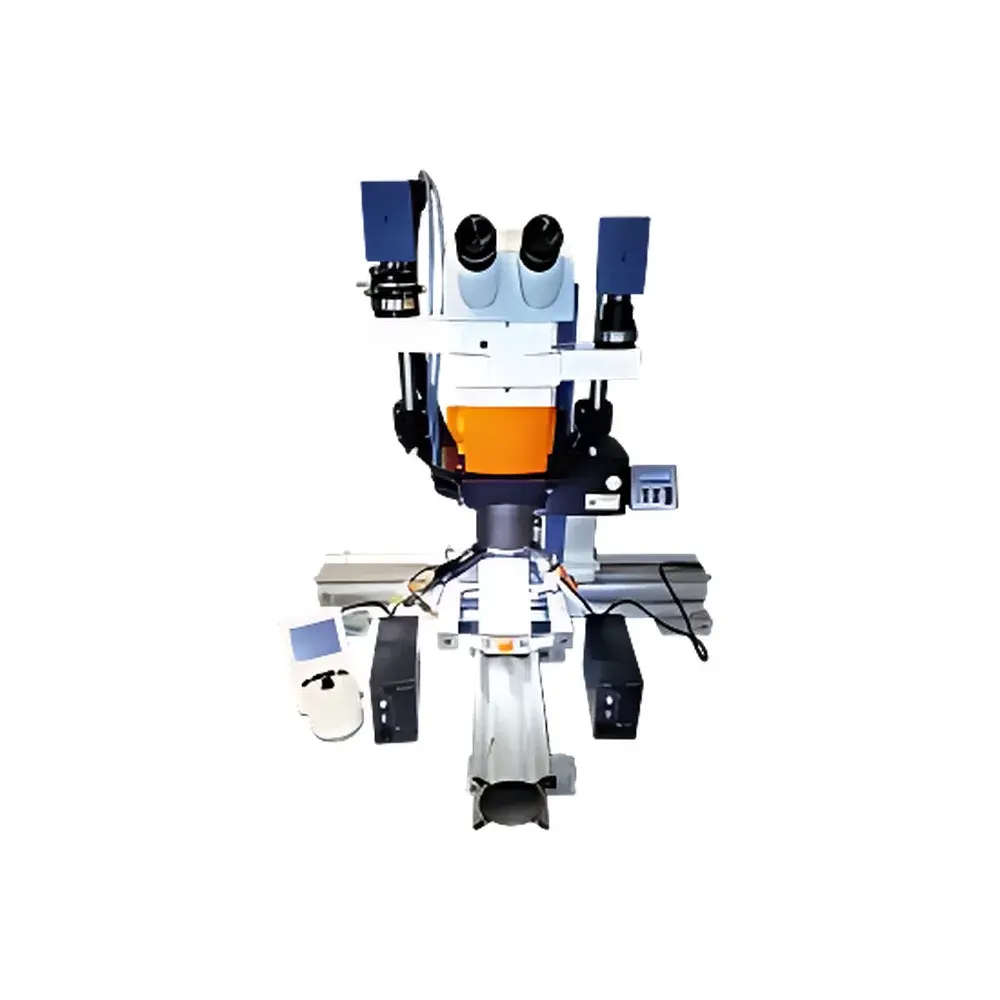
- Modular architecture supporting three primary configurations: StrainMaster Portable (field-deployable), StrainMaster Compact (benchtop fixed-distance), and StrainMaster Micro-DIC (sub-millimeter resolution with stereo microscope integration)
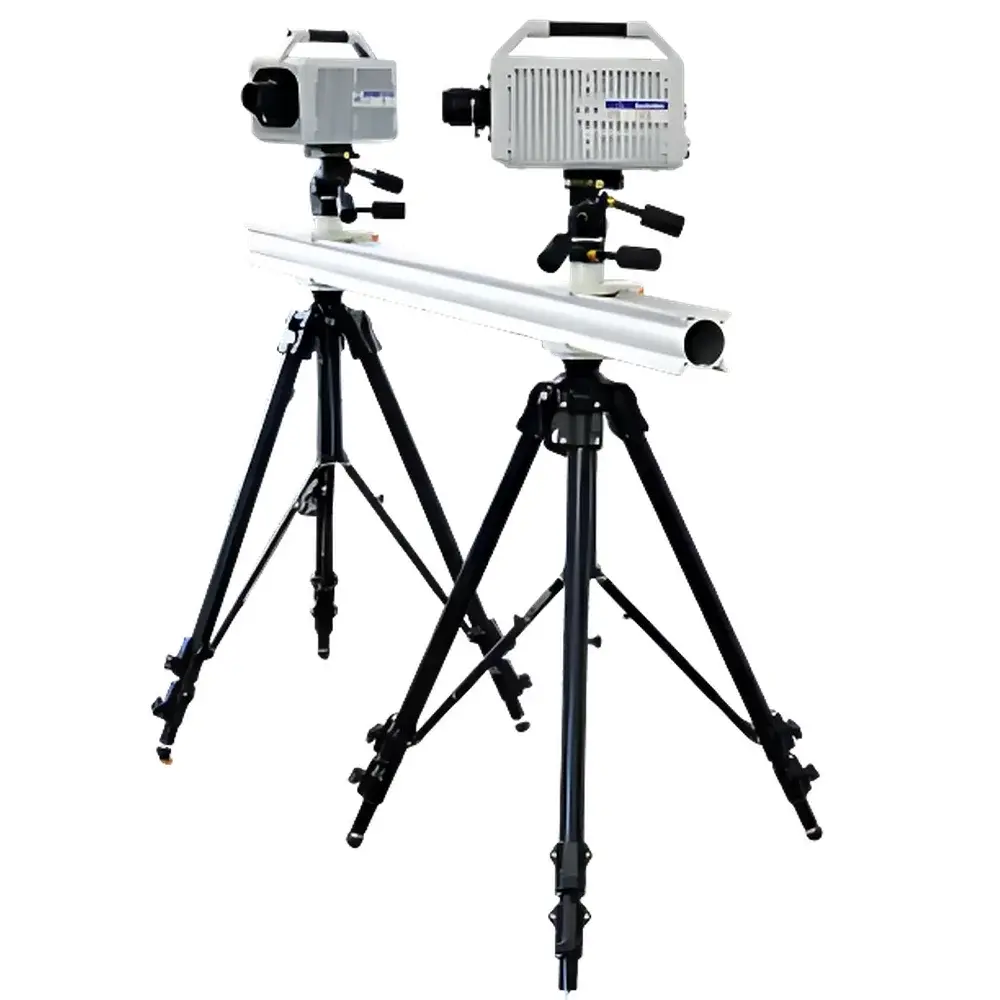
- High-stability optical mounting mechanics including rigid tripods, precision gearheads, and vibration-damped platforms for repeatable alignment
- Synchronized LED illumination units with adjustable intensity and spectral output to optimize contrast for diverse surface finishes and ambient conditions
- Device Control Unit (DCU) X — a compact embedded controller featuring integrated 16-bit AD conversion, real-time hardware triggering, and deterministic timing synchronization across all peripherals
- Tool-free setup and repositioning enabled by modular connectors, quick-release camera mounts, and lightweight carbon-fiber components
- Support for kHz-rate acquisition via optional high-speed camera modules (e.g., Phantom v2512, IDT NX series), enabling dynamic strain analysis under impact, blast, or cyclic loading
Sample Compatibility & Compliance
The StrainMaster accommodates specimens ranging from macro-scale structural components (e.g., composite laminates, welded joints, automotive crash parts) to microscale devices (MEMS, biomedical implants, thin-film electrodes). Surface preparation follows ASTM E837 guidelines for speckle pattern generation—typically via stochastic airbrushing or laser ablation—to ensure optimal correlation quality. All configurations meet mechanical stability requirements defined in ISO 10360-2 for optical measuring systems. When operated with DaVis software, the platform supports 21 CFR Part 11-compliant electronic signatures, user access control, and immutable audit trails—enabling use in regulated QA/QC labs adhering to GLP or GMP frameworks. Calibration procedures follow VDI/VDE 2634 Part 2 for optical 3D measuring systems, with traceable NIST-certified reference artifacts available upon request.
Software & Data Management
Data acquisition, preprocessing, and DIC computation are performed using LaVision’s DaVis software suite—validated for scientific reproducibility and industrial robustness. The software provides real-time visualization of displacement vectors, principal strain maps (ε₁, ε₂), shear strain (γ), and von Mises equivalent strain. Export formats include HDF5, ASCII, and CSV for post-processing in MATLAB, Python (NumPy/Pandas), or finite element pre-processors (e.g., ANSYS APDL, Abaqus INP). Batch processing workflows support automated calibration, subset size optimization, and uncertainty quantification per ISO/IEC Guide 98-3 (GUM). Integrated scripting (via Python API) enables custom analysis pipelines and integration into automated test benches. All raw image data, metadata, and processing parameters are stored in a structured project file, ensuring full traceability from measurement to report.
Applications
- Mechanical characterization of advanced composites under quasi-static and dynamic loading (tensile, compression, shear, fatigue)
- Fracture mechanics analysis—including crack tip displacement field mapping and J-integral evaluation
- Validation of finite element models (FEM) through direct comparison of predicted vs. measured strain distributions
- Vibration mode shape identification and modal parameter extraction (e.g., tuning fork resonance, MEMS actuator dynamics)
- Thermo-mechanical coupling studies—combined DIC with infrared thermography for simultaneous strain/temperature field acquisition
- Biomechanics research—deformation mapping of soft tissues, hydrogels, and tissue-engineered scaffolds under physiological loading
FAQ
What is the minimum measurable strain resolution achievable with StrainMaster systems?
Strain resolution depends on camera resolution, working distance, lens focal length, and speckle quality—but typical values range from 20–50 µε for macro-scale setups and down to ~100 µε in optimized micro-DIC configurations.
Can StrainMaster be integrated with existing universal testing machines (UTMs)?
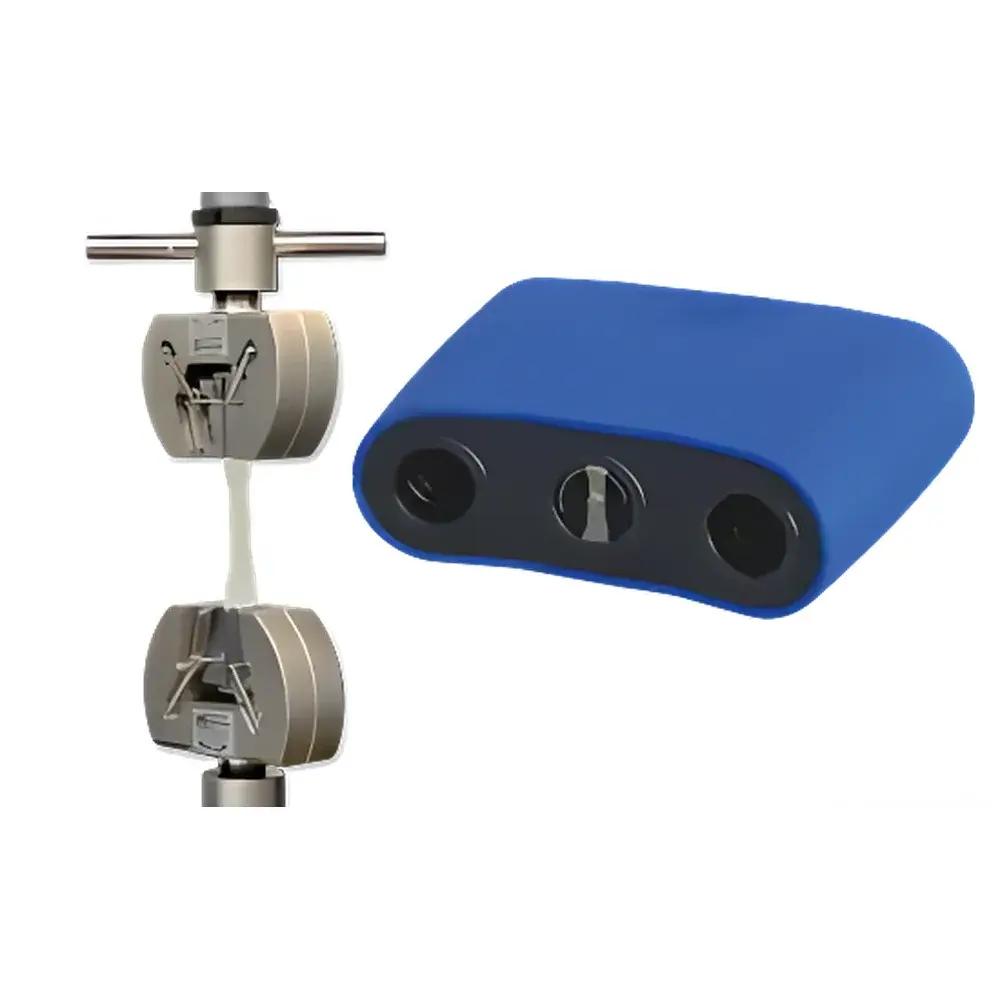
Yes—via TTL trigger input/output and analog voltage synchronization; DCU X supports direct interfacing with Instron, MTS, Zwick, and Shimadzu controllers for load-displacement-strain correlation.
Is training and application support included with system delivery?
LaVision provides on-site installation, operator certification, and application-specific methodology development as part of standard commissioning; extended technical support contracts are available globally.
Does the system support temperature-controlled environmental chambers?
Yes—custom optical viewports, thermal shielding, and low-thermal-drift mounting solutions are available for integration with climatic, vacuum, or high-temperature chambers.
How is system calibration verified over time?
Calibration stability is monitored using certified 3D reference gratings and repeated grid distortion analysis; DaVis includes automated calibration validation tools compliant with ISO 10360-2 verification protocols.



