
LaVision Glass-SFR Spatial Frequency Response (SFR) Measurement System for Automotive Windshield and ADAS Imaging Validation
| Brand | LaVision GmbH |
|---|---|
| Origin | Germany |
| Model | Glass-SFR |
| Application Domain | Automotive Optical Quality Assurance, Windshield Diopter Mapping & ADAS Camera System Performance Validation |
| Compliance Context | ISO 16508-2, ECE R43, ISO/IEC 17025 (for accredited labs), ASTM E3087 (MTF measurement practice) |
| Imaging Principle | High-resolution digital image-based spatial frequency analysis via calibrated pattern projection and sub-pixel displacement field reconstruction |
Overview
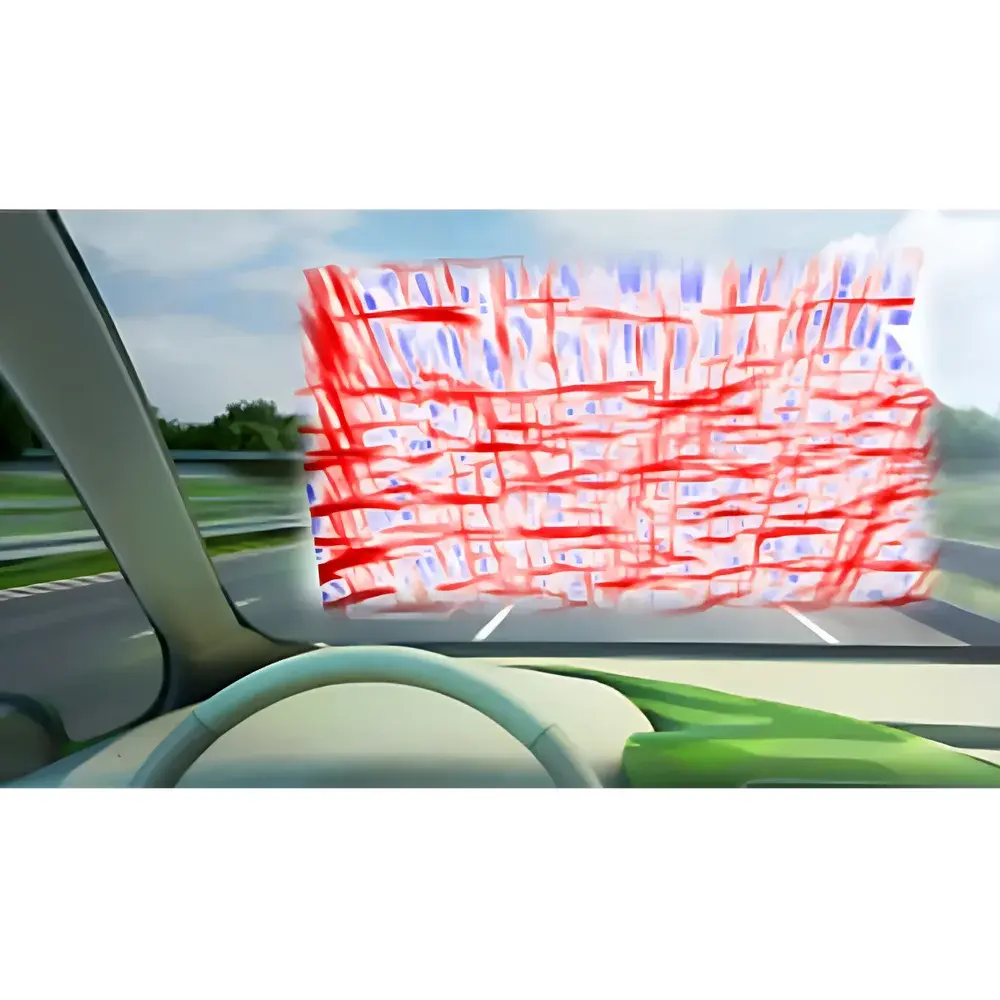
The LaVision Glass-SFR Spatial Frequency Response (SFR) Measurement System is an engineered optical metrology platform designed specifically for quantitative evaluation of automotive glazing optical performance and its impact on Advanced Driver Assistance Systems (ADAS). Unlike conventional subjective visual inspection or single-point diopter testers, the Glass-SFR system implements a full-field, physics-based imaging chain assessment grounded in ISO 16508-2 and aligned with ECE R43 regulatory requirements for transparent glazing. It operates by projecting a high-contrast, geometrically stable calibration pattern onto a wide-screen monitor positioned behind the windshield under test. A calibrated scientific CMOS camera—mounted either on a precision optical test bench or inside the vehicle cabin—captures the distorted pattern as refracted through the glass. Using sub-pixel registration algorithms and geometric distortion modeling, the system reconstructs the local angular deviation field across the entire surface, yielding a quantitative diopter map (D/m) with spatial resolution down to 0.1 mm². Simultaneously, the same image acquisition captures modulation transfer function (MTF) data at multiple spatial frequencies (e.g., 10–100 lp/mm), enabling objective quantification of contrast transfer degradation induced by glass curvature, laminated interlayers, or embedded heating elements.
Key Features
- Full-field diopter mapping (±15 D range, resolution ≤0.05 D) derived from pixel-level pattern displacement analysis
- Integrated 2D MTF calculation per ISO 12233 and ASTM E3087, supporting both slanted-edge and bar-target methodologies
- Modular deployment: compatible with stationary optical test benches (ISO-compliant collimated illumination) and in-vehicle configurations using OEM ADAS camera mounting points
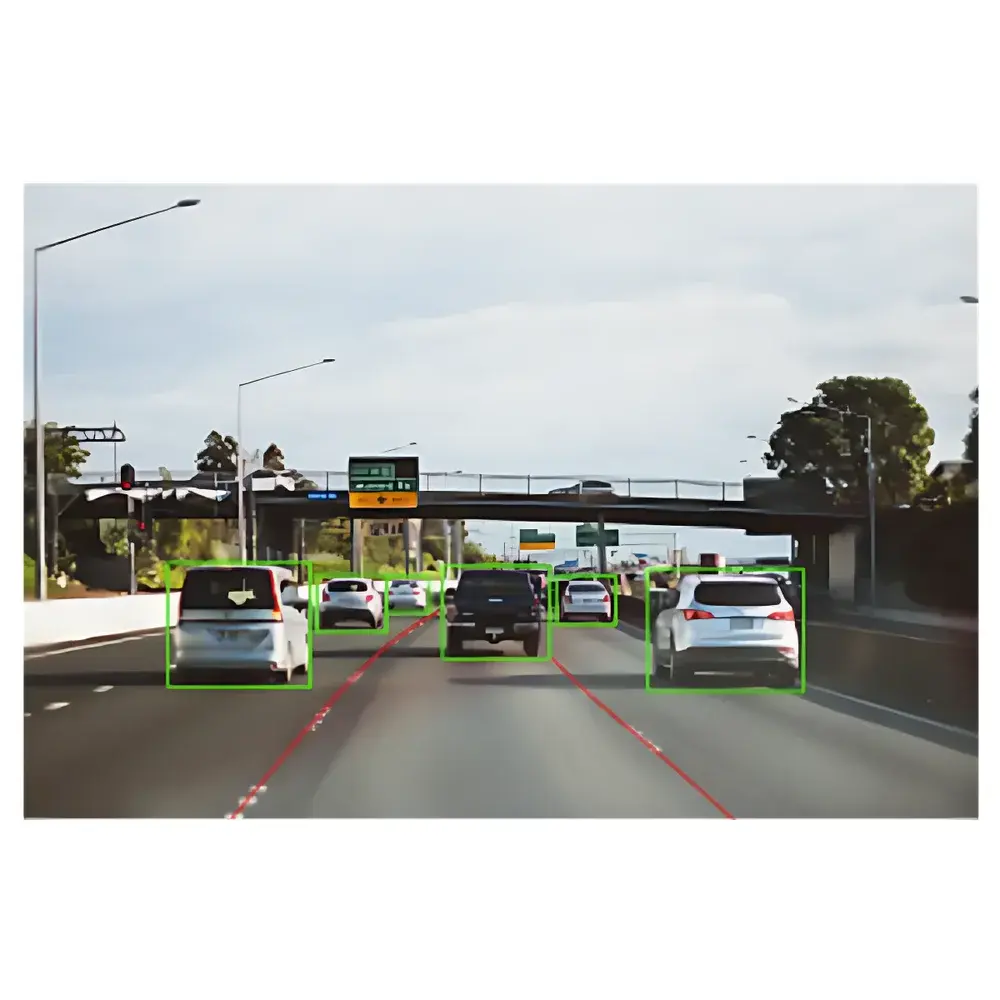
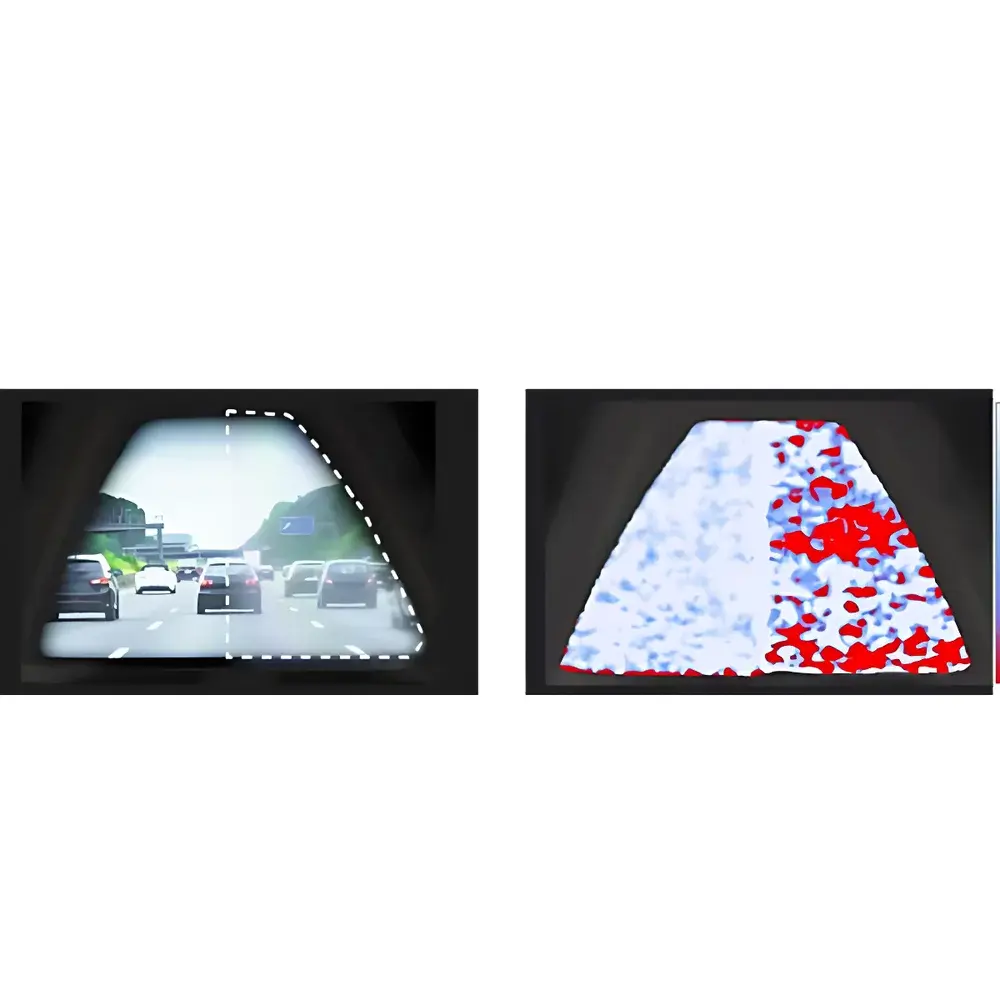
- Automated measurement sequences with programmable ROI selection—supports full-windshield scans or localized ADAS viewport analysis (e.g., forward-facing camera FOV)
- Real-time image quality metrics: local contrast ratio (CR), relative transmittance (%T), secondary image separation (ECE R43 Annex 6), and chromatic aberration estimation
- Hardware-synchronized trigger interface for dynamic testing (e.g., thermal cycling, mechanical stress, or wiper motion-induced distortion)
Sample Compatibility & Compliance
The Glass-SFR system accommodates flat, curved, laminated, and heated windshields—including those with HUD-compatibile coatings and embedded antenna traces. Sample mounting follows ISO 16508-2 mechanical alignment protocols, ensuring repeatable tilt, rotation, and distance control relative to the projection plane. All measurement outputs are traceable to NIST-traceable reference patterns and calibrated CMOS sensor responsivity curves. For regulated environments, the software architecture supports audit-ready operation: user access control, electronic signatures, change logs, and FDA 21 CFR Part 11–compliant data integrity features (optional configuration). Test reports comply with GLP/GMP documentation standards and include metadata such as environmental conditions (temperature, humidity), camera calibration certificate ID, and pattern generation timestamp.
Software & Data Management
Control and analysis are executed via LaVision’s proprietary ImaX-Glass software suite, built on a deterministic real-time acquisition engine and Python-based post-processing framework. Raw image data is stored in HDF5 format with embedded EXIF and custom metadata schemas. The software provides batch processing pipelines for comparative analysis across design iterations, supplier lots, or production batches. Export options include CSV (diopter/MTF grids), TIFF (georeferenced maps), PDF test reports with pass/fail overlays against customer-defined thresholds, and MATLAB-compatible .mat files for further statistical modeling. Integration with LabVIEW and CANoe is supported via TCP/IP API for synchronized vehicle bus data logging during in-car measurements.
Applications
- Optical validation of OEM and Tier-1 windshield designs prior to tooling release
- Root-cause analysis of ADAS camera misalignment or false-positive object detection linked to glass-induced wavefront error
- Quantitative verification of anti-reflective or hydrophobic coating uniformity effects on MTF
- Thermal-optical drift characterization during climatic chamber testing (−40°C to +85°C)
- Regulatory certification support for UN ECE R43, GB 9656, and FMVSS No. 205 compliance documentation
- Design-for-manufacturability feedback for mold compensation in hot-bending processes
FAQ
Does the Glass-SFR system require removal of the windshield from the vehicle for testing?
No—measurements can be performed in situ using the onboard ADAS camera or a portable CMOS head mounted inside the cabin, maintaining original optical path geometry.
Can the system measure both front and rear windshields?
Yes; the modular optical path design supports variable working distances (0.5–3.0 m) and accommodates varying curvature radii typical of side/rear glazing.
Is MTF calculated only at the Nyquist frequency of the ADAS camera?
No—MTF is computed across a user-defined spatial frequency band (e.g., 5–120 lp/mm), enabling correlation with specific ADAS perception algorithms’ sensitivity thresholds.
How is traceability maintained for production-line use?
Each system ships with a factory calibration certificate covering camera MTF, lens distortion, and pattern projector linearity—re-certifiable annually per ISO/IEC 17025 guidelines.
What level of technical support does LaVision provide for integration into existing QA workflows?
LaVision offers application engineering support including on-site installation, SOP development, staff training, and custom report template configuration aligned with internal quality management systems (e.g., IATF 16949).





