
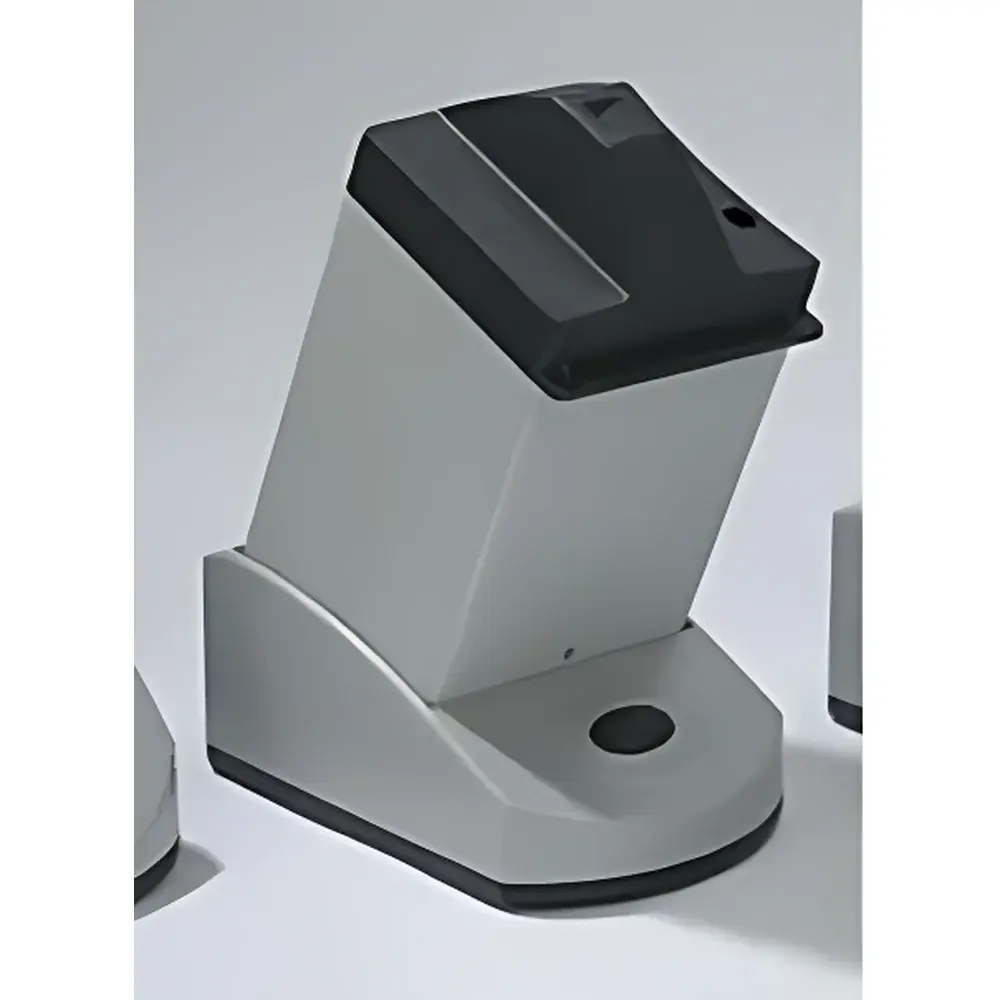
Lovibond AF325 Platinum-Cobalt (Pt-Co) Colorimeter
| Brand | Lovibond (Tintometer) |
|---|---|
| Origin | United Kingdom |
| Model | AF325 |
| Compliance | ASTM D1209, AOCS Td 1b-64, ISO 2211, ISO 6271, BS 5339 |
| Light Source | Daylight 2000 Illumination System |
| Cell Path Length | 113 mm |
| Measurement Principle | Visual Comparison Against Pt-Co Standard Glass Discs |
| Color Scale | Pt-Co / Hazen / APHA (0–500 units) |
Overview
The Lovibond AF325 Platinum-Cobalt (Pt-Co) Colorimeter is a precision optical instrument engineered for the visual assessment of color in transparent, lightly yellow liquids according to internationally recognized Pt-Co (Hazen/APHA) color standards. Based on the classical comparator principle, the AF325 employs calibrated glass color standards traceable to primary Pt-Co reference solutions—originally defined by Dr. Hazen in 1892 and later codified in ASTM D1209 and ISO 2211. The instrument operates on the principle of subjective but standardized human color perception under controlled illumination, delivering repeatable, operator-independent results when used in accordance with GLP-compliant laboratory protocols. Designed and manufactured in the UK by Tintometer Ltd (Lovibond), the AF325 integrates mechanical robustness, optical stability, and metrological traceability—making it suitable for routine quality control in water treatment facilities, petrochemical laboratories, pharmaceutical excipient testing, and fine chemical production environments.
Key Features
- Optimized for Pt-Co/Hazen/APHA color scale (0 to 500 units), with NIST-traceable glass disc standards pre-mounted in the comparator wheel
- Integrated Daylight 2000 illumination system: a stabilized, daylight-simulating light source (CIE Standard Illuminant D65 equivalent) providing consistent 5000 K correlated color temperature and >90 CRI; eliminates variability from ambient lighting, diurnal shifts, or seasonal spectral drift
- Nessleriser 2150 comparator module with 113 mm optical path length—engineered to match the geometry and viewing conditions specified in ASTM D1209 and ISO 6271
- Mechanically indexed rotating disc mechanism ensuring precise alignment and repeatability between sample and reference positions
- Non-electronic, maintenance-free optical architecture—no software calibration drift, no firmware updates, no battery dependency
- Compliant with ISO/IEC 17025 requirements for visual color assessment when operated within validated environmental conditions (e.g., controlled ambient luminance < 20 lux, neutral background)
Sample Compatibility & Compliance
The AF325 is validated for use with clear, low-turbidity liquid samples including potable water, wastewater effluents, glycerin, plasticizers, chlorinated solvents (e.g., carbon tetrachloride), alcohols, and refined petroleum distillates. Samples must be free of suspended solids (filtration through 0.45 µm membrane recommended) and exhibit negligible fluorescence or UV absorption below 400 nm. The instrument meets the physical and procedural specifications outlined in ASTM D1209 (Standard Test Method for Color of Clear Liquids), AOCS Td 1b-64 (for edible oils), ISO 2211 (general color measurement), ISO 6271 (water quality), and BS 5339 (UK water standards). It supports audit-ready documentation workflows required under FDA 21 CFR Part 11 when paired with paper-based SOPs and operator sign-off logs.
Software & Data Management
As a non-digital, analog comparator system, the AF325 does not incorporate embedded software or data logging capabilities. All measurements are recorded manually in laboratory notebooks or LIMS-integrated spreadsheets. This design ensures immunity to cybersecurity vulnerabilities, firmware obsolescence, and electronic calibration drift—critical for long-term method equivalence in regulated environments. Users may integrate the AF325 into digital QA/QC workflows via external barcode-scanned sample ID entry, timestamped manual result capture, and structured PDF reporting aligned with ISO 17025 clause 7.7 (result reporting). Calibration verification is performed annually using certified Lovibond Reference Standards (Cat. No. 2000-2150-RS), with records retained for ≥5 years per GLP guidelines.
Applications
- Drinking water and wastewater color monitoring per EPA Method 180.1 and WHO Guidelines for Drinking-water Quality
- Quality release testing of USP/Ph. Eur.-grade glycerol, propylene glycol, and ethanol
- Batch-to-batch consistency evaluation of industrial solvents (e.g., acetone, MEK, xylene) and halogenated hydrocarbons
- APHA color specification compliance for ASTM D445 (kinematic viscosity test fluids) and ASTM D975 (diesel fuel)
- Educational laboratories requiring hands-on training in fundamental colorimetric principles and standard method adherence
FAQ
Is the AF325 compliant with current ISO and ASTM color standards?
Yes—the AF325 fully satisfies the geometric, photometric, and procedural requirements of ASTM D1209, ISO 2211, and ISO 6271, including the mandated 113 mm cell path length and D65-simulated illumination.
Can the AF325 measure beyond 500 Pt-Co units?
No—its calibrated range is strictly 0–500 Pt-Co units. Samples exceeding 500 require dilution with deionized water prior to measurement, with results multiplied by the dilution factor.
Does the Daylight 2000 lamp require periodic replacement?
Yes—the xenon-arc lamp has a rated service life of 2,000 hours; Tintometer recommends annual photometric verification and lamp replacement as part of scheduled preventive maintenance.
Are replacement color discs available separately?
Yes—Lovibond supplies certified Pt-Co glass reference discs (set of 24, 0–500 units) under part number 2000-2150-DISC, each individually certified with traceable uncertainty statements.
How does the AF325 compare to instrumental spectrophotometric methods?
While spectrophotometers provide quantitative absorbance spectra, the AF325 delivers method-specific, regulatory-accepted pass/fail or value assignment per legacy visual standards—ensuring continuity with decades of historical data and avoiding inter-method discrepancies inherent in algorithmic color space conversions.






